

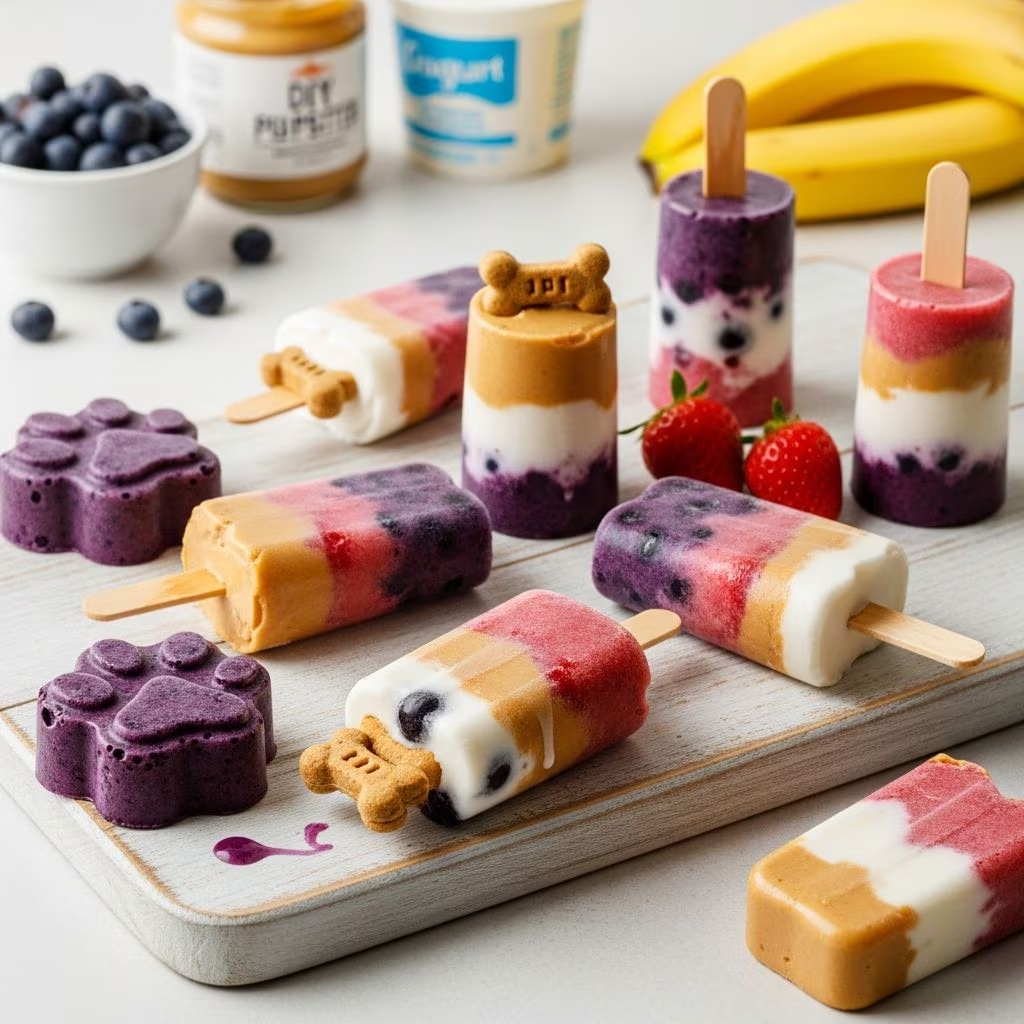
DIY Frozen Pupsicle Treats for Dogs: A Complete Guide
As temperatures rise during the summer months, keeping your dog cool and refreshed becomes a top priority for pet parents. One of the most delightful ways to help your furry friend beat the heat is by preparing homemade frozen pupsicles—a fun, nutritious alternative to commercial dog treats. These icy delights are not only refreshing but also provide mental stimulation and can even help with dental health. Unlike store-bought frozen treats, homemade pupsicles allow you to control the ingredients, ensuring your dog gets only the best, wholesome components without unnecessary additives or preservatives.
Making pupsicles at home is surprisingly simple and requires minimal culinary skills. With just a few dog-safe ingredients and some basic kitchen equipment, you can create treats that your pup will absolutely love. Whether your dog prefers fruity flavors, savory options, or creamy combinations, there’s a pupsicle recipe to suit every canine palate. This guide will walk you through everything you need to know about creating these frozen treats, from ingredient selection to storage and serving suggestions.
Why Make Homemade Frozen Treats for Your Dog?
Creating pupsicles at home offers numerous advantages over purchasing pre-made alternatives. First and foremost, you have complete control over the ingredients, which is especially important if your dog has dietary sensitivities or allergies. Many commercial dog treats contain artificial colors, flavors, and preservatives that may not be ideal for your pet’s health.
Homemade pupsicles provide several key benefits:
- Cost-effective: Making treats at home typically costs significantly less than buying pre-packaged frozen dog treats
- Ingredient transparency: You know exactly what goes into each treat, ensuring quality and safety
- Customization: Create flavors tailored to your dog’s preferences and dietary needs
- Cooling relief: Perfect for hot summer days, helping regulate your dog’s body temperature
- Mental enrichment: The process of licking and consuming frozen treats provides mental stimulation
- Dental benefits: Certain ingredients and the freezing process can contribute to better oral health
Essential Equipment and Molds
Before you start making pupsicles, gather the right equipment to ensure success. The most important item is a suitable mold for shaping your frozen treats.
Types of Molds
Silicone molds: These are ideal for creating pupsicles as they are flexible, non-stick, and come in various fun shapes. Silicone molds are durable and easy to clean, making them a long-term investment for your treat-making endeavors.
Ice cube trays: A budget-friendly alternative, standard ice cube trays work perfectly for portion-controlled pupsicles. They create appropriately-sized treats and are likely already in your kitchen.
Popsicle molds: Traditional popsicle molds with handles provide a fun presentation and make it easy for you to hold treats while your dog enjoys them.
Other equipment you’ll need: A blender or food processor for mixing ingredients smoothly, measuring cups and spoons for accurate proportioning, and a mixing bowl for combining ingredients.
Safe and Nutritious Ingredients
The foundation of any good pupsicle recipe is selecting dog-safe ingredients that provide nutritional value. Always consult with your veterinarian before introducing new ingredients to your dog’s diet, particularly if your pet has existing health conditions.
Protein-Based Ingredients
Greek yogurt: Plain, unsweetened Greek yogurt is an excellent base for pupsicles. It provides probiotics, calcium, and protein while creating a creamy texture. Always choose plain varieties without added sugars or artificial sweeteners.
Bone broth: This savory ingredient is rich in collagen and supports joint health. Low-sodium, dog-friendly bone broth creates satisfying savory pupsicles that many dogs find irresistible.
Peanut butter: A classic dog favorite, peanut butter adds protein and healthy fats. Ensure you select brands without xylitol, an artificial sweetener that is toxic to dogs.
Fruits and Vegetables
Bananas: Rich in potassium and fiber, bananas provide natural sweetness and contribute to digestive health. Use ripe bananas for the best flavor and texture.
Berries: Blueberries, strawberries, and raspberries are packed with antioxidants and vitamin C. Blueberries are particularly beneficial for cognitive function and contain natural compounds that may support dental health.
Watermelon: An excellent hydration source with natural sweetness, watermelon is over 90% water, making it perfect for hot summer days. Remove seeds before use.
Sweet potatoes: When cooked and mashed, sweet potatoes provide fiber, vitamins, and a naturally sweet flavor that dogs enjoy.
Leafy greens: Spinach and parsley can be blended into pupsicles for added nutrients. Use in moderation and ensure they are finely blended.
Ingredients to Avoid
Never include chocolate, grapes, raisins, avocado, macadamia nuts, or foods containing xylitol. Additionally, avoid artificial sweeteners, excessive salt, onions, and garlic. These ingredients can be toxic or harmful to dogs.
Simple Pupsicle Recipes
Classic Peanut Butter Pupsicle
This straightforward recipe combines two dog favorites into a creamy, satisfying treat.
Ingredients:
- 1 cup plain Greek yogurt
- 1 cup dog-safe peanut butter (xylitol-free)
Instructions:
- Mix Greek yogurt and peanut butter together in a bowl until well combined and smooth
- Pour the mixture evenly into your selected mold or ice cube tray
- If desired, insert a dog-safe stick (such as a baby carrot or dog treat) into each mold for easy handling
- Place the mold in the freezer and freeze until completely solid, approximately 4-6 hours or overnight
- Remove pupsicles from mold and store in an airtight freezer container
Fruity Banana Pupsicle
This refreshing recipe combines the appeal of tropical flavors with nutritional benefits.
Ingredients:
- 2 ripe bananas
- 1 cup plain Greek yogurt
- ½ cup peanut butter (xylitol-free)
- ¼ cup water or coconut water
Instructions:
- Add bananas, yogurt, peanut butter, and water to a blender
- Blend until the mixture reaches a smooth, creamy consistency
- Pour the blended mixture into molds or ice cube trays, filling to the top
- Freeze for at least 4 hours until solid
- Pop out and serve, or store in freezer containers for up to 10 days
Blueberry Antioxidant Pupsicle
Packed with nutrients and natural antioxidants, these pupsicles support overall health while delighting your dog’s palate.
Ingredients:
- 1 cup fresh or frozen blueberries
- 1 cup plain Greek yogurt
- ¼ cup water or bone broth
Instructions:
- Place blueberries and water in a blender and puree until smooth
- Add Greek yogurt to the blender and blend until fully combined
- Pour mixture into molds or ice cube trays
- Insert optional sticks or treats if desired
- Freeze for 4-6 hours or until completely solid
Savory Chicken and Bone Broth Pupsicle
For dogs preferring savory flavors, this recipe provides hydration and nutrition in an appealing form.
Ingredients:
- 1 cup low-sodium chicken bone broth
- ½ cup water
- ¼ cup finely chopped, cooked, unseasoned chicken
Instructions:
- Combine bone broth, water, and cooked chicken in a bowl
- Mix thoroughly until evenly distributed
- Pour into molds or ice cube trays
- Freeze until solid, approximately 4-6 hours
- Store in freezer containers for convenient serving
Layered Watermelon and Yogurt Pupsicle
This visually appealing recipe creates an interesting texture and flavor combination that many dogs enjoy.
Ingredients:
- 2 cups fresh watermelon, seeds removed and cubed
- 1 cup plain Greek yogurt
- ¼ cup coconut water or regular water
Instructions:
- Blend watermelon with water until smooth and slightly slushy
- Pour a thin layer of watermelon mixture into molds and freeze for 2-3 hours
- Add a layer of plain Greek yogurt on top of the frozen watermelon
- Freeze for another 2-3 hours
- Top with remaining watermelon mixture if desired and freeze until completely solid
Preparation Tips and Tricks
To ensure your pupsicles turn out perfectly every time, keep these helpful tips in mind:
Use ripe but firm fruits: Overly ripe fruit may result in a less appealing texture, while under-ripe fruit won’t blend smoothly. Choose fruits that yield slightly to pressure when gently squeezed.
Blend thoroughly: Smooth blending ensures an even texture and prevents choking hazards. Take extra time to blend leafy greens and tougher vegetables completely.
Avoid air bubbles: Tap molds gently on the counter several times after pouring to release trapped air, creating denser, longer-lasting pupsicles.
Use quality ingredients: Organic, whole ingredients provide maximum nutritional benefit. Avoid products with added sugars, salt, or artificial additives.
Test temperature: Before giving a pupsicle to your dog, let it sit at room temperature for a minute or two. Extremely cold treats can cause discomfort or brain freeze.
Start with small portions: Introduce new pupsicle recipes gradually to ensure your dog’s digestive system adjusts well to the new treat.
Storage and Safety Guidelines
Proper storage ensures your homemade pupsicles remain fresh and safe for your dog to consume.
Freezer Storage
Store completed pupsicles in airtight freezer containers or freezer bags with the air removed. Properly stored pupsicles typically remain good for 7-10 days in the freezer. Label containers with the date prepared to track freshness. For longer-term storage, pupsicles can be frozen for up to 3 months, though quality may diminish.
Serving Safety
Never leave pupsicles unattended with your dog, especially if using sticks or handles that could present choking hazards. Always supervise treat consumption. For senior dogs or those with dental issues, allow pupsicles to soften slightly before serving. Watch your dog’s consumption speed and remove any pupsicle that is almost completely consumed to prevent choking.
Portion Control
Pupsicles should be considered treats, not meal replacements. Treats should comprise no more than 10% of your dog’s daily caloric intake. Adjust regular meals accordingly when introducing pupsicles into your dog’s diet to maintain appropriate nutrition and weight.
Nutritional Benefits by Ingredient
| Ingredient | Primary Benefits | Best For |
|---|---|---|
| Greek Yogurt | Probiotics, calcium, protein | Digestive health, bone strength |
| Peanut Butter | Protein, healthy fats, vitamin E | Energy, coat health |
| Blueberries | Antioxidants, vitamin C, fiber | Cognitive function, immune support |
| Bananas | Potassium, fiber, vitamin B6 | Heart health, digestion |
| Bone Broth | Collagen, glucosamine, electrolytes | Joint health, hydration |
| Watermelon | Hydration, lycopene, vitamins | Summer cooling, hydration |
| Sweet Potato | Fiber, beta-carotene, potassium | Digestion, vision, immunity |
Frequently Asked Questions (FAQs)
Q: How long do homemade pupsicles stay fresh in the freezer?
A: Properly stored homemade pupsicles typically remain fresh for 7-10 days in the freezer. Store them in airtight containers or freezer bags to prevent freezer burn. While they may technically remain safe longer, quality and taste are best within the first 10 days.
Q: Can I use regular popsicle sticks in homemade pupsicles?
A: Standard wooden popsicle sticks are not recommended, as they can splinter or break easily. Instead, use dog-safe options like baby carrots, dog treats, or commercially available dog treat sticks designed for this purpose.
Q: Are pupsicles suitable for all dogs?
A: While most dogs can enjoy pupsicles, certain dogs may have restrictions. Dogs with diabetes should avoid high-sugar fruit recipes. Senior dogs or those with dental issues may need softer pupsicles. Always consult your veterinarian before introducing new treats, especially for dogs with health conditions.
Q: Can I make pupsicles without a blender?
A: Yes, for simpler recipes you can mash ingredients by hand. Soft fruits like bananas can be mashed with a fork, and you can simply mix yogurt and peanut butter together. However, for recipes with leafy greens or tougher vegetables, a blender produces the smoothest results.
Q: How often can my dog have pupsicles?
A: Pupsicles can be offered several times weekly during warm months as part of your dog’s treat allowance. Remember that treats should constitute no more than 10% of daily caloric intake, with the remaining 90% coming from balanced, complete dog food.
Q: What should I do if my dog has a sensitive stomach?
A: Introduce new pupsicle recipes gradually to avoid digestive upset. Start with smaller portions and monitor your dog for any adverse reactions. Plain Greek yogurt and bone broth are typically gentler options for dogs with sensitive stomachs compared to fruit-based recipes.
Q: Can puppies enjoy pupsicles?
A: Yes, puppies can enjoy pupsicles, but supervise closely as frozen treats can be challenging for young dogs. Soften pupsicles slightly before serving to puppies, and choose recipes without small pieces that could present choking hazards. Consult your veterinarian about appropriate treat sizes for your puppy’s age and size.
Q: Are there pupsicle recipes for dogs with allergies?
A: Absolutely. If your dog has allergies, customize recipes using only approved ingredients. For example, dogs allergic to chicken can enjoy pupsicles made with bone broth from other protein sources, and those sensitive to dairy can use coconut milk or water-based recipes instead of yogurt.
Conclusion
Creating homemade frozen pupsicles is a rewarding way to show your dog love while providing nutritious, refreshing treats during warm months. With simple recipes using wholesome, dog-safe ingredients, you can customize treats perfectly suited to your pet’s preferences and dietary needs. Whether your dog prefers fruity combinations, creamy blends, or savory broths, the possibilities for pupsicle recipes are virtually endless.
The process of making pupsicles is straightforward enough for any pet parent, requiring minimal equipment and preparation time. By following the guidelines outlined in this comprehensive guide, you’ll create treats that not only taste delicious but also provide genuine nutritional benefits. Start with simple recipes, gradually experiment with more complex combinations, and enjoy watching your dog savor these icy delights. Your homemade pupsicles will become a cherished summer tradition that keeps your pup happy, healthy, and cool.
References
- 3 Super Easy Pupsicle Recipes to Make for Your Dog — Stella and Chewy’s. https://www.stellaandchewys.com/blogs/articles/how-to-make-pupsicles
- The Easiest Homemade Dog Popsicles (Healthy Frozen Dog Treats!) — Bigger Bolder Baking with Gemma Stafford. 2025-07-10. https://www.biggerbolderbaking.com/dog-popsicles-recipe-pupsicles
- Easy Peanut Butter Pupsicle Frozen Dog Treats — Jenel Elizabeth’s Journals. https://jenelizabethsjournals.com/2014/08/26/easy-peanut-butter-pupsicle-frozen-dog-treats/
- 5 Frozen Dog Treat Ideas & Recipes — Woof. https://mywoof.com/blogs/articles/frozen-dog-treat-ideas-recipes
- 9 Pupsicles to Make for Your Dog This Summer — AKC Pet Insurance. https://www.akcpetinsurance.com/blog/9-summer-pupsicles



