

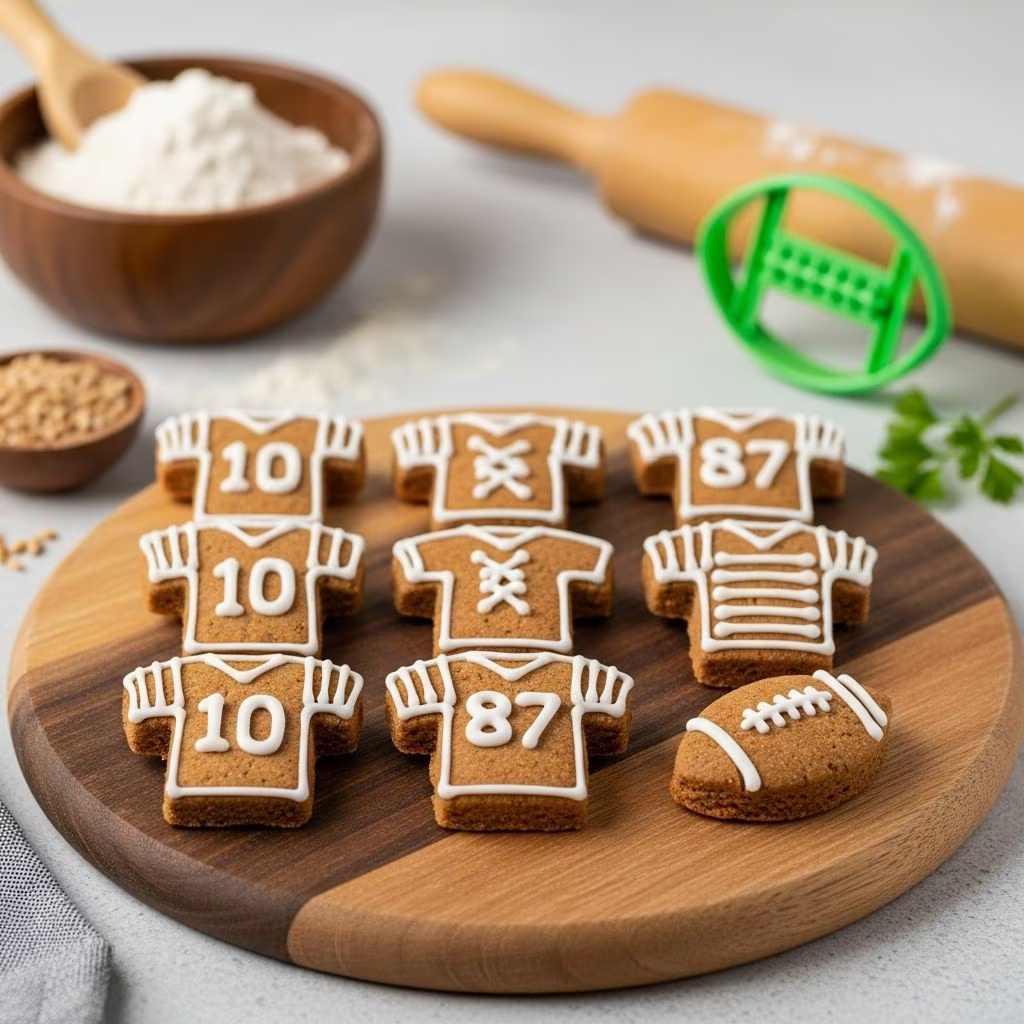
DIY Football Jersey Dog Treats: A Game Day Recipe for Your Pup
Football season brings excitement, celebration, and plenty of reasons to gather with family and friends. But while you’re cheering on your favorite team, don’t forget about your four-legged companion! Creating homemade dog treats shaped like football jerseys is a fantastic way to include your furry friend in the festivities. These DIY treats are not only adorable and festive, but they’re also a healthier alternative to many store-bought options. By making treats at home, you control exactly what goes into them, ensuring your dog gets wholesome, quality ingredients without unnecessary additives or preservatives.
Why Make Homemade Dog Treats?
Homemade dog treats offer numerous advantages over commercial alternatives. First and foremost, you have complete control over the ingredients, which means you can avoid artificial flavors, colors, and preservatives that might upset your dog’s digestive system or trigger allergies. Many store-bought treats contain fillers and excessive salt or sugar that aren’t beneficial for your pet’s health.
Additionally, homemade treats are often more cost-effective, especially when you’re making them in batches. You can customize recipes based on your dog’s preferences and dietary needs, whether they require grain-free options, have protein preferences, or need lower-calorie treats. The bonding experience of preparing treats for your dog can also strengthen your relationship and give you peace of mind knowing exactly what your beloved pet is consuming.
Ingredients You’ll Need
Before you start creating these fun football jersey treats, gather the following ingredients:
- 2 cups whole wheat flour (or dog-safe alternative like oat flour)
- 1 cup peanut butter (xylitol-free)
- 1 egg
- 1/4 cup water or low-sodium broth
- 1 tablespoon honey (optional, for slight sweetness)
- Dog-safe food coloring (optional, for decorative touches)
All these ingredients are dog-safe and commonly used in pet treat recipes. However, always verify that any ingredient you use is appropriate for dogs. For instance, xylitol, an artificial sweetener found in some peanut butters, is toxic to dogs and must be avoided at all costs.
Equipment and Supplies
To create these festive treats, you’ll need the following items:
- Mixing bowls
- Measuring cups and spoons
- Rolling pin
- Football jersey-shaped cookie cutter
- Baking sheets
- Parchment paper
- Spatula or cookie turner
- Decorating tools (optional)
Having all your equipment ready before you begin makes the process smoother and more enjoyable. If you don’t have a football jersey-shaped cookie cutter, you can find them online or at kitchen supply stores, or you can create simple rectangular shapes to represent jerseys.
Step-by-Step Recipe Instructions
Preparation Phase
Begin by preheating your oven to 350°F (175°C). This ensures your oven reaches the proper temperature before your treats go in, promoting even baking. While the oven heats, prepare your baking sheets by lining them with parchment paper. This prevents sticking and makes cleanup significantly easier.
Mixing the Dough
In a large mixing bowl, combine the peanut butter and egg. Mix these together thoroughly until well blended. The egg acts as a binding agent and helps hold the dough together. Gradually add the flour to the peanut butter and egg mixture, stirring constantly. If the dough seems too dry, add water or broth one tablespoon at a time until you achieve a consistency that’s easy to work with but not sticky.
The dough should be firm enough to hold a shape when rolled out, but pliable enough to work with your hands and cookie cutters. If you’ve added honey for sweetness, mix it in during this stage.
Rolling and Cutting
Transfer your dough to a clean, floured surface. Using a rolling pin, roll the dough to approximately 1/4-inch thickness. This thickness ensures the treats bake evenly without becoming too hard or remaining too soft in the center. Use your football jersey cookie cutter to cut shapes from the dough. You can also cut simple rectangular or oval shapes if you prefer.
Carefully transfer each cut shape to your prepared baking sheets, spacing them about an inch apart to allow for slight expansion during baking. If desired, use a toothpick or small knife to add decorative details like jersey numbers or seams.
Baking Process
Place the baking sheets in your preheated oven and bake for 15-20 minutes, depending on the thickness of your treats and your oven’s characteristics. The treats should be golden brown and firm to the touch when done. Every oven bakes differently, so start checking around the 15-minute mark to prevent over-baking.
Remove the treats from the oven and allow them to cool on the baking sheet for about five minutes. This cooling period allows them to firm up slightly. Transfer the treats to a wire cooling rack to cool completely before offering them to your dog.
Optional Decoration
Once the treats have cooled completely, you can add decorative touches using dog-safe icing or frosting. A simple mixture of unsweetened yogurt or pureed pumpkin can be piped onto the treats to create jersey numbers or stripes. Keep decorations minimal and ensure all materials are dog-safe.
Storage and Shelf Life
Proper storage ensures your homemade treats remain fresh and safe for your dog to consume. Store cooled treats in an airtight container at room temperature for up to five days. For longer storage, place treats in a freezer-safe container and freeze for up to three months. Simply thaw at room temperature before serving.
Always inspect treats for any signs of mold or spoilage before giving them to your dog. If treats develop an off smell or unusual appearance, discard them immediately.
Nutritional Considerations
These homemade treats should be given as occasional snacks and not replace your dog’s regular, balanced diet. Treats typically shouldn’t comprise more than 10 percent of your dog’s daily caloric intake. The peanut butter provides protein and healthy fats, while whole wheat flour offers fiber and nutrients.
If your dog has specific dietary restrictions or health conditions, consult your veterinarian before introducing new treats. Some dogs may have sensitivities to wheat or peanuts, in which case you can substitute with alternative flours like coconut flour or oat flour, and alternative proteins like sunflower seed butter.
Serving Suggestions
Football jersey treats are perfect for serving during game day gatherings. Present them to your dog as a special reward or use them for positive reinforcement during training sessions. These treats work well for:m
- Game day celebrations with family and friends
- Training rewards during practice sessions
- Special occasions and holidays
- Packed treats for tailgating events
- Interactive play and enrichment activities
Safety Tips and Precautions
While these treats are generally safe when made with appropriate ingredients, keep several safety considerations in mind. Never use xylitol, chocolate, grapes, raisins, onions, garlic, or avocado in dog treats, as these are toxic to dogs. Always use peanut butter that’s specifically xylitol-free, as this sweetener can cause severe hypoglycemia in dogs.
Monitor your dog after introducing any new treat, watching for signs of digestive upset or allergic reactions. If your dog has known food allergies or sensitivities, carefully review all ingredients before preparation.
Supervise your dog while eating treats, especially if they’re the type to gulp food without chewing. Break larger treats into smaller pieces for small breed dogs to prevent choking hazards.
Variations and Customizations
Feel free to experiment with variations to keep things interesting for your dog:
- Pumpkin Spice Version: Add 1/2 cup pureed pumpkin and a pinch of dog-safe spices like cinnamon
- Banana Treats: Substitute mashed banana for peanut butter
- Sweet Potato Twist: Mix in 1/2 cup pureed sweet potato for added nutrition
- Carrot Crunch: Add finely grated carrots for texture and nutrition
- Apple-infused: Include finely diced, unsweetened apple pieces
These variations provide different flavors and nutritional benefits while maintaining the festive football theme.
Frequently Asked Questions
Q: Can I use regular flour instead of whole wheat flour?
A: Yes, you can use all-purpose flour, but whole wheat flour provides more fiber and nutrients. You can also use oat flour, coconut flour, or rice flour as alternatives.
Q: How much of these treats can I give my dog?
A: Treats should comprise no more than 10 percent of your dog’s daily caloric intake. For most dogs, one or two treats per day is appropriate. Always consider treat size relative to your dog’s weight.
Q: Are these treats suitable for puppies?
A: These treats can be given to puppies, but in smaller quantities. Consult your veterinarian about appropriate treat sizes and feeding schedules for your puppy’s age and breed.
Q: Can I make these treats in advance?
A: Absolutely! Make treats several days in advance and store them in an airtight container. You can also freeze them for up to three months, which is convenient for game day entertaining.
Q: What should I do if my dog has food allergies?
A: If your dog has allergies, consult your veterinarian before introducing these treats. You can customize the recipe by avoiding known allergens and substituting with appropriate alternatives.
Q: Can senior dogs or dogs with dental issues eat these treats?
A: You can soften these treats by soaking them in water or broth, or break them into smaller pieces. Some senior dogs may prefer softer textures.
References
- Dog Treat Safety and Nutritional Guidelines — American Kennel Club. 2024. https://www.akc.org/dog-breeds/nutrition-health/
- Toxic Foods for Dogs — ASPCA Animal Poison Control Center. 2024. https://www.aspca.org/pet-care/animal-poison-control/toxic-and-non-toxic-plants
- Homemade Pet Food Safety — U.S. Food and Drug Administration (FDA). 2024. https://www.fda.gov/animal-veterinary/animal-food-feeds



