

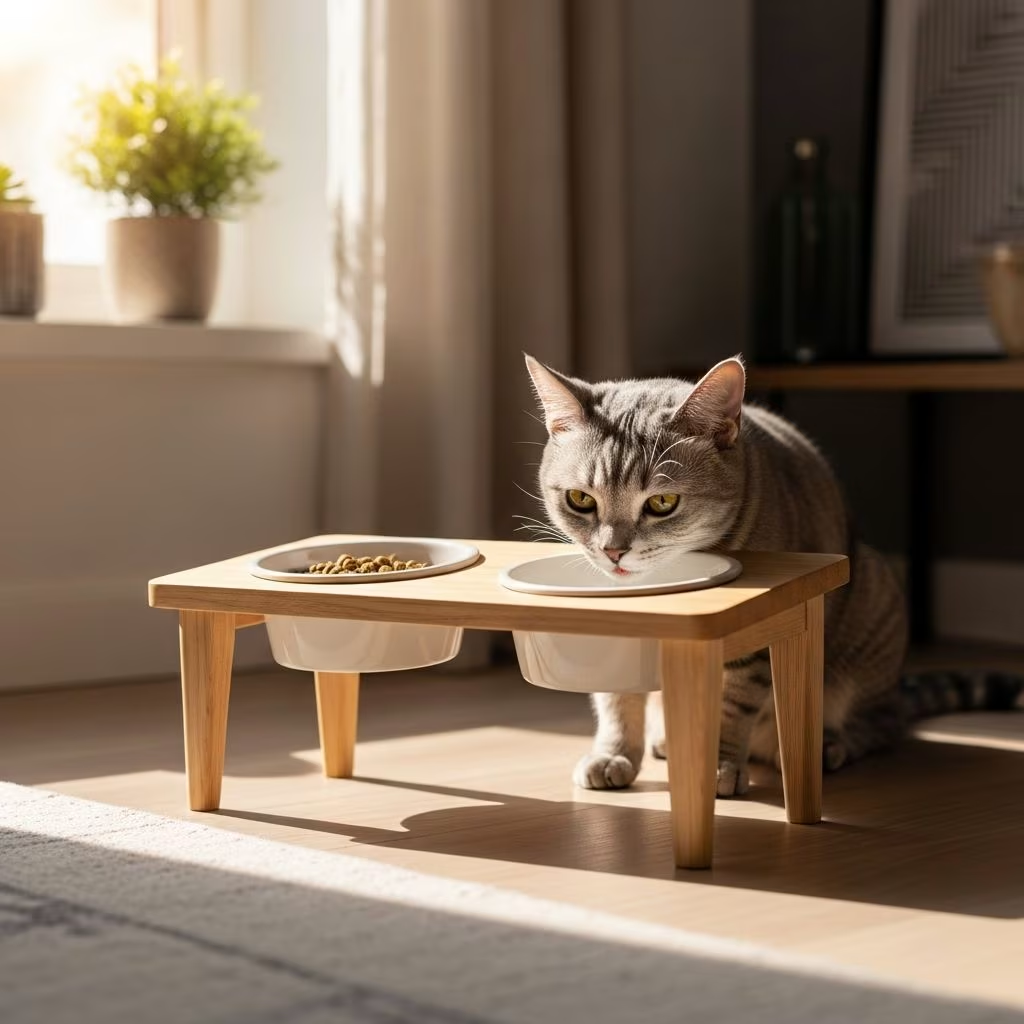
Pet owners increasingly recognize that how cats eat matters just as much as what they eat. The height at which your feline companion accesses their meals significantly impacts their overall wellbeing, comfort, and digestive health. Rather than purchasing expensive commercial feeding stations, many cat parents are discovering the benefits of constructing personalized elevated bowl setups at home. This approach allows you to customize dimensions, materials, and aesthetics to match your specific cat’s needs and your household’s décor.
Understanding Why Elevation Matters for Feline Dining
Cats are natural hunters and grazers whose feeding patterns evolved over thousands of years. In their natural environment, felines consume prey that is typically held above ground level, allowing them to maintain a neutral spine position while eating. Domestic cats eating from bowls positioned on the floor must contort their bodies awkwardly, bending their necks downward and hunching their backs. This unnatural posture creates unnecessary strain on multiple body systems.
When cats crouch low to access food, they experience compression in their cervical spine and pressure on their front limbs and joints. Additionally, the downward head position interferes with the natural alignment between the esophagus and stomach, making swallowing less efficient. Food that doesn’t slide smoothly into the stomach may cause regurgitation, which many cat owners mistake for vomiting. By raising the feeding surface to approximately 4 to 6 inches above ground level, you restore your cat’s natural eating mechanics.
Primary Advantages of Elevated Feeding Stations
Enhanced Digestive Function and Reduced Vomiting
One of the most compelling reasons to implement elevated feeding is the improvement in digestive efficiency. When bowls sit on the floor, cats struggle with the mechanics of swallowing, particularly if they eat quickly. The elevation allows gravity to work naturally, facilitating smoother food transit from mouth through esophagus into the stomach. Many cat owners report that their pets experience fewer episodes of post-meal regurgitation once they switch to elevated bowls, indicating better overall digestive processing.
Relief for Senior Cats and Those with Joint Issues
Aging cats and those diagnosed with arthritis, hip dysplasia, or spinal problems experience considerable discomfort when forced to bend repeatedly during meals. Elevated feeders eliminate this daily pain by allowing senior cats to maintain an upright, neutral posture while eating. This becomes particularly important for long-bodied cat breeds that experience exaggerated stress when hunching over traditional floor bowls.
Whisker Comfort and Stress Reduction
Many cat owners remain unaware that whisker fatigue affects their pets. A cat’s whiskers are extraordinarily sensitive sensory organs containing nerve endings that transmit signals to the brain. When whiskers repeatedly brush against the interior walls of deep bowls, cats experience stress and discomfort during meals. Elevated bowls, particularly those with wider, shallower configurations, prevent this contact, allowing stress-free dining.
Improved Feeding Area Hygiene
Floor-level bowls inevitably collect debris, dust, and insects, compromising food safety and cleanliness. Elevated stations keep food and water sources further removed from ground-level contaminants, resulting in a more hygienic feeding environment for your cat and a tidier space for you to maintain.
Materials for DIY Elevated Feeder Construction
Creating a custom elevated feeder requires minimal materials and basic tools. Consider these popular options:
- Wood platforms: Untreated wood serves as a sturdy, aesthetic base. Cedar or pine resists moisture and odor absorption better than other woods.
- Ceramic or stainless steel bowls: These materials are durable, easy to clean, and don’t absorb odors like plastic alternatives.
- Non-slip mats: Rubber or silicone backing prevents bowls from sliding during feeding, protecting your floors and providing stability.
- PVC pipes or risers: Lightweight and waterproof, these create adjustable height platforms.
- Recycled materials: Sturdy storage boxes, wooden crates, or old shelving can be repurposed creatively.
Step-by-Step Construction Guide
Determining the Correct Height
Before building, measure your cat from floor to shoulder when standing naturally. The bowl should position food at approximately the same level as your cat’s chest. For most cats, this translates to 4 to 6 inches elevation, though larger breeds may require slightly higher platforms. Senior cats or those with mobility issues may benefit from increased elevation to minimize bending.
Building a Basic Wooden Platform
Begin with a sturdy wooden base measuring approximately 12 to 18 inches in length and width, depending on your bowl size and available space. Sand all surfaces smooth to prevent splinters and ensure your cat’s safety. If desired, apply a food-safe finish or sealant to protect the wood from moisture and spills. Create a recessed area or shallow depression in the platform to hold bowls securely, or attach raised edges to prevent bowls from sliding.
Integrating Drainage and Easy Cleaning
Incorporate drainage features such as small holes drilled into the platform bottom to allow water to escape, particularly important for cats that spill or drink messily. This prevents water accumulation and mold growth. Ensure the entire structure can be disassembled or easily wiped down for thorough cleaning. Consider adding removable, washable mats underneath for additional protection of floors and easier spill management.
Stability and Safety Considerations
Whatever design you select, stability must be paramount. The feeder should not rock, wobble, or shift when your cat leans into it or applies pressure while eating. Use non-slip adhesive or rubber feet on the bottom to prevent the structure from moving across your floor. If stacking materials, ensure connections are secure and weight distribution is balanced.
Customization Options for Different Cat Needs
| Cat Type | Recommended Features | Height Adjustment |
|---|---|---|
| Senior/Arthritic | Extra elevation, wider bowls, lower-friction surfaces | 6+ inches |
| Young/Healthy Adult | Standard platform with non-slip features | 4-6 inches |
| Flat-Faced Breeds | Wide, shallow bowls, slightly elevated | 3-4 inches |
| Fast Eaters | Deeper bowls with partitions, elevated | 4-6 inches |
Budget-Friendly Design Ideas
You don’t need expensive materials to create an effective elevated feeder. Repurpose items already in your home or available affordably. An upside-down storage container of appropriate height becomes an instant platform. Wooden step stools from thrift stores can be modified for single or dual bowl placement. Cardboard boxes reinforced with waterproof liners create temporary feeders while you assess whether elevation benefits your cat. Even thick hardcover books stacked to the appropriate height and secured with non-slip padding can serve this purpose during a trial period.
Addressing Multi-Cat Household Challenges
If you have multiple cats with different dietary needs or health requirements, elevated feeders become even more valuable. You can create separate stations at varying heights, allowing each cat to eat at their optimal position. This setup also reduces resource competition and stress during mealtimes. Consider building a platform with multiple bowl positions or creating individual feeders positioned in different areas of your home, enabling each cat to access meals in a comfortable location.
Maintenance and Longevity
Regular maintenance ensures your DIY feeder remains safe and hygienic. Inspect wooden structures monthly for signs of moisture damage, mold, or deterioration. Clean all surfaces thoroughly with pet-safe cleansers weekly. Replace non-slip mats when they become worn or damaged. For wooden platforms showing signs of wear, sand and refinish as needed. Stainless steel or ceramic components typically outlast structural elements and can be replaced individually without rebuilding the entire platform.
Frequently Asked Questions
Will an elevated bowl cause bloating in my cat?
No—this is a common misconception. Elevated bowls actually help prevent bloating by improving digestion and swallowing mechanics. Bloat in cats is typically caused by eating too rapidly, certain medical conditions, or food sensitivities, not bowl height. Elevated feeders often reduce bloating by slowing eating pace and promoting better digestive efficiency.
Can I use any bowl with an elevated feeder?
Shallow, wide bowls work best with elevated feeders to prevent whisker fatigue and allow easy access. Avoid deep, narrow bowls that force your cat’s face into close contact with the bowl walls. Ceramic and stainless steel materials are preferable to plastic, which can absorb odors and bacteria.
How do I know if my cat needs an elevated feeder?
Signs your cat might benefit include: vomiting shortly after meals, reluctance to eat, visible discomfort while bending to eat, arthritis or joint problems, or excessive whisker contact with bowl walls. Cats of any age can benefit from elevation, though senior cats and those with health conditions show the most dramatic improvements.
What if my cat refuses the elevated feeder?
Some cats require adjustment periods. Start with minimal elevation (2-3 inches) and gradually increase height over several days. Ensure the bowl position doesn’t feel threatening or unstable. If your cat persistently refuses the setup, consult your veterinarian to rule out underlying health issues affecting appetite or behavior around food.
Measuring Success and Monitoring Changes
After implementing an elevated feeder, observe your cat’s behavior over a 2-3 week period. Look for reduced vomiting incidents, improved appetite, more relaxed body language during meals, and less reluctance to eat. Some cats display behavioral changes indicating reduced pain or discomfort, such as increased activity levels or more playfulness. Keep notes on any digestive changes, as improved regularity and reduced gas often accompany better eating mechanics. If you don’t observe improvements within this timeframe, discuss alternative solutions with your veterinarian.
Conclusion
Building a custom elevated feeder for your cat represents a simple yet profoundly beneficial home improvement project. By understanding your cat’s individual needs and constructing a platform tailored to those requirements, you create a feeding experience that honors feline physiology and promotes long-term health. Whether your motivation stems from supporting an aging cat, managing a specific health condition, or simply optimizing comfort, DIY elevated feeders offer an affordable, customizable solution that many cats appreciate immediately. Start with modest materials, observe your cat’s response, and refine your design based on what works best for your unique feline companion.
References
- Benefits of an Elevated Cat Bowl — PetPost. 2024. https://www.petpost.com.au/blogs/cat/benefits-of-an-elevated-cat-bowl
- 5 Benefits of Raised Cat Food Bowls — The Kind Pet. 2024. https://thekindpet.com/blogs/blog/5-benefits-of-raised-cat-food-bowls
- The Health Benefits of Elevated Cat Bowls — Pet Care Shed. 2024. https://petcareshed.com.au/blogs/pet-supplies/the-health-benefits-of-elevated-cat-bowls
- Elevated Cat Bowls: The Ultimate Guide — Catenary Home. 2024. https://catenaryhome.com/pages/the-ultimate-guide-to-elevated-cat-bowls
- Should You Get an Elevated Cat Bowl: Pros and Cons — Vetic. 2024. https://vetic.in/blog/healthy-lifestyle/should-you-use-an-elevated-cat-bowl-a-look-at-the-pros-and-cons-of-elevated-food-bowls-for-cats/
- The Benefits of Elevated Cat Bowls — Cats Cradle Shelter. 2022. https://catscradleshelter.org/2022/09/30/the-benefits-of-elevated-cat-bowls/
- Cat Food Bowl Raised Stand: The Ultimate Guide for Your Feline Friend — UA Pet. 2024. https://www.uahpet.com/blogs/post/cat-food-bowl-raised-stand-the-ultimate-guide-for-your-feline-friend



