

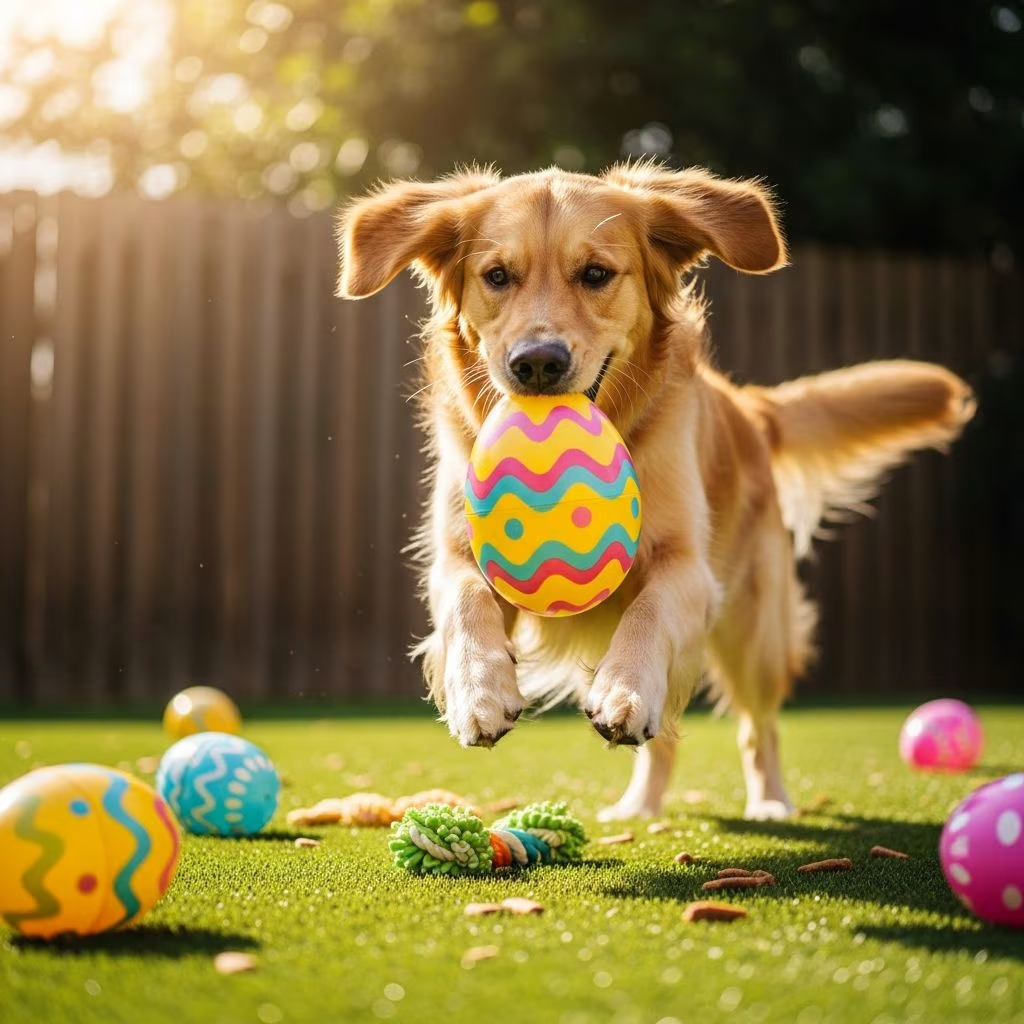
DIY Easter Egg Hunt Games for Dogs: A Complete Guide
Easter is a wonderful opportunity to celebrate with your family, and your furry companion shouldn’t miss out on the festivities. A DIY Easter egg hunt specifically designed for dogs offers an exciting way to engage your pet, provide mental stimulation, and create lasting memories together. Unlike traditional Easter egg hunts designed for children, a dog-focused version requires careful planning to ensure safety while maximizing fun and enrichment. This guide will walk you through everything you need to know to create an engaging and secure Easter experience for your canine friend.
Understanding the Benefits of Easter Egg Hunts for Dogs
Easter egg hunts provide far more than just entertainment for your dog. These activities serve as powerful enrichment tools that stimulate your pet’s natural instincts. Dogs are natural scavengers with an incredible sense of smell—approximately 10,000 to 100,000 times more sensitive than humans—making nose work games an ideal form of mental exercise. An Easter egg hunt taps into these instincts while providing:
– Physical exercise through exploration and movement- Mental stimulation through problem-solving and scent detection- Bonding opportunities between you and your pet- A fun way to celebrate holidays with your furry family member- Positive reinforcement training opportunities
Choosing Dog-Safe Easter “Eggs”
The foundation of a safe dog Easter egg hunt starts with selecting appropriate containers for treats. This is perhaps the most critical safety consideration, as improper choices can lead to serious health complications.
Avoid Plastic Eggs
Traditional plastic Easter eggs, commonly used in human egg hunts, are absolutely not suitable for dogs. While they might seem convenient, plastic eggs pose significant risks to canine health. Dogs may attempt to chew through plastic eggs, creating sharp shards that can cause intestinal blockages, perforations, or other internal injuries. Even if a dog swallows small plastic pieces, they can accumulate in the digestive tract and require emergency veterinary intervention. For these reasons, plastic eggs should be completely eliminated from any dog-centered Easter celebration.
Ideal Dog-Safe Options
Instead of traditional plastic eggs, consider these safe alternatives that maintain the spirit of an egg hunt while protecting your dog’s health:
– Rubber toys: Hollow rubber toys designed for dogs provide safe, durable containers for treats. These toys are specifically manufactured to withstand chewing and are non-toxic.- Kong toys: These versatile rubber toys can be filled with treats and are highly durable and designed for canine use.- Silicone muffin cups: Food-grade silicone cups can hold treats and are soft enough that even vigorous chewing won’t cause harm.- Paper or cardboard: Plain cardboard tubes or paper bags can be filled with treats and are entirely digestible.- Cloth pouches: Small fabric bags can contain treats and are often appreciated by dogs who enjoy the texture.- Natural items: Hollowed-out vegetables like bell peppers or zucchini can hold treats and provide additional nutritional value.
Selecting the Perfect Hunt Location
The environment where you conduct the egg hunt plays a crucial role in both safety and enjoyment. A well-prepared space prevents accidents and allows your dog to focus on the game.
Indoor vs. Outdoor Hunts
Both indoor and outdoor locations can work well for dog Easter egg hunts, each offering distinct advantages:
| Aspect | Indoor Hunt | Outdoor Hunt ||——–|————-|—————|| Weather control | Unaffected by rain or cold | Weather dependent || Space | Limited but controlled | Larger exploration area || Distraction level | Fewer external distractions | More environmental stimuli || Escape risk | Lower (enclosed space) | Higher (potential to leave yard) || Cleanup | Easier with contained area | More spread out || Duration | Can be shorter, more intensive | Can be longer and more exploratory |
Preparation and Safety Checks
Regardless of your chosen location, thorough preparation is essential. Before beginning the hunt, conduct a comprehensive sweep of the area:
– Remove all plastic Easter eggs and decorative plastic items that could pose choking hazards- Clear away Easter grass, which can cause intestinal blockages if ingested- Eliminate any chocolate, candy, or human treats that might be lying around- Check for small decorations that could be swallowed- Ensure there are no toxic plants, substances, or hazards within reach- Verify that the area is securely fenced if outdoors- Remove any sharp objects, broken items, or debris- Check that escape routes are sealed
Using Scented Treats for Maximum Engagement
Dogs experience the world primarily through their sense of smell, making aromatic treats the perfect choice for an Easter egg hunt. The stronger and more appealing the scent, the more enthusiastically your dog will participate.
Best Treat Options
Choose treats with potent, appealing aromas that will excite your dog’s hunting instincts:
– Cheese pieces: Small cubes of cheddar or other aromatic cheeses are irresistible to most dogs- Cooked chicken: Plain, unseasoned chicken pieces are nutritious and fragrant- Dog biscuits: Your pup’s favorite commercial dog treats work well- Peanut butter: A small amount of dog-safe peanut butter (xylitol-free) is highly motivating- Training treats: Small, smelly training treats designed for positive reinforcement- Dried liver: Extremely aromatic and highly prized by dogs- Fish-based treats: Salmon or other fish treats have a strong scent appeal
Portion Control Considerations
While treats are motivating, it’s important to maintain appropriate portion sizes. Use small treat pieces so your dog can find multiple eggs without consuming excessive calories. This approach also extends the hunt duration and provides more opportunities for mental stimulation. Remember to account for Easter hunt treats in your dog’s daily caloric intake to prevent overfeeding.
Setting Up Your Easter Egg Hunt
Proper setup ensures a successful and enjoyable hunt that matches your dog’s skill level and experience.
Starting Simple
For dogs new to egg hunts, begin with an easy setup. Place dog-safe eggs in obvious, easily accessible locations where your dog can quickly locate them. This initial phase builds confidence and teaches your dog the basic concept: search for eggs, find treats, receive praise. Early success encourages continued participation and helps your dog understand what’s expected.
Progressive Difficulty
As your dog becomes more experienced with Easter egg hunts, gradually increase the challenge. Hide eggs in less obvious locations, under blankets, behind furniture, or in bushes. You can also reduce the number of visible eggs and hide them completely, requiring your dog to use their nose work skills more intensively. This progression keeps the activity engaging and provides ongoing mental stimulation.
Guiding Your Dog Through the Hunt
Your role during the Easter egg hunt extends beyond simply hiding treats. Active participation enhances the experience and ensures your dog’s success.
Starting the Hunt
Some dogs naturally understand the concept of searching for hidden treats, while others may need encouragement. Help your dog get started by:
– Using a release command like “Find it!” or “Search!”- Pointing toward egg locations to provide initial guidance- Standing near hidden eggs to direct attention- Using excited, encouraging verbal cues- Demonstrating the game by pretending to search yourself
Positive Reinforcement During the Hunt
As your dog discovers each egg, provide enthusiastic praise, verbal encouragement, and celebration. This positive reinforcement strengthens the association between searching and reward, making future hunts even more exciting. Your excited reaction motivates your dog to continue searching with greater enthusiasm.
Providing Helpful Clues
If your dog struggles to locate a hidden egg, offer subtle guidance. Stand near the egg location, use directional words like “look down” or “check over there,” or gently nudge your dog in the right direction. This guidance prevents frustration while still allowing your dog to experience the satisfaction of discovery.
Essential Easter Safety Considerations for Dogs
While Easter egg hunts are fun, pet safety must always remain the top priority. Several common Easter items pose serious health risks to dogs.
Toxic Foods to Absolutely Avoid
Chocolate is one of the most dangerous Easter treats for dogs. Theobromine and caffeine found in chocolate can cause serious toxicity, with symptoms including vomiting, diarrhea, rapid heartbeat, tremors, and even seizures. The risk increases with darker chocolate varieties. Never allow your dog access to chocolate treats or decorations.
Xylitol, an artificial sweetener commonly found in sugar-free candies and baked goods, is extremely toxic to dogs even in small quantities. This sweetener can cause rapid insulin release, leading to severe hypoglycemia, liver damage, and potentially death. Always check ingredient lists and keep all candy away from your dog.
Other dangerous Easter foods include grapes, raisins, onions, and fatty ham. Keep all human holiday treats completely separated from your dog’s Easter egg hunt area.
Choking Hazards and Decorations
Easter grass, a traditional decoration found in Easter baskets, is a significant choking and blockage hazard for dogs. This stringy material can cause intestinal obstructions requiring emergency surgery. Similarly, small decorative items, plastic eggs, and Easter-themed toys should be kept far away from your dog during celebrations. Before beginning the hunt, thoroughly inspect the area and remove all potentially dangerous items.
Constant Supervision During the Hunt
Even with careful preparation, accidents can happen. Maintain constant supervision throughout the Easter egg hunt. Watch your dog carefully to ensure they don’t eat anything inappropriate. Despite your best efforts, a stray plastic egg or candy wrapper might escape your initial cleanup sweep. Your vigilant presence allows you to immediately address any potential problems before they become serious health issues.
Making Your Easter Egg Hunt Memorable
Beyond the basic hunt structure, several elements can enhance the overall experience and make the event more special for your dog.
Photography and Video
Capture your dog’s enthusiasm and excitement during the hunt. These memories provide lasting reminders of fun times spent together and make wonderful content for sharing with family and friends. Many dogs become increasingly enthusiastic over multiple hunts, providing opportunities to document their growing skills and confidence.
Varying the Format
Repeat Easter egg hunts throughout the year during spring celebrations, and vary the format to maintain novelty and excitement. Change locations, alter difficulty levels, use different treat types, or adjust the number of eggs hidden. These variations keep the activity fresh and engaging.
Combining with Other Dog-Friendly Activities
Pair the Easter egg hunt with other spring activities your dog enjoys. A morning hunt might be followed by a trip to a dog-friendly park, a play session with other dogs, or a special dog-friendly meal. This holistic approach to celebration makes the holiday special and memorable.
Frequently Asked Questions About Dog Easter Egg Hunts
Q: What age should my dog be to participate in an Easter egg hunt?
A: Most dogs can participate in a basic Easter egg hunt from puppyhood, though the difficulty level should match their developmental stage. Puppies may need simpler hunts with fewer eggs and easier hiding spots, while adult dogs can handle more challenging setups. Senior dogs can also enjoy hunts adjusted to their physical capabilities.
Q: Can I use regular plastic Easter eggs if I supervise closely?
A: No. Even with close supervision, plastic eggs pose too great a risk. Dogs can quickly swallow pieces or suffer intestinal damage. It’s simply not worth the potential for serious health complications. Stick with dog-safe alternatives designed to withstand chewing.
Q: How long should an Easter egg hunt last?
A: The ideal duration depends on your dog’s age, fitness level, and interest. Most hunts last between 10 and 30 minutes. Watch for signs of fatigue or loss of interest, and end on a positive note before your dog becomes bored or tired.
Q: Can multiple dogs participate in one egg hunt together?
A: Yes, multiple dogs can hunt together, but monitor interactions carefully. Some dogs may become competitive or territorial. Ensure each dog has adequate access to eggs and prevent one dog from monopolizing all the treats. Separate hunts might be better if dogs have significant size or personality differences.
Q: What if my dog doesn’t seem interested in the Easter egg hunt?
A: Not all dogs are naturally motivated by scent games. Try using higher-value treats, providing more obvious hiding spots, and offering enthusiastic encouragement. If your dog remains uninterested, don’t force participation. Instead, focus on other enrichment activities your dog genuinely enjoys.
Q: Should I hide eggs both indoors and outdoors?
A: You can do both if you’d like to extend the celebration, but ensure each location is thoroughly prepared and checked for safety. An indoor hunt followed by an outdoor hunt provides variety and additional enrichment throughout the day.
Conclusion: Creating Safe Easter Celebrations for Your Dog
A DIY Easter egg hunt designed specifically for your dog transforms the holiday into a special, engaging celebration that provides mental stimulation, physical exercise, and quality bonding time. By selecting dog-safe eggs, using aromatic treats, preparing a secure location, and maintaining constant supervision, you create a fun experience that protects your pet’s health while delivering genuine enjoyment. The effort you invest in proper setup and execution creates lasting memories and demonstrates your commitment to your dog’s wellbeing and happiness. This Easter, give your furry companion the gift of a specially designed celebration that acknowledges their place as a valued family member.
References
- Easter Egg Hunts for Dogs: How to Make It Fun and Safe — Beverly Hills Veterinary Associates. 2024. https://www.beverlyhillsvets.com/blog/easter-egg-hunts-for-dogs-how-to-make-it-fun-and-safe/
- Chocolate Toxicity in Dogs — American Veterinary Medical Association (AVMA). 2024. https://www.avma.org/resources/animal-health-and-welfare/chocolate-toxicity
- Xylitol Toxicity in Dogs — Pet Poison Helpline. 2024. https://www.petpoisonhelpline.com/poison/xylitol/
- Easter Egg Hunt for Dogs: Springtime Scent Games With Plastic Eggs — American Kennel Club (AKC). 2024. https://www.akc.org/expert-advice/lifestyle/springtime-plastic-egg-hunts-for-dogs/
- Dog Enrichment Idea: Dog Easter Egg Hunt — Sparkles and Sunshine Blog. 2024. https://sparklesandsunshineblog.com/dog-enrichment-idea-dog-easter-egg-hunt/



