

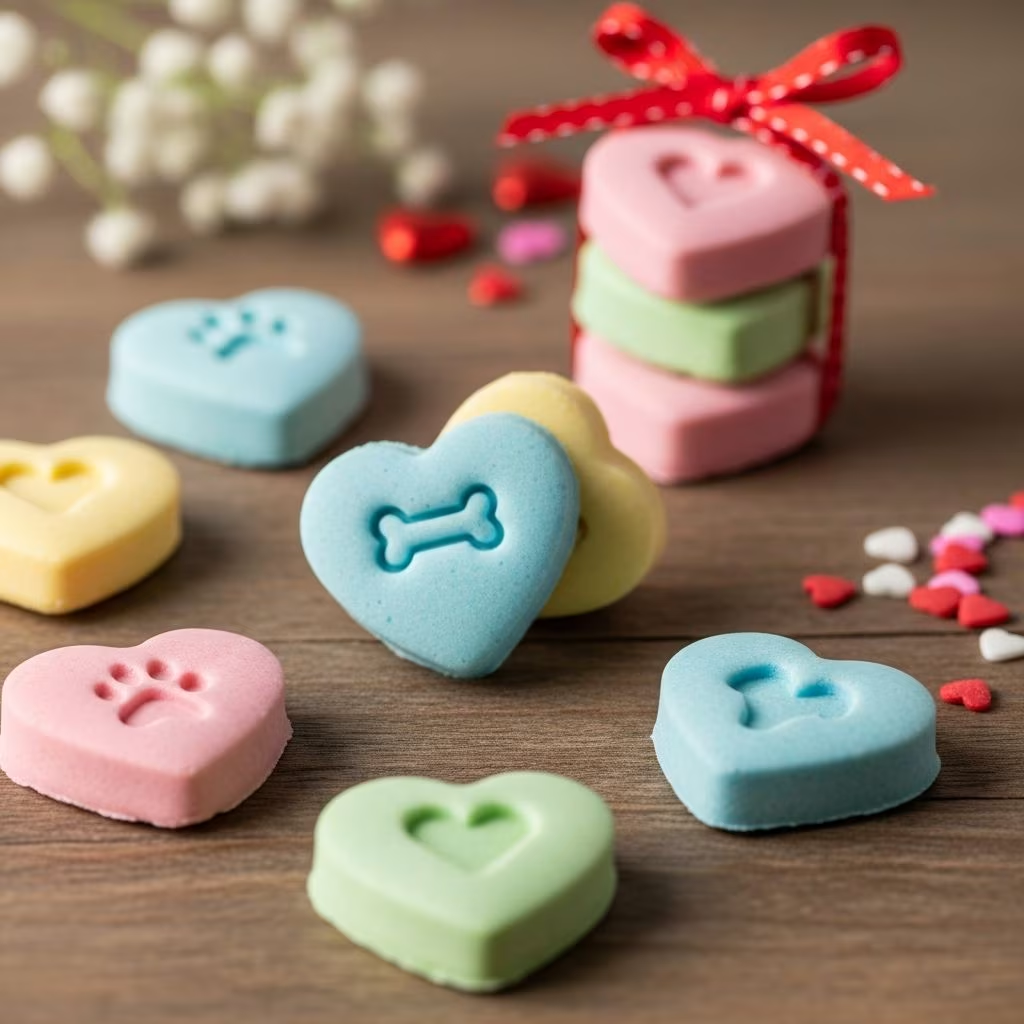
DIY Dog Treats: Valentine’s Day Conversation Hearts
Valentine’s Day is a perfect opportunity to show your furry best friend just how much you care. Instead of reaching for store-bought treats that may contain questionable ingredients, why not create something special and wholesome yourself? Homemade dog treats decorated with words of love make the perfect Valentine’s Day gift for your beloved pup. This comprehensive guide will walk you through creating adorable, colorful conversation heart dog treats using fresh fruits, vegetables, and dog-safe spices that your canine companion will absolutely adore.
Why Homemade Dog Treats Are Better for Your Pet
Making dog treats at home gives you complete control over the ingredients that go into your pet’s mouth. Commercial dog treats often contain preservatives, artificial colors, and fillers that may not be ideal for your dog’s health. When you prepare treats yourself, you know exactly what your dog is consuming. Fresh fruits and vegetables provide natural nutrients, vitamins, and minerals that support your dog’s overall wellness. Additionally, homemade treats allow you to cater to your dog’s specific dietary needs and preferences, whether they have sensitivities to certain ingredients or simply prefer particular flavors.
What You’ll Need: Complete Ingredient List
Before you begin your dog treat baking adventure, gather all necessary ingredients. This recipe yields 24 adorable heart-shaped treats that are perfect for sharing with your pup throughout the week or giving to fellow dog-loving friends.
Cookie Base Ingredients
The foundation of these treats consists of simple, dog-friendly ingredients:
– 1 cup all-purpose flour- 2 large eggs- 1 tablespoon of all-natural peanut butter (xylitol-free)- 1 teaspoon of salt
Frosting Ingredients for Vibrant Colors
The frosting is where the magic happens. Using natural ingredients creates beautiful colors without artificial dyes:
– ½ cup tapioca starch- ½ cup plain yogurt- 2 tablespoons whole milk- 1 tablespoon fresh blueberries (for purple frosting)- ½ cup fresh spinach (for green frosting)- 1 can of beets, drained (for pink frosting)- 1 tablespoon turmeric powder (for yellow frosting)
Essential Supplies and Equipment
Having the right tools makes the treat-making process smooth and enjoyable. Here’s what you’ll need to have on hand:
– 1 high-powered blender- 7 mixing bowls (5 small and 2 large)- Mixing spoons and whisks- 1 heart-shaped cookie cutter- 1 baking sheet lined with parchment paper- 1 rolling pin- 1 piping bag or plastic sandwich bag- 1 mortar and pestle (optional but helpful)
Time Breakdown: Planning Your Baking Session
Understanding how long each phase takes helps you plan your baking day effectively:
| Time Component | Duration ||—|—|| Preparation Time | 15 minutes || Baking Time | 8-10 minutes || Cooling Time | 10 minutes || Frosting Application | 12 minutes || **Total Time** | **55 minutes** |
This recipe yields 24 dog treats with a serving size of 1 treat per serving. The entire process is designed to be manageable for any home baker, whether you’re a seasoned pet treat creator or trying this for the first time.
Step-by-Step Instructions: Creating the Perfect Cookies
Preparing Your Oven and Workspace
Begin by preheating your oven to 350°F. This temperature ensures that your treats bake evenly without burning. While the oven preheats, prepare your workspace by clearing a clean surface where you can roll out your dough.
Making the Cookie Dough
In a large mixing bowl, combine your flour, salt, eggs, and all-natural peanut butter. Mix these ingredients together until you achieve a smooth, well-incorporated mixture. The dough should come together easily without being too wet or too dry.
Shaping the Dough
Using your hands, shape the mixed dough into a ball. This tactile step helps distribute the ingredients evenly throughout. Once formed into a ball, place the dough onto a lightly floured work surface. Using your rolling pin, flatten the dough to approximately ⅛-inch thickness. This thickness is crucial as it ensures your treats bake through properly while maintaining a slightly chewy texture.
Creating Heart Shapes
Using your heart-shaped cookie cutter, cut out 24 heart shapes from the flattened dough. Place each heart-shaped cookie on your prepared baking sheet, spacing them about 1 inch apart to allow for any slight expansion during baking. This spacing prevents the treats from touching and sticking together.
Baking the Cookies
Transfer your baking sheet to the preheated 350°F oven and bake for 8-10 minutes. The exact time may vary slightly depending on your oven. Watch for the cookies to become firm but still slightly golden. Once finished, remove the baking sheet from the oven and allow the cookies to cool for approximately 10 minutes before frosting. This cooling period prevents the frosting from melting and ensures it adheres properly to the cookies.
Creating the Perfect Frosting
Preparing the Base Frosting
While your cookies are baking, prepare the frosting base. In a large mixing bowl, combine tapioca starch and plain yogurt, stirring until the mixture becomes creamy. The tapioca starch acts as a thickening agent while the yogurt provides a dog-safe base. Add 2 tablespoons of milk and stir well. This creates a consistency that’s easy to work with and will hold the natural color pigments from your fruits and vegetables.
Dividing and Coloring the Frosting
Divide the frosting base equally among 5 small bowls. Each bowl will become a different color, creating a rainbow of frosting options for your conversation hearts.
Purple Frosting Creation
For the first bowl, add fresh blueberries. You can either run them through your blender or mash them using a mortar and pestle to release their natural juice. Once blended into a smooth consistency, add the blueberry mixture to one bowl of the base frosting. Mix thoroughly until well blended. If the frosting seems too thin, add additional tapioca starch gradually until you reach your desired consistency.
Green Frosting Creation
For the second bowl, prepare fresh spinach by boiling it briefly and then draining it thoroughly to remove excess water. Add the cooked spinach and 1 tablespoon of water to your blender and blend until you achieve a consistent puree. Pour this green mixture into the second frosting bowl and mix until fully incorporated. Again, adjust the consistency with additional tapioca starch if needed.
Pink Frosting Creation
The third bowl gets its beautiful pink hue from beets. Add 1 tablespoon of beet juice directly from the can to the frosting. Mix thoroughly until the pink color distributes evenly throughout. This creates a lovely rose-pink shade that’s perfect for Valentine’s Day treats.
Yellow Frosting Creation
For the fourth bowl, add 1 tablespoon of turmeric powder to the frosting base. Turmeric not only provides a warm yellow color but also offers anti-inflammatory properties beneficial for your dog’s health. Mix until the color is evenly distributed and smooth.
White Frosting Option
The fifth bowl remains as the plain frosting base, creating a beautiful white option for your treats. This provides variety and allows you to create multi-colored designs.
Decorating and Personalizing Your Treats
Once your cookies have cooled and your frostings are ready, it’s time for the creative part. Use a piping bag or a repurposed plastic sandwich bag (with a small corner cut off) to pipe messages onto your heart-shaped treats. You can write dog-themed messages like “Ruff Love,” “Paws & Love,” or simply draw decorative patterns using the different colored frostings.
Storage and Shelf Life
These homemade dog treats can be stored in an airtight container in the refrigerator for up to one week. For longer storage, freeze the treats in freezer-safe containers for up to three months. This flexibility allows you to batch-prepare treats and have them ready whenever you want to reward your furry friend. Simply thaw frozen treats at room temperature before serving.
Nutritional Considerations
Each ingredient in this recipe has been carefully selected for its safety and nutritional value for dogs. Eggs provide protein and essential amino acids, peanut butter offers healthy fats and protein (ensure it’s xylitol-free, as xylitol is toxic to dogs), and the fruits and vegetables provide vitamins, minerals, and fiber. Tapioca starch is a safe thickening agent that’s easily digestible for most dogs. These treats serve as healthy alternatives to commercial dog treats, though they should still be given in moderation as part of a balanced diet.
Customization Ideas and Variations
Feel free to adapt this recipe based on your dog’s preferences and dietary needs. You can substitute the plain yogurt with Greek yogurt for added protein. If your dog has grain sensitivities, replace the wheat flour with rice flour or oat flour. Some dogs may prefer different fruit and vegetable combinations, so experiment with dog-safe options like carrots, sweet potatoes, or apples. Always research ingredients before adding them to ensure they’re safe for canine consumption.
Frequently Asked Questions
Q: Are these treats safe for all dogs?
A: While these treats use dog-safe ingredients, always check with your veterinarian before introducing new foods to your dog’s diet, especially if your dog has known food sensitivities or health conditions. Start with small quantities to ensure your dog tolerates the ingredients well.
Q: Can I make these treats nut-free?
A: Yes, you can omit the peanut butter and add an extra egg or a bit more milk to maintain proper dough consistency. Alternatively, use sunflower seed butter as a nut-free peanut butter substitute.
Q: What if my dog doesn’t like certain vegetables?
A: You have flexibility with the frosting colors. Skip vegetables your dog dislikes and focus on fruits they enjoy, or experiment with other dog-safe options like carrots or sweet potatoes for different color variations.
Q: How many treats can my dog have per day?
A: Treats should comprise no more than 10% of your dog’s daily caloric intake. The number of treats depends on your dog’s size, age, and overall diet. Consult your veterinarian for specific recommendations based on your individual dog.
Q: Can I use food coloring instead of natural ingredients?
A: While dog-safe food coloring exists, using natural ingredients is preferable as it adds nutritional value. If you choose to use food coloring, ensure it’s specifically formulated as pet-safe and use sparingly.
Q: How long do these treats last once made?
A: Refrigerated treats last up to one week in an airtight container. For longer storage, freeze them for up to three months. Always check treats for any signs of mold or spoilage before serving.
References
- ASPCA Animal Poison Control Center — American Society for the Prevention of Cruelty to Animals. Accessed 2025. https://www.aspca.org/pet-care/animal-poison-control
- Nutritional Guidelines for Complete and Balanced Diets for Dogs and Cats — Association of American Feed Control Officials (AAFCO). 2024. https://www.aafco.org
- Dog Nutrition and Health — UC Davis School of Veterinary Medicine. 2024. https://www.vetmed.ucdavis.edu
- Safe Foods for Dogs — American Kennel Club. 2024. https://www.akc.org
- Canine Dietary Requirements and Food Safety — Veterinary Information Network. 2024. https://www.vin.com



