

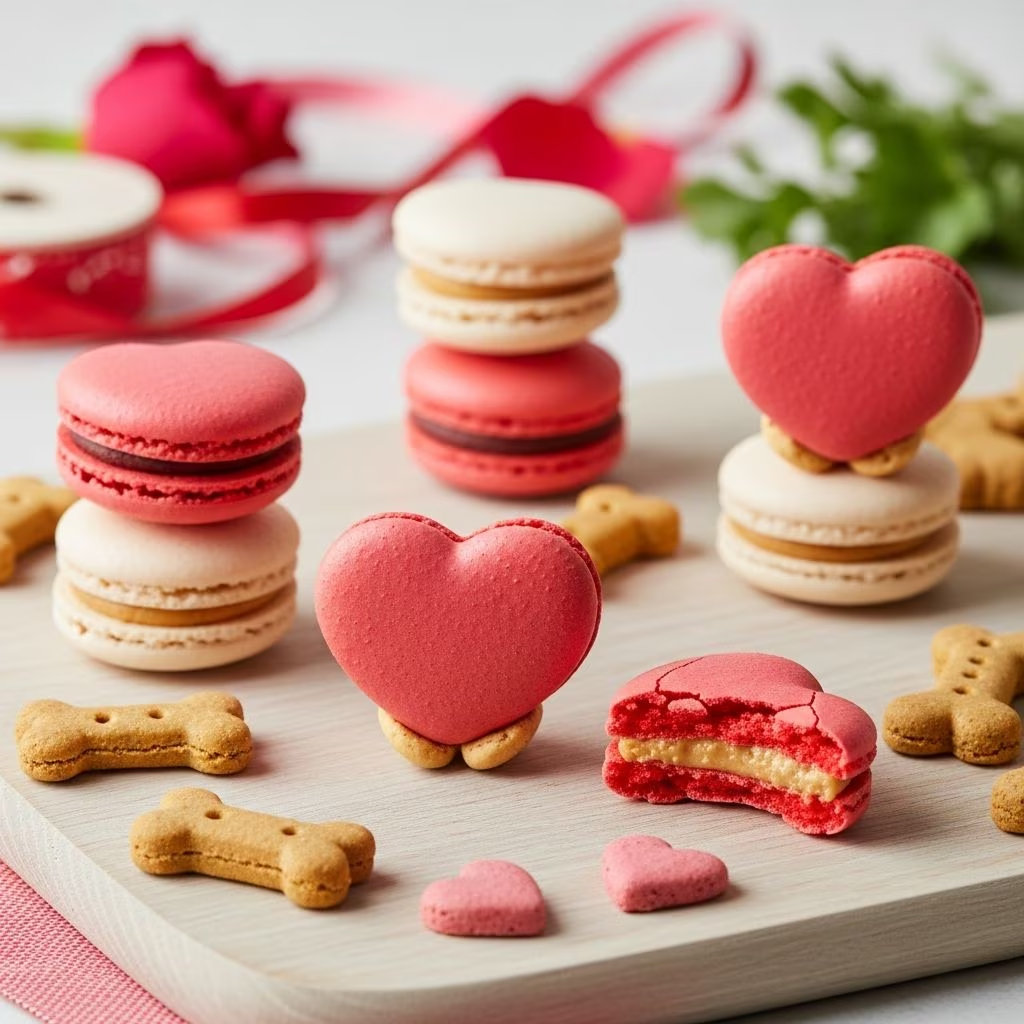
DIY Dog Treat: Valentine’s Day Macarons for Dogs
Valentine’s Day is the perfect occasion to show your furry friend some extra love and affection. While store-bought dog treats are convenient, creating homemade treats allows you to control exactly what your dog consumes and ensure every ingredient is safe and nutritious. One delightful way to celebrate the season of love with your pup is by making adorable Valentine’s Day macarons specifically designed for canine enjoyment.
Unlike traditional French macarons that rely on refined sugars and other ingredients unsuitable for dogs, dog-friendly macarons swap out unhealthy components and replace them with dog-safe alternatives like peanut butter and chicken broth. This thoughtful approach ensures your dog can enjoy a special treat without compromising their health and wellbeing.
Why Make Homemade Dog Treats?
Creating homemade dog treats offers numerous advantages over commercially produced options. When you prepare treats in your own kitchen, you have complete transparency regarding ingredient sourcing and quality. Many commercial dog treats contain fillers, artificial preservatives, and potentially harmful additives that can negatively impact your dog’s digestive system and overall health.
Homemade treats also allow for customization based on your dog’s specific dietary needs and preferences. Whether your dog requires grain-free options, has food sensitivities, or simply prefers certain flavors, you can tailor recipes accordingly. Additionally, making treats at home is often more economical than purchasing premium artisanal dog treats, especially when preparing them in batches for future use.
The bonding experience of creating treats for your beloved pet adds emotional value beyond the nutritional benefits. Your dog will sense the care and effort you’ve invested in their special snack.
Understanding Dog-Friendly Macaron Ingredients
Creating safe and delicious macarons for your dog requires careful ingredient selection. The foundation of these treats differs significantly from traditional human macarons because dogs have different nutritional requirements and sensitivities.
Peanut Butter: A Canine Favorite
Peanut butter serves as an excellent base ingredient for dog macarons, provided it doesn’t contain xylitol, a sugar substitute that is toxic to dogs. Natural, unsweetened peanut butter is the ideal choice. Peanut butter provides protein, healthy fats, and a flavor that most dogs adore. When selecting peanut butter for your dog treats, read labels carefully to confirm it contains only peanuts and perhaps a small amount of salt.
Chicken Broth: Savory Substitution
Instead of using powdered sugar and other refined sweeteners unsuitable for dogs, chicken broth replaces these ingredients to provide flavor and moisture. Low-sodium chicken broth is essential to protect your dog’s cardiovascular health. This ingredient adds savory depth to the macarons while maintaining their appealing texture.
Flour and Binding Agents
Dog-friendly macarons typically use whole wheat flour or specialized dog treat flour blends that provide nutrition without harmful additives. Some recipes incorporate oat flour for additional fiber and digestive benefits. Eggs serve as a natural binder, helping all ingredients hold together while adding protein and richness.
Honey: Natural Sweetness in Moderation
Raw or pasteurized honey can be added in small quantities to enhance flavor and provide trace nutrients. However, honey should be used sparingly and never given to puppies under one year old due to botulism risks. Always verify that honey hasn’t been heated excessively, as this can destroy beneficial enzymes.
Essential Equipment and Preparation
Before beginning your macaron-making adventure, gather necessary equipment to ensure success. A stand mixer significantly eases the mixing process, though a handheld mixer or vigorous hand mixing can work in a pinch. You’ll need mixing bowls, measuring cups and spoons for precise ingredient quantities, and baking sheets lined with parchment paper or silicone baking mats to prevent sticking.
A piping bag with small to medium round tips creates the characteristic macaron shape, though you can also use a small cookie cutter for circular forms. A wire cooling rack allows air circulation beneath baked macarons, preventing soggy bottoms. Optional decorating supplies like a toothpick for popping air bubbles and small spatulas for frosting between shells complete your toolkit.
Prepare your workspace by ensuring clean surfaces, and preheat your oven according to recipe specifications. Organization prevents mistakes and makes the baking process more enjoyable.
Step-by-Step Recipe Guide
Ingredients You’ll Need
For the macaron shells:
- 1 1/4 cups whole wheat flour
- 1/2 teaspoon baking powder
- 1/2 cup natural peanut butter
- 1 large egg
- 2 tablespoons honey
- 1/2 cup low-sodium chicken broth
For the filling:
- Additional peanut butter or dog-safe frosting
- Optional: cream cheese or plain yogurt for variety
Preparation Instructions
Step 1: Preheat Your Oven
Begin by preheating your oven to 350°F. This ensures even baking and proper texture development throughout your macarons.
Step 2: Combine Dry Ingredients
In a large mixing bowl, whisk together flour and baking powder. This distributes the baking powder evenly throughout the dry mixture, ensuring consistent rise during baking.
Step 3: Mix Wet Ingredients
In the bowl of your stand mixer or a separate large bowl, combine peanut butter, egg, honey, and chicken broth. Beat on medium speed until ingredients are thoroughly combined and a smooth, thick dough forms. The mixture should resemble thick cookie dough.
Step 4: Combine and Knead
Gradually add dry ingredients to wet ingredients while mixing on low speed. Continue mixing until a soft, consistent dough forms without visible flour streaks. Be careful not to overmix, as this can result in tough, dense treats.
Step 5: Prepare for Shaping
Lightly dust your work surface with flour. Transfer your dough onto this surface and gently pat it into a rectangle approximately 1/2 inch thick. Consistency in thickness ensures even baking.
Step 6: Cut into Shapes
Using a small cookie cutter, cut circles from your dough. You can choose traditional round shapes or search for heart-shaped cutters perfect for Valentine’s Day. Place shaped macarons on parchment-lined baking sheets, spacing them about one inch apart to allow for air circulation.
Step 7: Bake to Perfection
Bake macarons for 10-15 minutes until they achieve a light golden color and are firm to the touch. Baking time varies depending on oven characteristics and treat thickness. Begin checking around the 10-minute mark to prevent over-baking.
Step 8: Cool Thoroughly
Transfer cooled macarons to a wire rack and allow them to cool completely. This prevents the filling from melting and maintains structural integrity.
Step 9: Create the Sandwich
Once completely cooled, spread a thin layer of peanut butter or your chosen filling on the flat side of one macaron. Press another macaron flat-side down onto the filling, creating a sandwich. Gentle pressure ensures good adhesion without crushing the delicate treats.
Storage and Shelf Life
Proper storage extends the life of your homemade dog macarons significantly. Place completely cooled macarons in an airtight container or resealable Ziploc bag and store in the refrigerator. This cool environment slows bacterial growth and prevents filling from spoiling. Refrigerated macarons remain fresh for approximately one to two weeks.
For longer-term storage, you can freeze macarons in freezer-safe containers for up to three months. Thaw frozen treats at room temperature before serving, allowing 30-60 minutes depending on treat size. Individual vacuum-sealed portions make it easy to thaw only what you need.
Always inspect macarons before serving. Discard any treats showing signs of mold, off-colors, or unpleasant odors. Your dog’s safety depends on maintaining proper storage practices and food hygiene standards.
Serving Suggestions and Portion Control
While these macarons are made with dog-safe ingredients, moderation remains important. Treats should constitute no more than 10 percent of your dog’s daily caloric intake, with the remaining 90 percent coming from balanced, complete dog food. For average-sized dogs, one to two macarons per day serves as an appropriate treat portion.
Serve macarons as special rewards during training sessions, as a token of affection, or as part of your Valentine’s Day celebration. The novelty and special presentation make these treats extra meaningful for your beloved companion.
Always monitor your dog after introducing new treats to ensure no adverse digestive reactions occur. Some dogs have sensitive stomachs and may need gradual introductions to new foods.
Customizing Your Macarons
Flavor Variations
While peanut butter macarons are classic, you can experiment with other dog-safe flavors. Apple and cinnamon create a mild, pleasant combination that many dogs enjoy. Banana mixed with a small amount of peanut butter offers a different flavor profile. Pumpkin puree adds both flavor and fiber, making these treats beneficial for digestive health.
Texture Adjustments
If your macarons seem too dry, add a tablespoon of chicken broth or water to the mixture. Conversely, if the dough appears too moist, incorporate additional flour gradually until reaching the desired consistency. The dough should hold together when squeezed but not be sticky.
Decorative Elements
While dogs don’t appreciate decorations the way humans do, you can add visual appeal with dog-safe toppers before baking. A few oats pressed gently into the dough surface add rustic charm without affecting taste or safety.
Safety Considerations and Ingredients to Avoid
Certain ingredients pose serious health risks to dogs and must never be included in homemade treats. Chocolate contains theobromine, which dogs cannot metabolize efficiently, making even small quantities dangerous. Xylitol, found in many sugar-free products and some peanut butters, causes rapid insulin release and dangerous blood sugar crashes in dogs.
Grapes, raisins, onions, and garlic are toxic to dogs in various quantities. Macadamia nuts and avocado also present health hazards. Always verify that every ingredient you use is explicitly dog-safe before incorporating it into your recipe.
When purchasing prepared ingredients like peanut butter or chicken broth, read labels thoroughly. Some brands add ingredients dogs shouldn’t consume. Natural, minimally processed options provide the safest choice for your dog’s health.
Frequently Asked Questions
Q: Can I make these treats without a stand mixer?
A: Yes, absolutely. While a stand mixer makes the process easier, you can combine ingredients using a handheld mixer or even mix by hand with vigorous stirring. The process takes longer, but results remain equally delicious.
Q: Are these treats suitable for dogs with grain allergies?
A: Traditional recipes use whole wheat flour, but you can substitute with grain-free options like almond flour, coconut flour, or chickpea flour. Adjust liquid quantities accordingly, as different flours absorb moisture differently.
Q: How do I know if my dog has a peanut butter allergy?
A: True peanut allergies in dogs are rare, but sensitivities can occur. Watch for itching, gastrointestinal upset, or respiratory symptoms after consumption. Consult your veterinarian if you notice any concerning reactions.
Q: Can I use creamy or crunchy peanut butter?
A: Either works fine, though creamy peanut butter creates a smoother dough. Crunchy versions add interesting texture variation that some dogs enjoy.
Q: What’s the best way to introduce these treats to my dog?
A: Start with small portions to ensure your dog’s digestive system tolerates the new ingredients well. Gradually increase serving size over several days if no adverse reactions occur.
Q: Can I prepare a large batch and freeze portions?
A: Yes, freezing is an excellent option for meal prep. Prepare multiple batches and freeze in airtight containers for up to three months, thawing portions as needed.
Conclusion
Creating homemade Valentine’s Day macarons for your dog combines creativity, care, and culinary skill into edible expressions of affection. By using dog-safe ingredients like peanut butter, chicken broth, and whole grains, you provide your furry companion with treats that taste delicious and support their health simultaneously. The process itself becomes a meaningful bonding experience, allowing you to demonstrate your devotion through thoughtful pet care. Whether you’re celebrating a special occasion or simply want to pamper your pup, these homemade macarons offer a perfect solution that your dog will undoubtedly appreciate with tail wags and enthusiastic enjoyment.
References
- Peanut Butter Dog Treat Macarons Recipe — Cooking With Janica. https://cookingwithjanica.com/peanut-butte-dog-treat-macarons-recipe/
- Dog Macarons with Peanut Butter Chocolate Filling (French Method) — Bites By Bianca. https://bitesbybianca.com/dog-macarons-with-peanut-butter-chocolate-filling-french-method/
- DIY Dog Treat: Valentine’s Day Macarons for Dogs — Chewy. https://www.chewy.com/education/dog/food-and-nutrition/diy-dog-treat-valentines-day-macarons-for-dogs
- American Kennel Club: Toxic Foods for Dogs — American Kennel Club. 2024. https://www.akc.org/
- Pet Nutrition Guidelines — Association of American Feed Control Officials (AAFCO). https://www.aafco.org/



