

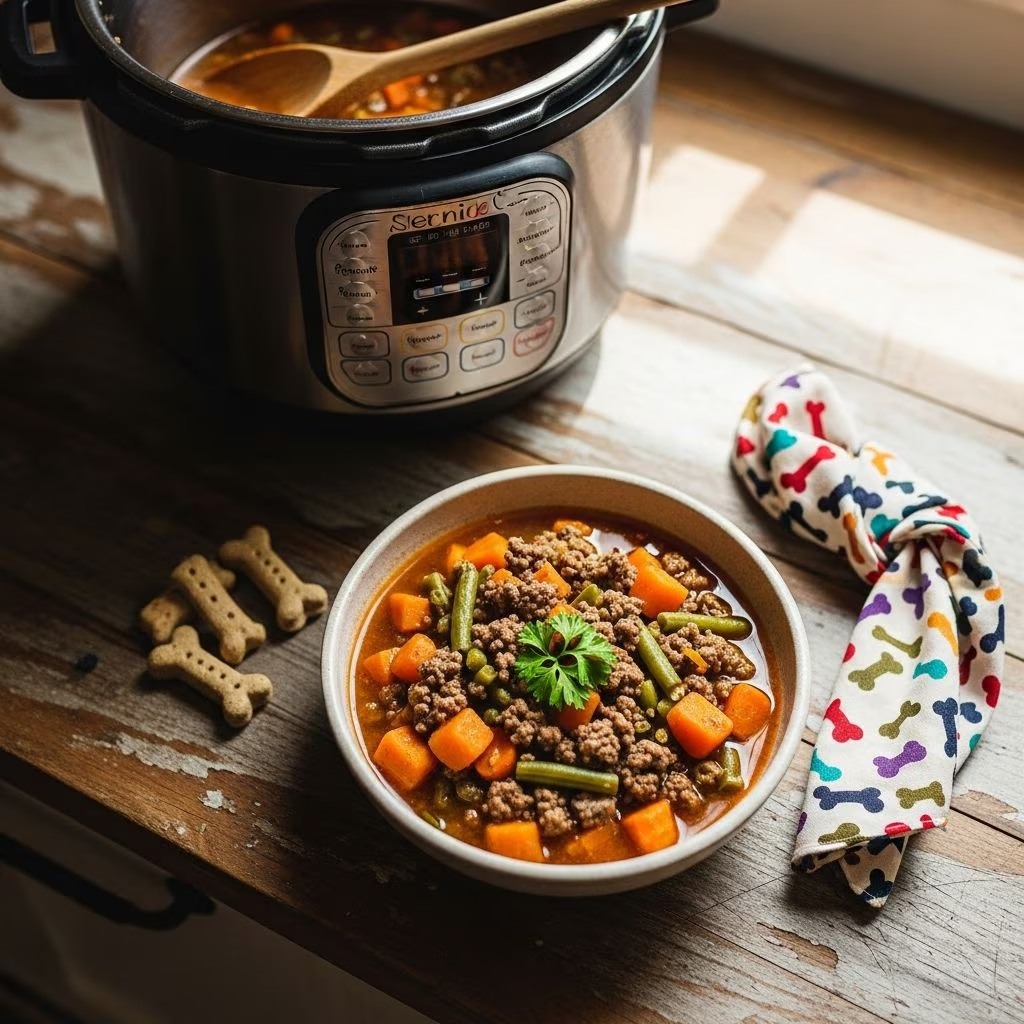
DIY Dog Treat: Instant Pot Dog-Friendly Stew Recipe
Creating homemade meals for your dog can be a rewarding way to ensure they’re eating nutritious, wholesome ingredients free from fillers and preservatives. One of the easiest methods to prepare a delicious and nutrient-packed meal for your furry companion is by using an Instant Pot to make a dog-friendly stew. This pressure cooker method combines convenience with nutrition, allowing you to prepare a week’s worth of meals in just minutes. Whether you’re looking to supplement your dog’s diet or provide them with special treats, this Instant Pot dog stew recipe is an excellent option for pet parents who want to take control of their dog’s nutrition.
Why Choose Homemade Dog Food?
Commercial dog foods, while convenient, often contain additives, preservatives, and fillers that may not align with your dog’s dietary needs. Homemade dog food allows you to select quality ingredients and control portions, making it an excellent choice for dogs with sensitive stomachs, allergies, or specific nutritional requirements. Creating meals at home also gives you the opportunity to incorporate fresh vegetables and lean proteins that mirror what dogs would naturally consume.
The Instant Pot revolutionizes homemade dog food preparation by reducing cooking time significantly. What might take an hour on the stovetop can be accomplished in under 30 minutes, making it feasible even for busy pet owners. The pressure cooking method also helps break down ingredients, making nutrients more bioavailable for your dog’s digestive system.
Essential Ingredients for Instant Pot Dog Stew
Before diving into the recipe, it’s important to understand which ingredients are safe and beneficial for your canine companion. The foundation of any good dog stew includes lean proteins, whole grains, and dog-safe vegetables.
Protein Options
The protein component is crucial for muscle development and maintenance in dogs. Ground meat serves as an ideal base for Instant Pot stew recipes. Your options include:
– Ground chicken: A lean protein that’s easy to digest and widely available- Ground turkey: Another lean option with similar nutritional benefits to chicken- Ground beef: Provides iron and B vitamins, though higher fat content makes it less ideal for weight management- Beef cuts: Tougher cuts like chuck roast become tender in the pressure cooker and add rich flavor
Carbohydrates and Grains
While dogs don’t require carbohydrates, whole grains and legumes provide essential fiber, vitamins, and minerals. Safe options for your Instant Pot dog stew include brown rice, white rice, and lentils. These ingredients also help create a hearty stew consistency that dogs find satisfying. Always rinse rice before cooking to remove excess starch and improve digestibility.
Vegetables
Vegetables add vitamins, minerals, and fiber to your dog’s diet. Safe options for Instant Pot preparation include:
– Carrots: Rich in beta-carotene and safe for dogs in appropriate portions- Green beans: Low in calories and packed with nutrients- Peas: A good source of protein and fiber- Broccoli: Contains beneficial compounds, though should be given in moderation- Cauliflower: A low-calorie option that adds volume to the stew- Pumpkin: Aids digestive health and adds natural sweetness- Sweet potatoes: Provide complex carbohydrates and beta-carotene
Always avoid toxic ingredients such as onions, garlic, grapes, raisins, chocolate, and anything containing xylitol. These items can cause serious health complications in dogs.
Basic Instant Pot Dog-Friendly Stew Recipe
Here’s a comprehensive guide to making a delicious and nutritious stew for your dog using your Instant Pot.
Ingredients
– 1-2 tablespoons coconut oil or olive oil- 1-3 pounds lean ground meat (chicken, turkey, or beef)- 1-1.5 cups brown rice or white rice, rinsed thoroughly- 1-1.5 cups low-sodium broth or water- 2-3 cups frozen mixed vegetables (carrots, green beans, peas, broccoli, cauliflower)- 1 cup canned pumpkin puree (optional, for digestive support)- Salt-free seasonings (optional, such as dog-safe herbs)
Step-by-Step Instructions
Step 1: Sauté the Meat
Turn on the Instant Pot’s sauté function and allow it to preheat for 3 minutes. Add the coconut oil or olive oil to the bottom of the insert. Once hot, add your ground meat and cook for 5-7 minutes, breaking it apart with a wooden spoon or spatula as it cooks. Continue cooking until the meat is fully browned with no pink remaining. This browning step adds depth to your stew’s flavor.
Step 2: Add Grains and Liquid
Add the rinsed rice and broth or water to the pot with the browned meat. Stir gently to combine, ensuring the rice is submerged beneath the liquid. This prevents dry rice and ensures even cooking. The liquid-to-rice ratio is crucial for proper pressure cooking results.
Step 3: Add Vegetables
Add your frozen vegetables directly to the mixture. The frozen vegetables will thaw quickly due to the heat from the cooked meat and rice. If using pumpkin puree, add it now and stir until well combined. There’s no need to thaw frozen vegetables beforehand; the pressure cooking method handles this efficiently.
Step 4: Pressure Cook
Cancel or turn off the sauté function. Secure the Instant Pot lid and ensure the steam release valve is set to SEALED. Set the pressure to HIGH and the cooking time to 20 minutes. The pot will take several minutes to build pressure before the countdown timer begins.
Step 5: Release Pressure and Cool
Once the timer beeps, allow the pressure to release naturally for 10 minutes, then perform a quick release to remove any remaining pressure. Open the lid carefully, directing any steam away from your face. Stir the contents gently and allow the stew to cool before serving to your dog.
Customization Options and Variations
One of the advantages of making homemade dog stew is the flexibility to customize recipes based on your dog’s preferences and dietary needs.
Protein Variations
While ground meat is convenient, you can use other protein sources like fish, lamb, or venison. These alternatives provide different nutritional profiles and can help rotate proteins if your dog has sensitivities. Fish-based stews provide omega-3 fatty acids beneficial for coat health.
Vegetable Swaps
Feel free to substitute vegetables based on seasonal availability and your dog’s preferences. Butternut squash, zucchini, and spinach are additional dog-safe options. Avoid vegetables that are too hard and won’t soften during pressure cooking, as these could pose choking hazards.
Broth Variations
Instead of water, try using homemade bone broth for additional nutrients and flavor. However, ensure any broth used is homemade without garlic, onions, or excess sodium. Commercial broths often contain ingredients unsafe for dogs.
Nutritional Considerations and Veterinary Guidance
While homemade dog food offers advantages, it’s essential to ensure your dog receives complete and balanced nutrition. Dogs require specific levels of proteins, fats, carbohydrates, vitamins, and minerals for optimal health. Before making homemade food a regular part of your dog’s diet, consult with your veterinarian or a veterinary nutritionist.
Consider having your veterinarian review your recipes to ensure they meet AAFCO (Association of American Feed Control Officials) standards for complete and balanced dog nutrition. Some pet owners use dietary supplements or vitamin blends specifically formulated for homemade dog food to ensure nutritional adequacy.
Storage and Serving Guidelines
Properly storing your homemade dog stew ensures food safety and maintains nutritional quality. Refrigerate portions in airtight containers for up to four days, or freeze in portion-sized containers for up to three months. When freezing, leave a small space at the top of containers to accommodate expansion.
Serving size depends on your dog’s weight, age, and activity level. A general guideline is to provide 2-3% of your dog’s body weight in food daily, divided between meals. For a 50-pound dog, this translates to approximately 1-1.5 pounds of food per day, split into two meals.
Always introduce new foods gradually, mixing small amounts with your dog’s current food over 7-10 days. This transition period helps prevent digestive upset and allows you to monitor for any adverse reactions.
Comparison of Homemade Versus Commercial Dog Food
| Aspect | Homemade Dog Food | Commercial Dog Food |
|---|---|---|
| Ingredient Control | Complete control over ingredients and sourcing | Limited visibility; subject to regulations |
| Nutritional Completeness | Requires careful planning and veterinary guidance | Formulated to meet AAFCO standards |
| Cost | Generally more expensive per serving | More economical for most budgets |
| Preparation Time | Requires ongoing preparation and planning | Convenient and ready-to-use |
| Freshness | Made with fresh ingredients; better for some dogs | Processed with longer shelf life |
| Customization | Highly customizable for dietary needs | Limited variety available |
Frequently Asked Questions
Q: Can I use an Instant Pot for all dog foods?
A: Yes, the Instant Pot is versatile enough for most dog food recipes. However, ensure ingredients are appropriate for pressure cooking and won’t become mushy or lose nutritional value.
Q: How long does homemade dog stew last in the refrigerator?
A: Homemade dog stew stored in airtight containers will last 3-4 days in the refrigerator. For longer storage, freeze in portion-sized containers for up to three months.
Q: Can I make large batches and freeze portions?
A: Absolutely. Making large batches and freezing individual portions is an efficient way to always have homemade food on hand. Thaw overnight in the refrigerator before serving.
Q: Are there any ingredients I should absolutely avoid?
A: Yes, never include onions, garlic, grapes, raisins, chocolate, avocado, or anything containing xylitol. These are toxic to dogs and can cause serious health issues.
Q: Should I add salt or seasonings to the stew?
A: Avoid adding salt or salt-based seasonings. While dogs need some sodium, commercial meat and broth typically contain adequate amounts. Many human seasonings are also harmful to dogs.
Q: Can puppies eat this homemade stew?
A: Yes, but puppies have different nutritional requirements than adult dogs. Consult your veterinarian to ensure the recipe provides appropriate levels of calcium, phosphorus, and other nutrients essential for growth.
Q: What if my dog has a sensitive stomach?
A: For sensitive stomachs, start with simpler recipes using just one protein source and minimal vegetables. Add ingredients gradually and monitor for any digestive upset.
Q: Can I use this recipe for dogs with allergies?
A: Yes, one of the main advantages of homemade food is the ability to exclude common allergens. Work with your veterinarian to identify safe ingredients for your dog’s specific allergies.
References
- Instant Pot Dog Food Recipe — Pressure Luck Cooking. 2025. https://pressureluckcooking.com/instant-pot-dog-food/
- Homemade Instant Pot Dog Food — Meatloaf and Melodrama. 2025. https://www.meatloafandmelodrama.com/instant-pot-dog-food/
- Instant Pot Dog Food Recipe Hub — JustFoodforDogs Blog. 2025. https://blog.justfoodfordogs.com/instant-pot-dog-food-recipe.html
- Homemade Instant Pot Dog Food Recipes — Carlson Pet Products. 2025. https://carlsonpetproducts.com/blogs/news/homemade-instant-pot-dog-food-recipes



