

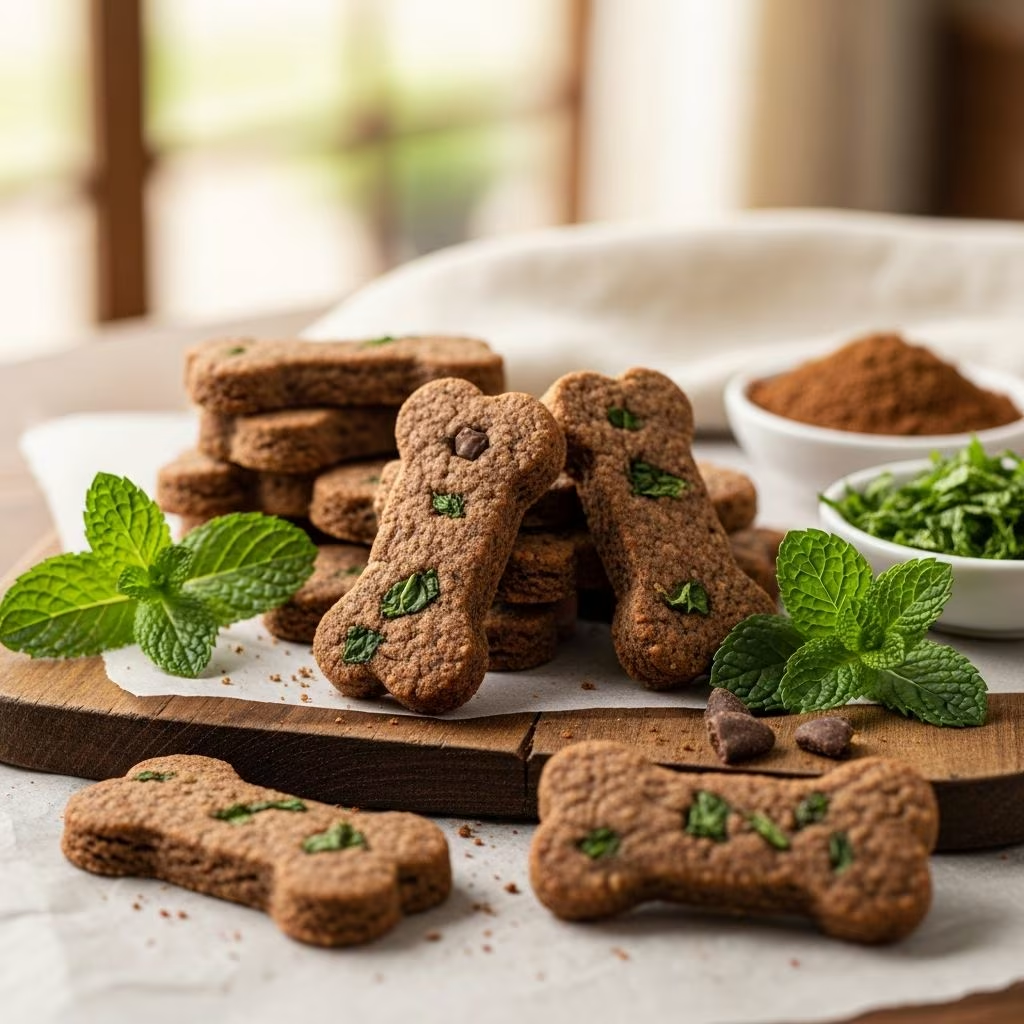
DIY Dog Treat Carob Mint Cookies Recipe
Making homemade dog treats is a wonderful way to show your furry friend how much you care. Unlike many commercial dog treats that may contain artificial preservatives and questionable ingredients, homemade treats allow you to control exactly what goes into your dog’s snacks. Carob-mint cookies are an excellent choice for pet owners looking to create nutritious, delicious treats that their dogs will absolutely love. These cookies combine the naturally sweet flavor of carob with the refreshing taste of mint, creating a unique treat that supports your dog’s dental health and overall wellness.
Carob is an excellent chocolate substitute for dogs because it is naturally safe and provides nutritional benefits without any of the toxins found in chocolate. Mint, when used appropriately, can help freshen your dog’s breath and provides digestive support. This comprehensive guide will walk you through everything you need to know about creating these delightful treats for your canine companion.
Why Carob and Mint for Your Dog?
Understanding the benefits of your dog’s treats is just as important as knowing how to make them. Carob and mint are two ingredients that stand out in the world of dog nutrition for very specific reasons.
Benefits of Carob for Dogs
Carob powder is derived from the carob tree and has been used for centuries as a natural sweetener and flavoring agent. Unlike chocolate, which contains theobromine—a compound toxic to dogs—carob is completely safe and offers numerous nutritional benefits. Carob contains fiber, which supports digestive health, and provides essential minerals including magnesium, iron, and calcium. These nutrients contribute to strong bones, healthy muscles, and overall metabolic function in dogs. The natural sweetness of carob makes it an ideal ingredient for dog treats without the need for added sugar, which can lead to weight gain and dental problems.
Why Mint is Great for Dog Treats
Mint is known for its natural breath-freshening properties and has been used in human dental care for thousands of years. For dogs, spearmint and peppermint can help freshen breath naturally and may support digestive health. Mint also contains antioxidants and can provide a cooling sensation that many dogs find pleasant. When included in homemade treats, mint adds variety to your dog’s diet and can make training sessions even more engaging. The combination of carob and mint creates a treat that is not only delicious but also functional, supporting multiple aspects of your dog’s health.
Ingredients You’ll Need
Gathering quality ingredients is the foundation of making exceptional dog treats. Here’s what you’ll need to create your carob-mint cookies:
| Ingredient | Amount | Purpose |
|---|---|---|
| Whole Wheat Flour | 2 cups | Base structure and fiber |
| Carob Powder | 1/2 cup | Natural sweetness and flavor |
| Rolled Oats | 1 cup | Texture and nutritional content |
| Fresh Mint | 2 tablespoons (finely chopped) | Breath freshening and flavor |
| Unsalted Peanut Butter | 1/2 cup | Binding agent and protein |
| Eggs | 2 large | Binding agent |
| Water | 3/4 cup | Moisture for dough consistency |
Important Notes About Ingredients
When selecting your ingredients, always choose unsalted peanut butter to avoid excessive sodium intake for your dog. Most importantly, verify that your peanut butter does not contain xylitol, an artificial sweetener that is toxic to dogs. Read ingredient labels carefully, and when in doubt, choose natural peanut butter without additives. For the fresh mint, use only dog-safe varieties such as spearmint or peppermint from your garden or produce section, never ornamental mint varieties. Always ensure all ingredients are fresh and of high quality.
Step-by-Step Instructions
Creating carob-mint cookies requires patience and attention to detail. Follow these steps carefully to ensure the best results for your dog-friendly treats.
Preparation Phase
Begin by preheating your oven to 350 degrees Fahrenheit. This temperature is ideal for cooking dog treats evenly without burning them. While your oven is heating, line your baking sheets with parchment paper or silicone baking mats. This prevents sticking and makes cleanup much easier. Gather all your ingredients and equipment within arm’s reach to streamline your baking process.
Mixing the Dry Ingredients
In a large mixing bowl, combine the whole wheat flour, carob powder, rolled oats, and finely chopped fresh mint. Mix these dry ingredients together thoroughly, ensuring the carob powder is evenly distributed throughout the mixture. This prevents clumping and ensures consistent flavor in every cookie. The combination of these ingredients creates the foundation of your treats, so take time to blend them well. You should notice a pleasant carob aroma and see the specks of mint throughout the mixture.
Creating the Wet Mixture
In a separate bowl, whisk together the unsalted peanut butter, eggs, and water. Blend these ingredients until smooth and well combined. The peanut butter provides protein and acts as a binding agent, the eggs help hold everything together, and the water creates the right consistency for the dough. Whisk thoroughly to eliminate any lumps of peanut butter that might prevent even distribution throughout your treats.
Combining Wet and Dry Ingredients
Slowly add the wet mixture to the dry ingredients, stirring constantly. Mix until a thick dough forms. If the dough seems too dry, add water one tablespoon at a time until you reach the desired consistency. The dough should be firm enough to hold its shape when rolled but not so stiff that it cracks. The dough may appear speckled with carob and mint, which is exactly what you want to see.
Rolling and Cutting
Dust a clean work surface with flour and transfer your dough to it. Using a rolling pin, roll the dough to approximately 1/4-inch thickness. This thickness ensures that your cookies will cook through without becoming too hard or too soft. Using your favorite cookie cutters, cut out shapes from the dough. Heart shapes, bone shapes, and paw prints are popular choices that make the treats extra special. Gently transfer each cookie to your prepared baking sheets, leaving approximately one inch of space between each treat.
Baking Process
Bake your carob-mint cookies for 15 to 20 minutes, or until they are firm to the touch. The edges should be slightly darker than the centers when done. Remove from the oven and allow the cookies to cool on the baking sheet for approximately 10 minutes before transferring to a wire rack. This cooling period allows them to firm up and develop their final texture. Once completely cooled, store your treats in an airtight container in the refrigerator, where they will maintain freshness for up to two weeks.
Variations and Customizations
Once you’ve mastered the basic carob-mint cookie recipe, you can experiment with variations to keep your dog’s treat options exciting and diverse.
Glaze Options
Create a simple yogurt glaze by mixing low-fat plain yogurt with a teaspoon of honey and a tablespoon of cornstarch. Spread this glaze over your cooled cookies for added nutrition and palatability. The yogurt provides probiotics that support digestive health, while the honey adds natural sweetness. Allow the glaze to set in the refrigerator before serving.
Alternative Flours
If your dog has a wheat sensitivity, substitute the whole wheat flour with oat flour, rice flour, or a combination of both. These alternatives maintain the structural integrity of the cookies while accommodating dietary restrictions. Oat flour provides soluble fiber that’s gentle on sensitive digestive systems.
Ingredient Substitutions
Replace peanut butter with almond butter or sunflower seed butter if your dog has peanut allergies. Add pumpkin puree for additional fiber and nutrients, or incorporate applesauce for natural sweetness without sugar. Fresh herbs like parsley can also be added for extra nutritional benefits.
Storage and Shelf Life
Proper storage ensures your homemade treats remain fresh and safe for your dog to enjoy. Store cookies in an airtight container in the refrigerator for up to two weeks. For longer storage, place treats in a freezer-safe container and freeze for up to three months. Allow frozen treats to thaw at room temperature for about 15 minutes before serving. Always inspect treats before giving them to your dog, discarding any that show signs of mold or spoilage.
Nutritional Benefits Summary
These carob-mint cookies provide a balanced nutritional profile that supports your dog’s overall health. The whole wheat flour and oats offer fiber and complex carbohydrates, the carob powder provides minerals and antioxidants, the peanut butter delivers protein and healthy fats, and the mint supports digestive health. This makes these treats an excellent option for training rewards, special occasions, or simply showing your dog extra love.
Frequently Asked Questions
Q: Can puppies eat carob-mint cookies?
A: Yes, puppies can enjoy these treats, but adjust portion sizes to match their smaller bodies and developmental needs. Consult with your veterinarian about appropriate treat quantities for your puppy’s age and size.
Q: How many cookies should I give my dog daily?
A: Treats should comprise no more than 10% of your dog’s daily caloric intake. For most medium-sized dogs, one to three cookies per day is appropriate, but adjust based on your dog’s size, activity level, and overall diet.
Q: Are these cookies suitable for dogs with allergies?
A: The basic recipe works well for many dogs, but you can customize it using alternative flours and protein sources. If your dog has specific allergies, consult with your veterinarian before introducing new treats.
Q: Can I use dried mint instead of fresh?
A: Yes, you can use dried mint, but reduce the amount to one tablespoon since dried herbs are more concentrated than fresh. Rehydrate the dried mint slightly with a little water before adding to your mixture.
Q: Do I need special equipment to make these cookies?
A: No special equipment is required. A mixing bowl, rolling pin, cookie cutters, baking sheets, and basic kitchen tools are all you need to create these delicious treats.
Q: How do I know if the cookies are done baking?
A: The cookies should be firm to the touch and the edges should be slightly darker than the centers. They may seem slightly soft when warm but will harden as they cool.
Q: Can these cookies help with my dog’s breath?
A: Yes, the mint in these cookies has natural breath-freshening properties. Combined with the mechanical action of chewing, these treats can contribute to better oral health and fresher breath.
Q: Is carob safe for all dogs?
A: Carob is generally safe for all dogs and provides nutritional benefits. However, as with any new food, introduce these treats gradually and monitor your dog for any adverse reactions.
Conclusion
Making homemade carob-mint cookies for your dog is a rewarding experience that strengthens your bond while providing nutritious treats your pup will genuinely enjoy. By using quality ingredients and following these detailed instructions, you can create treats that are not only delicious but also support your dog’s health and wellbeing. Whether you’re celebrating a special occasion, training your dog, or simply expressing your love through homemade goodness, these carob-mint cookies are sure to become a favorite in your household. Start baking today and watch your dog’s face light up when you offer these special treats!
References
- Carob as a Safe Chocolate Alternative for Dogs — American Kennel Club. 2024. https://www.akc.org/dog-nutrition/chocolate-toxicity-dogs/
- Peppermint and Spearmint Safety for Pets — ASPCA Animal Poison Control Center. 2024. https://www.aspca.org/pet-care/animal-poison-control/toxic-and-non-toxic-plants/mint
- Xylitol Toxicity in Dogs: A Critical Review — Veterinary Clinics of North America: Small Animal Practice, American Veterinary Medical Association. 2023. https://www.avma.org/resources-tools/pet-owners/petcare/xylitol-and-pets
- Nutritional Requirements for Adult Dogs — Association of American Feed Control Officials (AAFCO). 2024. https://www.aafco.org/
- Safe Homemade Treat Preparation Guidelines — UC Davis School of Veterinary Medicine. 2023. https://www.vetmed.ucdavis.edu/



