

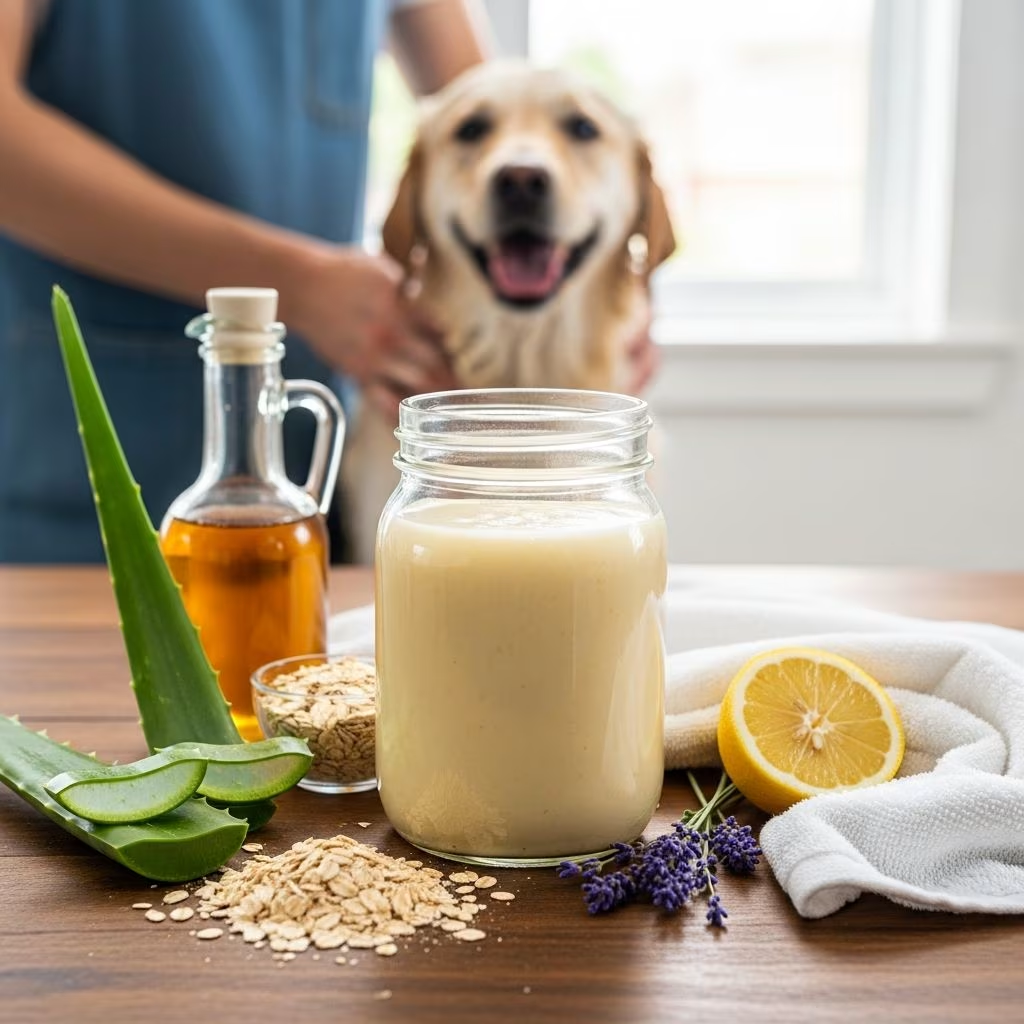
Creating your own dog shampoo at home allows pet owners to deliver gentle, effective cleansing using everyday ingredients. These formulations address common issues like dry skin, fleas, and odors while steering clear of synthetic additives found in many commercial products. With simple recipes, you can customize washes to suit your dog’s unique coat and health requirements, promoting a shiny, healthy appearance.
Advantages of Preparing Shampoo In-House
Opting for homemade options provides several key benefits. First, it slashes expenses since pantry staples replace pricey bottles. Control over components ensures only pet-safe materials touch your dog’s skin, minimizing allergy risks. Tailoring recipes to specific needs—like itch relief or flea deterrence—enhances efficacy. Environmentally, these mixes reduce plastic waste from store-bought packaging. Regular use can balance skin pH, vital as canine skin hovers around 6.5-7.5, unlike human versions at 5.5 that disrupt natural barriers.
- Cost Savings: A batch costs pennies compared to $10+ commercial shampoos.
- Safety Assurance: Avoid parabens, sulfates, and artificial fragrances.
- Customization: Adjust for puppies, seniors, or breeds with oily fur.
- Freshness: Make small quantities to preserve potency.
Essential Ingredients and Their Roles
Selecting the right elements forms the foundation of successful DIY shampoos. Common household items double as powerful cleansers and conditioners.
| Ingredient | Primary Benefit | Best For |
|---|---|---|
| Oatmeal (ground) | Soothing, moisturizing | Sensitive, itchy skin |
| Baking Soda | Deodorizing, exfoliating | Odor control, dirt removal |
| Apple Cider Vinegar | Antibacterial, pH balancer | Fleas, shiny coat |
| Aloe Vera Gel | Calming, hydrating | Dryness, irritation |
| Dish Soap (mild) | Cleansing agent | General washing (use sparingly) |
| Lemon Juice | Antiseptic, fresh scent | Greasy fur, fleas |
These components work synergistically. For instance, oatmeal’s colloids lock in moisture, while vinegar’s acidity combats bacteria without stripping oils. Always opt for pure, organic versions to maximize safety.
Basic All-Purpose Dog Shampoo Recipe
This versatile formula suits most dogs for routine baths, yielding about 2 cups.
- Combine 2 cups warm water, 1/4 cup mild dish soap, 1/2 cup white vinegar, and 2 tablespoons aloe vera gel in a bottle.
- Shake vigorously until foamy.
- Wet dog’s coat thoroughly, spray or pour mixture, massage for 2-3 minutes, then rinse with lukewarm water.
Storage: Refrigerate up to one week; discard if it separates or smells off. This blend cleans deeply thanks to soap, deodorizes with vinegar, and soothes via aloe.
Gentle Formula for Sensitive or Itchy Skin
Dogs with allergies or hot spots benefit from this oatmeal-based mix, which calms inflammation without harsh suds.
Ingredients:
- 1 cup ground oatmeal (blend rolled oats finely)
- 1 cup baking soda
- 1 cup warm water
- 1-2 teaspoons olive or coconut oil
- Optional: 5 drops lavender essential oil (pet-safe grade)
Preparation: Blend oatmeal and water into a paste, stir in baking soda and oil. Apply to damp fur, let sit 5 minutes, rinse. The oats relieve itching, oil moisturizes, and baking soda neutralizes odors. Ideal for frequent use on breeds like Bulldogs or Shar-Peis prone to skin folds.
Flea and Tick Repellent Shampoo
Natural defenses against parasites use citrus and vinegar’s repelling properties.
Ingredients:
- 1 cup fresh lemon juice (or 1/2 cup bottled)
- 1 cup warm water
- 1 tablespoon olive oil
- 1/4 cup mild dish soap
Mix and use immediately for best potency. Saturate coat, focusing on neck and tail base, lather, and rinse after 10 minutes. Lemon’s limonene deters fleas; oil prevents dryness. Follow with a vinegar rinse (1:4 vinegar to water) for extra shine and pest barrier.
Deodorizing Shampoo for Odor-Prone Dogs
Active or wet-weather pups stay fresh with this quick recipe.
Ingredients:
- 1 cup baking soda
- 1 cup warm water
- 1 tablespoon apple cider vinegar
- Optional: Rosemary sprigs (steeped in water)
Stir into a paste, apply, massage, and rinse. Baking soda absorbs smells, vinegar kills bacteria. Great for retrievers or hounds.
Moisturizing Shampoo for Dry Coats
Winter dryness or frequent swimming demands hydration-focused washes.
Ingredients:
- 1/2 cup coconut oil (melted)
- 1/4 cup aloe vera gel
- 2 cups warm water
- 1 tablespoon mild soap
Blend, apply generously to wet fur, rinse after 3-5 minutes. Coconut oil penetrates for lasting softness.
Application Tips for Best Results
Maximize effectiveness with proper technique.
- Frequency: Bathe every 4-6 weeks unless dirty; over-bathing strips oils.
- Temperature: Use lukewarm water to avoid shock.
- Avoid Eyes/Ears: Dilute if needed; use cotton in ears.
- Drying: Towel pat, air dry, or low-heat blow dry; brush post-bath.
- Storage: Glass jars or spray bottles; label with date.
Test a small patch first for reactions. Puppies under 8 weeks need milder mixes sans soap.
Precautions and When to Skip DIY
While beneficial, homemade shampoos aren’t universal. Consult a vet for chronic dermatitis, infections, or open wounds—DIY won’t treat underlying issues. Essential oils must be diluted (under 1%) and dog-specific to prevent toxicity. Human shampoos harm due to pH mismatch, risking dryness or infections. If fleas persist, pair with vet-approved treatments.
Frequently Asked Questions (FAQs)
Can I use Dawn dish soap in dog shampoo?
Mild versions like Dawn work in small amounts for cleansing but overuse dries skin. Opt for pet-formulated if possible.
How long does homemade shampoo last?
Up to 7-10 days refrigerated; freeze in ice cube trays for longer.
Is apple cider vinegar safe for dogs?
Yes, diluted; it balances pH and repels pests but avoid on broken skin.
What if my dog has very oily fur?
Increase vinegar or lemon for degreasing effects.
Can I add essential oils?
Lavender or chamomile yes, in tiny drops; avoid tea tree or eucalyptus.
Advanced Variations and Storage Hacks
For solid bars, melt coconut oil with neem powder and pour into molds—cure 24 hours for flea-repelling bars. Infuse water with herbs like rosemary for natural scents. Travel-sized: Mix dry powders (oatmeal, soda) and add water at bath time.
Track your dog’s response in a journal: note skin condition pre/post-bath to refine recipes. Combine with brushing and diet for holistic care.
References
- How to Make Dog Shampoo at Home — Sit Means Sit Longmont. Accessed 2026. https://sitmeanssitlongmont.com/how-to-make-dog-shampoo-at-home/
- 3 Homemade Dog Shampoos You Need to Try Today — Waggle. Accessed 2026. https://mywaggle.com/blogs/pet-health/homemade-dog-shampoo
- Homemade Dog Shampoo — Alpha Dog Nutrition. Accessed 2026. https://alphadognutrition.com/blogs/alpha-blog/homemade-dog-shampoo
- The Ultimate Homemade Dog Shampoo Recipe — Bully Max. Accessed 2026. https://shop.bullymax.com/blogs/news/homemade-dog-shampoo-recipe
- The Best Natural Shampoo for Dogs — Kawell USA. Accessed 2026. https://kawellusa.com/blogs/blog/the-best-natural-shampoo-for-dogs-gentle-and-effective-solutions
- Homemade Dog Shampoo Bars Recipe — The Nerdy Farm Wife. Accessed 2026. https://thenerdyfarmwife.com/homemade-dog-shampoo-bars-recipe/
- The Truth About DIY Dog Shampoos: Are They Safe? — Tilting Heads. Accessed 2026. https://www.tiltingheads.com/blogs/latest-blogs/the-truth-about-diy-dog-shampoos-are-they-safe



