

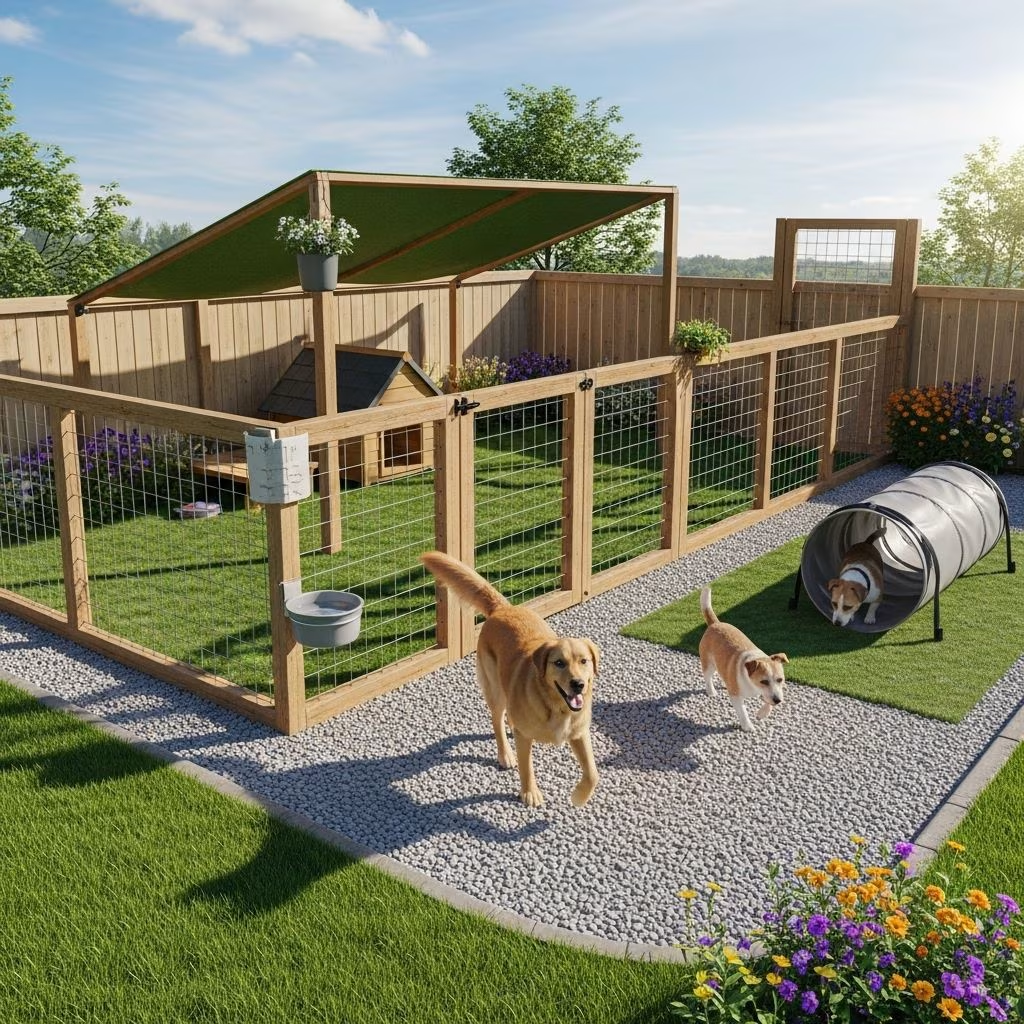
Constructing a dedicated exercise area for your dog enhances their physical health and mental well-being while giving you peace of mind about their safety. A well-planned dog run provides ample space for running, playing, and relaxing without the risks of unsupervised yard access or street escapes. This guide outlines everything from initial planning to final touches, ensuring a sturdy, comfortable setup tailored to your pet’s needs.
Planning Your Dog Run: Key Considerations
Before breaking ground, evaluate several factors to create an effective and sustainable dog run. Start by assessing your dog’s size, breed, energy level, and exercise requirements. Larger or high-energy breeds like Labrador Retrievers or Border Collies need more room to sprint—aim for at least 5 feet wide by 10 feet long as a minimum, scaling up to 20×50 feet for bigger dogs or multiple pets.
Choose a location that receives partial shade to prevent overheating, avoids low-lying flood-prone spots, and minimizes neighbor disturbances. Check for underground utilities by contacting local services for markings to prevent accidents during digging. Review local zoning laws, homeowners association rules, and fence height restrictions, which often cap at 6-8 feet for residential areas.
- Size Recommendations: Small dogs: 4×8 feet; Medium: 6×12 feet; Large: 10×20 feet or more.
- Site Prep: Level ground, ensure good drainage, proximity to house for easy monitoring.
- Budget Estimate: $500-$2000 depending on size and materials.
Selecting the Best Materials for Durability and Comfort
Material choices impact longevity, maintenance, and your dog’s safety. Prioritize non-toxic, chew-resistant options that withstand weather and digging attempts.
| Component | Recommended Materials | Pros | Cons |
|---|---|---|---|
| Fencing | Chain link (9-11 gauge), welded wire, wood panels | Durable, visible, affordable | Can rust if not galvanized; less aesthetic |
| Flooring | Pea gravel, mulch, artificial turf, concrete | Drainage-friendly, paw-safe | Concrete heats up; mulch needs replenishing |
| Posts | Galvanized steel or pressure-treated wood (4×4 or 6×6) | Strong against leaning | Wood requires sealing |
For fencing, chain link offers visibility to reduce separation anxiety, while digging prevention requires burying mesh 12-18 inches underground or adding concrete footers. Gravel or pea stone bases excel in drainage and easy cleanup, unlike grass which erodes quickly.
Step-by-Step Construction Process
Step 1: Mark and Clear the Area
Stake out the perimeter using string lines for straight edges. Remove sod and till the soil to 4-6 inches deep, reserving half for natural grass if desired. Compact the base with a tamper for stability.
Step 2: Install the Foundation and Flooring
For gravel floors, add 3-4 inches of crushed stone base, topped with 2 inches of pea gravel, raking even and 2 inches above ground level. Concrete options involve gravel bedding, forms from 2×6 lumber, and a 3-4 inch pour—mist the area first and level with a screed board, curing for 48 hours. Professionals handle large pours to avoid cracks.
Step 3: Set Fence Posts Securely
Dig holes 1-2 feet deep, twice the post width, spacing 6-8 feet apart starting at corners. Insert posts, brace with stakes or helpers, pour concrete, and level. Allow 24-48 hours to set before attaching fencing. In clay-heavy soils, drive posts deeper for hold without full concrete.
Step 4: Attach Fencing and Gate
Unroll fencing, secure top and bottom to posts with ties or clips, tensioning with a come-along tool. For gates, use pre-hung frames or build from matching materials, ensuring self-closing latches at 4-6 feet high. Bury apron wire outward at 45 degrees to deter diggers.
Step 5: Add Finishing Touches
Install shade sails, privacy slats, or roofs for weather protection. Integrate a dog door if attaching to a kennel.
Safety Features Every Dog Run Needs
Safety prevents injuries and escapes. Double gates or vestibules stop bolting. Rounded post caps and no-climb designs for agile breeds. Ensure no toxic plants nearby and provide constant fresh water via auto-fill bowls. Inspect regularly for wear, sharp edges, or weak spots.
- Escape-Proofing: 6+ ft height, buried bases.
- Health Checks: Shade (30% coverage), ventilation, paw-friendly surfaces.
- Emergency Access: Lockable but quick-open gate.
Enhancing Your Dog Run with Amenities
Transform the run into a fun zone. Add agility equipment like tunnels, jumps, or weave poles for mental stimulation. Include a raised bed or insulated doghouse for rest. Planting dog-safe greenery like bamboo adds shade without toxicity. Solar lighting aids nighttime visibility.
For multi-dog households, divide into zones or rotate use. Integrate play structures scaled to size—small ramps for seniors, full obstacle courses for pups.
Common Mistakes to Avoid
Undersizing leads to frustration; poor drainage causes mud pits. Skipping utility checks risks costly damages. Cheap materials fail quickly—invest in galvanized over painted. Neglect maintenance like gravel raking or fence tightening shortens lifespan.
Cost Breakdown and Time Estimates
| Item | Estimated Cost (10×20 ft) | Time |
|---|---|---|
| Posts & Concrete | $200-400 | 1 day |
| Fencing & Gate | $300-600 | 1 day |
| Flooring (Gravel) | $150-300 | Half day |
| Tools/Misc | $100-200 | – |
| Total | $750-1500 | 3-5 days |
Frequently Asked Questions (FAQs)
What size dog run do I need for a large breed?
At least 10×20 feet to allow full running speed and turning.
Is concrete or gravel better for flooring?
Gravel drains better and is kinder on paws; concrete is durable but hotter.
How do I prevent my dog from digging out?
Bury fencing 12-18 inches or add L-footer aprons.
Can I build on a slope?
Yes, terrace or build up with retaining walls for drainage.
Do I need a permit?
Check local codes; often required for structures over 100 sq ft.
A custom dog run fosters a happier, healthier pet while boosting your yard’s utility. With proper planning and quality materials, it lasts years with minimal upkeep.
References
- How to Build the Ultimate DIY Dog Run — YouTube. 2023. https://www.youtube.com/watch?v=oOoHndmylS0
- Dog Kennel Building Plans and DIY Dog Runs — iCreatables. 2024. https://www.icreatables.com/dog-kennel/dog-kennel-plans
- 5 Tips and Tricks for Building a Dog Run — Ozinga. 2023-10-15. https://ozinga.com/blog/5-tips-and-tricks-for-building-a-dog-run/
- Building a Dog Run — YouTube. 2022. https://www.youtube.com/watch?v=G2ouewTFD1s
- Dog Run Side Of House: How to Make It Happen This Summer — Turf Factory Direct. 2024. https://turffactorydirect.com/blog/dog-run-side-of-house/



