

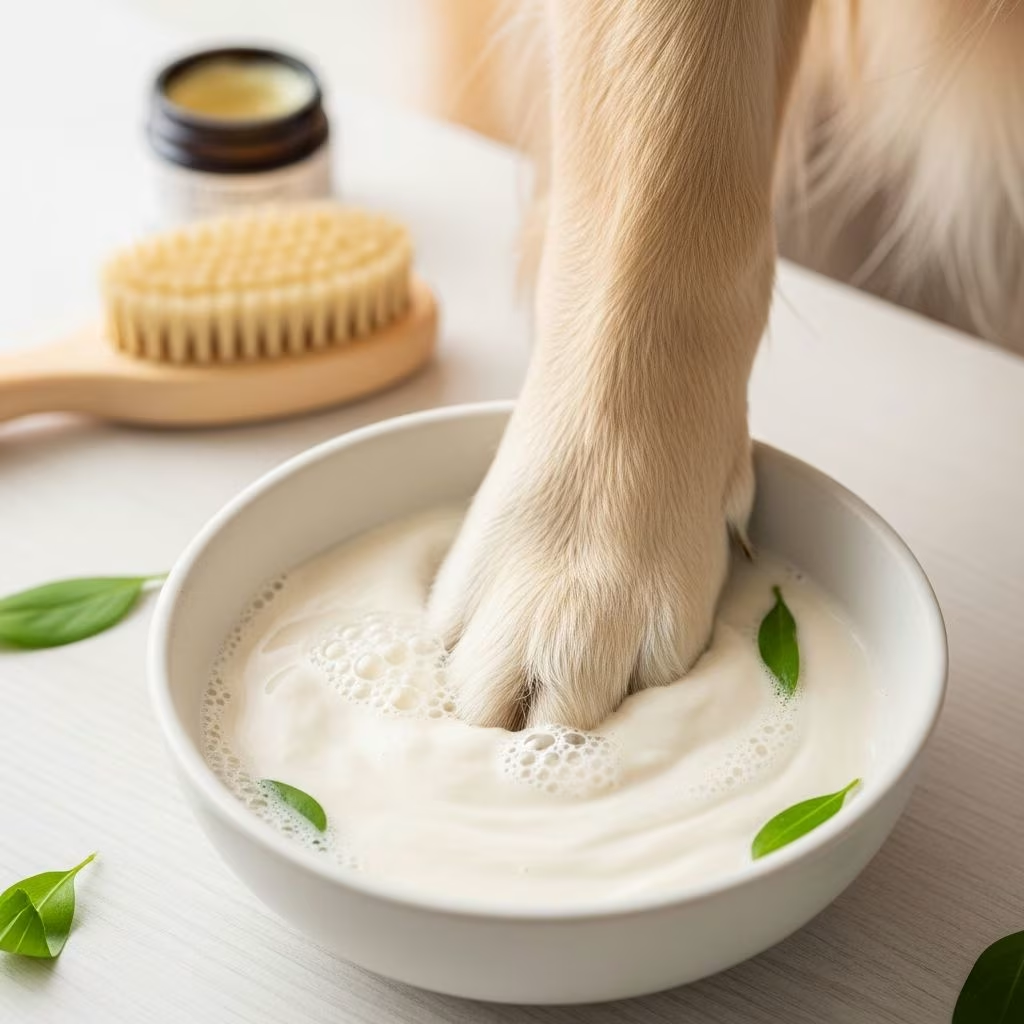
DIY Dog Pawdicure: Foot Mask and Paw Treatment Guide
Your dog’s paws are constantly on the ground, exposed to dirt, bacteria, chemicals, and harsh weather conditions. Just like human feet, dog paws require regular attention and care to remain healthy, comfortable, and free from infections. While professional grooming services can be expensive, you can create a spa-like pawdicure experience at home using natural ingredients and simple techniques. This comprehensive guide will walk you through everything you need to know about DIY dog foot masks, paw treatments, and maintaining optimal paw health.
Understanding Your Dog’s Paw Health
Before diving into pawdicure treatments, it’s important to understand why paw care matters. Dog paws are vulnerable to various issues including dryness, cracking, infections, and irritation from environmental allergens. Regular paw maintenance not only keeps your dog comfortable but also prevents serious infections that could require veterinary intervention. Healthy paws contribute to better mobility, reduced pain, and improved overall quality of life for your canine companion.
Common paw problems include bacterial infections, yeast buildup, cracked pads, excessive moisture between toes, and sensitivity to harsh surfaces. By implementing a consistent paw care routine with DIY treatments, you can address these issues proactively and keep your dog’s paws in optimal condition.
The Importance of Regular Paw Inspection
The first step in any effective pawdicure routine is regular inspection. Check your dog’s paws at least twice a week to identify any potential issues early. Look for signs of redness, swelling, discharge, foul odors, cracking, or debris lodged between the toes. Early detection of problems allows you to address them with home remedies before they escalate to serious infections requiring veterinary care.
During your inspection, check the nail length, examine the paw pads for cuts or foreign objects, and assess the moisture level of the skin. This hands-on approach helps you become familiar with what’s normal for your dog and makes it easier to notice changes that warrant attention.
Preparing for Your DIY Dog Pawdicure
Creating the right environment is crucial for a successful pawdicure experience. Here’s how to prepare:
- Choose a quiet, comfortable space where your dog feels relaxed
- Gather all necessary supplies before starting to minimize interruptions
- Have towels readily available for drying and catching splashes
- Use warm (not hot) water to prevent discomfort
- Keep treats nearby to reward your dog for cooperation
- Ensure adequate lighting so you can see the paws clearly
- Have your dog’s favorite blanket or mat available for comfort
Natural Ingredients for DIY Paw Treatments
The most effective DIY paw treatments use natural, dog-safe ingredients. Here are the best options:
Aloe Vera Gel
Aloe vera is one of the most beneficial ingredients for dog paw care. Its natural properties soothe inflammation, reduce discomfort, and promote healing without the greasy residue of commercial balms. Apply a thin layer of pure aloe gel to affected areas after soaking your dog’s paws.
Chamomile and Salt Soak
A combination of salt and chamomile creates a powerful disinfecting and soothing solution. Chamomile has natural anti-inflammatory properties while salt helps cleanse and remove debris from paws. This remedy is particularly effective for irritated or infected paws.
Apple Cider Vinegar
Apple cider vinegar is excellent for preventing bacterial and yeast infections. Mix one part apple cider vinegar with one part water and apply it to affected areas. This ingredient helps maintain the proper pH balance of paw pads.
Epsom Salts
Epsom salts reduce inflammation and help soften affected areas. Add one tablespoon of Epsom salts to a cup of warm water for a therapeutic soak that lasts 5-10 minutes. This treatment also helps wash off environmental allergens and contaminants.
Coconut Oil
Organic, unrefined coconut oil provides moisturization and has natural antibacterial properties. Apply a small amount to paws and let it absorb for 5-10 minutes before allowing your dog to walk. This ingredient is best applied before bedtime or when you can distract your dog with a chew toy.
Baking Soda
Baking soda neutralizes odors and soothes itchy, irritated skin. Mix three tablespoons of baking soda in one cup of warm water and soak paws for about one minute, then rinse and dry thoroughly.
The Complete DIY Paw Soak Treatment
A proper paw soak is the foundation of an effective pawdicure. Here’s the step-by-step process:
Ingredients for the Soak
- 2 cups of warm water
- 1/4 cup of Epsom salts
- 1/2 cup of apple cider vinegar
- 2-3 chamomile tea bags (or 2 teaspoons of dried chamomile)
- Optional: small amount of salt for additional disinfection
Step-by-Step Instructions
Step 1: Prepare the Solution
Begin by heating water until it’s warm (around 100-105 degrees Fahrenheit). Place chamomile tea bags in the hot water and allow them to steep for 3-5 minutes. Add the Epsom salts and apple cider vinegar, then stir thoroughly to ensure all ingredients dissolve completely. Allow the mixture to cool to a comfortable temperature that won’t burn your dog’s delicate paw pads.
Step 2: Set Up Your Station
Lay a towel on the floor to catch any splashes and contain the mess. Position the bowl of foot soak solution on the towel. This setup protects your floors and makes cleanup much easier. Have additional clean towels nearby for drying.
Step 3: Soak the Paws
Gently bring your dog to the bowl and dip each paw into the solution. Lift and soak repeatedly for 5-10 minutes to ensure thorough soaking and cleaning. This repeated motion helps flush out debris, bacteria, and allergens from between the toes and around the paw pads. Allow the solution to penetrate the skin for maximum effectiveness.
Step 4: Dry the Paws Thoroughly
After soaking, carefully dry each paw with a clean towel. Pay special attention to the spaces between the toes where moisture can accumulate and lead to fungal infections. Thorough drying is essential for preventing yeast and bacterial growth.
Step 5: Apply Paw Balm or Aloe
Once the paws are completely dry, apply a thin layer of aloe gel or DIY paw balm to the affected areas. This step locks in moisture and promotes continued healing. Gently massage the product into the paw pads for better absorption.
DIY Paw Balm Recipe
Creating your own paw balm allows you to control the ingredients and ensure they’re safe for your dog. Here’s an effective recipe:
Ingredients
- 1 ounce of organic coconut oil
- 1 ounce of shea butter
- 1/2 ounce of beeswax
- Optional: 2-3 drops of lavender essential oil (ensure it’s diluted properly)
Preparation Instructions
In a small pot or double boiler over low heat, combine the coconut oil, shea butter, and beeswax. Stir occasionally until everything is melted and combined smoothly. Remove from heat and allow the mixture to cool slightly. If using essential oil, add it now and stir well. Carefully pour the mixture into small lip balm containers or a small jar. Allow it to cool completely at room temperature before using. Store in a cool, dry place.
DIY Paw Wipes for Daily Cleaning
Between full pawdicure treatments, use DIY paw wipes for daily maintenance. These wipes remove dirt and bacteria from your dog’s paws after walks.
Simple Paw Wipes Recipe
- Warm water
- Soft, absorbent cloth or microfiber towel
- Optional: 1 drop of mild pet-friendly shampoo
Simply use warm water and a soft cloth to gently clean each paw. Skip the soap unless there’s visible dirt or debris. This basic method is often all your dog needs for daily maintenance.
Treatment Schedule and Frequency
For best results with your DIY paw treatments, establish a consistent schedule:
- Daily paw wiping after walks using simple warm water and cloth
- Full paw soaks twice a day (morning and evening) for acute issues
- Maintenance paw soaks 2-3 times per week for general health
- Paw balm application as needed, typically 3-5 times per week
- Weekly paw inspections to monitor health and catch issues early
For healing existing injuries, continue treatments for about five days or until the paws have noticeably improved.
Important Precautions and Safety Tips
While DIY paw treatments are generally safe when done properly, keep these precautions in mind:
- Always use warm, not hot, water to avoid burning sensitive paw pads
- Ensure all ingredients are dog-safe and free from additives
- When using baking soda, dilute it properly and avoid application near eyes
- Never allow your dog to ingest large amounts of any treatment solution
- If your dog shows signs of allergic reactions, discontinue immediately
- Limit activity on hard surfaces while paws are healing
- Clean any chemicals off paws immediately to prevent irritation
When to Seek Veterinary Care
While DIY treatments are effective for minor issues, some situations require professional veterinary attention. Seek help if you notice:
- Open wounds or severe cuts that won’t stop bleeding
- Signs of infection including pus, excessive swelling, or foul odors
- Persistent limping or difficulty walking
- Signs of allergic reactions such as excessive itching or hives
- No improvement after five days of consistent treatment
- Systemic symptoms like fever or lethargy
Professional diagnosis and treatment may be necessary for serious infections or underlying health conditions.
Complementary Paw Care Practices
Enhance your DIY pawdicure routine with these additional care practices:
Regular Hair Trimming
Trim the hair around and between your dog’s paws regularly. Excess hair traps moisture and debris, creating an environment for infections to develop.
Nail Maintenance
Keep nails trimmed to an appropriate length. Long nails can affect your dog’s gait and increase pressure on paw pads, causing discomfort and potential injury.
Paw Massages
Regular paw massages improve circulation, promote healing, and allow you to check for issues. Gently massage each paw pad for a few minutes during your inspection routine.
Environmental Protection
Protect paws from harsh chemicals, hot surfaces, and extreme weather. Use protective booties during winter salt exposure or when walking on very hot pavement.
Frequently Asked Questions
Q: How often should I perform a full pawdicure on my dog?
A: For general maintenance, a full pawdicure 2-3 times per week is ideal. For dogs with existing paw issues, twice daily treatments are recommended until improvement is seen, typically around five days.
Q: Can I use human foot care products on my dog’s paws?
A: No, human foot care products often contain ingredients that are toxic to dogs. Always use dog-safe, natural ingredients like those recommended in this guide.
Q: What’s the best natural ingredient for cracked dog paws?
A: Coconut oil and shea butter are excellent for preventing and treating cracked paws. They provide deep moisturization and have natural healing properties.
Q: Is baking soda safe for dog paws?
A: Yes, when diluted properly, baking soda is safe for dog paws. Mix three tablespoons in one cup of warm water. Avoid contact with eyes and prevent ingestion.
Q: How can I prevent paw infections naturally?
A: Regular cleaning with warm water, weekly Epsom salt soaks, application of apple cider vinegar solutions, and maintaining dry paws are all effective preventive measures. Consistent grooming and environmental protection also help.
Q: What should I do if my dog’s paws smell bad?
A: Bad-smelling paws often indicate yeast or bacterial buildup. Use a baking soda soak to neutralize odors, then apply apple cider vinegar solution. If the odor persists after one week of treatment, consult your veterinarian.
Q: Can I use essential oils in paw treatments?
A: Some essential oils can be used in diluted forms, but most should be avoided for dog paw care. Stick to proven safe ingredients like chamomile, aloe, and coconut oil unless your veterinarian approves.
Q: How long does it take to see improvement from DIY paw treatments?
A: Most dogs show noticeable improvement within 3-5 days of consistent treatment with the soak and balm combination. Severe cases may take longer, and persistent issues should be evaluated by a veterinarian.
References
- The Best Home Remedies For Sore Dog Paws — The Natural Dog Store. 2024. https://thenaturaldogstore.com/blogs/health/home-remedies-for-sore-dog-paws
- The Ultimate Guide to Treating Dog Paw Infections at Home — HICC Pet. 2024. https://hiccpet.com/blogs/dogs/the-ultimate-guide-to-treating-dog-paw-infections-at-home
- DIY Dog Paw Treatment That Works Like MAGIC — Rescued Dogs 101. 2024. https://www.rescuedogs101.com/dog-paw-care-natural
- A Step-by-Step Guide to Keeping your Dog’s Paws Healthy — Pride and Groom Professional. 2024. https://pro.prideandgroom.com/blogs/dog-grooming/guide-to-keeping-dogs-paws-healthy
- 4 Home Remedies To Treat Paw Injuries In Dogs — Canada Pet Care. 2024. https://www.canadapetcare.com/blog/4-home-remedies-to-treat-paw-injuries-in-dogs/
- How To Clean Your Dog’s Paws Naturally — Legend’s Creek Farm. 2024. https://www.legendscreekfarm.com/blogs/legends-blog-home-page/how-clean-dog-paws-naturally
- How to Make Your Own Dog Paw Balm for Winter — American Kennel Club. 2024. https://www.akc.org/expert-advice/lifestyle/how-to-make-your-own-paw-balm-for-winter/
- 8 Vet-Approved Home Remedies for Your Dog — PetMD. 2024. https://www.petmd.com/dog/general-health/home-remedies-for-dogs



