

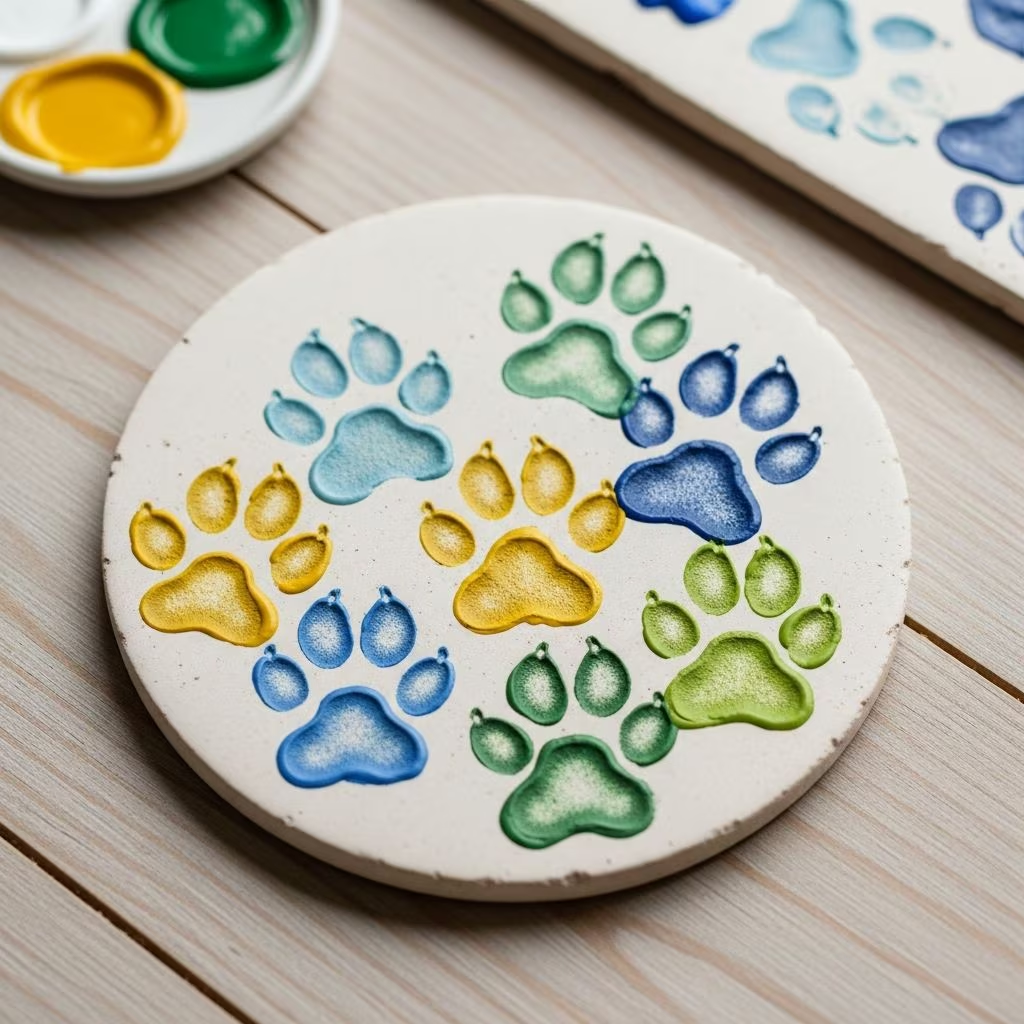
Creating artwork from your dog’s paws offers a heartfelt way to preserve memories of your furry companion. Using pet-safe paints and straightforward methods, you can produce unique pieces that capture their personality without stress. This guide explores various techniques, from walking trails to direct stamping, ensuring safety and enjoyment for both you and your pet.
Why Make Paw Print Art with Paint?
Paw print crafts provide tangible reminders of your dog’s playful steps and growth stages. Unlike photos, these hands-on creations involve your pet directly, fostering bonding moments. They’re ideal for gifts, home decor, or documenting life milestones like adoptions or birthdays. The process is adaptable for all dog sizes and temperaments, with options that minimize discomfort.
- Personalization: Each print reflects your dog’s unique paw shape and stride.
- Simplicity: Requires minimal supplies found at home or craft stores.
- Versatility: Works on paper, canvas, or fabric for diverse projects.
Selecting Pet-Safe Paints and Materials
Pet safety is paramount when choosing paints. Opt for non-toxic, water-based formulas that wash off easily. Tempera paints, like those from reputable brands, are washable and free of harmful chemicals, making them suitable for paws. Avoid oil-based or solvent-heavy products that could irritate skin or be ingested during licking.
| Material | Type | Safety Notes | Best For |
|---|---|---|---|
| Paint | Non-toxic tempera | Washable with water; no fumes | Walking paths, stamping |
| Paper/Canvas | Heavyweight art paper | Absorbs paint without bleeding | Framing artwork |
| Sealant | UV archival spray (matte) | Apply away from pets; protects from fading | Long-term display |
| Cleaning | Mild soap and water | Removes paint quickly | Post-activity rinse |
Additional tools include brushes for precise application, trays for paint containment, and frames for display. Test paints on a small paw area first to check for reactions.
Technique 1: The Walkway Method for Natural Prints
This hands-off approach lets your dog create prints by walking through paint lines. It’s perfect for wiggly or brush-averse pets, as it mimics natural movement.
- Prepare a large sheet of heavyweight paper, securing edges with weights to prevent curling.
- Squirt thick lines of paint across the width, spacing them to capture multiple steps. Leave space at ends for entry and exit.
- Encourage your dog to walk from one end to the other, perhaps using treats or a toy.
- Rinse paws immediately in a kiddie pool or with a hose using soapy water.
Results often show authentic stride patterns, with cleaner prints if you provide turning room. This method yielded vibrant, multi-print trails in practical tests.
Technique 2: Gentle Paw Stamping for Clear Impressions
For defined single prints, directly apply paint to paw pads. This requires patience and possibly a helper for steady holding.
- Select a paint color and load a soft brush.
- Gently paint the paw pads, avoiding fur to prevent smudges. Hold treats to keep your dog calm.
- Press the paw firmly but gently onto paper, holding for 5-10 seconds before lifting straight up.
- Clean paws promptly with soapy water and dry thoroughly.
Imperfections like fur marks add character, making each piece one-of-a-kind. Practice on scrap paper refines your touch.
Creative Variations to Elevate Your Art
Expand beyond basics with color blends, backgrounds, or mixed media. Watercolor washes create dreamy effects: sketch a paw outline, layer loose washes in fall tones, then add details with fine brushes.
- Multi-Color Trails: Use alternating paint lines for rainbow effects.
- Stencil Accents: Surround prints with shapes using fabric paints on canvas.
- Handprint Combos: Pair dog paws with human hands for family-themed art.
- Splatter Effects: Flick paint droplets for textured, artistic paw scenes.
Experiment with fabrics for pillows or tote bags, ensuring paints are fabric-safe.
Safety Protocols for Stress-Free Sessions
Prioritize your dog’s comfort to avoid scratches or anxiety. Work in short sessions, use positive reinforcement, and never force participation. Monitor for allergies: signs include redness or excessive licking post-cleaning.
- Choose quiet, familiar spaces.
- Have cleaning setups ready: bucket of soapy water, towels, pet shampoo.
- Seal artworks outdoors, away from pets, in ventilated areas.
- For puppies or seniors, use minimal paint to reduce mess.
According to veterinary guidelines, water-based non-toxics pose low risk when rinsed promptly. The ASPCA confirms washable tempera paints are safe for brief contact.
Finishing and Displaying Your Masterpieces
Once dry, enhance durability. Trim to fit frames by tracing glass edges. Add inscriptions like your dog’s name, breed, and date for sentiment.
- Apply 2-3 light coats of matte UV sealant, drying between layers.
- Insert into a frame matching your decor.
- Hang in pet-friendly spots away from direct sun.
These pieces double as gallery art or holiday cards when scanned.
Troubleshooting Common Challenges
Not every attempt is flawless—embrace it! Smudges? Layer with background washes. Faint prints? Thicken paint or reapply. Reluctant dogs? Switch to walkway or enlist help.
| Issue | Solution |
|---|---|
| Smudged Prints | Lift paw vertically; use less paint |
| Dog Resists | Try walkway; use high-value treats |
| Paint Won’t Wash | Use dish soap; soak briefly |
| Fading Colors | Seal promptly with UV spray |
Seasonal and Themed Paw Print Projects
Adapt crafts for holidays: red/green for Christmas, pastels for Easter. Create growth charts by dating annual prints. For events like gotcha days, combine with photos in collages.
Advanced: Paint pet-safe glow-in-dark for nightlights or metallic for holiday ornaments.
Benefits Beyond Art: Therapeutic Value
These activities stimulate dogs mentally and strengthen bonds. Owners report reduced stress from creative sessions. Displayed art boosts home ambiance, reminding of joyful companionship.
Frequently Asked Questions (FAQs)
Is tempera paint safe for dogs?
Yes, non-toxic washable tempera is safe for brief paw contact if rinsed immediately.
What if my dog hates paw painting?
Use the walkway method where they step naturally without direct brushing.
How do I clean paint off fur?
Mild soap, warm water, and towels; avoid harsh chemicals.
Can I use this for cats too?
Absolutely—same techniques apply with smaller paints amounts.
What’s the best paper for prints?
Heavyweight watercolor or butcher paper prevents bleeding.
References
- Pawprint Print With Paint — Instructables. Accessed 2026. https://www.instructables.com/Pawprint-Print-With-Paint/
- DIY Dog Paw Painting Keepsake — Pretty Fluffy. Accessed 2026. https://www.prettyfluffy.com/diy-tutorials/diy-projects/diy-paw-print-wall-art
- Dog Paw Print Painting Tutorial With Watercolor — YouTube (Artist tutorial). Accessed 2026. https://www.youtube.com/watch?v=kK02tGLUVxU
- DIY Paw Print Painting Adorable Keepsake — YouTube. Accessed 2026. https://www.youtube.com/watch?v=ZRuHSmjG2hs
- Easy Paw Print and Handprint Wall Art with Fabric Paint — Tulip Color. Accessed 2026. https://tulipcolor.com/blogs/projects/easy-paw-print-and-handprint-wall-art-with-fabric-paint



