

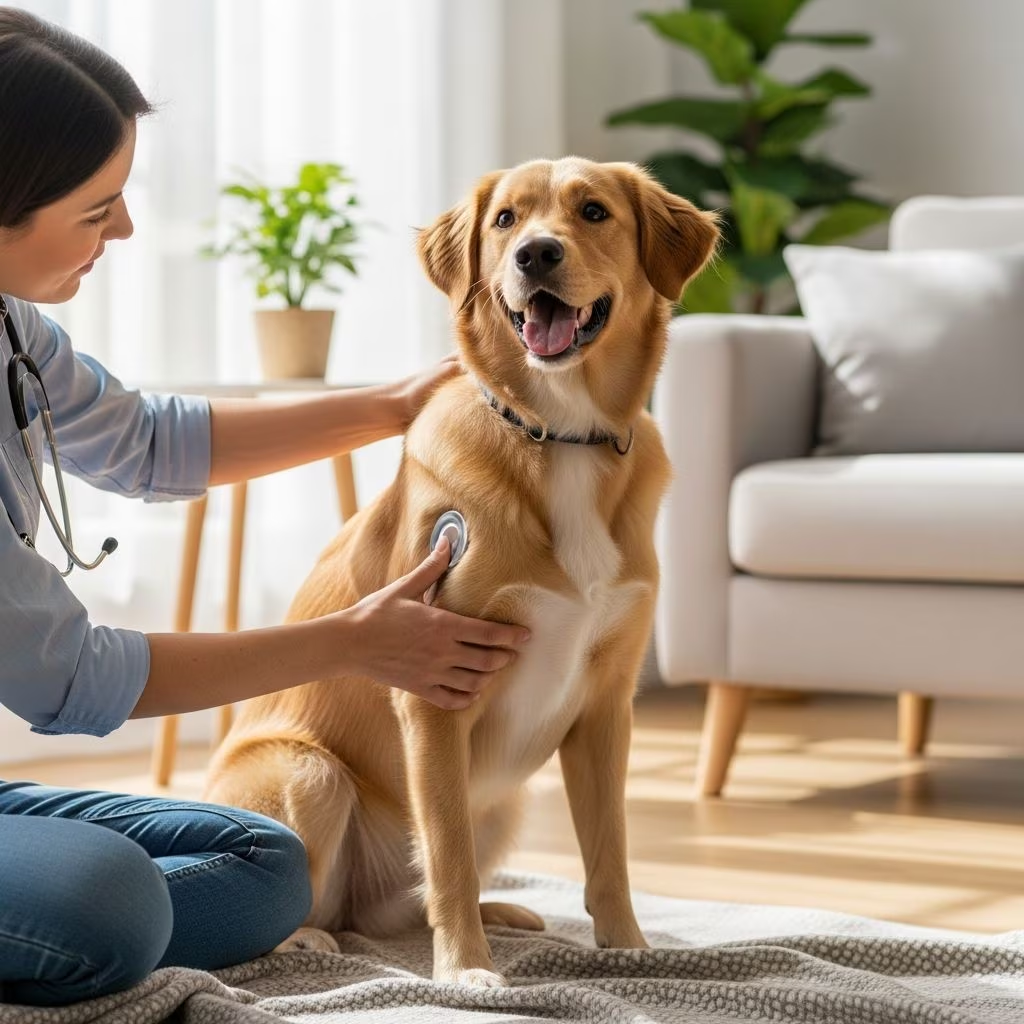
Dogs cannot tell us when something is wrong, making it our responsibility to stay attuned to their health and well-being. As a pet parent, you are uniquely positioned to notice subtle changes in your dog’s behavior and physical condition. Regular at-home dog health checks empower you to identify potential health issues early, which can be lifesaving. You don’t need to be a veterinarian to perform a basic physical examination on your dog—you just need the right knowledge and approach. This comprehensive guide will walk you through seven essential steps to conduct a thorough DIY dog checkup from the comfort of your home.
Why Regular Home Checkups Matter
Establishing a routine of regular home checkups allows you to develop a clear understanding of what is “normal” for your individual dog. Every dog is unique, and what’s normal for one may not be for another. By familiarizing yourself with your dog’s baseline health status, you’ll be better equipped to recognize when something changes. Early detection of health problems can make a significant difference in treatment outcomes and can potentially save your dog’s life. Home checkups also create a calm, familiar environment that reduces stress for your dog compared to veterinary clinic visits.
Before You Begin: Observe Your Dog’s Overall Presentation
Before starting the hands-on examination, take a few minutes to simply observe your dog when they’re relaxed and hanging out at home. Look at their posture, breathing pattern, activity level, and general demeanor. Pay attention to how they move, whether they seem alert or lethargic, and their overall body condition. This mental snapshot of your dog’s “normal” state is invaluable. You’ll be able to pick up subtle changes that might indicate a problem—changes that might go unnoticed if you don’t have a clear picture of your dog’s baseline.
Step 1: Assess Your Dog’s Vitals
Understanding your dog’s vital signs is the foundation of any physical exam. Start by taking your dog’s temperature using a rectal thermometer. A normal dog temperature ranges from 101 to 102.5 degrees Fahrenheit. Next, check their heart rate by placing your hand on the left side of their chest behind the front leg. Count the beats for 15 seconds and multiply by four to get beats per minute. A resting heart rate typically ranges from 60 to 100 beats per minute, though this can vary by breed and age.
Assess their breathing pattern by observing their chest rise and fall. A normal resting respiratory rate is typically 10 to 30 breaths per minute. Document these measurements so you have a baseline for comparison during future checkups. Abnormal vital signs can indicate various health conditions and should be discussed with your veterinarian.
Step 2: Examine Your Dog’s Head and Face
Start your hands-on examination with your dog’s head. Begin by gently lifting their lips to examine their teeth and gums. Look for the following warning signs:
- Bad breath or unusual odors from the mouth
- Broken or chipped teeth
- Bleeding, swollen, or discolored gums
- Loose teeth
- Growths or lumps inside the mouth
- Tartar buildup on teeth
Healthy gums should be pink, firm, and not bleed when touched. Next, examine the eyes by gently opening the eyelids. Clear, bright eyes are a sign of health. Look for excessive tearing, discharge, redness, cloudiness, or swelling. The whites of the eyes should be white, not red or yellow.
Check the ears by lifting the ear flap and inspecting the ear canal. Healthy ears should be pink, clean, and free of excessive wax or discharge. A foul odor coming from the ears can indicate an infection. Look for redness, swelling, or crusty buildup. Finally, examine the nose for discharge, crusting, or lesions. A dog’s nose can vary in color, but it should be moist and free of excessive discharge.
Step 3: Check Skin and Coat Condition
The skin is one of the body’s major organs and an important indicator of overall health. A healthy dog’s skin should be soft, unbroken, and free of excessive odor. The hair coat—except in wirehaired breeds—should be shiny and smooth. Gently run your hands over your dog’s entire body, feeling for abnormalities.
Look for the following issues:
- Lumps, bumps, or masses under the skin
- Dry, flaky, or irritated patches
- Hair loss or alopecia in unusual patterns
- Skin infections or fungal conditions
- Flea dirt (small black specks) or actual fleas and ticks
- Sores, scabs, or wounds
- Unusual odors emanating from the skin
Pay special attention to skin folds, armpits, and between the toes, as these areas are prone to infections and parasites. If you find a lump or bump, note its size, location, and consistency. Any new growths should be evaluated by your veterinarian.
Step 4: Perform the Skin Turgor Test for Hydration
Dehydration is a serious concern in dogs and can indicate various health problems. To check your dog’s hydration status, perform a simple skin turgor test. Gently pull the skin over your dog’s neck or back into a “tent” shape, then release it. In a well-hydrated dog, the skin should snap back to its original position immediately.
If the skin returns slowly to normal position or remains slightly tented, your dog may be dehydrated. Dehydration can result from illness, heat exposure, vomiting, or diarrhea. Mild dehydration can often be addressed by increasing water intake, but persistent dehydration warrants veterinary attention. Keep in mind that older dogs may have less elastic skin, which can affect this test’s accuracy.
Step 5: Assess the Chest and Breathing
Place your hands on both sides of your dog’s chest and feel the rib cage. You should be able to feel your dog’s ribs fairly easily without excessive pressure. If you cannot feel the ribs, your dog may be overweight. Conversely, if the ribs are prominently visible and easily felt, your dog may be underweight. Both conditions warrant dietary adjustments and veterinary consultation.
Listen to your dog’s breathing. It should be quiet and effortless. Labored breathing, wheezing, coughing, or unusual respiratory sounds can indicate respiratory or cardiac issues. Check the gum color by lifting the lip—they should be pink. Pale or bluish gums can indicate circulation problems or oxygenation issues.
Step 6: Examine the Abdomen and Stomach Area
Gently palpate your dog’s abdomen by starting just behind the rib cage and slowly moving your hands toward the rear of the body. Use gentle pressure to feel the stomach and abdominal organs. If your dog has recently eaten, you may feel normal enlargement in the left part of the belly under the ribs where the stomach is located. This is not necessarily concerning if the abdomen returns to normal as food digests.
During this examination, look for:
- Lumps, bumps, or abnormal masses
- Signs of discomfort such as flinching or tensing muscles
- Abdominal distention or swelling
- Firmness or hardness in any area
- Areas of sensitivity when touched
A normal abdomen should feel relatively soft and pliable. Any areas of concern, including pain responses, unusual masses, or persistent distention, should be evaluated by your veterinarian promptly.
Step 7: Evaluate the Musculoskeletal System and Mobility
Observe your dog’s movement and gait. They should walk and run smoothly without limping or favoring any leg. Feel along the bones and joints, checking for swelling, heat, or signs of pain. Pay special attention to the hips, knees, and elbows, as these areas are commonly affected by arthritis and other joint conditions.
Check for:
- Joint swelling or puffiness
- Stiffness or difficulty rising from a resting position
- Reluctance to put weight on a leg
- Signs of pain when joints are gently manipulated
- Muscle atrophy or unusual muscle loss
- Lameness or altered gait
Muscle tone should be firm and well-developed. Any changes in mobility, such as increased stiffness after rest or reluctance to exercise, can indicate joint or muscle problems that benefit from early intervention.
What to Monitor Between Checkups
Beyond the physical exam, pay attention to your dog’s daily behavior and habits. Monitor changes in:
- Eating patterns and appetite
- Water consumption
- Bathroom habits and stool consistency
- Sleep patterns and energy levels
- Behavior and temperament
- Mobility and exercise tolerance
- Vocal behavior such as increased barking or whining
Significant changes in any of these areas can indicate health issues and warrant veterinary consultation.
When to Seek Veterinary Care
While regular home checkups are invaluable, they are not a substitute for professional veterinary care. Consult your veterinarian if you notice:
- Any abnormal findings during your home exam
- Persistent changes in behavior or habits
- Signs of pain or discomfort
- Abnormal vital signs
- New lumps, bumps, or skin lesions
- Discharge from eyes, ears, nose, or other body openings
- Changes in appetite or water consumption
- Difficulty breathing or unusual respiratory sounds
Early recognition and professional evaluation of health concerns can save your dog’s life. Your veterinarian can perform more detailed diagnostics and provide appropriate treatment when needed.
Frequently Asked Questions About DIY Dog Checkups
Q: How often should I perform a DIY dog checkup at home?
A: It’s recommended to perform a thorough DIY checkup at least monthly. For older dogs or those with known health conditions, checking every two weeks can be beneficial. Regular practice helps you become familiar with what’s normal for your dog and makes early detection of changes easier.
Q: Is it normal for my dog to be uncomfortable during the exam?
A: Some dogs may be initially uncomfortable with the exam, especially in sensitive areas. Start slowly and use a calm, gentle approach. If your dog shows signs of pain in a particular area, stop the exam and note this for discussion with your veterinarian. Never force an exam if your dog is extremely resistant.
Q: Can a DIY checkup replace annual veterinary exams?
A: No. Home checkups are a valuable supplement to professional veterinary care but cannot replace annual or bi-annual veterinary examinations. Your veterinarian has specialized equipment and training to detect issues that may not be apparent during a home exam.
Q: What should I do if I find a lump during my dog’s exam?
A: Note the size, location, shape, and consistency of the lump. Monitor it for changes in size or appearance. Schedule a veterinary appointment to have it evaluated professionally. Most lumps are benign, but professional assessment is important for your dog’s health.
Q: How can I help my dog relax during the home checkup?
A: Choose a calm time when your dog is relaxed, such as after exercise. Use a soothing voice and gentle touch. Reward your dog with treats and praise throughout the exam. Starting with brief exams and gradually increasing duration helps your dog become more comfortable with the process over time.
Conclusion
Performing regular DIY dog checkups at home is one of the most effective ways to stay in tune with your dog’s health and well-being. By following these seven steps and maintaining consistent observation of your dog’s behavior and physical condition, you’ll develop the knowledge and confidence to recognize subtle changes that may indicate health issues. Remember that these home exams are meant to complement, not replace, professional veterinary care. When you notice anything unusual or abnormal during your checkup, consult your veterinarian promptly. Your proactive approach to your dog’s health, combined with regular professional veterinary care, gives your beloved companion the best chance for a long, healthy, and happy life.
References
- How to Do a DIY Dog Checkup in 7 Steps — Kinship. 2024. https://www.kinship.com/dog-health/diy-dog-checkup
- DIY Physical Exam Part 1 — How to Check Your Dog’s Vitals — Kinship. 2024. https://www.kinship.com/dog-health/diy-physical-exam-owners-manual-your-dog-part-1
- DIY Physical Exam Part 2 — How to Check Your Dog for Infections — Kinship. 2024. https://www.kinship.com/dog-health/diy-physical-exam-owners-manual-your-dog-part-2
- DIY Physical Exam Part 4—How to Examine Your Dog’s Stomach and Skeleton — Kinship. 2024. https://www.kinship.com/dog-health/diy-physical-exam-owners-manual-your-dog-part-4
- How to Do an At-Home Dog Health Check — Pet Honesty. 2024. https://www.pethonesty.com/blogs/blog/how-to-do-an-at-home-dog-health-check



