

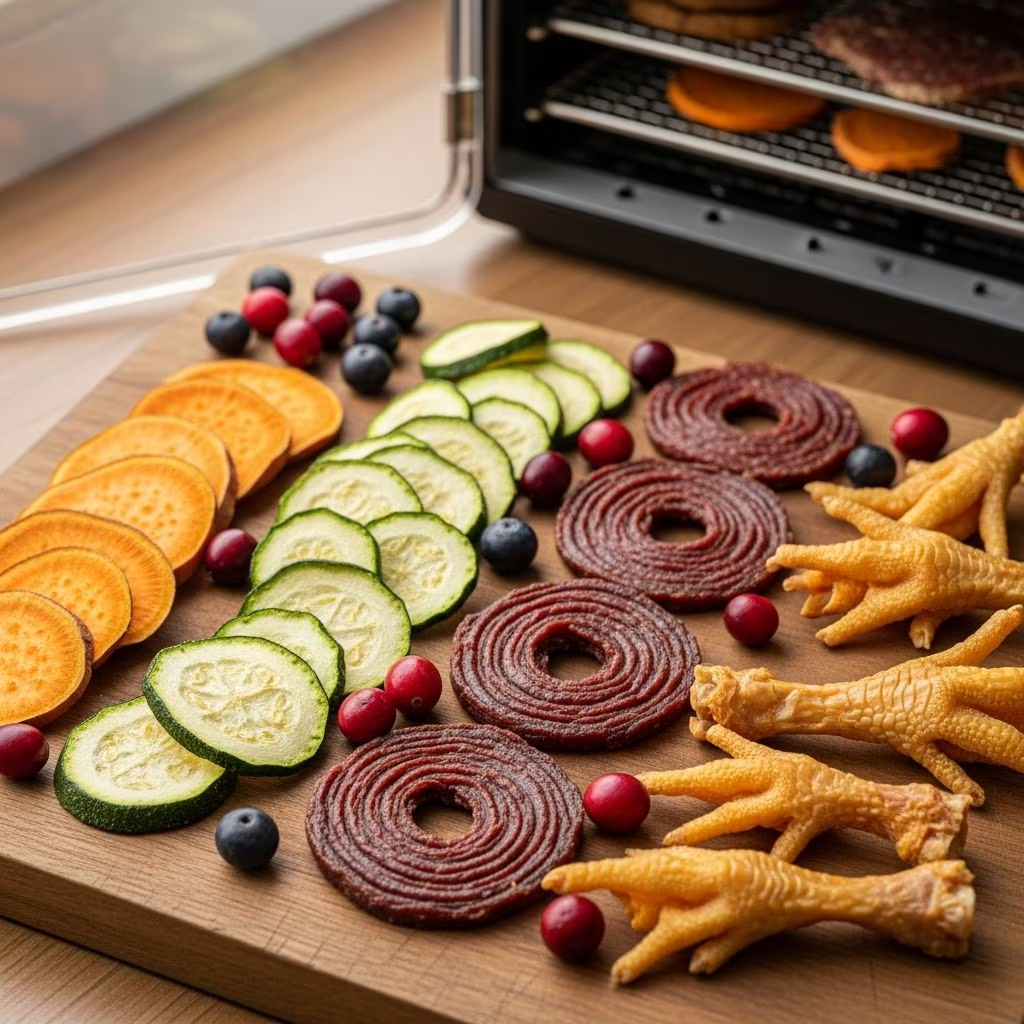
Raw-fed dogs thrive on fresh, unprocessed foods that mimic their ancestral diet, but training sessions and daily rewards call for portable, long-lasting options. Dehydrated treats offer a perfect solution: they retain vital nutrients while extending shelf life without cooking out enzymes or adding harmful preservatives. This guide explores how to produce these treats at home using a dehydrator, focusing on ingredients compatible with raw feeding principles.
Why Dehydration Suits Raw Diets Perfectly
Dehydration gently removes moisture from foods at low temperatures, typically below 160°F (70°C), preserving raw qualities like enzymes, probiotics, and amino acids essential for canine health. Unlike baking or boiling, this method avoids damaging heat-sensitive nutrients, making treats ideal supplements for raw-fed dogs. Benefits include boosted dental health from chewy textures, concentrated flavors for motivation, and customizable portions to prevent overfeeding.
- Nutrient Retention: Low-heat process keeps proteins intact for muscle support.
- Portability: Lightweight and durable for hikes or agility classes.
- Cost Savings: Bulk raw ingredients yield dozens of treats cheaper than commercial versions.
- Safety Control: Skip additives like grains or sugars often found in store-bought items.
For raw feeders, these treats align with biologically appropriate diets, providing variety without disrupting meal balance. Veterinary nutritionists note that properly dehydrated meats and organs supply taurine and omega-3s critical for heart and coat health.
Essential Equipment for Success
Investing in the right tools ensures consistent results and food safety. A reliable food dehydrator with adjustable temperature controls is key, allowing settings from 95°F for veggie chews to 165°F for denser meats. Stainless steel trays resist bacteria better than plastic, and mesh screens handle small slices or purees.
| Item | Purpose | Tips |
|---|---|---|
| Dehydrator | Core drying unit | Models with timers prevent over-drying |
| Sharp Knife or Slicer | Uniform cuts | Freeze meat 1-2 hours for thin slices |
| Parchment or Silicone Mats | Non-stick trays | Cut slits for airflow in purees |
| Food Processor | Blending mixes | Optional for veggie patties |
| Storage Jars | Preservation | Glass with silica packs for moisture control |
Oven alternatives work in a pinch: set to lowest temperature (often 170°F) with door cracked for ventilation, though dehydrators yield superior enzyme preservation.
Selecting Prime Ingredients for Raw Dogs
Stick to single-ingredient, human-grade sources to match raw diet purity. Lean proteins form the base, as fat doesn’t dehydrate well and risks rancidity.
- Meats: Chicken breast, turkey, beef round—trim all visible fat.
- Organs: Liver, kidney, heart for nutrient density; liver offers vitamin A but limit to 5% of treats.
- Fish: Salmon, sardines, sea bass—rich in omegas; source wild-caught to minimize contaminants.
- Vegetables: Sweet potatoes, carrots, green beans—blanch first for digestibility.
- Avoid: Onions, grapes, high-fat cuts, seasonings beyond dog-safe herbs like parsley.
Organic or pasture-raised options enhance quality, but frozen supermarket meats suffice if fresh. Portion based on dog size: small breeds need pea-sized pieces, large ones quarter-sized.
Mastering Meat-Based Dehydrated Treats
Meats provide high-value rewards due to intense aroma post-dehydration. Start with chicken for its mild flavor and affordability.
Chicken Breast Jerky
- Trim fat from 2 lbs boneless chicken breast; freeze 1 hour for slicing.
- Cut into 1/8-inch strips against the grain using a sharp knife.
- Pat dry with paper towels; arrange on trays without overlapping.
- Dehydrate at 165°F for 6-10 hours until brittle-snaps.
- Cool completely; store in airtight jars up to 2 weeks at room temp, 6 months frozen.
Yield: 200+ small treats. Dogs love the chew factor, promoting tartar removal.
Beef Liver Chips
Liver’s potency makes it a training superstar, but moderation prevents vitamin A excess.
- Slice 1 lb fresh liver thinly; no freezing needed due to softness.
- Spread on mesh trays; dehydrate at 155°F for 8-12 hours.
- Test doneness: no flexibility when bent.
- Optional post-bake: 10 minutes at 250°F to kill surface bacteria.
Break into shards for easy dispensing. Similar method applies to kidney or heart, adjusting time for thickness.
Seafood Delights for Omega Boost
Fish treats deliver EPA/DHA for joint and skin support, vital in raw diets low in fatty fish.
Salmon Skinless Strips
- Select 1.5 lbs skinless salmon fillet; freeze briefly.
- Slice 1/8-inch thick; blot excess moisture.
- Dehydrate at 145°F for 8-10 hours until leathery.
- Monitor for oiliness; pat midway if needed.
Sea bass or sprats follow suit, drying faster due to leanness. Portion carefully: high-fat fish store only 1 week refrigerated.
Veggie Chews for Low-Calorie Rewards
Not all raw diets emphasize veggies, but they add fiber and antioxidants without calories.
Sweet Potato Discs
- Wash 4 medium sweet potatoes; slice 1/4-inch thick.
- Blanch in boiling water 2 minutes; ice bath to stop cooking.
- Dehydrate at 135°F for 12-18 hours, flipping halfway.
- Store dry pieces in jars.
Carrots or zucchini puree into flexible strips: blend, pipe onto mats, dry at 115°F for enzyme retention.
Safety Protocols to Prevent Risks
Pathogens like salmonella pose concerns in raw treats, though dehydration reduces them significantly.
- Clean all surfaces with pet-safe sanitizer.
- Dehydrate meats above 145°F internal temp equivalent.
- Discard if mold appears or odor off.
- Introduce gradually to monitor digestion.
- Consult vet for immunocompromised dogs.
USDA guidelines support low-temp drying for jerky when fat is minimized and times extended. Final oven blast at 275°F for 10 minutes ensures sterility.
Advanced Techniques and Variations
Elevate basics with purees or combos. Blend organ meats with pumpkin for patties; pipe and dry 10-14 hours. Add turmeric (1/4 tsp per lb) for anti-inflammatory perks—dog-safe in tiny amounts.
For training, size matters: micro-treats under 5 calories each maintain focus without filling pups up. Track intake: treats should not exceed 10% daily calories.
Storage and Shelf Life Maximized
Proper storage extends usability. Cool treats fully before packing to avoid condensation.
| Treat Type | Room Temp | Fridge | Freezer |
|---|---|---|---|
| Lean Meat Jerky | 2 weeks | 1 month | 6 months |
| Organs | 1 week | 3 weeks | 4 months |
| Fish | 5 days | 2 weeks | 3 months |
| Veggies | 1 month | 2 months | 12 months |
Vacuum seal for longest life; rehydrate slightly in warm water if needed for soft texture.
Frequently Asked Questions
Can I use an oven instead of a dehydrator?
Yes, set to 170°F with prop-open door; extend drying time 2-4 hours. Results are good but less nutrient-dense.
Are dehydrated treats safe for puppies?
Yes, if sized appropriately to prevent choking. Start with soft veggie chews.
How thin should slices be?
1/8-inch ideal for meats; thicker for veggies to retain chewiness.
What if my treats are still moist?
Continue drying or finish in oven; store only when fully dehydrated.
Can I add flavors?
Limited: dog-safe herbs like ginger or rosemary sparingly. Avoid salt, garlic, xylitol.
References
- Raw Meat Dehydration Safety Guidelines — USDA Food Safety and Inspection Service. 2024-05-15. https://www.fsis.usda.gov/food-safety/safe-food-handling-and-preparation/meat-fish-and-poultry/jerky-making-food-safety
- Nutritional Requirements for Dogs Fed Raw Diets — National Research Council (via NCBI). 2023-11-20. https://www.ncbi.nlm.nih.gov/books/NBK231923/
- Dehydrator Food Safety for Pet Treats — FDA Center for Veterinary Medicine. 2025-02-10. https://www.fda.gov/animal-veterinary/animal-food-feeds/pet-food-safety
- Enzyme Preservation in Low-Temp Dehydration — Journal of Food Science (Wiley). 2024-08-01. https://doi.org/10.1111/1750-3841.17000
- Omega-3 in Fish for Canine Health — AVMA Guidelines. 2023-12-05. https://www.avma.org/resources-tools/pet-owners/petcare/nutritional-needs-dogs



