

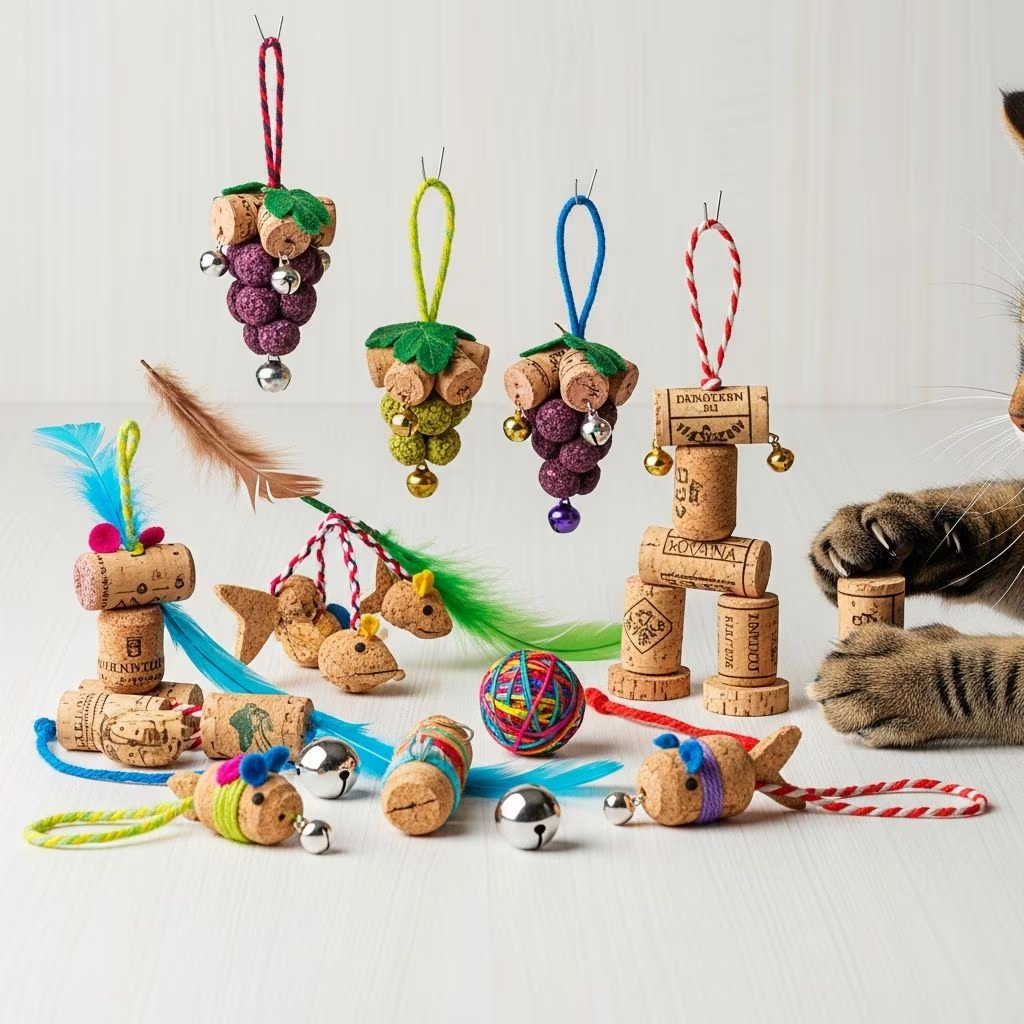
Recycled wine corks offer a perfect base for crafting durable, textured cat toys that mimic prey and encourage natural hunting behaviors. These projects use safe, non-toxic materials found around the home, promoting physical activity and mental stimulation for felines.
Benefits of Homemade Cork-Based Cat Toys
Handcrafting toys with corks provides multiple advantages over commercial options. Cats respond enthusiastically to the unique bounce and grip of cork, which replicates the feel of small rodents or insects. This customization allows tailoring to individual play styles, whether batting, stalking, or chewing.
- Cost Savings: Repurpose leftovers from wine bottles, avoiding purchases of pricey store toys.
- Environmental Impact: Divert corks from landfills, supporting sustainability while minimizing plastic use.
- Safety Assurance: Control materials to exclude harmful chemicals, small parts, or batteries.
- Health Boost: Interactive designs promote exercise, reducing obesity risks and stress.
- Bonding Opportunity: Joint crafting and play sessions deepen the human-cat relationship.
Gathering Supplies for Cork Toy Projects
Most items are household staples, ensuring quick starts without shopping trips. Focus on clean, natural components to prioritize feline safety.
| Essential Items | Purpose | Safety Notes |
|---|---|---|
| Wine corks (natural or synthetic) | Main body for texture and bounce | Wash thoroughly; avoid painted or glued ones |
| Catnip (dried) | Attractant for excitement | Use organic; sparingly to prevent overstimulation |
| String, yarn, or twine | Attachment for dangling or pulling | Supervise to avoid ingestion |
| Fabric scraps or felt | Covers or accents | Non-toxic, securely sewn |
| Scissors or craft knife | Cutting and shaping | Adult use only |
| Non-toxic glue or needle/thread | Assembly | Pet-safe adhesives only |
Simple Cork Batting Ball
This beginner-friendly toy rolls unpredictably, ideal for energetic chasers. Its lightweight design suits indoor play without damaging furniture.
- Select 10-15 clean corks of similar size.
- Wrap tightly with natural twine, looping through center holes if present for grip.
- Sprinkle catnip inside gaps during wrapping to infuse scent.
- Test roll on floor; adjust tension for preferred bounce.
- Refresh catnip weekly for sustained interest.
Cats enjoy pawing at the textured surface, honing pouncing skills akin to wild prey pursuit.
Interactive Cork Wand Teaser
Dangle this for vertical hunting sessions, engaging leaping instincts. The cork tip provides a satisfying target.
- Attach a sturdy stick or dowel (6-12 inches) to string (18 inches long).
- Secure 3-5 corks at string’s end, clustering for bulk.
- Add feathers or fabric strips between corks for visual flutter.
- Wave erratically to simulate fleeing insects.
Such wands encourage aerobic exercise, improving cardiovascular health through sustained chases. Rotate with other toys to maintain novelty.
Cork-Infused Scratching Post Upgrade
Enhance existing posts or create minis by embedding corks, combining scratch relief with play.
- Drill shallow holes into post base or cardboard tube.
- Insert halved corks, gluing firmly with pet-safe adhesive.
- Dust with catnip for initial attraction.
- Place near favored spots; praise usage.
This hybrid satisfies clawing urges while offering chewable elements, preventing furniture damage.
Advanced Cork Puzzle Feeder
Challenge clever cats with this treat dispenser, promoting foraging behaviors.
- Cut a sturdy cardboard box or toilet roll tube lengthwise partially.
- Place whole corks inside as obstacles.
- Hide kibble or treats among corks; seal ends loosely.
- Let cat manipulate to extract rewards.
Puzzle toys like this reduce boredom eating, aiding weight management. Vary cork counts for difficulty levels.
Safety Guidelines for All Cork Creations
While corks are generally safe, vigilance ensures worry-free fun. Natural cork resists splintering better than alternatives.
- Inspect daily for loose pieces; discard damaged toys.
- Supervise initial plays, especially with strings.
- Avoid small corks for chew-prone kittens.
- Wash toys regularly; dry fully to prevent mold.
- Steer clear of synthetic dyes or varnishes.
Consult vets for cats with chewing disorders or allergies.
Tailoring Toys to Your Cat’s Personality
Observe preferences: high-energy cats favor chasers, while loungers prefer battables. Kittens need softer assemblies; seniors benefit from low-effort puzzles. Track engagement to refine designs, ensuring long-term appeal.
Maintenance and Toy Rotation Strategies
Store in breathable bags; rotate weekly to mimic wild novelty. Clean with mild soap; air dry. Revive faded scents with catnip rubs.
Common Mistakes to Avoid in DIY Toy Making
- Overstuffing, leading to quick disassembly.
- Ignoring supervision, risking ingestion.
- Using toxic glues or paints.
- Neglecting rotation, causing disinterest.
Frequently Asked Questions
Are wine corks safe for cats?
Yes, natural corks are non-toxic and durable, but clean thoroughly and supervise to prevent choking on fragments.
Can I use synthetic corks?
Prefer natural for better texture; synthetics may contain plastics unsafe if ingested.
How much catnip should I add?
A pinch per toy suffices; excess can cause digestive upset. Rotate to avoid tolerance.
What if my cat ignores the toys?
Introduce during hungry times with treats; demonstrate play. Patience yields results.
Are these toys suitable for multi-cat homes?
Yes, but provide multiples to prevent resource guarding. Monitor interactions.
Expanding Your DIY Repertoire
Beyond corks, integrate toilet rolls for tunnels or socks for stuffables. Experiment safely to discover hits.
These cork-centric projects empower pet parents to foster joyful, active lives for their cats affordably and sustainably. With minimal effort, transform discards into delights that nurture instincts and companionship.
References
- How to Make Your Own Cat Toys — Lords & Labradors. N/D. https://www.lordsandlabradors.co.uk/blogs/journal/how-to-make-your-own-cat-toys
- Keeping Cats Busy DIY: Creative Ideas — Flappie Doors. N/D. https://flappiedoors.com/en/blogs/katzenerziehung/katzen-beschaeftigen-diy
- 3 Great-Looking Homemade Cat Toys — Cushelle. N/D. https://www.cushelle.com/everyday-fun/craft-ideas/3-diy-cat-toys-thatll-look-great-in-the-living-room/
- Paws for the Planet: 5 DIY Cat Toys — Adored Beast. N/D. https://blog.adoredbeast.com/paws-for-the-planet-5-diy-cat-toys/
- DIY Enrichment Toys For Your Cat — AAHA. N/D. https://www.aaha.org/resources/diy-enrichment-toys-for-your-cat/
- Using Your Kid’s Old Toys as Homemade Cat Toys — Hill’s Pet. N/D. https://www.hillspet.com.cy/en-cy/cat-care/play-exercise/diy-homemade-cat-toys-from-childrens-toys



