

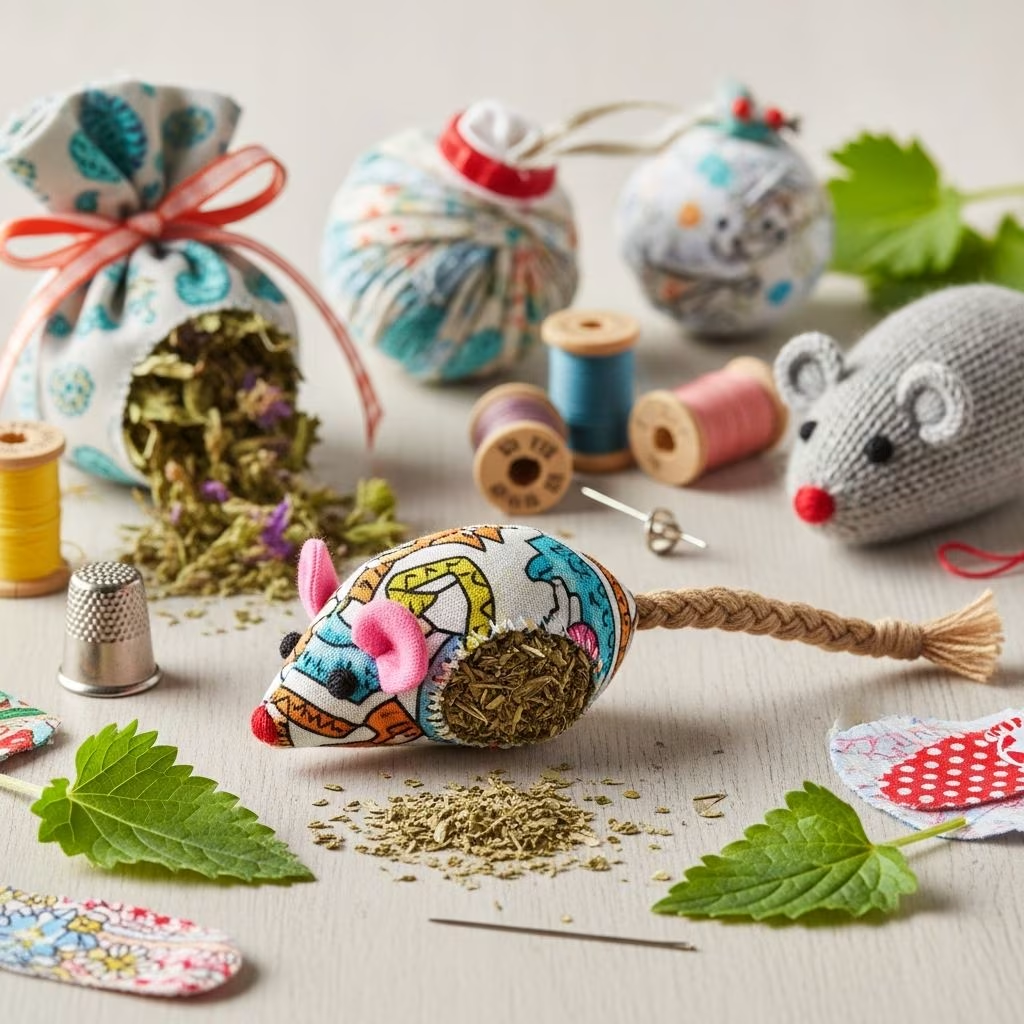
Creating homemade catnip toys offers cat owners a rewarding way to enrich their pet’s environment. These simple crafts combine the irresistible allure of catnip with everyday materials, resulting in toys that spark joy, encourage activity, and support overall well-being. Whether you’re aiming to combat boredom or foster closer connections, DIY projects provide customizable, budget-friendly options that keep cats entertained for hours.
The Allure of Catnip for Cats
Catnip, derived from the Nepeta cataria plant, triggers euphoric responses in about 70-80% of cats due to nepetalactone, a compound that binds to olfactory receptors. This leads to behaviors like rolling, rubbing, and playful pouncing, followed by a phase of deep relaxation. Such reactions not only entertain but also mimic natural hunting instincts, making catnip a powerful tool for enrichment.
Reactions vary by cat; kittens and seniors may show less interest, and sensitivity can diminish with age or overexposure. Limiting sessions to 10-15 minutes prevents tolerance buildup, ensuring long-term effectiveness.
Key Advantages of Catnip-Infused Toys
Incorporating catnip into toys amplifies their appeal, delivering multifaceted benefits for feline health.
- Promotes Physical Fitness: Toys prompt chasing and batting, burning calories and maintaining muscle tone—crucial for indoor cats prone to obesity.
- Eases Anxiety: Post-play calmness reduces stress from environmental changes or loud noises, fostering a sense of security.
- Boosts Cognitive Function: Scent-driven puzzles challenge problem-solving, warding off boredom-induced mischief like scratching furniture.
- Enhances Owner-Pet Bonding: Joint play sessions build trust through positive interactions.
- Supports Oral Hygiene: Chewable designs help scrape tartar, promoting gum health.
- Satisfies Instincts Safely: Prey-like shapes allow hunting simulations without real-world risks.
Types of DIY Catnip Toys to Craft
From plush kickers to interactive wands, variety ensures appeal for different play styles. Tailor designs to your cat’s preferences—soft for cuddlers, durable for aggressive chewers.
| Toy Type | Best For | Key Features |
|---|---|---|
| Plush Stuffies | Cuddle-loving cats | Soft fabric filled with catnip; shapes like fish or birds |
| Crinkle Balls | Active chasers | Lightweight with noisy materials for batting fun |
| Wand Attachments | Bonding sessions | Feather or fabric tips infused with catnip |
| Chew Pouches | Scratches and gnawers | Durable fabrics for scratching redirection |
Essential Materials and Safety Guidelines
Gather non-toxic, cat-safe supplies: organic catnip, cotton fabrics, felt, socks, embroidery floss, and polyester filling. Avoid small parts like buttons or bells that pose choking hazards. Opt for organic catnip to minimize pesticide exposure.
Supervise initial plays to monitor reactions. Wash toys regularly and refresh catnip potency by adding dried leaves or sprays. Discard frayed items promptly to prevent ingestion risks.
Step-by-Step DIY Projects
Project 1: Plush Fish Kicker Toy
This elongated toy mimics prey for instinctive kicking and hugging.
- Cut two 8×4-inch fish shapes from felt or fleece.
- Sew three sides together, leaving a 2-inch opening.
- Stuff with polyester fiber and 1-2 tablespoons catnip.
- Close securely with ladder stitch; add embroidered eyes if desired.
- Wave to entice play—watch your cat roll and kick!
Time: 20 minutes. Cost: Under $5.
Project 2: Sock Snake with Crinkle Fill
A slithery favorite for dragging and wrestling.
- Fill an old knee sock with crinkled plastic bags (remove labels) and catnip.
- Tie knots at intervals to form segments.
- Sew or hot-glue the open end shut.
- Optional: Attach yarn tongue or googly eyes (supervised use).
Encourages prowling hunts across floors. Refresh by untying and re-stuffing.
Project 3: Interactive Feather Wand
Perfect for lassoing your cat into energetic chases.
- Attach feathers or fabric strips to a wooden dowel with string.
- Spray feathers liberally with catnip-infused water or dust with powder.
- Dangle and flick to mimic flying insects.
- Store dry to preserve scent.
Play 10-minute sessions daily to build endurance.
Project 4: Puzzle Ball Dispenser
Challenges minds with treat rewards.
- Poke holes in a tennis ball or knit a loose fabric sphere.
- Fill with kibble mixed with catnip flakes.
- Roll on floor—cats bat to release goodies.
Combines feeding with stimulation, ideal for mealtime enrichment.
Project 5: Pom-Pom Chew Toys
Small, portable orbs for batting and nibbling.
- Wind yarn into four pom-poms (1-inch diameter).
- Sew catnip pouch inside each; connect with strong twine.
- Scatter for solo play or dangle as mobile.
Durable for tough chewers; yarn choice affects longevity.
Customizing Toys for Your Cat’s Personality
Observe preferences: energetic cats love wands, mellow ones plushies. Test sizes—larger for big breeds, mini for kittens. Rotate toys weekly to maintain novelty, preventing disinterest.
For multi-cat homes, make identical sets to avoid jealousy. Introduce gradually to prevent overstimulation.
Sourcing Quality Catnip and Storage Tips
Choose potent, organic varieties from reputable pet suppliers. Store in airtight jars away from light to retain oils. Grow your own plant for endless supply—pot in sunny spots indoors.
Frequently Asked Questions
Is catnip safe for all cats?
Yes, in moderation. About 20% of cats are unaffected genetically. Avoid daily use to prevent habituation; consult vets for health issues.
How often should I refresh catnip in toys?
Every 1-2 weeks or when potency fades. Sprinkle or re-stuff as needed.
Can kittens play with catnip toys?
Sensitivity develops around 6 months; start sparingly.
What if my cat ignores the toy?
Try different scents like silver vine or rotate designs. Not all cats respond equally.
Are DIY toys cheaper than store-bought?
Significantly—use household scraps for near-zero cost versus $10+ commercial options.
Long-Term Enrichment Strategies
Integrate DIY toys into routines: morning wand sessions for energy release, evening stuffies for wind-down. Combine with scratching posts dusted in catnip to redirect claws. Track playtime to adjust for age-related changes.
These crafts not only save money but deepen your understanding of your cat’s needs, leading to a happier household.
References
- Catnip Toys for Cats: Benefits, Uses & Why Cats Love Them — Koston. 2023. https://koston.com/blogs/editorial/catnip-toys-for-cats-benefits-uses-why-cats-love-them
- Interactive Cat Toys: Enhancing Playtime with Catnip — SmarterPaw. 2023. https://smarterpaw.com/blogs/news/interactive-cat-toys-enhancing-playtime-with-catnip
- The Magic of Catnip: Safe & Smart Ways to Use It for Your Feline Companion — Independence Veterinary Clinic. 2024. https://independenceveterinaryclinic.com/the-magic-of-catnip-and-how-to-use-it-safely-and-sparingly-for-your-feline-companion/
- Catnip Toys: 7 Best Options to Keep Your Cat Active and Happy — Canine and Co. 2023. https://canineandco.co.za/blogs/news/catnip-toys-7-best-options-to-keep-your-cat-active-and-happy-2291-55
- DIY Catnip Toys: Fun Projects for You and Your Cat — SmarterPaw. 2023. https://smarterpaw.com/blogs/news/diy-catnip-toys-fun-projects-for-you-and-your-cat



