

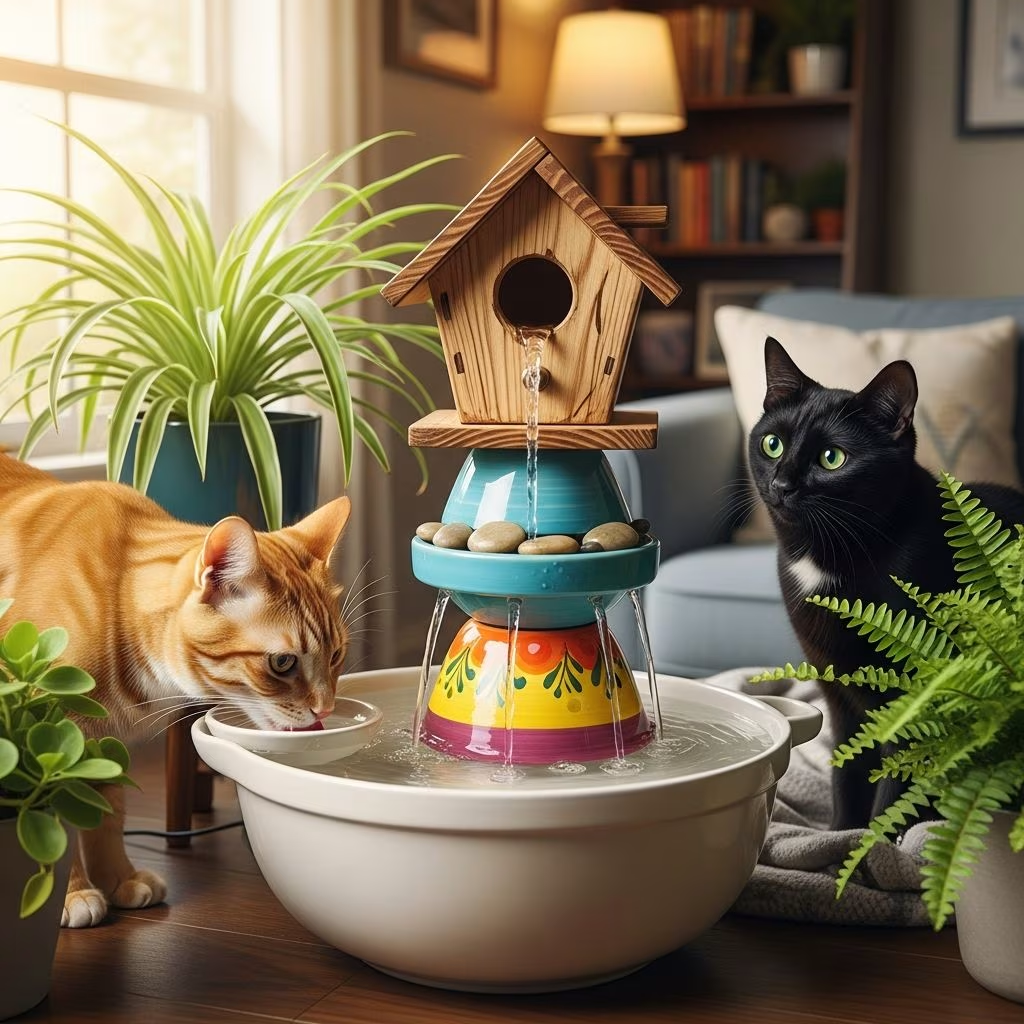
Creating a DIY cat water fountain offers pet owners an inventive way to ensure their felines stay hydrated while adding a personalized touch to home pet care. Cats often prefer moving water over stagnant bowls, mimicking their ancestral preference for streams, which promotes better health outcomes like reduced urinary issues.
Why Cats Thrive with Flowing Water Sources
Cats instinctively gravitate toward running water due to its freshness and oxygenation, which discourages bacterial growth compared to still bowls. This natural attraction can significantly increase daily water intake, vital since cats have a low thirst drive from their desert origins where moisture came primarily from prey.
- Enhanced Hydration: Flowing water entices cats to drink more, preventing dehydration-linked problems such as kidney stones and urinary tract infections.
- Cleaner Supply: Circulation keeps water cooler and filters out debris, reducing biofilm and contaminants that taint static bowls.
- Health Safeguards: Better fluid intake supports digestion, coat quality, and overall organ function, potentially aiding weight management by promoting satiety.
Households with multiple cats benefit from larger, shared fountains that minimize refills and encourage communal drinking without competition.
Understanding Fountain Mechanics for DIY Projects
Most cat fountains operate via a pump that cycles water from a reservoir through filters and spouts, creating a continuous, appealing flow. Gravity-based versions rely on reservoir drip without electricity, ideal for simple builds. Key components include quiet pumps, replaceable filters, and dishwasher-safe parts for hygiene.
| Type | How It Works | Best For |
|---|---|---|
| Electric Pump | Circulates filtered water endlessly | Multi-cat homes, heavy use |
| Gravity-Fed | Drips from top reservoir | Budget builds, low-tech |
| Solar-Powered | Uses sunlight for pump | Outdoor or eco-friendly setups |
Selecting durable, BPA-free materials ensures safety, while adjustable flows cater to picky drinkers.
Gathering Materials for Cost-Effective Builds
DIY projects keep costs under $50 by repurposing items like plastic bins, PVC pipes, and aquarium pumps. Essential supplies include:
- Submersible pump (5-10 GPH for quiet operation)
- Activated carbon filters or mesh screens
- Food-grade containers (e.g., storage totes or buckets)
- Tubing and fittings for water routing
- Silicone sealant for leak-proof assembly
Source these from hardware stores or online pet suppliers. Prioritize quiet models to avoid scaring sensitive cats.
Step-by-Step Guide: Simple Plastic Tub Fountain
This beginner-friendly design uses a large tub for ample capacity, perfect for one or two cats.
- Prepare Base: Drill a hole in the tub lid for the pump cord and smaller ones for tubing outlets.
- Install Pump: Place the pump inside the tub with intake filter submerged; attach tubing to output.
- Create Flow: Route tubing to form a spout or cascade over the lid edge into the tub.
- Add Filtration: Inline a carbon filter on the tubing to purify recirculated water.
- Seal and Test: Apply silicone around holes, fill with water, plug in, and check for leaks. Run 24 hours before cat introduction.
Total build time: 30 minutes. Capacity holds 2-3 liters, reducing refills.
Advanced Build: Multi-Tier PVC Pipe Cascade
For multi-cat households, construct a vertical tower mimicking natural waterfalls.
- Assemble Frame: Stack 4-inch PVC pipes on a sturdy base, connecting with elbows.
- Route Plumbing: Insert pump at bottom, pipe water up to top tier, allowing overflow to lower levels.
- Filter Integration: Embed mesh screens at each tier to catch fur and debris.
- Stabilize: Secure with brackets; paint non-toxic colors for appeal.
- Prime System: Fill tiers sequentially, activate pump, adjust flow for gentle streams.
This setup entertains with visual and auditory stimulation, boosting intake.
Budget Option: Repurposed Bucket Gravity Dripper
No electricity needed—ideal for renters or travel.
- Hang Bucket: Suspend an upside-down bucket over a wide basin using rope or hooks.
- Poke Valve: Drill a small hole in the bucket bottom; insert a ball valve for drip control.
- Position Basin: Place shallow dish below for easy lapping.
- Monitor Flow: Adjust valve for slow drip, replenishing as needed.
Refresh water twice daily to maintain freshness.
Placement and Introduction Strategies
Position fountains away from litter boxes and food, in quiet, accessible spots like kitchens or living rooms. Introduce gradually: run for days to familiarize with sounds, add catnip nearby, then block bowl access to redirect. Observe preferences—some cats paw at streams playfully.
Maintenance Routines for Longevity and Safety
Weekly disassembly, pump rinsing, and filter swaps prevent clogs and bacteria. Use vinegar soaks for mineral buildup; avoid harsh chemicals. Check cords for chew damage monthly.
- Daily: Top off water, skim debris.
- Weekly: Deep clean all parts.
- Monthly: Inspect pump impeller for wear.
BPA-free plastics and lead-free solders ensure toxin-free water.
Potential Challenges and Quick Fixes
Common issues include noise (swap for quieter pumps), leaks (re-seal joints), or disinterest (vary flow or add toys).
| Issue | Solution |
|---|---|
| Cat ignores it | Mix tuna water initially; demonstrate drinking |
| Pump clogs | Pre-filter intake with finer mesh |
| Over-splashing | Lower spout height or add splash guard |
DIY vs. Store-Bought: A Balanced Comparison
Homemade fountains slash costs (under $30 vs. $40+) and allow customization, though commercial ones offer warranties and app controls. DIY shines for experimentation.
Frequently Asked Questions (FAQs)
Are DIY cat fountains safe?
Yes, if using pet-safe, non-toxic materials without small loose parts. Always supervise initial use.
How often should I clean a homemade fountain?
Weekly full cleans, daily surface wipes to mimic commercial hygiene standards.
Will my cat actually use a DIY fountain?
Most do, especially finicky drinkers drawn to motion; patience during intro phase is key.
Can I use tap water in fountains?
Yes, but filters help with chlorine; filtered or bottled enhances taste.
What’s the best pump for quiet operation?
5GPH submersible models from aquarium suppliers minimize noise.
Enhancing Hydration Beyond Fountains
Complement DIY setups with wet food, flavored waters, or multiple stations. Track intake via measured reservoirs to monitor health.
Investing time in a DIY cat water fountain yields healthier, happier pets through sustained hydration and engaging designs tailored to their whims.
References
- The Benefits of a Cat Water Fountain — PetSmart. 2023. https://www.petsmart.com/learning-center/cat-care/benefits-of-a-cat-water-fountain
- Why a Cat Water Fountain is the Best Investment for Your Feline Companion — Sirius Vets. 2024. https://siriusvets.com/why-a-cat-water-fountain-is-the-best-investment-for-your-feline-companion/
- Are Cat Water Fountains Worth It? Pros, Cons, and Hydration Tips — Cheerble. 2023. https://cheerble.com/blogs/cheerble-blog/cat-water-fountain-benefits-guide
- A Flow of Benefits: The Pros and Cons of Pet Water Fountains — Wired Whisker. 2024. https://www.wiredwhisker.com/blog/the-pros-and-cons-of-pet-water-fountains
- DIY Cat Drinking Fountain: A Step-by-Step Guide for Pet Owners — UAH Pet. 2023. https://www.uahpet.com/blogs/post/diy-cat-drinking-fountain-a-step-by-step-guide-for-pet-owners
- 5 Benefits of Switching from a Bowl to a Pet Water Fountain — Petcube. 2022. https://petcube.com/blog/benefits-of-using-a-pet-water-fountain/



