

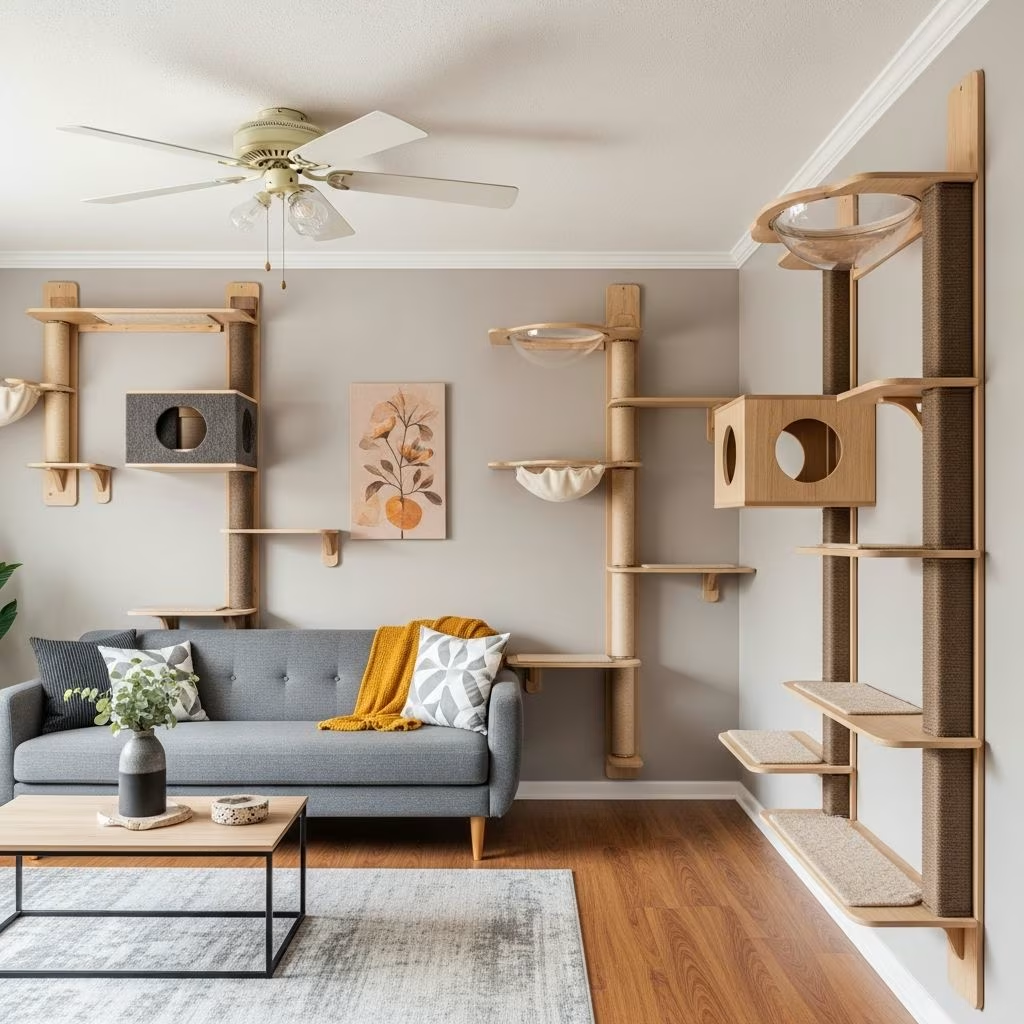
Cats are naturally inclined to seek high vantage points where they can observe their surroundings and feel secure. Creating elevated spaces in your home addresses this instinctive behavior while maximizing square footage and adding aesthetic appeal to your living environment. Wall-mounted shelves designed specifically for cats offer a practical solution that encourages physical activity and mental stimulation while fitting seamlessly into modern home décor.
Why Vertical Spaces Matter for Feline Wellness
Providing elevated resting areas serves multiple important functions in your cat’s daily life. Vertical spaces allow cats to retreat to quiet zones away from household activity, reducing stress and anxiety. In multi-cat households, elevated shelves create distinct territories that give each animal personal space, thereby minimizing territorial conflicts and promoting a more harmonious living situation.
Beyond behavioral benefits, wall-mounted shelves encourage natural climbing and jumping movements, which are essential for maintaining muscle tone and cardiovascular health. These vertical pathways create natural highways through your home that keep indoor cats mentally engaged and physically active throughout the day.
Gathering Your Materials and Tools
Before beginning any installation project, assembling the right materials ensures a safe and successful outcome. The foundation of any cat shelf system is a high-quality wooden board that can safely support your pet’s weight without flexing or sagging over time.
Essential Materials for Your Project
- Wooden boards measuring at least 1/2 inch thick, 12 inches deep, and 18 inches wide as a minimum
- Heavy-duty “L” shaped brackets with side lengths equaling at least half the board’s depth
- Solid wall anchors rated for 50 pounds or direct stud mounting hardware
- Wood screws of appropriate length for secure bracket attachment
- Measuring tape and level for accurate installation
- Fabric or carpet material to provide traction and comfort
- Spray adhesive for fabric attachment (optional but recommended)
Required Tools for Installation
- Electronic stud finder for locating wall supports
- Power drill with appropriate bits
- Spirit level to ensure proper alignment
- Screwdriver or power driver for fastening hardware
- Pencil for marking drill points
- Utility knife for trimming excess material
- Staple gun for securing fabric (if using plywood method)
Many home improvement retailers will cut boards to your specifications at no additional cost and can provide recommendations on bracket strength appropriate for your cat’s size and weight. Some stores also offer rounded corner options or pre-made edge protectors that reduce injury risk during active play.
Selecting Appropriate Materials for Your Home
Choosing the right materials involves balancing safety requirements with aesthetic preferences. Begin by assessing your cat’s weight and physical abilities, as these factors determine the necessary strength and spacing of your shelving system.
Board Selection and Dimensions
Boards should provide enough surface area for your cat to stand, stretch, and turn around comfortably. Minimum dimensions of 12 inches deep and 18 inches wide create a suitable landing platform for most cats. Longer boards—extending across an entire wall—are possible but require additional support brackets placed approximately every 16 inches, which typically aligns with standard wall stud spacing in most homes.
Material choice affects both durability and appearance. Reclaimed wood adds character and warmth to your space while being environmentally conscious. Plywood offers an economical option, while hardwoods provide superior durability for multi-cat households. Consider your home’s décor when selecting wood type and finish.
Bracket and Hardware Considerations
Brackets form the critical structural support system for your shelves. “L” shaped brackets should have interior dimensions where the vertical and horizontal portions measure at least half the depth of your board. This proportional relationship ensures adequate support and prevents tipping. Brackets mounted into wall studs provide superior holding power compared to wall anchors alone, though heavy-duty anchors rated for 50 pounds or more provide acceptable support when stud mounting isn’t possible.
Fabric and Finishing Touches
Covering shelves with carpet or fabric serves both functional and aesthetic purposes. Fabric provides the traction cats need for confident climbing and jumping, preventing slipping on bare wood surfaces. Carpet squares in various colors allow you to customize shelves to match your home’s décor. Spray adhesive offers a clean attachment method that won’t show staples or hardware on visible surfaces.
Planning Your Shelf Layout and Spacing
Proper planning prevents installation errors and ensures your cat wall functions optimally. Before making any holes in your walls, map out the entire layout using painter’s tape and temporary markers.
Spacing Guidelines for Comfort and Safety
Shelves should be positioned 10 to 12 inches deep to provide comfortable resting surfaces where cats can fully stretch out. Vertical spacing between shelf levels should range from 12 to 18 inches, allowing cats to jump between levels safely. More athletic cats can navigate wider gaps, while senior cats or smaller breeds benefit from closer spacing that reduces jumping strain on aging joints.
Creating an Accessible Climbing Path
Arrange shelves in a staggered pattern that creates a natural progression from lower to higher elevations. Starting with a lower shelf near floor level gives cats an entry point, while progressively higher shelves encourage climbing and physical activity. Place the highest shelf at a height where your cat can safely jump down without risk of injury—typically no higher than 5-6 feet for most domestic cats.
Room Selection and Placement
Position shelves where your cat naturally spends time or where they can observe outdoor activity. A shelf near a window provides entertainment through bird watching and outdoor viewing. Placing shelves near family gathering spaces keeps your cat engaged with household members while maintaining their elevated sanctuary. Avoid high-traffic areas where family members might bump into shelves or disturb your cat’s rest periods.
Step-by-Step Installation Process
Following a systematic installation approach ensures structural integrity and proper alignment. Take your time with each step, as rushing through measurements or mounting procedures can compromise safety.
Locating and Marking Wall Studs
Use an electronic stud finder to locate vertical studs in your wall, which are typically spaced 16 inches apart. Mark the center of each stud with a pencil. For boards extending longer than 16 inches, plan to mount brackets at stud locations. If a desired bracket location doesn’t align with a stud, use heavy-duty wall anchors rated for adequate weight capacity. Mounting directly into studs provides the most secure installation and is strongly recommended for active or heavier cats.
Creating Precise Drill Points
Position the shelf or bracket against the wall at your planned height, using a spirit level to ensure the shelf sits perfectly horizontal. Mark the location of pre-drilled holes through the bracket onto the wall using a pencil. Check that markings are level and evenly spaced before proceeding. Remove the shelf and verify your marks are visible and accurately positioned.
Drilling Pilot Holes and Mounting Hardware
Drill pilot holes at marked locations to guide screw placement and prevent wood splitting. For stud mounting, use screws long enough to penetrate the stud by at least 1.5 inches. For wall anchor mounting, follow manufacturer specifications for hole diameter and screw length. Install wall anchors before inserting screws, ensuring they sit flush against the wall.
Securing Shelves to Brackets
Begin installation with the lowest shelf first, as it provides a reference point for subsequent shelves. Attach brackets to the wall using appropriate fasteners, ensuring all connections are tight and secure. Place the board on the brackets and verify proper fit and alignment. Use small fasteners to attach the board to brackets from beneath, avoiding screws that penetrate the visible top surface. Tighten all connections firmly, ensuring no movement or flex when pressure is applied.
Installing Subsequent Shelves
Use the first installed shelf as a template for spacing subsequent shelves, maintaining consistent vertical gaps between levels. This approach ensures uniform appearance and reliable jumping distances throughout your cat wall. Complete all bracket mounting before attaching boards, as this simplifies alignment and adjustment.
Preparing Shelves with Fabric and Finishing
Once the structural framework is complete, adding comfort and traction surfaces makes shelves more appealing and safer for your cat.
Applying Carpet or Fabric Covering
If using the plywood and carpet method, cut carpet pieces to fit your boards, wrapping material around three sides while leaving the wall-facing edge uncovered. Secure fabric using a stapler, pulling material tight to eliminate wrinkles and loose areas. Use a utility knife to trim excess material cleanly along edges.
For spray adhesive application, cut fabric to size and apply adhesive evenly to the board surface. Carefully position fabric, smoothing out air bubbles and wrinkles as you work. Allow adhesive to cure according to product instructions before allowing your cat to use the shelf.
Edge Protection and Safety Features
Consider adding child safety foam edge protectors to sharp corners where cats vault on and off shelves. These protective coverings reduce the risk of scratches and minor injuries during active play. Rounded corners can be specially ordered when purchasing boards, providing a permanent safety solution that eliminates the need for additional protective devices.
Introducing Your Cat to New Vertical Spaces
Even after installation is complete, many cats require time to discover and become comfortable with elevated shelves. Patience and positive reinforcement encourage natural adoption of these new spaces.
Gradual Introduction Techniques
Place enticing items on lower shelves to draw your cat’s attention. Catnip, favorite toys, or treats serve as motivation for exploration. Allow your cat to approach the shelves at their own pace without forcing interaction. Some cats take only hours to embrace new vertical spaces, while others require several days to warm to the concept.
Encouraging Climbing and Use
Interactive play using wand toys can draw your cat upward, demonstrating how to access higher shelves. Praising your cat when they independently climb or rest on shelves reinforces this positive behavior. Placing comfortable bedding or blankets on shelves increases their appeal as resting spots.
Frequently Asked Questions About DIY Cat Shelves
How much weight can properly installed cat shelves support?
Shelves mounted into wall studs with appropriate brackets can typically support 100+ pounds, far exceeding the weight of even the largest domestic cats. Using heavy-duty wall anchors reduces capacity to approximately 50 pounds, which remains adequate for most household cats. Always verify bracket and anchor specifications before installation.
Can renters install cat shelves without damaging walls?
Yes, renter-friendly options exist using heavy-duty wall anchors that can be removed without leaving visible damage. Some systems use adhesive mounting methods that damage only the removed adhesive backing. Consult your lease agreement and landlord before installation to ensure compliance with housing terms.
What if my cat refuses to use the new shelves?
Some cats require extended time to adopt new vertical spaces. Continue using positive reinforcement with treats and toys. Ensure shelves are positioned in areas where your cat naturally spends time. If your cat shows no interest after two weeks, try relocating shelves to different areas of your home where they may be more appealing.
How many shelves should I install?
Start with 2-3 shelves and observe how your cat uses the system. Most cats benefit from multiple climbing routes and resting zones throughout the home. Additional shelves can be added based on your cat’s activity level and available wall space.
Are there alternatives to homemade shelves?
Commercial cat shelves and wall-mounted cat furniture systems offer pre-made solutions with professional installation. However, DIY shelves allow customization to match your décor and provide cost savings, typically requiring $30-100 in materials compared to $150-500 for commercial systems.
References
- Cat Wall Shelves Installation Guide — The Refined Feline. 2024. https://www.therefinedfeline.com/cat-wall-shelves-installation-guide/
- How to Make DIY Cat Shelves — Hill’s Pet Nutrition. 2024. https://www.hillspet.com/cat-care/play-exercise/how-to-make-diy-cat-shelves
- DIY Cat Shelves — Instructables. 2024. https://www.instructables.com/DIY-Cat-Shelves/
- How to Build Cat Shelves That Your Cat Will Love — Brooklyn Farm Girl. 2024. https://brooklynfarmgirl.com/how-to-build-cat-shelves-that-your-cat-will-love/
- Designing Your Cat Wall — Catastrophic Creations. 2024. https://www.catastrophicreations.com/blogs/articles/designing-cat-wall



