

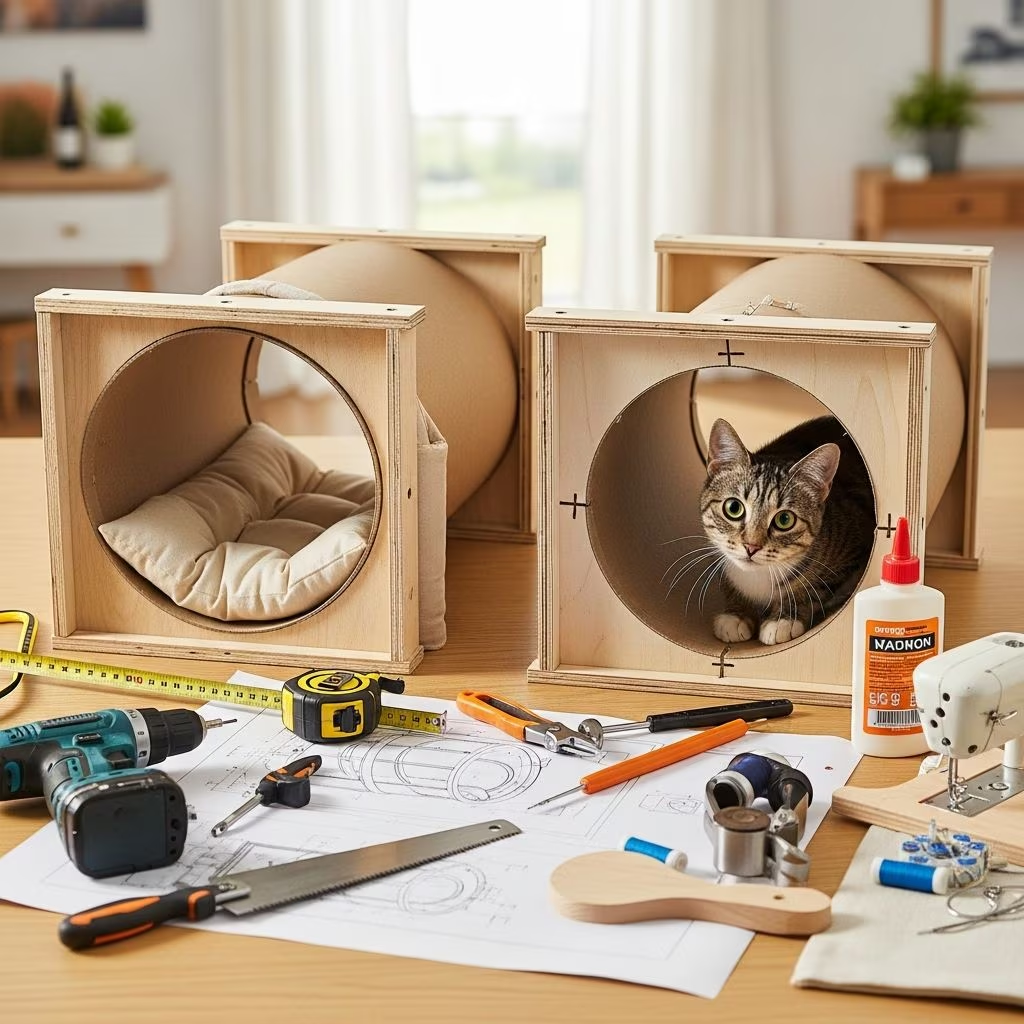
Cat tunnels represent an innovative solution for pet owners seeking to provide their feline companions with secure outdoor exploration opportunities. These structures combine safety with enrichment, allowing cats to experience the outdoors while remaining protected from dangers like traffic, predators, and escape risks. Whether you’re a seasoned DIY enthusiast or tackling your first construction project, building a cat tunnel can be a rewarding endeavor that significantly enhances your pet’s quality of life.
Understanding the Purpose and Benefits of Cat Tunnels
Cat tunnels serve multiple functions in a cat’s life. They provide protected pathways for felines to move around outdoor spaces while maintaining containment. Unlike traditional outdoor access, tunnels give cats the sensory experience of being outside—feeling grass, experiencing fresh air, and observing wildlife—without the associated risks. This type of enrichment becomes particularly valuable for indoor cats, offering mental stimulation and physical exercise in a controlled environment.
The construction of a cat tunnel requires careful planning regarding materials, dimensions, and location. Understanding your specific needs helps determine whether a simple ground-level tunnel or an elevated fence-top design best suits your situation.
Choosing Your Tunnel Design and Location
Before gathering materials, evaluate your space and determine what type of tunnel serves your purposes best. Several design options exist, each with distinct advantages:
- Ground-level tunnels: These run along the ground surface and work well for creating designated pathways through yards
- Elevated fence-line tunnels: Mounted along fence tops, these designs save ground space and create interesting vertical routes
- Connecting tunnels: These link your home to a designated outdoor catio area or between different garden sections
- Modular systems: Expandable designs allow you to add sections over time
Location selection significantly impacts the tunnel’s functionality and your cat’s enjoyment. Position tunnels away from potential hazards such as roads, garden chemicals, or areas frequented by aggressive animals. Consider sunlight exposure—some shaded sections provide relief on hot days while sunny areas allow for warmth and vitamin D exposure. Proximity to existing structures like trees or fences can enhance the tunnel’s visual appeal and provide additional climbing opportunities for your cats.
Essential Materials for Tunnel Construction
Building a sturdy cat tunnel requires specific materials chosen for durability and safety. The foundation and frame typically consist of pressure-treated or cedar lumber. Cedar offers advantages for outdoor applications due to its natural weather resistance and lighter weight compared to pressure-treated alternatives. For tunnels requiring maximum longevity or those expected to support multiple cats, cedar becomes the preferred choice.
Wire mesh or fencing forms the protective barrier that keeps cats safely contained while allowing visibility and airflow. Selecting appropriate mesh gauge matters considerably—spacing should be too small for escape attempts but large enough to allow airflow and natural light penetration. Stainless steel or galvanized options prevent rust and deterioration from weather exposure. Vinyl-coated wire provides additional durability and a finished appearance.
Your material checklist should include:
- Lumber for frame construction (typically 2×4 or 2×6 boards for main supports)
- Deck boards for flooring or siding (1×2 or similar dimensions)
- Wire mesh or fencing material
- Galvanized or stainless steel screws (3.5-inch deck screws recommended)
- Galvanized fence staples
- Outdoor wood stain or sealant
- Hardware and connectors as needed for your design
Weather-resistant finishing protects your wood investment from moisture damage, UV exposure, and rot. Applying exterior-grade stain or varnish extends the structure’s lifespan significantly, particularly important for ground-level tunnels exposed to constant moisture.
Tools Required for Successful Construction
Assembling the proper tools before beginning ensures efficient construction and safer operation. A complete toolkit includes:
| Tool Category | Specific Tools | Purpose |
|---|---|---|
| Measurement & Marking | Measuring tape, chalk, carpenter’s square | Accurate layout and dimension marking |
| Cutting | Circular saw, wire cutters, tin snips | Cutting lumber and wire mesh to size |
| Fastening | Electric drill, hammer, staple gun | Assembling components securely |
| Safety | Safety glasses, work gloves, dust mask | Personal protection during construction |
Pre-drilling holes before inserting screws becomes critically important—skipping this step frequently results in wood splitting, compromising the structure’s integrity. An appropriately sized drill bit matching your screw diameter ensures clean, secure connections.
Step-by-Step Construction Process
Preparing and Cutting Materials
Begin by measuring your intended tunnel location and determining final dimensions. Cut all wood pieces to length, maintaining consistent sizing for uniform appearance and structural integrity. If using deck boards for the base or siding, cut them to appropriate lengths and prepare notched corners if your design calls for overlapping connections.
Building the Frame Foundation
Layout your 2×4 support beams on the ground or along your fence line, spacing them appropriately to support the tunnel’s weight and cat traffic. These beams form the tunnel’s backbone and must be level and secure. Pre-drill holes where deck boards will attach to these beams, then fasten using two to three screws per connection point. Stagger your deck boards with supporting beams underneath staggered sections to prevent sagging and ensure even weight distribution.
Installing Wire Mesh Security
Once your wooden framework is complete and secured, attach the wire mesh. Lay the completed walkway portion on its side, then position wire mesh across the entire structure. Cut mesh to appropriate dimensions using wire cutters—many builders trim the height to create more comfortable clearance for cats moving through the tunnel.
Attach mesh beginning at one edge, using a staple gun and galvanized staples to secure it firmly to the wooden frame. Place staples approximately every second or third mesh rectangle rather than at every junction—this provides adequate security while reducing staple quantity. After securing one side completely, fold the mesh framework over the tunnel structure and staple the opposite side, creating a secure enclosure.
Weatherproofing and Finishing
Apply outdoor wood stain, sealant, or paint after construction completion and before introducing cats to the tunnel. Multiple thin coats provide better protection than single heavy applications. Allow adequate drying time between coats and before exposing the structure to cats, following product-specific instructions for cure times.
Design Variations and Advanced Options
Elevated Fence-Line Tunnels
Tunnels mounted along fence tops utilize vertical space efficiently and create interesting elevated pathways for adventurous cats. These designs typically employ lighter cedar materials and require secure shelf brackets or mounting hardware to support the structure safely. Ensure all connection points are reinforced and regularly inspected for stability.
Multi-Level Systems
Advanced builders create interconnected tunnel systems combining ground-level and elevated pathways. These designs provide maximum enrichment and allow multiple cats to navigate simultaneously without congestion.
Modular and Expandable Designs
Constructing individual tunnel sections allows for future expansion and customization. Build sections as standalone units, then connect them using compatible coupling hardware. This approach provides flexibility as your cat family grows or as you develop new garden areas.
Safety Considerations and Best Practices
Ensuring your cat tunnel remains a secure environment requires attention to several safety factors. Inspect mesh regularly for damage, deterioration, or sharp edges that could injure cats. Replace compromised sections immediately to maintain containment integrity.
Provide adequate ventilation throughout the tunnel system to prevent heat accumulation during warm months. Ground-level construction naturally allows airflow, while enclosed designs may benefit from additional mesh sections specifically for ventilation.
Make sure tunnel dimensions accommodate your specific cats comfortably—adequate height for cats to stand without crouching and sufficient width for turning around. For multi-cat households, wider tunnels prevent territorial conflicts and allow cats to pass each other safely.
Protect the tunnel interior from sharp protruding screws, rough wood edges, or exposed staples. Sand down rough spots and apply edge protection where needed. Regularly check for splinters or deteriorating wood that could harm sensitive paw pads.
Maintenance and Seasonal Care
Regular maintenance extends your cat tunnel’s lifespan significantly. Inspect wooden components monthly for signs of rot, pest damage, or deterioration. Weather exposure gradually degrades wood; reapplication of sealant or stain every 2-3 years maintains protection.
Clean mesh regularly to prevent debris accumulation and ensure proper visibility. During heavy rain or snow, check for water pooling or ice formation inside the tunnel. For areas with severe winter weather, consider covering sections or temporarily relocating moveable tunnel components.
Remove fallen leaves, branches, and organic debris that could create pest habitats or block ventilation. Pressure washing wooden components annually removes mold, mildew, and dirt buildup, rejuvenating appearance while preventing deterioration.
Frequently Asked Questions
How much does it cost to build a cat tunnel?
Costs vary based on tunnel length, materials selected, and design complexity. Basic ground-level tunnels typically range from $150 to $400, while elaborate multi-section elevated systems may exceed $1,000. Cedar lumber costs more initially than pressure-treated alternatives but offers superior longevity and aesthetics.
Can multiple cats safely use the same tunnel?
Yes, with proper dimensions. Build tunnels with adequate width and height to prevent conflicts. Wider sections (at least 18-24 inches) allow cats to pass comfortably. Territorial cats may benefit from multiple tunnel routes providing escape options.
What mesh size is appropriate for cats?
One-inch by one-inch mesh (1×1) provides security for most cats while maintaining adequate visibility and airflow. Smaller mesh is unnecessary and reduces ventilation; larger mesh risks escape or injury from protrusions.
How long do cat tunnels typically last?
Properly maintained tunnels last 5-10 years or longer. Cedar construction with regular sealing extends lifespan significantly compared to untreated lumber. Environmental factors and weather severity influence durability.
Can I build a cat tunnel on an apartment balcony?
Yes, with modifications. Build lightweight structures using aluminum framing or PVC pipes with mesh enclosure. Ensure stability and secure anchoring to prevent wind damage or falling. Check lease agreements regarding structural modifications first.
What’s the ideal tunnel height?
Minimum clearance should allow cats to walk upright without stooping. Most designs feature 24-30 inches of internal height. Taller cats or tunnels designed for climbing benefit from 36+ inch heights.
Conclusion: Creating Outdoor Opportunities for Your Feline Friend
Building a cat tunnel represents an investment in your pet’s physical and mental well-being. These structures bridge the gap between indoor safety and outdoor stimulation, providing cats with experiences that enrich their lives while maintaining security. Whether you construct a simple ground-level pathway or an elaborate multi-level system, the effort yields significant rewards through observing your cats’ enjoyment and increased activity levels.
Start with manageable designs and expand your system as you gain experience and confidence. The materials and techniques discussed here provide a solid foundation for creating professional-quality cat tunnels that serve your feline companions for years to come.
References
- How to build an outdoor cat tunnel — Cuckoo4Design. Accessed January 2026. https://cuckoo4design.com/outdoor-cat-tunnel/
- DIY Guide: How to Build Outdoor Cat Tunnel at Home — Somerzby. Accessed January 2026. https://www.somerzby.com.au/blog/how-to-build-outdoor-cat-tunnel/
- How to create a catio-friendly outdoor tunnel that your cat will love — BC SPCA. Accessed January 2026. https://spca.bc.ca/news/catio-tunnel/
- Building Safe Outdoor Cat Enclosures — SPCA. Accessed January 2026. https://spca.bc.ca/news/catio-tunnel/



