

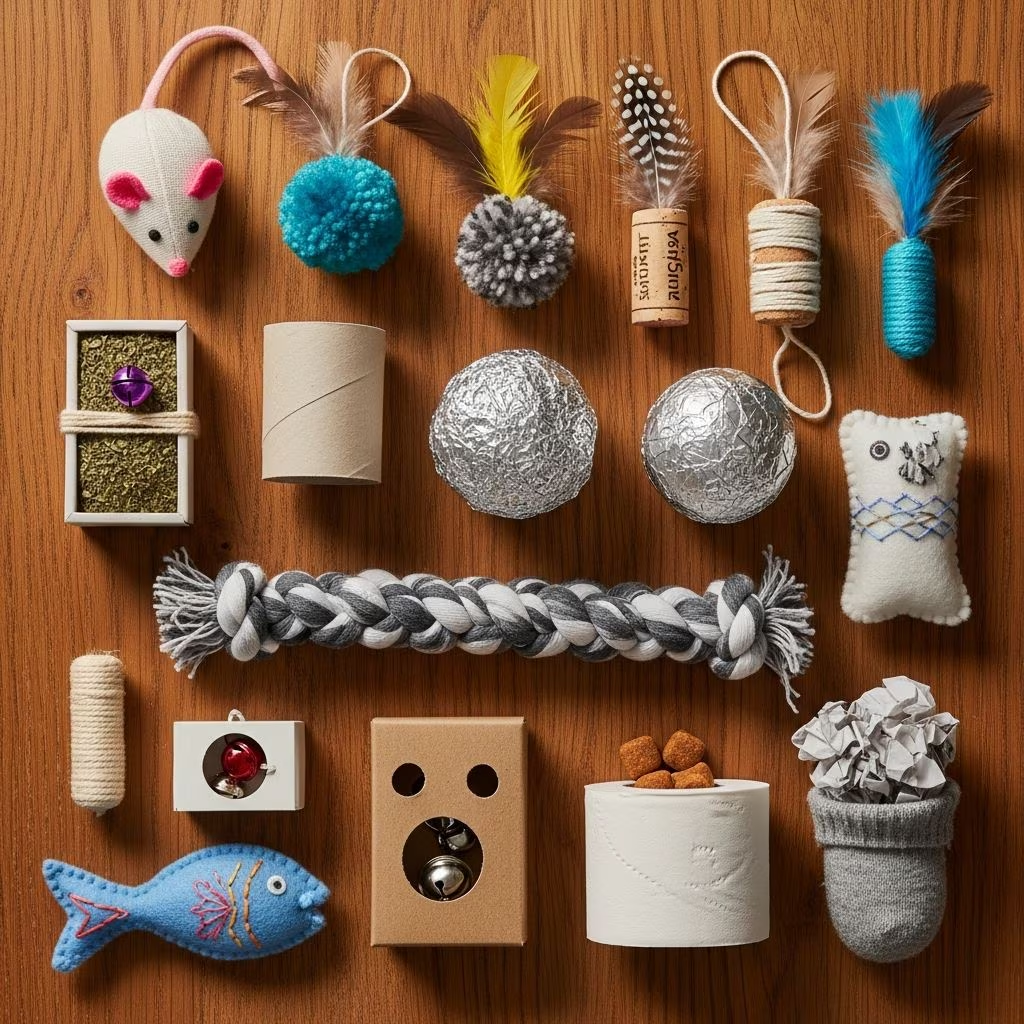
25 Free DIY Cat Toys You Can Make at Home
Cat owners understand the importance of providing their feline companions with engaging toys and enrichment activities. However, commercial cat toys can be expensive, and many cats are equally entertained by toys you can create yourself using household materials. Making DIY cat toys is not only cost-effective but also allows you to customize toys to match your cat’s unique personality and play preferences. Whether your cat is a high-energy hunter or a lazy lounger, there are numerous simple projects you can complete in minutes to keep your kitty entertained and mentally stimulated.
Why DIY Cat Toys Matter
Cats require regular playtime and mental enrichment to maintain physical health and psychological well-being. Interactive play helps prevent obesity, reduces behavioral problems, and strengthens the bond between you and your pet. The beauty of homemade cat toys is that they cost little to nothing, use items you likely already have around your house, and can be customized based on what captures your cat’s interest most. Additionally, creating toys yourself ensures they are safe and free from potentially harmful materials.
Essential Materials for DIY Cat Toys
Before diving into specific projects, gather these commonly used materials for making cat toys:
- Cardboard boxes and tubes
- String, yarn, and cord
- Tennis balls
- Feathers and fabric scraps
- Bells and rattles
- Catnip and treats
- Scissors and craft knives
- Duct tape and glue
- Plastic containers
- Toilet paper rolls
Simple Interactive Toys
Crinkle Pompom Cat Toy
One of the easiest DIY toys to create, crinkle pompoms combine visual appeal with auditory stimulation. These lightweight toys are perfect for cats who enjoy batting objects around their home. The crinkle texture and sound create an engaging sensory experience that most cats find irresistible. You can make multiple pompoms in various bright colors to keep your cat’s interest piqued. Simply gather crinkle material, form it into a ball shape, and secure it with string or ribbon.
Catnip Kicker
The catnip kicker is ideal for cats with high prey drives and lots of energy to burn. This toy is sized perfectly for your cat to grab with their front paws while delivering powerful kicks with their hind legs. Fill a small fabric pouch or sock with catnip and secure it tightly. The kicking motion allows cats to simulate their natural hunting behaviors in a safe, controlled manner. Your cat will spend hours wrestling with and pouncing on this simple but effective toy.
DIY Cat Wand
A cat wand or teaser stick provides interactive play that engages both you and your feline. Attach a lure to the end of a stick using string or cord, creating a toy that mimics the movement of prey. Common lures include feathers, small plush toys, or fabric scraps. The unpredictable movement of the wand triggers your cat’s hunting instincts and provides excellent exercise. This toy also strengthens your bond through interactive play sessions, giving you quality time with your pet while they get much-needed physical activity.
Puzzle and Enrichment Toys
Mega Cat Toy Puzzle with Toilet Paper Rolls
Save your empty toilet paper rolls to create an engaging puzzle toy that challenges your cat’s problem-solving skills. Layer rolls vertically in a box, creating compartments where you can hide treats or kibble. Your cat must reach into the rolls to extract the rewards, providing mental stimulation and encouraging natural foraging behaviors. This project requires saving multiple rolls but results in a toy that can provide hours of entertainment. The complexity of the puzzle helps combat boredom and can be adjusted by varying treat placement.
No-Sew Puzzle Feeder
A simple puzzle feeder encourages lazy cats to become more active by turning mealtime into a game. Create one by punching small holes in a plastic container or container, making the openings just large enough for kibble or treats to fall through when your cat rolls or nudges the toy. Your cat must manipulate the feeder to release food, providing both mental and physical enrichment. This type of toy slows down fast eaters and makes feeding time more engaging.
Toilet Paper Tube Puzzle Toy
One of the quickest DIY toys to create, the toilet paper tube puzzle requires only a few minutes and basic materials. Fold one end of an empty toilet paper roll inward, creating compartments. Fill the tube with treats or catnip and fold the other end closed. Your cat will spend time unraveling and destroying the tube to access the contents. While this toy may not last long, it’s so easy and inexpensive to make that you can create multiple versions for continuous entertainment.
Creative and Artistic Toys
Mouse Plush Toy
For those with basic sewing skills, creating a mouse plush toy is a rewarding project. Using simple hand-sewing techniques, you can craft a fabric mouse filled with catnip that becomes an instant favorite. The sewing process is beginner-friendly, and the finished product is durable and safe for your cat. Customize the mouse with different fabrics and add details like embroidered eyes or whiskers for added charm.
DIY Macaroon Cat Toys
These lightweight, fluffy toys resemble macaroons and appeal to cats who enjoy batting and pouncing on small objects. Create them by shaping lightweight material into small balls of varying sizes. The different sizes keep your cat on their toes, as they can’t predict exactly how the toy will move when batted. These toys are particularly good for multi-cat households where cats can chase and play with them together.
DIY Pompom Cat Tail
Create an adorable pompom tail that doubles as both a toy and a decorative piece. This craft project is simple enough to involve children and allows you to choose colors that match or complement your cat’s own tail. The pompom design is lightweight and perfect for cats who enjoy carrying toys in their mouths or engaging in interactive play. You can even create a keychain version for yourself while making one for your cat.
Stationary and Hideaway Toys
DIY Cat Tunnel
Cat tunnels provide excellent outlets for play and hide-and-seek activities. Create one using PVC pipe, flexible tubing, or even rolled-up fabric. A homemade tunnel costs significantly less than commercial versions while providing the same entertainment value. Tunnels encourage cats to run, pounce, and hide, satisfying their natural instincts. Position the tunnel in your home where your cat already likes to play for maximum engagement.
DIY Cardboard Cat Play Box
Transform a simple cardboard box into an engaging play space for your cat. Cut windows and doors into the box, creating entry and exit points. You can enhance the box by adding toys inside, creating a special hideaway nook where your cat feels secure while playing independently. Cats naturally love boxes for their sense of security, so this DIY version provides both physical enrichment and psychological comfort.
Cat Ribbon Play Gym
A stationary ribbon gym keeps cats entertained even when you’re not home. Hang ribbons from a structure or attach them to a wall-mounted base, creating dangling targets for your cat to bat and pounce on. The movement of ribbons in response to air circulation adds an extra element of engagement. This type of toy is particularly useful for keeping indoor cats mentally stimulated throughout the day.
Advanced DIY Projects
Fishing Pole Cat Toy
Similar to a cat wand but with added complexity, a fishing pole toy provides extended interactive play. Attach a longer line to a pole, allowing for more dynamic movement and wider play areas. This toy is excellent for cats with strong prey drives and those who enjoy extended play sessions. The fishing pole design allows for more realistic prey-like movements that thoroughly engage your cat’s hunting instincts.
Hide-and-Seek Toy Box
Create a classic hide-and-seek toy by placing balls inside a sealed cardboard box with holes cut in the sides. Your cat can bat the balls through the holes without them escaping the box. This toy combines interactive play with puzzle elements, keeping your cat engaged for extended periods. Experiment with different hole shapes and sizes to customize the difficulty level for your specific cat.
Quick and Easy Projects
Two-Minute Cat Toy
For instant entertainment, create simple toys in just two minutes. Wrap tissue paper around treats, crinkle fabric scraps into balls, or tie string into simple shapes. While these toys may be destroyed quickly, their simplicity makes them perfect for creating in batches. The eco-friendly, recyclable nature of these toys makes them guilt-free even if your cat destroys them immediately.
Cat Toy Puff with Yarn
The classic yarn toy remains a feline favorite for good reason. Create yarn puffs by wrapping yarn around your fingers to form a fluffy ball, then securing the center tightly. These lightweight toys are perfect for cats who enjoy carrying toys or batting them across the floor. The texture of yarn is inherently appealing to cats, making this an almost guaranteed success.
Material Selection and Safety Tips
- Always use non-toxic materials and avoid items with small parts that could become choking hazards
- Ensure all string and cord are securely attached so they cannot be ingested
- Test the durability of toys before allowing unsupervised play, especially with aggressive chewers
- Replace toys showing signs of damage, loose stitching, or broken parts
- Supervise playtime with toys containing small bells or other removable parts
- Avoid toxic substances like certain essential oils, chocolate, and xylitol-containing items
- Choose materials appropriate for your cat’s age and play style
Customizing Toys for Your Cat’s Preferences
Different cats have different play styles and preferences. Some cats are attracted to toys with catnip, while others prefer toys that make noise or move unpredictably. Observe your cat’s natural behaviors to determine which toy designs will be most engaging. Active cats may prefer flirt poles and wands that provide interactive play, while indoor cats might enjoy puzzle feeders and tunnels. Creating multiple toy varieties ensures you can match your cat’s current mood and energy level.
Budget-Friendly Benefits
Creating DIY cat toys offers substantial financial advantages compared to purchasing commercial alternatives. Most materials cost nothing since you’re using household items destined for recycling. Even when purchasing specialized materials like catnip or bells, bulk options remain affordable. A single craft session can produce multiple toys for less than the cost of one commercial toy. This affordability allows you to provide frequent toy rotation, keeping your cat’s environment fresh and engaging without financial strain.
Involving Family Members
Making cat toys is an excellent family activity that children can participate in at appropriate skill levels. Simple projects like creating pompoms, filling puzzle feeders, and assembling basic toys are safe for children to help with. This involvement teaches children about pet care, creativity, and sustainability while producing toys your cat will love. Family crafting sessions create bonding opportunities while preparing enrichment for your feline family member.
Frequently Asked Questions
Q: Are DIY cat toys as safe as commercial toys?
A: Yes, DIY cat toys can be equally safe when made with appropriate materials and proper construction. The key is using non-toxic materials, securing all components properly, and regularly inspecting toys for damage or loose parts that could become hazards.
Q: How often should I replace homemade cat toys?
A: Replace toys when they show signs of wear, damage, or if small parts become loose. Quick toys made from paper or fabric may only last a few play sessions, while sturdier toys can last weeks or months with proper care.
Q: Can I use yarn and string safely in cat toys?
A: Yarn and string can be used safely if properly secured so cats cannot ingest them. Avoid leaving long lengths of unsecured string or yarn where your cat can swallow them, as this poses serious digestive risks.
Q: What if my cat ignores the toys I make?
A: Different cats have different preferences. Try varying the materials, adding catnip or treats, or adjusting the toy design. Interactive play with wands and poles also helps engage less interested cats.
Q: How can I keep my cat interested in DIY toys long-term?
A: Rotate toys regularly to maintain novelty and interest. Store some toys away and bring them back after a few weeks, making them seem new again. Create variety by making different toy types that appeal to different play styles.
References
- 25 Free DIY Cat Toys You Can Make at Home (With Pictures) — Catster. 2024. https://www.catster.com/lifestyle/diy-cat-toys/
- 3 DIY Cat Toys You Can Make Yourself — The Comforted Kitty. 2024. https://comfortedkitty.com/diy-cat-toys-on-a-budget/
- How-To: DIY Cat Toys from Toilet Paper Rolls — Make Magazine. 2024. https://makezine.com/article/craft/how-to-diy-cat-toys-from-toilet-paper-rolls/
- DIY Cat Toys with Kate Benjamin — Jackson Galaxy. 2024. https://www.jacksongalaxy.com/blogs/news/diy-cat-toys-w-kate-benjamin



