

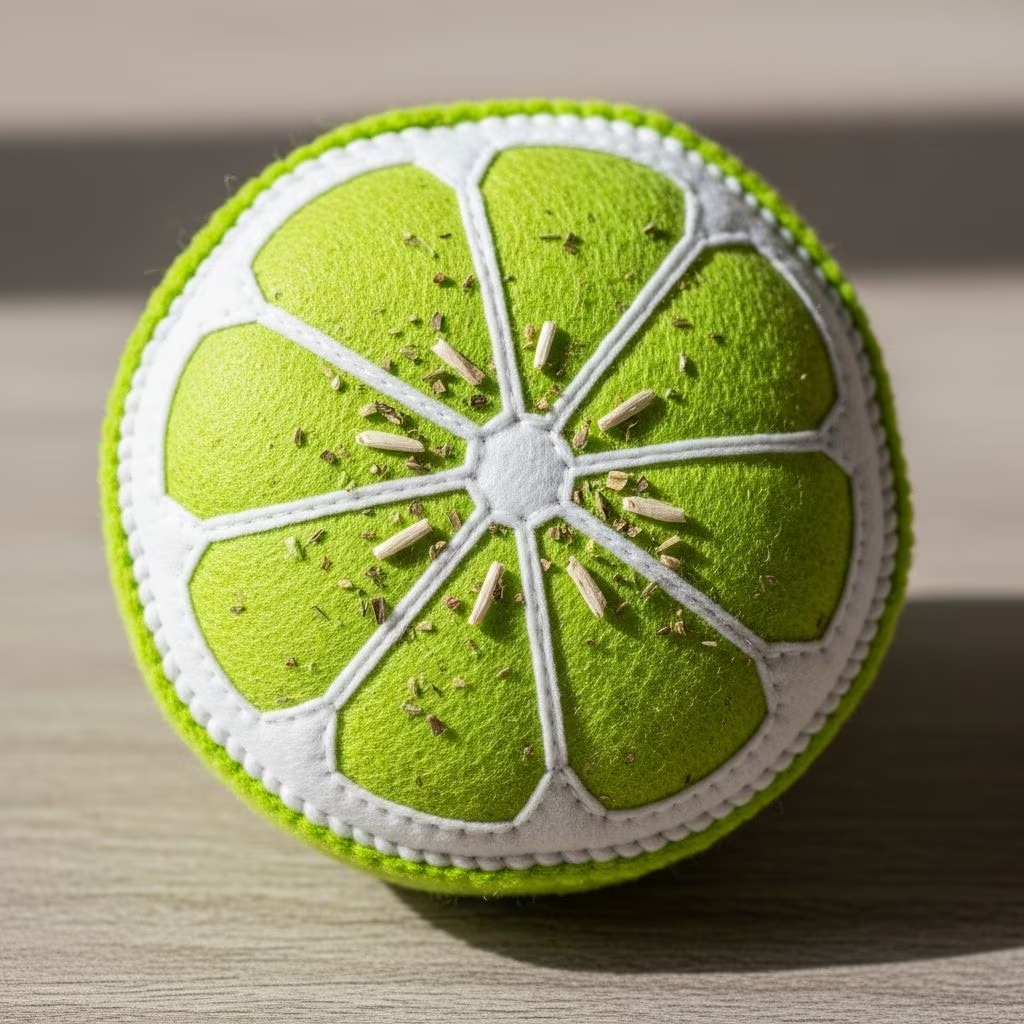
DIY Cat Toys: Make a Lime Slice Double Catnip Toy for Your Main Squeeze
Creating homemade cat toys is a rewarding way to entertain your feline companion while maintaining control over the materials and quality. One particularly engaging DIY project involves making a felt lime slice toy that’s both visually appealing and incredibly stimulating for cats. This comprehensive guide will walk you through the process of crafting a double-catnip lime slice toy that combines two forms of catnip stimulation: organic catnip stuffing and catnip oil spray infusion. Your kitty will absolutely go crazy for this fresh, a-peel-ing creation.
Why Make DIY Cat Toys?
Homemade cat toys offer numerous advantages over store-bought alternatives. First, you have complete control over the materials used, ensuring they are non-toxic and safe for your pet. Second, DIY toys can be significantly more cost-effective, especially if you’re making multiple toys. Third, the process can be enjoyable for you as a cat parent, and you can customize toys to match your cat’s preferences and play style. Finally, handmade toys often provide superior enrichment because they engage multiple senses—sight, smell, and touch.
Understanding the Double Catnip Approach
The brilliance of this lime slice toy lies in its dual catnip strategy. By combining both organic catnip stuffing and catnip oil spray, you create an intensely aromatic toy that stimulates your cat’s senses on multiple levels. The stuffed catnip provides the foundational scent, while the oil spray adds an extra layer of aroma that cats find irresistible. This double-dose approach ensures longer-lasting interest and engagement.
Materials You’ll Need
Before beginning your project, gather all necessary supplies to ensure a smooth crafting experience:
- Large circle stencil template or two cups of different sizes (a soda can and a 3-inch diameter cup work well)
- Sharp scissors
- 2 small binder clips or sewing pins (straight pins)
- Black marker
- Ruler
- Felt squares or sheets in lime green, dark green, and white
- Embroidery needle
- Thread or embroidery floss in white
- Thimble for protection while sewing
- Organic catnip (brands like Meowijuana Meowi-Waui, Petlinks Pure Bliss, or Holistic Blend work well)
- Catnip spray (From the Field brand is recommended)
Step-by-Step Instructions
Step 1: Create Your Circle Templates
Begin by preparing your templates. Using a marker, trace a 2.5-inch circle onto lime green felt using your stencil or soda can. This will be the inner lime flesh portion of your toy. Next, trace a 3-inch circle onto white felt—this serves as the lime pith layer. Finally, trace another 3-inch circle onto dark green felt, which will be the outer lime skin.
Step 2: Assemble the Front Design
Take your 2.5-inch lime green circle and position it in the center of the 3-inch white circle. Using binder clips or straight pins, secure the green circle to the white circle. Thread your needle with white embroidery floss (use 6 strands for proper thickness) and sew around the perimeter of the green circle using a basic running stitch. This creates the edge definition of your lime slice.
Step 3: Add the Lime Segment Details
Using the same white thread, create a spoke pattern on the green circle to divide it into eight pie-shaped sections, mimicking the natural segments of a lime. After completing the spokes, fill in the center of the circle with stitches to create a white center, representing the core of the lime fruit.
Step 4: Prepare the Back Layer
Using a blanket stitch or whipstitch, attach your decorated front piece (the white circle with lime design) to the large dark green circle. Leave approximately one inch unsewn—this opening will be used to stuff the toy and is crucial for the next steps.
Step 5: Stuff with Organic Catnip
Through the one-inch opening you left, carefully fill your homemade cat toy with your chosen organic catnip. Don’t overstuff; you want the toy to remain soft and squeezable. Use a small funnel or carefully fold catnip into the opening to minimize mess and waste.
Step 6: Complete the Seam
Once filled, finish sewing the remaining inch closed using the same stitch you used on the rest of the toy. Make sure to tie off your thread securely with a knot along the edge to prevent unraveling.
Step 7: Apply Catnip Oil Spray
For the final flourish, spray both sides of your completed lime slice toy with catnip oil. This additional application ensures maximum aromatic impact and extends the duration of your cat’s interest in the toy. Allow the oil to dry slightly before presenting the toy to your feline friend.
Material Specifications and Substitutions
While the above materials provide the optimal crafting experience, several substitutions are possible. If you don’t have embroidery floss, regular thread will work, though it may be less visible in your design. For felt, quality craft felt from any retailer will suffice—the lime green, dark green, and white color combination is essential for authenticity. Regarding catnip sources, look for organic varieties to ensure your cat isn’t exposed to pesticides or additives. Different catnip brands have varying potencies, so you may need to experiment to find your cat’s favorite.
Important Sewing Techniques
Running Stitch
The running stitch is the most basic sewing stitch and is perfect for this project. Simply push your needle through the felt, creating evenly spaced stitches approximately one-eighth inch apart. This stitch provides adequate strength for a toy while remaining simple enough for beginners.
Blanket Stitch
The blanket stitch is decorative and functional, securing fabric edges while preventing fraying. It involves looping the thread around the edge of the fabric before pushing the needle through, creating a finished appearance along the edges.
Whipstitch
An alternative to the blanket stitch, the whipstitch involves passing the needle through the fold of fabric edges, creating a nearly invisible seam. This stitch is particularly useful when joining two pieces of felt together, as it provides a clean appearance.
Customization Options
Once you master the basic lime slice design, numerous variations are possible. Consider creating other citrus fruit toys—orange slices, lemon slices, or grapefruit halves using different color combinations. You can also experiment with different catnip oil brands to determine which your cat prefers. Some cats respond better to certain formulations, so trial and error will help you discover your pet’s favorite.
Safety Considerations
Always ensure that all stitching is secure before giving the toy to your cat. Loose threads can be choking hazards, and rough edges could harm your pet’s mouth. Use only organic catnip from reputable sources, avoiding products with additives or chemical treatments. If your cat has sensitive skin or respiratory issues, consult your veterinarian before introducing catnip toys. Additionally, supervise your cat’s play with new toys initially to ensure they don’t attempt to destroy or ingest the felt material.
Catnip Refresher Guide
Over time, your cat’s interest in a catnip toy may wane as the aroma diminishes. To refresh the toy, apply additional catnip oil spray every few weeks. Alternatively, you can make a small opening, remove a portion of the old catnip, and add fresh catnip, then reseal with a few stitches. Most catnip toys can be refreshed multiple times throughout their lifespan, making them economical and long-lasting playthings.
Storage and Maintenance
Store your DIY catnip toys in an airtight container or plastic bag to preserve the potency of the catnip scent. Exposure to air accelerates the degradation of catnip’s aromatic compounds. Between play sessions, keeping toys sealed extends their effectiveness and ensures your cat maintains enthusiasm for the toy. Inspect toys regularly for damage, loose stitches, or tears that could compromise safety.
Frequently Asked Questions
Q: How long does a homemade catnip toy remain effective?
A: Most homemade catnip toys remain effective for several weeks to a few months, depending on usage frequency and storage conditions. Proper storage in airtight containers significantly extends the toy’s lifespan.
Q: Can I use dried catnip from my garden?
A: Yes, dried catnip from your garden works well, though purchased organic catnip typically offers more consistent potency. Ensure any homegrown catnip hasn’t been treated with pesticides.
Q: Is this toy suitable for kittens?
A: While the toy is generally safe, supervise kittens during play to ensure they don’t attempt to destroy or ingest the felt material. Some experts recommend waiting until kittens are at least six months old before introducing catnip toys.
Q: What if my cat isn’t interested in catnip?
A: Not all cats respond to catnip—sensitivity is hereditary. If your cat shows no interest, try alternative enrichment toys or experiment with silvervine or valerian root, which produce similar effects in some cats.
Q: Can I make these toys as gifts for other cat owners?
A: Absolutely! These DIY lime slice toys make excellent personalized gifts. Package them in airtight bags with a note about refreshing the toy periodically for maximum enjoyment.
Q: How often should I refresh the catnip spray?
A: Reapply catnip spray every 2-4 weeks, or whenever you notice your cat showing decreased interest in the toy. Monitor your individual cat’s behavior to determine the optimal refresh schedule.
Q: What thread color works best for the design?
A: White thread provides excellent contrast against the green felt and is most visible. However, you can use thread colors matching your chosen felt colors for a more subtle, integrated appearance.
Conclusion
Creating a DIY lime slice double catnip toy is an engaging and rewarding project that provides your feline companion with hours of entertainment and enrichment. By combining organic catnip stuffing with catnip oil spray, you create a toy that delivers maximum sensory stimulation. The relatively simple sewing techniques required make this project accessible to crafters of all skill levels. Whether you’re creating toys for your own cat or as thoughtful gifts for fellow cat enthusiasts, this lime slice design is sure to become a favorite. With proper storage and periodic refreshing, these homemade toys offer excellent value and demonstrate your commitment to your cat’s wellbeing and happiness. Start crafting today and watch your main squeeze enjoy this a-peel-ing creation.
References
- DIY Cat Toys: Make a Felt Catnip Cat Toy — Chewy. 2025. https://www.chewy.com/education/cat/general/diy-cat-toys-make-a-lime-slice-double-catnip-toy-for-your-main-squeeze
- Easy DIY Catnip Gifts Cat Toys — Dream a Little Bigger. https://www.dreamalittlebigger.com/post/easy-diy-catnip-gifts-cat-toys.html



