

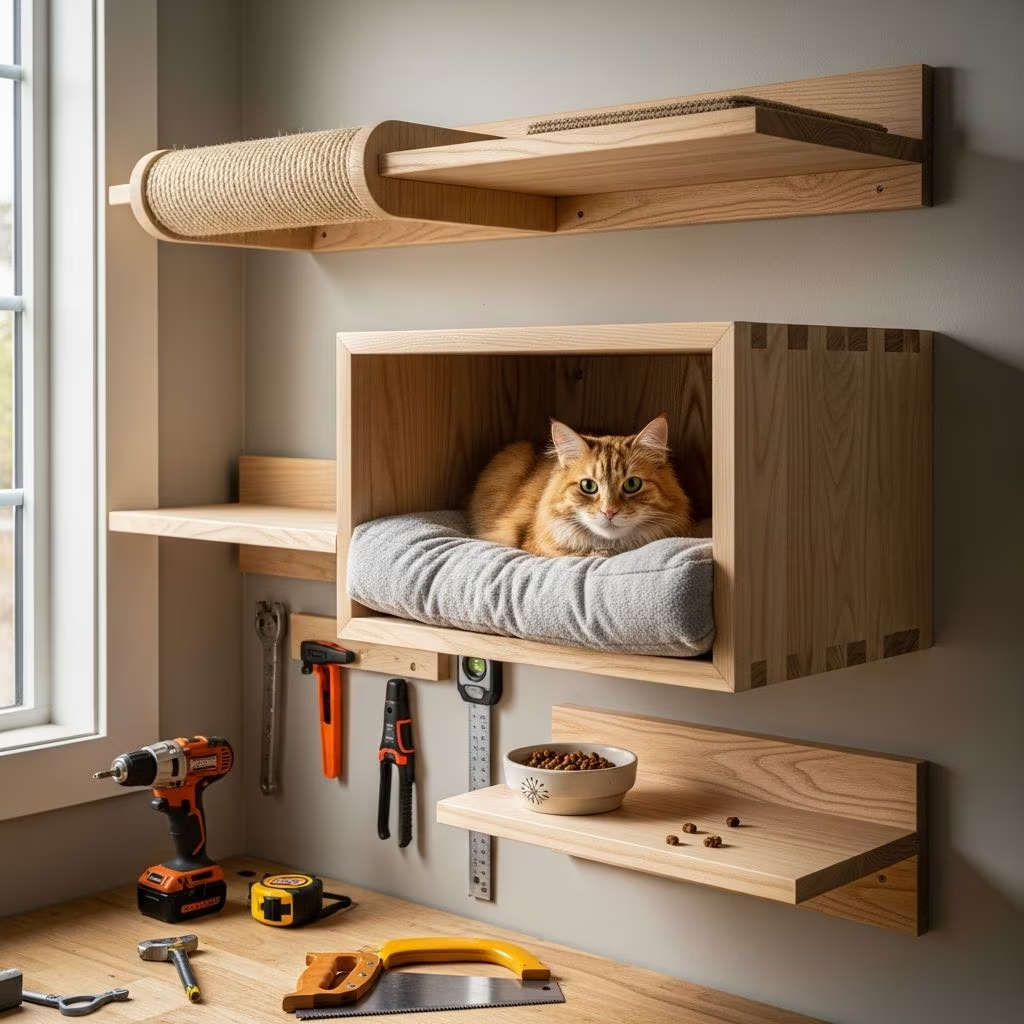
Creating vertical spaces in your home offers cats the elevation they naturally crave while adding visual interest to your living spaces. Wall-mounted shelves designed specifically for felines provide safe perching areas where they can observe their surroundings, rest comfortably, and maintain their territorial awareness. This guide walks you through the entire process of constructing custom cat shelves from material selection through final installation.
Understanding Why Cats Need Elevated Spaces
Cats are inherently drawn to high vantage points where they can survey their environment and feel secure. In their natural habitat, cats seek elevated positions to monitor potential threats and hunting opportunities. Indoor cats benefit tremendously from access to shelf systems that satisfy this instinctive behavior. Beyond behavioral enrichment, elevated shelves encourage physical activity and provide retreat spaces where cats can rest undisturbed when they need solitude.
Well-designed cat shelves also help reduce stress and anxiety in multi-pet households by offering escape routes and safe zones. When cats have access to vertical territory, they experience improved psychological well-being and exhibit fewer behavioral problems related to confinement or environmental stress.
Selecting Materials and Tools for Your Project
Essential Materials
The foundation of any successful cat shelf project depends on choosing appropriate materials that balance durability, safety, and aesthetics. Your material selections should prioritize structural integrity since they must safely support your cat’s weight and accommodate dynamic movement.
- Wooden boards — Select plywood or solid wood boards measuring at least 1/2 inch thick, with minimum dimensions of 12 inches deep and 18 inches wide. Thicker boards (3/4 to 1 inch) provide superior stability, especially for longer shelves or heavier cats.
- Support brackets — Heavy-duty L-brackets with side lengths measuring at least half the board’s depth ensure adequate support. Look for brackets rated to handle several times your cat’s body weight for safety margins.
- Wall anchors and fasteners — Premium anchors support shelves on drywall, though anchoring into wall studs provides the most secure installation. Use wood screws specifically designed for wall mounting with appropriate length for your bracket thickness.
- Covering materials — Carpet, sisal rope, or fabric covering provides traction and comfort while protecting the underlying wood. Spray adhesive works well for securing fabric, though stapling remains a reliable alternative.
- Safety additions — Consider foam edge protectors or child safety guards to reduce injury risks during landing and takeoff.
Required Tools
Proper tools ensure accurate cuts, secure fastening, and level installation. At minimum, gather:
- Stud finder for locating wall studs
- Power drill with bits and impact driver for efficient fastening
- Circular saw or table saw for cutting boards to size
- Measuring tape and yardstick for accurate dimensions
- Level tool for ensuring proper shelf alignment
- Utility knife for trimming fabric edges
- Stapler with staples for securing covering materials
- Screwdriver for manual fastening
Planning Your Cat Shelf Configuration
Spacing and Layout Considerations
Thoughtful planning determines whether your shelf system will be both functional and aesthetically pleasing. The spacing between shelves dramatically affects how cats navigate the system and how naturally they use the structure.
Professional cat furniture designers recommend maintaining 12 to 16 inches of horizontal spacing between shelves and 12 to 18 inches of vertical spacing. These measurements provide sufficient room for cats to navigate comfortably while creating a cohesive visual appearance. Ensure adequate clearance so cats can turn their bodies and crouch for takeoff without restriction.
When designing longer shelves, particularly those extending 24 inches or more from the wall, distribute support brackets at appropriate intervals rather than relying solely on end brackets. A practical guideline suggests placing support brackets approximately every 16 inches, which often aligns with standard wall stud spacing.
Location Selection
The placement of your cat shelf system should align with your cats’ natural behaviors and your home’s architecture. Window-adjacent shelves allow cats to observe outdoor activity, satisfying their hunting instincts through bird watching and environmental stimulation. Corner installations maximize space efficiency while providing natural boundaries that many cats prefer. Avoid placing shelves directly above frequently used human seating areas where falling items or cat accidents could cause issues.
Assess wall condition before installation. Shelves mounted to solid walls with accessible studs provide the strongest and safest installation foundation.
Construction and Assembly Process
Preparing and Cutting Boards
Begin by measuring and marking your wooden boards to desired dimensions. Use a measuring tape and square to ensure accurate markings. Many home improvement stores offer cutting services for a minimal fee or sometimes complimentary if you purchase materials from them. This saves time and ensures precise cuts using professional equipment.
If cutting boards yourself, mark cutting lines clearly and make cuts slowly and deliberately using appropriate saws. For plywood, a circular saw works effectively, while a table saw provides superior control for precise cuts.
Applying Covering Materials
Once boards are cut to size, prepare them for covering materials. For carpet-covered shelves, cut carpet pieces slightly larger than your boards. Position the board at the center of the carpet and wrap the material around three sides (the exposed sides), securing it underneath with staples.
Place staples approximately every 2-3 inches along wrapped edges, ensuring even tension throughout to prevent wrinkles or gaps. After stapling, use a utility knife to trim excess carpet, leaving the wall-facing edge uncovered since it will contact the wall.
For fabric applications using spray adhesive, work in a well-ventilated area and apply adhesive according to product instructions. Stretch fabric evenly across the board surface and smooth out air pockets and wrinkles as you progress.
Sanding and Finishing
Sand all wood surfaces and edges to eliminate splinters that could injure paws or cause fabric tears. Use progressively finer grit sandpaper to achieve smooth finishes. Fill any visible fastener holes or wood imperfections with wood filler or speckle compound, then sand smooth once dried.
If desired, apply pet-safe paint or wood stain to enhance appearance. Allow adequate drying time before mounting to walls or attaching brackets.
Installation and Mounting Procedures
Locating Wall Studs and Drilling
Locate wall studs using an electronic stud finder, marking their positions clearly on the wall. Studs provide the most secure anchor points and should be your primary installation targets. Once stud locations are identified, measure and mark exact points where bracket fasteners will penetrate studs.
Pre-drill holes at marked locations using appropriately sized drill bits for your fasteners. Pre-drilling prevents wood splitting and ensures screws seat properly into studs.
Bracket Installation and Leveling
Install shelf brackets to wall studs using appropriate-length wood screws that penetrate deep into stud material. For dual-bracket installations, install one bracket and level it before drilling holes for the second bracket. Use a level tool against the bracket side to ensure vertical alignment and across both brackets to verify the horizontal plane.
For corner installations where stud availability is limited, combine bracket support with support cleats mounted on adjacent walls. This configuration distributes weight effectively across multiple wall sections.
Attaching Shelves to Brackets
Once brackets are securely installed, attach prepared shelves to brackets using small wood screws inserted from beneath the shelf surface. This approach keeps fastener heads from protruding through the top surface where they could scratch paws or catch on fabric. Use screws long enough to secure shelves firmly without penetrating the visible top surface.
For floating shelf designs using internal mounting systems, follow specific manufacturer instructions for your bracket type and mounting hardware.
Safety Considerations and Best Practices
| Safety Consideration | Importance | Implementation |
|---|---|---|
| Proper weight capacity | Critical | Use brackets and materials rated for multiple times your cat’s weight |
| Secure fastening | Critical | Anchor into wall studs with appropriate-length screws |
| Adequate spacing | Important | Maintain 12-18 inches vertical spacing for safe jumping |
| Splinter-free surfaces | Important | Sand all wood edges and fill fastener holes |
| Edge protection | Beneficial | Add foam guards or rounded edges to reduce injury risk |
| Non-slip covering | Beneficial | Use carpet or textured fabric for secure foot grip |
Design Variations and Creative Options
Linear Shelf Arrangements
Simple linear arrangements with shelves stacked vertically create dramatic vertical pathways. These designs work well against otherwise bare walls and suit cats who prefer climbing progressively higher. Linear arrangements facilitate natural jumping progression, with lower shelves serving as launch points for reaching upper shelves.
Staggered and Asymmetrical Layouts
Staggered shelf arrangements create visually interesting patterns while accommodating different movement styles. Some cats prefer diagonal approaches to different heights, and staggered layouts encourage exploration and activity. These designs also allow creative customization to fit existing décor and furniture arrangements.
Corner and Alcove Installations
Corner installations maximize unused space while providing cats with partially enclosed areas that feel secure. Alcove shelves create cozy retreats where cats can rest while maintaining observation capabilities.
Material Variations
Beyond traditional carpet, explore sisal rope wrapping, corrugated cardboard, fabric upholstery, or natural wood finishes. Different materials provide varied textures, aesthetic options, and maintenance characteristics. Sisal rope offers excellent scratch appeal, while fabric coverings provide comfort and visual softness.
Maintenance and Long-Term Care
Regular inspection ensures continued safety and structural integrity. Check fasteners monthly to confirm they remain tight and haven’t loosened through vibration or movement. Inspect fabric coverings for tears, excessive wear, or odor accumulation. Many fabric coverings can be replaced without removing shelves, making updates straightforward.
Vacuum or brush carpet-covered shelves regularly to remove dust, hair, and debris. Clean fabric with pet-safe cleansers as needed. Replace damaged sections promptly to prevent further deterioration and maintain safety.
Troubleshooting Common Installation Issues
Shelves Not Level
If shelves appear sloped, verify bracket installation using a level before attaching shelves. Adjust bracket position before final fastening. Wall imperfections sometimes require shim placement under brackets to achieve true horizontal alignment.
Squeaking or Movement
Noise during cat movement indicates loose fasteners or bracket movement. Tighten all fasteners and verify stud anchoring. If brackets continue moving, additional brackets or support cleats may be necessary.
Inadequate Grip or Slipping
Smooth surfaces cause cats to slip during landing or takeoff. Add carpet, sisal, or other textured coverings to improve traction. Ensure fabric is stretched evenly without wrinkles that could catch paws.
Frequently Asked Questions
How much weight can properly installed cat shelves support?
Well-constructed shelves using appropriate materials and proper installation methods safely support multiple cats. Shelves rated for 50+ pounds with appropriate bracket sizing provide comfortable margins for most domestic cats. Verify bracket weight ratings and ensure installation into solid wall studs rather than relying solely on wall anchors.
What is the ideal shelf depth for cats?
A minimum 12-inch depth provides stable landing areas. Deeper shelves offer more comfortable resting space, while very shallow shelves may feel unstable to cats. Most 12 to 18-inch depths work well for typical domestic cats.
Can shelves be installed on apartment walls?
Installation feasibility depends on wall construction and lease terms. Many apartments allow non-permanent installation using heavy-duty wall anchors rather than stud fastening. Consult your lease and landlord before installation. Some renters use removable mounting systems or command-style picture rails for flexible solutions.
How many shelves should a cat wall include?
There is no absolute minimum or maximum. Three to five shelves create an engaging multi-level system without overwhelming spaces. Start with three shelves and add additional shelves based on wall space and cat interest. Observe how your cats use shelves and adjust future installations accordingly.
What covering material lasts longest?
Sisal rope withstands scratching exceptionally well and naturally appeals to scratching instincts. Commercial-grade carpet handles heavy use effectively. Fabric coverings require more frequent replacement but offer aesthetic flexibility. Maintenance frequency and replacement ease should factor into your covering selection.
Conclusion
Creating custom elevated shelves for your cats combines practical enrichment benefits with creative home customization. Whether you’re building simple single shelves or elaborate multi-level systems, proper planning, quality materials, and careful installation ensure safe structures that cats will enjoy for years. Start with a manageable project, learn from the experience, and expand your system over time as you understand your cats’ preferences and movement patterns.
References
- DIY Cat Shelves: 8 Steps (with Pictures) — Instructables. https://www.instructables.com/DIY-Cat-Shelves/
- How to Make DIY Cat Shelves — Hill’s Pet Nutrition. https://www.hillspet.com/cat-care/play-exercise/how-to-make-diy-cat-shelves
- How To Make Easy DIY Floating Cat Shelf — YouTube. https://www.youtube.com/watch?v=pGHulqd7GIs
- Designing Your Cat Wall | DIY Cat Wall Ideas — Catastrophic Creations. https://www.catastrophicreations.com/blogs/articles/designing-cat-wall



