

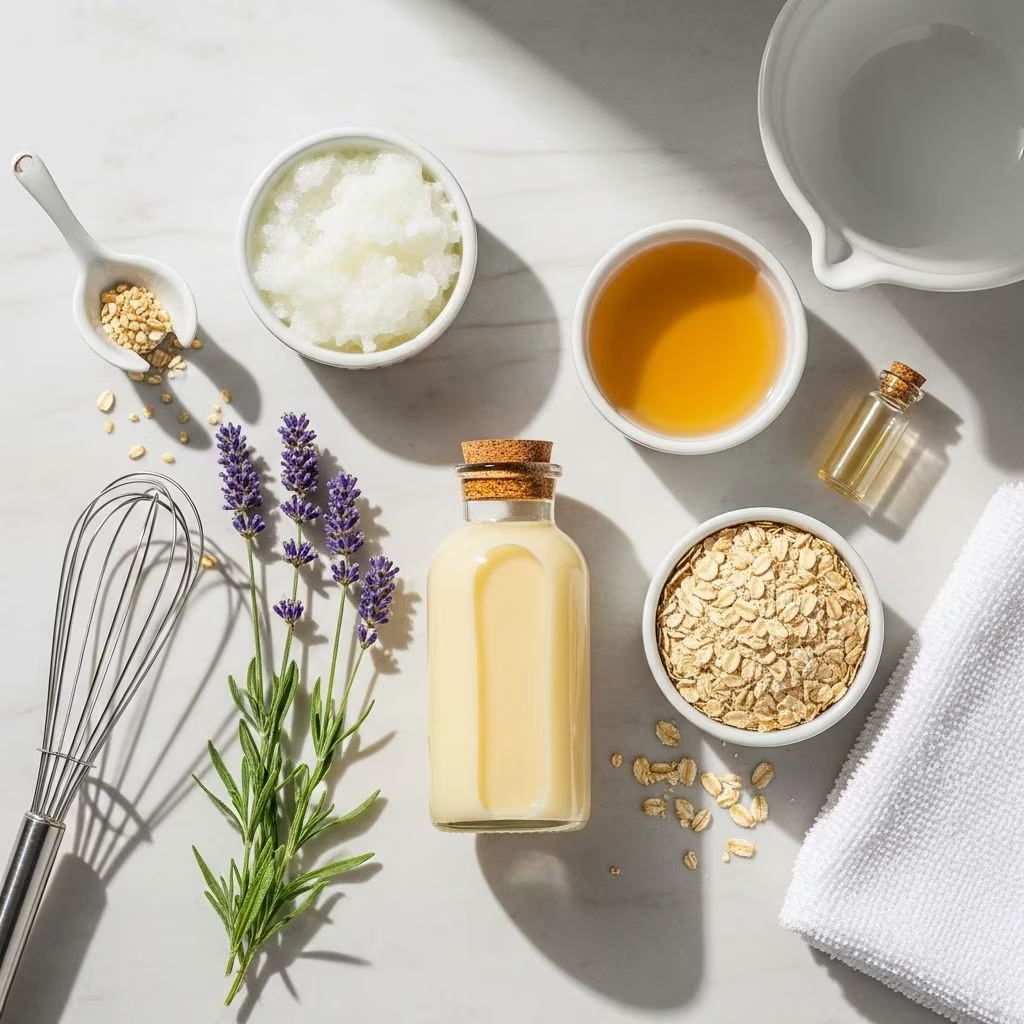
Cats are renowned for their self-cleaning abilities, but there are times when a bath becomes necessary—whether due to sticky messes, fleas, or medical advice from a veterinarian. Commercial cat shampoos are ideal, but what if you’re in a pinch without one? Homemade DIY cat shampoos offer a quick, gentle solution using common household items. These recipes are designed for occasional use, providing mild cleansing without stripping natural oils from your cat’s skin and coat.
However, it’s crucial to understand that cats have a different pH balance than humans (around 6.0-7.5 compared to humans’ 5.5), so human products can cause dryness and irritation. DIY options bridge the gap in emergencies but shouldn’t replace vet-recommended, cat-specific formulas long-term. Always rinse thoroughly, as cats groom themselves and may ingest residues, potentially leading to stomach upset.
Why Make DIY Cat Shampoo?
Homemade shampoos shine in urgent situations like oil spills, skunk encounters, or when store runs aren’t feasible. They’re cost-effective, customizable for skin types (e.g., moisturizing for dry skin or soothing for irritation), and avoid harsh chemicals like parabens, sodium lauryl sulfate, petrochemicals, artificial dyes, and fragrances found in some human products. Ingredients like Dawn dish soap are vet-trusted for wildlife rescues due to their grease-cutting power without excessive drying.
Beyond emergencies, these recipes introduce cat owners to natural alternatives. For instance, oatmeal soothes itchy skin, apple cider vinegar balances pH and deters fleas, and vegetable glycerin hydrates. Still, prioritize cat-formulated shampoos like those with colloidal oatmeal for regular use to maintain coat health.
The 3 DIY Cat Shampoo Homemade Recipes
Here are three vet-inspired recipes tailored for different needs: basic cleansing, moisturizing, and soothing. Each uses simple, safe ingredients. Prepare in a clean bottle, shake gently to avoid foam overflow, and use warm (not hot) water for bathing to prevent stress or burns.
1. Basic Shampoo
This straightforward recipe leverages Dawn’s gentle, effective cleaning—unscented original formula only, as it’s proven safe for animals in oil-spill cleanups. Apple cider vinegar adds shine and odor neutralization, while water dilutes for mildness.
Equipment
- 1 clean bottle or container (squeeze bottle ideal for control)
Materials
- 4 cups warm water
- 1 cup apple cider vinegar (raw, unfiltered for best results)
- 1 cup unscented Dawn dish soap
Instructions
- Mix ingredients carefully in the bottle—the Dawn foams vigorously if shaken too hard.
- Wet your cat thoroughly with lukewarm water.
- Pour mixture over fur, massage into skin (avoid eyes), and lather gently.
- Rinse completely with warm water until water runs clear.
Notes
- Yield: Enough for 2-3 baths.
- Best for: General dirt, grease removal.
- Storage: Refrigerate up to 1 week; discard if it smells off.
- Tip: Test a small patch first for allergies.
2. Moisturizing Shampoo
Ideal for cats with dry, flaky skin from allergies, winter air, or frequent licking. Vegetable glycerin, derived from natural oils, locks in moisture without greasiness. Substitute with Dawn if glycerin unavailable, but it reduces hydration benefits.
Equipment
- 1 bottle or container
Materials
- 4 cups warm water
- ⅓ cup vegetable glycerin
- ⅓ cup apple cider vinegar
Instructions
- Combine in bottle and shake gently.
- Wet cat, apply, massage thoroughly.
- Rinse extra well—glycerin can leave residue if not fully removed.
Notes
- Yield: 2-4 baths.
- Best for: Sensitive, dry skin; post-flea treatment.
- Glycerin mimics skin’s natural humectants, preventing transepidermal water loss.
3. Soothing Oatmeal Shampoo
Perfect for irritated, itchy skin from allergies or hot spots. Colloidal oatmeal (finely ground) forms a protective barrier, reducing inflammation. Organic oats minimize pesticide exposure.
Equipment
- Blender or food processor
- 1 container with lid
Materials
- 4 cups warm water
- 1 tablespoon baking soda
- 1 cup organic oatmeal (ground to powder)
- 1 teaspoon unscented Dawn dish soap
Instructions
- Grind oatmeal to fine powder.
- Mix all in container; shake well.
- Apply to wet cat, let sit 2-3 minutes for soothing effect, then rinse.
Notes
- Yield: 1-2 baths (oatmeal settles).
- Best for: Itchy, inflamed skin.
- Baking soda deodorizes naturally.
- Variation: Add ½ cup coconut oil for extra emollience (rinse meticulously).
A Few Notes on Safe Cat Bathing
Success with DIY shampoos hinges on technique. Never use human shampoo—its alkaline pH disrupts feline skin’s acid mantle, leading to dryness, infections, or allergies. Baby shampoo or Castile soap (100% pure olive oil-based) are emergency backups but lack cat-specific formulation.
Key Precautions:
- Avoid eyes/ears: Causes stinging; use a damp cloth for face.
- Thorough rinsing: Residue ingestion risks vomiting/diarrhea.
- Warm water only: 100-102°F (38-39°C) to mimic body temp.
- Dry fully: Towel gently, use low-heat blow dryer from distance if tolerated.
- Frequency: Max 1-2x/month; overbathing strips oils.
Harmful Ingredients to Avoid:
| Ingredient | Risk to Cats |
|---|---|
| Petrochemicals | Skin absorption toxicity |
| Parabens | Hormone disruption |
| Sodium Lauryl Sulfate | Severe drying, irritation |
| Artificial Fragrances/Dyes | Allergic reactions, poisoning |
For chronic issues, consult a vet—DIY isn’t medical treatment.
Alternatives to Wet Shampoo
Not all cats tolerate water. Dry options maintain hygiene between baths:
- Cornstarch: Sprinkle, massage, brush out—absorbs oils.
- DIY Dry Shampoo: ½ cup ground oatmeal + ½ cup cornmeal + 2 tbsp cornstarch. Apply, wait 5 min, brush.
- Wipes: Unscented baby wipes or saline-dipped cloths for spots.
- Waterless Sprays: Vet-approved foam shampoos.
Frequently Asked Questions (FAQs)
Can I use Dawn dish soap regularly on my cat?
No, only in emergencies. It’s gentle but not pH-balanced for cats; prolonged use dries skin.
Is baby shampoo safe for cats?
In a pinch, fragrance-free ‘no tears’ versions work occasionally, but cat shampoo is better for pH match.
How often should I bathe my cat?
Most indoor cats never need baths. Only for messes, hairballs, or vet prescription—1-4 times/year max.
What if my cat has fleas? Can DIY shampoo help?
These cleanse but don’t kill fleas. Use vet-approved treatments like topical/oral preventives alongside.
Can I add essential oils to DIY shampoo?
Absolutely not—oils like tea tree are toxic to cats via skin/ingestion, causing liver failure.
Recommended Commercial Options
For everyday use, opt for vet-endorsed shampoos:
- Only Natural Pet: Vegan, plant-based.
- No Soap formulas: Free of sulfates, dyes.
- Colloidal Oatmeal varieties: For itch relief.
One bottle lasts months since cats rarely bathe.
References
- Veterinary Partner: Feline Skin pH and Shampoo Selection — AAHA/AAFP Guidelines. 2024-06-15. https://veterinarypartner.vin.com/default.aspx?pid=19239&id=4952687
- ASPCA: Safe Bathing Products for Pets — ASPCA.org. 2025-03-10. https://www.aspca.org/pet-care/general-pet-care/pet-grooming-and-bathing
- Journal of Feline Medicine and Surgery: Dermatologic Therapies — Sage Journals (DOI). 2023-11-01. https://journals.sagepub.com/doi/10.1177/1098612X231201345
- Merck Veterinary Manual: Bathing Cats — Merck & Co. 2025-01-05. https://www.merckvetmanual.com/cat-owners/skin-disorders-of-cats/bathing-cats
- AVMA: Household Cleaners and Pets — AVMA.org. 2024-09-20. https://www.avma.org/resources-tools/pet-owners/petcare/household-cleaners-and-pets



