

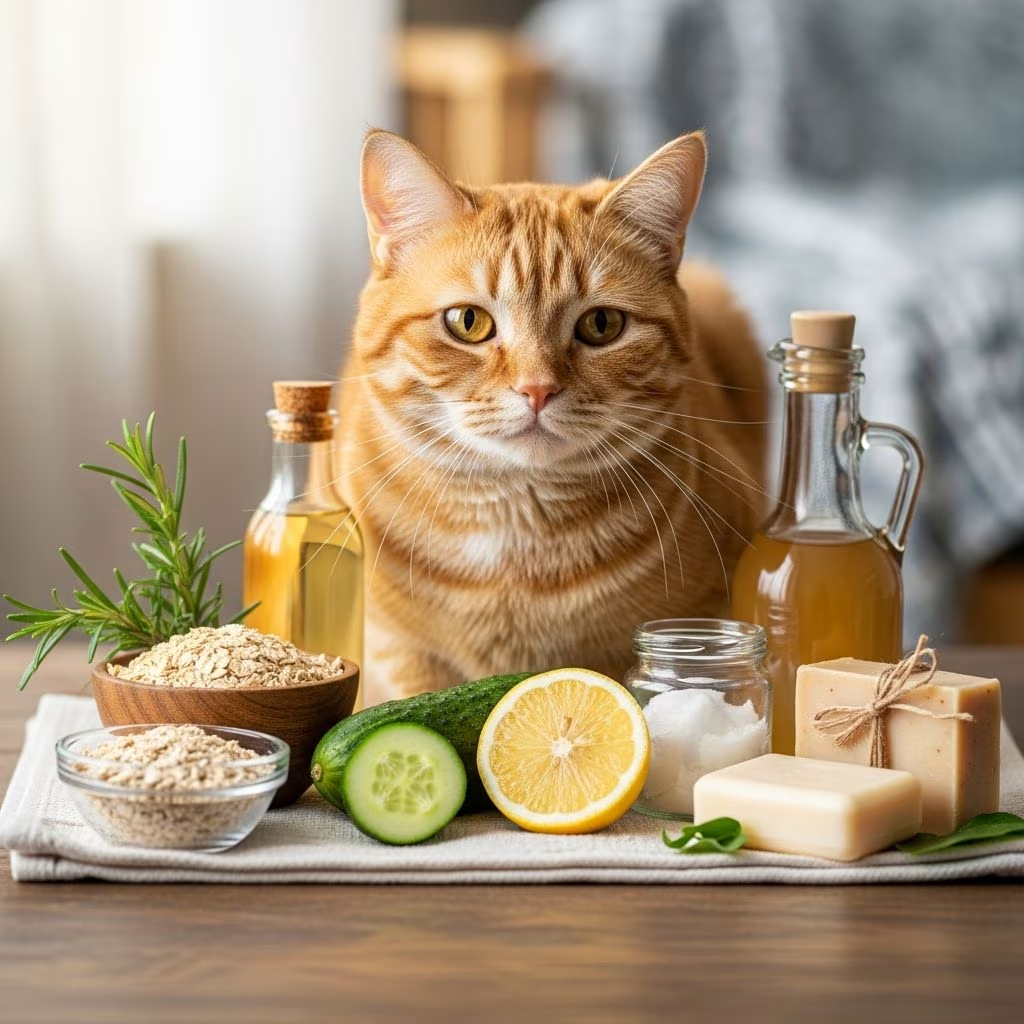
Keeping your cat clean doesn’t always require store-bought products. Homemade shampoos offer a customizable, gentle alternative using pantry staples. These recipes prioritize safety, effectiveness, and your cat’s comfort, drawing from natural ingredients proven to soothe skin and cleanse fur.
Why Choose Homemade Cat Shampoo?
Cats groom themselves meticulously, but occasional baths are necessary for dirt, odors, or skin issues. Commercial shampoos can contain irritants like sulfates or fragrances that disrupt a cat’s delicate pH balance, around 7.5. DIY versions let you control ingredients, avoiding allergens and harsh chemicals while saving money.
- Gentle cleansing: Natural agents like oatmeal reduce inflammation without stripping natural oils.
- Cost savings: Recipes use affordable items like vinegar and dish soap.
- Tailored care: Adjust for dry skin, fleas, or sensitivity.
- Fewer additives: No dyes, parabens, or artificial scents.
Always test a small area first and consult a vet for persistent skin problems. Use sparingly—cats rarely need full baths.
Essential Ingredients for Safe Cat Shampoos
Select cat-safe components to maintain skin barrier integrity. Avoid essential oils, which can be toxic if ingested during grooming.
| Ingredient | Benefits | Usage Notes |
|---|---|---|
| Oatmeal (ground) | Anti-inflammatory, soothes itchiness | Grind into powder for better lather |
| Apple Cider Vinegar (ACV) | Restores pH, repels fleas, degreases | Dilute to prevent stinging |
| Vegetable Glycerin | Moisturizes dry skin | Plant-based for gentleness |
| Unscented Dish Soap (e.g., Dawn) | Mild surfactant for cleaning | Use sparingly; rinse thoroughly |
| Baking Soda | Absorbs odors | Small amounts only; not ingestible |
| Aloe Vera Gel | Hydrates, calms irritation | Pure, no additives |
Basic Everyday Cleaning Shampoo
This simple formula tackles dirt and grime without drying the coat. Ideal for routine spot cleans or full baths.
Ingredients (makes ~1 quart):
- 4 cups warm water
- 1 cup unscented dish soap
- 1 cup apple cider vinegar
Preparation and Application:
- Mix gently in a bottle to avoid excess foam.
- Wet cat’s fur with lukewarm water.
- Apply shampoo, massaging into skin.
- Rinse completely to prevent residue.
Expect a fresh scent from ACV that fades quickly. Effective for oily fur but follow with conditioner for long-haired breeds.
Moisturizing Formula for Dry or Flaky Skin
Cats with dry skin from environment or age benefit from humectants like glycerin, which locks in moisture without greasiness.
Ingredients:
- 4 cups warm water
- ⅓ cup vegetable glycerin
- ⅓ cup apple cider vinegar
Steps:
- Combine in a shaker bottle.
- Shake before use.
- Lather thoroughly, focusing on dry patches.
- Rinse extra well due to glycerin.
This blend mimics commercial moisturizers, promoting shine and reducing flakiness after 2-3 uses.
Soothing Shampoo for Sensitive or Irritated Skin
Oatmeal’s avenanthramides provide natural relief for allergies or hot spots. Perfect for cats prone to scratching.
Ingredients:
- 4 cups warm water
- 1 cup ground organic oatmeal
- 1 tbsp baking soda
- 1 tsp unscented dish soap
Instructions:
- Grind oatmeal to fine powder using a blender.
- Mix all in a container; shake vigorously.
- Apply to wet fur, let sit 3-5 minutes.
- Rinse until water runs clear.
Baking soda neutralizes odors, but avoid eyes and mouth.
Specialty Recipes for Common Issues
Flea-Repellent Shampoo
Lemongrass-free version using vinegar’s acidity to deter pests.
- 1 cup warm water
- ¼ cup unscented dish soap
- ¼ cup white vinegar
- Pinch of ground cumin (natural repellent)
Mix, apply, and rinse. Repeat weekly during infestations.
Hydrating Aloe Blend
For ultimate soothing: 1 cup colloidal oatmeal, ¼ cup aloe vera gel, ¼ cup coconut oil (melted), 1 cup water. Massage in, leave 10 minutes, rinse.
Bathing Your Cat: Step-by-Step Guide
Success hinges on technique to minimize stress.
- Prepare space: Non-slip mat, warm water, towels.
- Brush first: Remove loose fur.
- Wet gradually: Use a pitcher; avoid head.
- Shampoo sparingly: 1-2 tbsp per bath.
- Rinse meticulously: Residue causes itching.
- Dry gently: Towel off; air dry or low-heat blow dry.
Frequency: 1-4 times yearly, or as needed.
Safety Precautions and Common Mistakes
Homemade isn’t foolproof. Risks include improper pH causing dryness or ingestion toxicity.
- pH awareness: Aim for 6.5-7.5.
- No human products: Baby shampoo occasionally ok, but not ideal.
- Allergies: Patch test on belly.
- Post-bath care: Brush daily; omega supplements for coat health.
If skin worsens, seek veterinary medicated shampoos.
Comparing DIY vs. Commercial Options
| Aspect | DIY Shampoo | Commercial |
|---|---|---|
| Cost | $1-2 per batch | $10-20 per bottle |
| Ingredients | Natural, customizable | Formulated but may have additives |
| Shelf Life | 1-2 weeks (refrigerate) | 1-2 years |
| Efficacy | Good for mild issues | Better for severe conditions |
DIY excels short-term; pros for long-term specialized needs.
Frequently Asked Questions (FAQs)
Can I use Dawn dish soap on my cat?
Yes, unscented in dilution for emergencies. Not daily due to potential drying.
How often should I bathe my cat?
Only when dirty; overbathing strips oils.
Is castile soap safe for cats?
Pure, unscented yes—dilute 1:10 with water.
What if my cat hates water?
Use wipes or dry shampoos; gradual desensitization helps.
Can these recipes treat fleas?
Repel mildly; pair with vet-approved treatments.
Enhancing Results with Diet and Routine
Shampoos work best alongside nutrition. Fatty acids from fish oil improve coat resilience. Weekly brushing distributes oils, reducing bath needs. Monitor for changes—healthy skin reflects overall wellness.
Experiment responsibly; your cat’s feedback guides refinements. These recipes empower gentle, effective grooming at home.
References
- DIY Cat Shampoo: 3 Homemade Recipes With Simple Ingredients — Catster. 2023. https://www.catster.com/cat-health-care/diy-cat-shampoo/
- Natural Homemade Pet Shampoos — Zoomies Mobile Grooming. 2024. https://www.zoomiesmobilegrooming.com/natural-home-made-shampoos
- DIY Pet Shampoo — Skinny Ms. 2023. https://skinnyms.com/diy-pet-shampoo-3/
- Choosing Cat Shampoos: Tips for Healthy Cat Fur and Coat — SuperTails. 2024. https://supertails.com/blogs/grooming/choosing-cat-shampoos-tips-for-healthy-cat-fur-and-coat



