

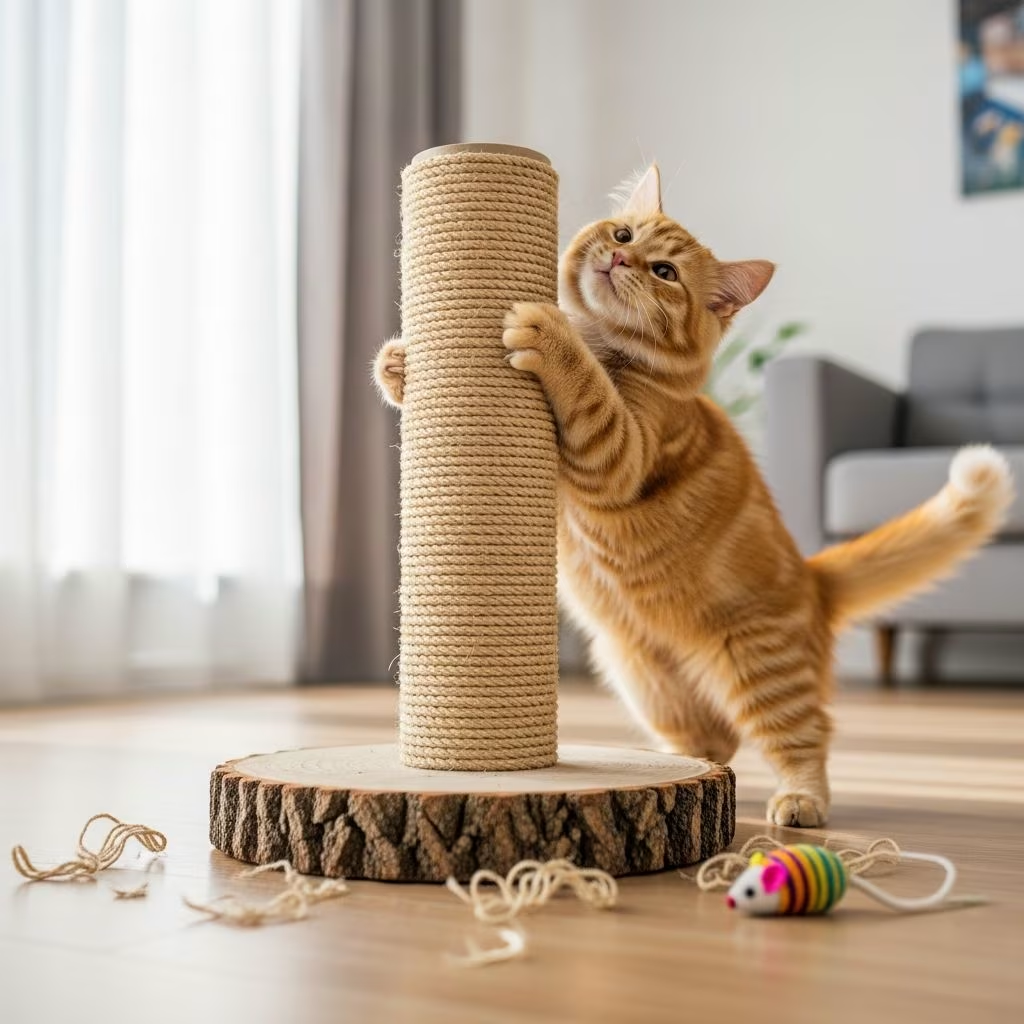
Creating a homemade cat scratching post offers a practical solution for feline owners facing shredded furniture and carpets. These DIY projects use accessible materials like sisal rope, cardboard, and sturdy wood bases to mimic natural scratching surfaces, providing cats with an outlet for their instincts while protecting household items.
Why Cats Scratch and the Value of Proper Posts
Cats scratch to maintain claw health, mark territory, and relieve stress. Without suitable outlets, they target sofas or rugs, leading to damage. A reliable scratching post fulfills these needs: it allows claws to shed outer sheaths, stretches muscles, and offers visual satisfaction from shredding material. Sturdy designs prevent wobbling, which could injure cats or deter use, as stable posts replicate unyielding tree trunks.
Selecting Ideal Materials for Long-Lasting Scratchers
Material choice determines a post’s success. Cats prefer textures that grip and shred under claws, avoiding snags or slips.
- Sisal Fabric or Rope: Derived from agave plants, sisal provides a rough, bark-like surface that’s durable and biodegradable. Fabric softens with use, encouraging repeated scratching, unlike rope which can fray into sharp fibers.
- Cardboard: Affordable and satisfying due to its crunching sound and shredding ease. Ideal for flat scratchers or quick stacks.
- Carpet (Avoid if Possible): Often catches claws without shredding, frustrating cats. It blends with home flooring, confusing boundaries.
- Wood: Natural exposed grain works for some, but pair with sisal for appeal.
Sisal stands out for sustainability and cat preference, lasting years under moderate use.
Key Features of an Effective DIY Scratching Post
Success hinges on design elements tailored to cat behavior.
| Feature | Why It Matters | DIY Tip |
|---|---|---|
| Stability | Prevents tipping injuries; builds trust | Use wide, heavy bases like plywood or filled boxes |
| Height | Allows full stretch (24-36 inches for most cats) | Measure your cat standing; add 3-6 inches |
| Surface Texture | Enables deep claw penetration and shredding | Wrap tightly with sisal; avoid loops |
| Attractants | Draws initial interest | Sprinkle catnip or attach toys |
These attributes ensure the post becomes a go-to spot over furniture.
Simple DIY Projects for Every Skill Level
From beginner to advanced, these builds require basic tools like screws, glue, and cutters.
Beginner: Cardboard Strip Scratcher
Perfect for quick setup using recyclables.
- Gather a cardboard box, box cutter, and packing tape.
- Flatten and cut into 2-inch wide strips, 15-30 inches long.
- Stack strips with cut edges up; tape ends securely.
- Place near favored scratching spots; refresh with catnip.
This yields a flat, replaceable surface lasting weeks.
Intermediate: Basic Wooden Post with Sisal
A classic upright design for vertical scratching.
- Select a 4×4 post (27+ inches) and 16-inch square wooden base.
- Secure post to base with 3-inch screws.
- Wrap post tightly with sisal rope or fabric using glue; trim excess.
- Add felt pads underneath for floors.
Total cost under $10; withstands years of use.
Advanced: Multi-Level Cat Tree Tower
Combine posts with platforms for exercise.
- Build a frame from 2×4 lumber and plywood shelves.
- Attach multiple sisal-wrapped posts at angles.
- Reinforce base with weights; cover platforms in carpet remnants.
- Incorporate hammocks or toys for variety.
Such towers promote climbing and scratching synergy.
Step-by-Step: Ultimate Sisal-Wrapped Post Tutorial
For the best results, follow this detailed guide emphasizing sisal fabric superiority.
- Prepare Base: Cut plywood to 18×18 inches; drill pilot holes.
- Mount Post: Use a 30-inch 4×4; secure with four lag screws and washers.
- Apply Sisal: Start at bottom, hot-glue fabric strips overlapping; wind continuously upward. Stretch taut to prevent unraveling.
- Finish Edges: Glue top cap; add non-slip feet.
- Attract Cat: Rub with catnip-soaked cloth; place near litter box.
Time: 1-2 hours. Tools: Drill, glue gun, utility knife.
Tips to Train Your Cat to Use the New Post
- Position in high-traffic areas initially, then move.
- Rub post with toys or blankets carrying your cat’s scent.
- Praise and reward scratching sessions with treats.
- Discourage furniture use with double-sided tape; redirect gently.
- Trim claws regularly to reduce damage during transition.
Most cats adapt within days when the post meets their preferences.
Common Mistakes and How to Avoid Them
Avoid these pitfalls for a post your cat loves.
- Insufficient Stability: Test by pushing; add sand-filled bases if needed.
- Poor Material: Skip carpet; opt for sisal or cardboard.
- Wrong Size: Too short limits stretching; measure your cat.
- No Maintenance: Replace worn sections promptly to maintain appeal.
Maintenance and Longevity Strategies
Extend post life by vacuuming debris weekly and re-gluing loose sisal. For heavy use, have spares ready. Cardboard scratchers flip or replace easily. Monitor for wear; a fresh surface keeps cats engaged.
Benefits Beyond Furniture Protection
DIY posts enhance cat well-being: they reduce anxiety, file nails naturally, and provide exercise. Stable designs prevent accidents, fostering safe play. Custom builds fit any space, saving money over commercial options.
Frequently Asked Questions
What’s the best material for a cat scratching post?
Sisal fabric or rope excels for its shredding satisfaction and durability, outperforming carpet.
How do I stop my cat from scratching furniture?
Provide appealing alternatives, use deterrents on furniture, and positively reinforce post use.
Can I make a scratching post from cardboard?
Yes, stacked cardboard strips create effective, inexpensive scratchers.
How tall should a scratching post be?
At least as tall as your cat stretched fully, typically 24-36 inches.
Is sisal safe for cats?
Absolutely; it’s natural, non-toxic, and biodegradable.
References
- Sisal Fabric: The Best Material for Cat Scratching Posts — PurrfectPost.com. Accessed 2026. https://www.purrfectpost.com/sisal-fabric-the-best-material-for-cat-scratching-posts/
- Choosing a Cat Scratching Post — Lowe’s. Accessed 2026. https://www.lowes.com/n/buying-guide/cat-scratching-posts
- What are the benefits of using a cat scratching post? — Oven Baked Tradition. Accessed 2026. https://www.ovenbakedtradition.com/en/resources-and-tips/what-are-the-benefits-of-using-a-cat-scratching-post/
- Keep your cat overlord happy with this easy DIY scratching post — Popular Science. Accessed 2026. https://www.popsci.com/DIY-cat-scratching-post/
- Easy DIY Cat Scratching Post Ideas — Hill’s Pet Nutrition. Accessed 2026. https://www.hillspet.com/cat-care/resources/easy-diy-cat-scratching-post-ideas
- The Benefits of a Cat Scratching Post — Hartz. Accessed 2026. https://www.hartz.com/the-benefits-of-a-cat-scratching-post/



