

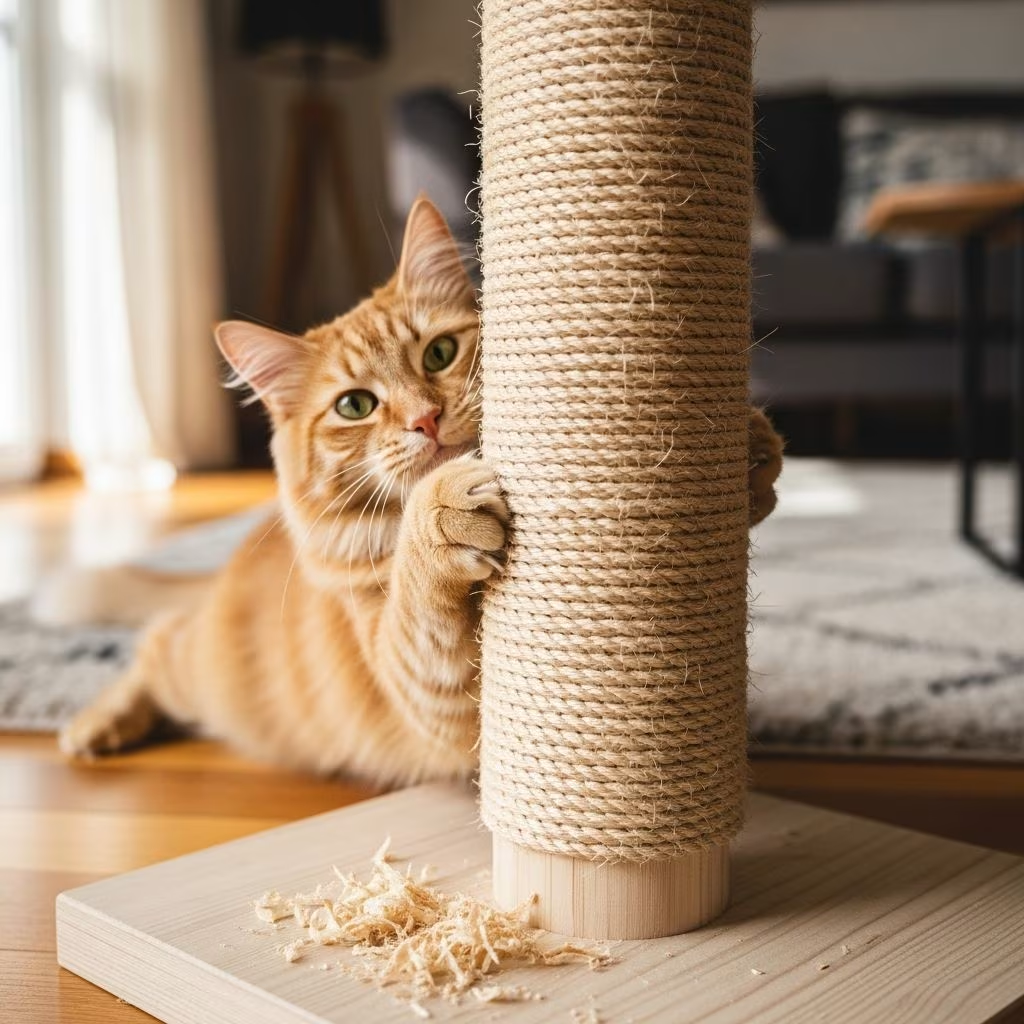
Cat scratching posts fulfill a vital instinctual need, allowing felines to sharpen claws, mark territory, and stretch fully. Building your own offers customization, cost savings, and durability over store-bought options that often wobble or wear quickly. These projects use everyday materials like sisal rope and scrap wood to create stable structures cats love.
Why Cats Need Scratching Surfaces
Scratching serves multiple purposes for cats, from maintaining nail health to reducing stress. In the wild, cats claw tree trunks to shed old nail sheaths, exercise muscles, and leave scent marks via paw glands.This behavior persists indoors, often targeting furniture if alternatives lack.
- Claw Maintenance: Removes outer nail layers, preventing overgrowth and discomfort.
- Territorial Marking: Deposits pheromones, signaling ownership.
- Physical Exercise: Engages shoulders, back, and legs during full stretches.
- Stress Relief: Provides a satisfying outlet for energy and anxiety.
Without proper posts, cats may damage couches or rugs. A well-made DIY version redirects this energy effectively.Stability tops priorities; unsteady posts risk tipping and discourage use.
Selecting the Right Materials for Longevity
Choose textures mimicking nature for appeal. Sisal rope excels due to its toughness and claw-friendly weave, producing a rewarding shredding sound cats crave.
| Material | Pros | Cons | Best For |
|---|---|---|---|
| Sisal Rope | Durable, natural feel, satisfying noise | Harder to add catnip | Vertical posts, aggressive scratchers |
| Cardboard | Cheap, catnip-friendly, replaceable | Shreds quickly, messy litter | Horizontal scratchers, light use |
| Carpet | Soft initial feel | Nails snag, poor durability | Avoid; not ideal |
| Wood | Extremely sturdy, natural bark-like texture | Limited catnip integration | Heavy-duty, multi-cat homes |
Sisal, from agave plants, resists shredding better than carpet and outlasts cardboard.Opt for 3/8-inch thick rope for optimal grip. Untreated wood posts pair perfectly, while plywood bases ensure stability.
Essential Features of an Effective Scratcher
Tailor designs to your cat’s habits. Observe if they prefer upright stretches or floor-level digs.
- Height: At least as tall as your cat fully extended (typically 3-4 feet for adults).
- Width: Thick posts (4×4 inches) prevent wobbling.
- Base Size: 20×20 inches minimum, weighted for safety.
- Shape Variety: Vertical for stretchers, horizontal for rug scratchers, or combos.
Placement matters—near beds or windows encourages adoption. Praise and catnip lure initial use.
Beginner-Friendly DIY Project: Basic Sisal Post
This straightforward build yields a pro-level post lasting years. Total cost: under $30. Time: 2-3 hours plus drying.
Required Tools
- Staple gun (electric preferred)
- Drill with bits
- Circular or miter saw (or store cuts)
- Hammer, utility knife
- Speed square for angles
Gathering Supplies
- 4×4 untreated lumber post (3-4 feet tall)
- 0.75-inch plywood (20×20 inches)
- 100 feet 3/8-inch sisal rope
- Rug remnant (20×20+ inches)
- Wood glue, #8 x 2.5-inch screws, staples
- Post cap (optional, decorative)
Source affordable sisal at hardware stores; dye if color-matching needed. Use scrap plywood—cosmetic flaws hide under rug.
Step-by-Step Assembly
- Prepare Base: Cut plywood square. Trace 4×4 post outline; drill four pilot holes inside.
- Attach Post: Glue post bottom, position on plywood. Secure with screws from underside. Clamp overnight.
- Cover Base: Glue rug to plywood top, wrapping edges. Staple underside. Trim excess with knife. Dry 1 hour.
- Wrap Post: Drill small starter hole at base. Secure rope end with glue or staple. Wind tightly upward, hot-gluing every 6 inches. Overlap slightly. Tuck end at top under cap.
- Finalize: Test stability. Add catnip spray.
Tips: Keep tension firm during wrapping to avoid slips. Weigh down drying glue for flat bonds.
Advanced Variations for Diverse Needs
Horizontal Cardboard Scratcher
Ideal for carpet-lovers. Stack corrugated cardboard sheets, bind with duct tape. Mount on wood frame. Refillable and cheap, but sweep shreds regularly.
Multi-Level Tower
Stack two posts on a broad base. Add platforms midway for lounging. Appeals to kittens or multi-cat homes.
Wall-Mounted Option
Secure sisal-covered board vertically to studs. Space-saving for apartments. Ensure deep anchors for weight.
Wood-only logs suit purists—sand smooth, treat with pet-safe oil. Mimics wild trunks perfectly.
Tips to Encourage Use and Maintenance
- Spray with catnip or pheromone solutions initially.
- Place near old scratching spots; block furniture temporarily.
- Trim nails regularly to extend post life.
- Rotate positions to maintain interest.
- Replace shredded sections by re-wrapping locally.
If ignored, reassess size/shape. Reward scratches with treats to build habit.
Common Mistakes to Avoid
- Thin Posts: Tip easily; use 4×4 minimum.
- Carpet Covering: Causes snags; stick to sisal/wood.
- Rush Drying: Leads to loose bonds.
- No Base Weight: Add sandbags if needed.
Frequently Asked Questions
Is sisal better than carpet?
Yes, sisal withstands shredding without snagging nails, unlike carpet.
How tall should the post be?
Taller than your cat stretched out, usually 36-48 inches.
Can I dye the rope?
Sisal takes dye well for custom colors.
What if my cat ignores it?
Observe preferences, use catnip, and reinforce positively.
How do I dispose of old posts?
Unwind rope for reuse; recycle wood/cardboard.
Health and Safety Considerations
Stable posts prevent injuries. Monitor for chewing on cardboard (chemical risks). Regular nail trims complement scratching. Consult vets for excessive scratching signaling stress or health issues.
References
- What are the benefits of using a cat scratching post? — Oven Baked Tradition. 2023. https://www.ovenbakedtradition.com/en/resources-and-tips/what-are-the-benefits-of-using-a-cat-scratching-post/
- DIY Cat Scratching Post That Lasts for Years! — Dream a Little Bigger. 2023. https://www.dreamalittlebigger.com/post/diy-cat-scratching-post-that-literally-lasts-for-years.html
- Scratching Posts — San Francisco SPCA. 2024. https://www.sfspca.org/resource/scratching-posts/
- The Benefits of a Cat Scratching Post — Hartz. 2023. https://www.hartz.com/the-benefits-of-a-cat-scratching-post/



