

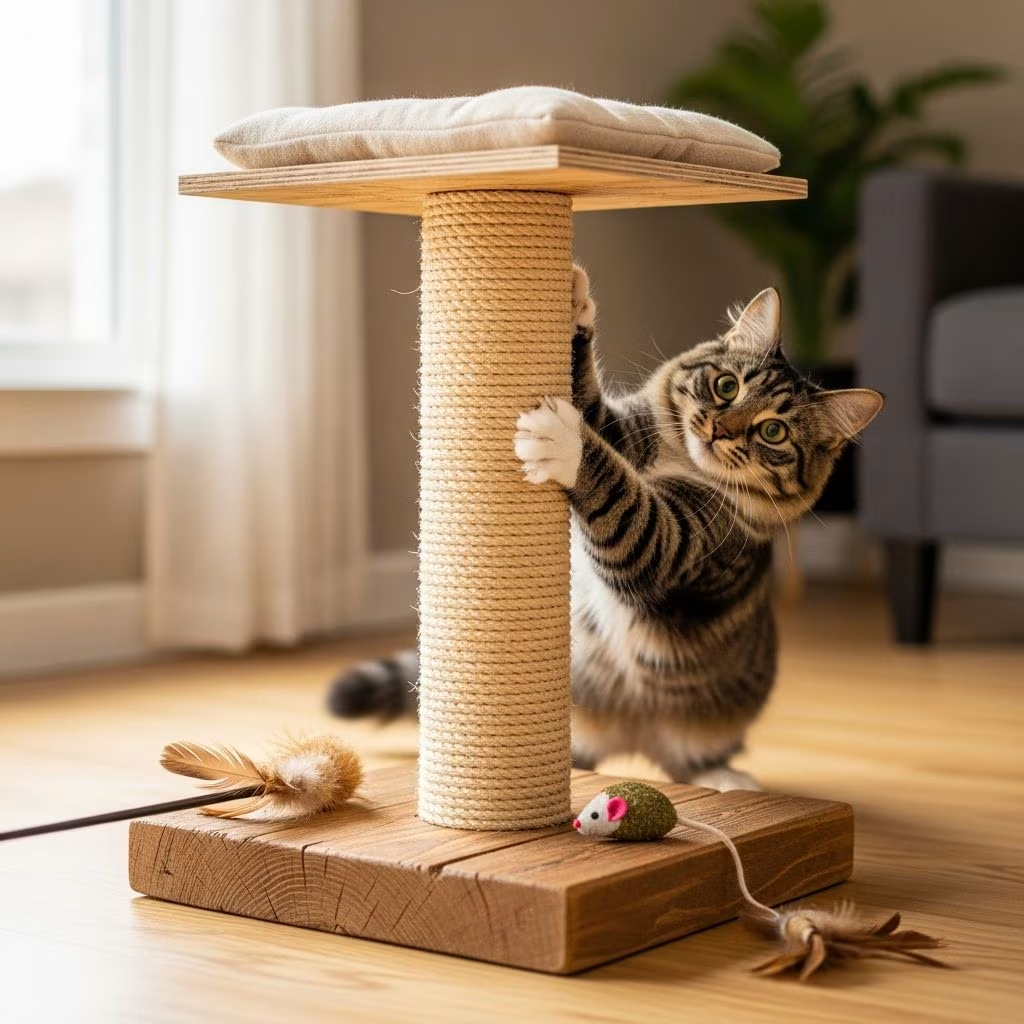
Creating your own cat scratching post offers a practical solution for feline owners seeking affordable alternatives to commercial products. These homemade designs cater to a cat’s innate need to scratch, helping maintain claw health while safeguarding household items.
The Essential Role of Scratching in Cat Life
Scratching serves multiple vital functions for cats, extending beyond mere habit. It enables them to shed worn claw sheaths, revealing sharper layers underneath, which supports natural grooming and prevents overgrown nails that could lead to infections. This activity also stretches their muscles, promoting physical fitness and flexibility, particularly beneficial for indoor cats with limited exercise opportunities.
Behaviorally, cats scratch to mark territory using scent glands in their paws, leaving both visual and olfactory cues for other animals. Without suitable outlets, they may target furniture or carpets, driven by instinct rather than mischief. Mental health benefits include stress reduction; the rhythmic motion provides calming stimulation, akin to kneading dough. For multi-cat homes, dedicated posts foster peaceful coexistence by allowing individual territory claims.
Key Features of an Effective Scratching Post
A well-designed scratcher matches a cat’s preferences and physical needs. Height is crucial—tall posts (at least 30-40 inches) allow full-body stretches without crouching, mimicking tree trunks in the wild. Stability prevents wobbling, which could deter use or cause injury; wide bases or anchoring methods ensure reliability.
Texture matters most: rough sisal rope excels for vertical scratching, offering resistance that satisfies claw honing. Corrugated cardboard suits horizontal preferences, while carpet or wood appeals to some but wears faster. Consider your cat’s style—vertical climbers favor posts, playful ones prefer inclines or multi-level setups. For seniors or kittens, shorter, accessible designs reduce strain.
Materials for Budget-Friendly DIY Builds
Stock up on accessible supplies: sisal rope (natural fiber, durable), cardboard boxes or sheets, wooden posts or dowels (2×4 lumber works well), carpet remnants, and strong adhesives like hot glue or screws. Bases can use plywood scraps weighted with sand-filled bottles for stability. Tools needed: saw, drill, tape measure, and sandpaper for smooth finishes.
Avoid flimsy materials like thin cardboard alone, as they collapse under vigorous use. Opt for pet-safe glues without toxic fumes. Recyclables like old towels or rope ends add variety without cost.
Step-by-Step DIY Projects for Every Skill Level
Simple Cardboard Floor Scratcher
Ideal for beginners and horizontal scratchers. Stack 10-15 corrugated cardboard layers, cut into a 24×12-inch rectangle. Secure with glue or duct tape, cover edges with packing tape. Place near favored spots. Cost: under $5. Time: 30 minutes.
- Cut uniform cardboard pieces.
- Glue layers, pressing flat with books.
- Tape seams; add catnip for allure.
Classic Sisal-Wrapped Post
A vertical staple. Use a 36-inch 4×4 post, wrap base plywood (18×18 inches). Wind 100-150 feet of sisal rope tightly from bottom, securing with glue and staples. Drill carpet patches for variety. Total height: 40 inches. Suits most cats.
- Select sturdy wood.
- Anchor post to base with screws.
- Tighten rope overlaps; trim excess.
Multi-Level Tower from Boxes
For energetic cats. Connect three large boxes vertically with duct tape. Cut entry holes, line interiors with fleece. Wrap exteriors in sisal or carpet. Stabilize on a broad platform. Encourages climbing and perching.
Customization: Add dangling toys from string for play enhancement.
Wall-Mounted Vertical Panel
Space-saver for apartments. Mount a 24×36-inch plywood sheet on wall at cat height. Cover with sisal fabric or rope grid. Adjustable hooks allow repositioning. Perfect for stretch-loving cats.
Advanced Cat Tree with Platforms
Combine posts, platforms, and tunnels. Frame with 2x4s, add hammocks from PVC pipes wrapped in rope. Platforms from plywood circles. Ensures durability for multi-cat use.
Placement Strategies for Maximum Use
Position near high-traffic areas, windows, or existing scratch zones to intercept unwanted behavior. Elevate for security-feeling perches. Multiple units prevent competition in multi-cat homes. Rotate locations periodically to maintain interest.
Tempting Your Cat to Adopt the New Post
Attract with catnip sprinkles, toys attached, or treats during initial scratches. Praise and reward use. Deter furniture scratching with double-sided tape or citrus sprays temporarily. Consistency builds habit.
Maintenance and Longevity Tips
Trim frayed rope monthly, sprinkle fresh catnip, vacuum debris. Rotate posts to even wear. Replace cardboard every 3-6 months. Sturdy builds last 2+ years, outpacing cheap store options.
Comparing DIY vs. Store-Bought Scratchers
| Aspect | DIY | Store-Bought |
|---|---|---|
| Cost | $10-50 | $20-200+ |
| Customization | High (size, texture) | Limited |
| Durability | Excellent if built well | Varies; cheap ones fail fast |
| Space Fit | Tailored | Standard sizes |
| Eco-Friendliness | Recycled materials | Often plastic-heavy |
DIY wins for personalization and savings, especially for unique cat needs.
Frequently Asked Questions
Why won’t my cat use the scratching post?
It may lack appeal—add catnip, ensure stability, or match preferred texture. Observe habits and adjust.
How tall should a scratching post be?
Tall enough for full stretch: 3-4 feet for adults, shorter for kittens.
Can I make a scratcher for outdoor use?
Yes, weatherproof with treated wood and thick sisal for patios or enclosures.
Is sisal better than carpet?
Sisal mimics natural bark, lasts longer, and suits most cats over carpet which flattens quickly.
How do I handle multiple cats?
Provide one post per cat plus extras, spaced apart to avoid conflicts.
Health Benefits Backed by Feline Experts
Beyond protection, regular scratching supports joint health, reduces anxiety, and channels energy, lowering obesity risks in indoor pets. Custom DIY posts enhance engagement, boosting overall welfare.
References
- How do I choose a cat scratching post? — Dennis Piper, Oregon State University Blogs. 2023-02-21. https://blogs.oregonstate.edu/piperde/2023/02/21/how-do-i-choose-a-cat-scratching-post/
- The Benefits of a Cat Scratching Post — Petmate Academy. N/A. https://www.petmate.com/blogs/petmate-academy/the-benefits-of-a-cat-scratching-post
- 5 Things to Consider Before Buying a Cat Scratching Post — Zach’s Pet Shop. N/A. https://zachspetshop.com.au/blogs/guides-advice/cat-scratching-post
- The Benefits of a Cat Scratching Post — Hartz. N/A. https://www.hartz.com/the-benefits-of-a-cat-scratching-post/
- Why Do Cats Scratch Posts? — Rover.com. N/A. https://www.rover.com/blog/why-cats-scratch-posts/



