

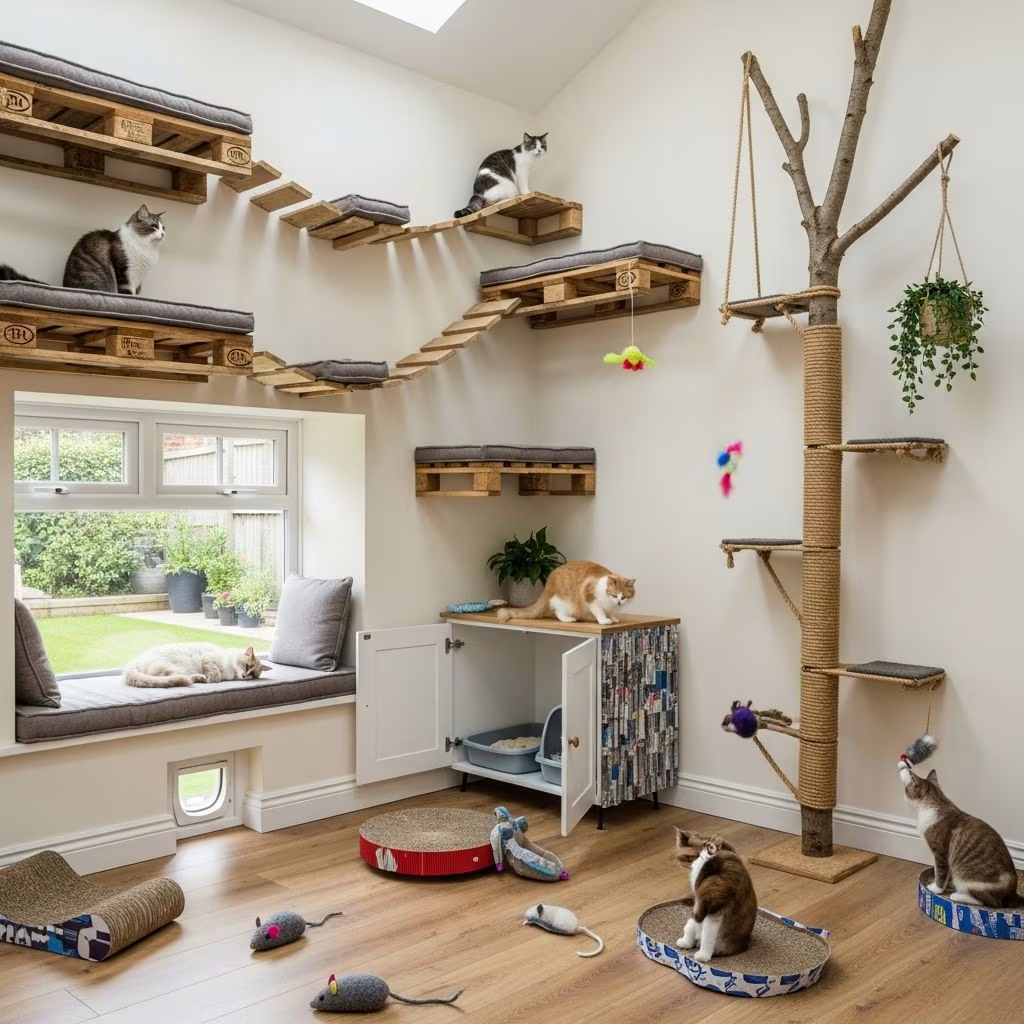
Creating a dedicated space for your cat not only enhances their well-being but also keeps your home tidy and harmonious. These DIY cat room ideas draw from practical designs that prioritize vertical exploration, comfort, and stimulation, suitable for any living situation from cozy apartments to spacious houses. By incorporating elements like climbing structures, hidden essentials, and engaging activities, you can foster a thriving environment where your cat thrives independently.
Selecting the Ideal Space for Your Cat’s Domain
Begin by choosing a room or nook that maximizes usability without disrupting your daily life. Spare bedrooms, under-stair areas, walk-in closets, or even enclosed patios work wonderfully. For smaller homes, repurpose a living room corner with modular dividers to section off a playful zone. Ensure the area is quiet yet accessible, with good ventilation and natural light to mimic outdoor appeal.
- Assess size and safety: Measure the space to fit climbing elements without overcrowding.
- Consider multi-use: Opt for areas like guest rooms that double as human spaces when needed.
- Apartment hacks: Use vertical walls in hallways or balconies shielded from weather.
This foundational step sets the tone for a functional cat room that integrates seamlessly into your lifestyle.
Building Vertical Kingdoms with Cat Shelves and Walkways
Cats are natural climbers, so exploit wall space to create multi-level adventures. Install floating shelves staggered at varying heights, starting low at 12-14 inches for easy access, then ascending to ceiling beams for panoramic views. Secure them firmly to studs to support active leaps.
| Cat Type | Recommended Shelf Setup | DIY Materials |
|---|---|---|
| Kittens/Small Cats | Shallow, closely spaced shelves | Plywood, brackets, carpet scraps |
| Adult/High-Energy | Wide platforms with scratching posts | 2×4 lumber, sisal rope, L-brackets |
| Senior/Timid | Low hammocks and enclosed cubbies | Fabric slings, foam padding, hidden mounts |
Connect shelves into walkways wrapping around corners, avoiding windows and doors for safety. Add incentives like treat dispensers at higher points to encourage use. Pre-made kits simplify installation, but DIY versions using reclaimed wood offer customization and cost savings.
Essential Hideaways and Cozy Resting Spots
Every cat room needs secure retreats where felines can observe without exposure. Craft tunnels under furniture, covered beds in cabinets, or under-stair enclosures. Use breathable fabrics for cushions that resist claws and stains, mimicking outdoor-grade durability.
- Tunnel integrations: Thread fabric tubes beneath benches or sofas for surprise passages.
- Heated options: DIY self-warming beds with mylar linings or plug-in pads for chilly spaces.
- Multi-cat harmony: Multiple hideouts prevent territorial spats, with wide entries for easy escape.
For apartments, stackable pods or wall-mounted nooks preserve floor space while providing elevated snoozing. Incorporate heartbeat simulators for kittens transitioning to new homes, easing anxiety through familiar comforts.
Interactive Play Zones to Combat Boredom
Stimulate your cat’s hunter instincts with a blend of toys and activities. Mix static scratchers, cat trees, and motion-activated gadgets like rolling balls or wriggling fish. Dedicate zones: one for solo play with wand toys tethered to perches, another for puzzle feeders dispensing kibble.
Install a “cat treadmill”—a simple spinning wheel for high-energy breeds—or ripple mats infused with catnip. Hang condos from ceilings for swinging fun, ensuring sturdy anchors.
Window Perches as Natural Entertainment
Transform windows into “cat TVs” with suction-cup perches or sill extenders. Position bird feeders outside to draw wildlife, turning passive gazing into riveting shows. No window? Mount screens playing bird videos or nature streams on low-volume loops.
Smart Organization for Food, Litter, and Essentials
Conceal necessities stylishly to maintain aesthetics. Build cabinets hiding litter boxes with topped cat beds, ventilated for odor control. Place microchip-activated feeders near climbing paths, rewarding ascents with meals.
- Litter solutions: Enclosed units with entry flaps, lined with low-dust fillers.
- Feeding stations: Elevated bowls to promote posture, with fresh water fountains nearby.
- Storage savvy: Wall-mounted bins for toys, labeled for quick access.
Add cameras for remote monitoring, ensuring peace of mind during absences.
Incorporating Greenery and Sensory Delights
Safe plants elevate the sensory experience. Grow cat grass in pots on rotating shelves or hydroponic setups for endless nibbles. Avoid toxic varieties; stick to wheatgrass, oat grass, or spider plants.
Enhance with calming diffusers plugged into outlets, releasing feline pheromones to reduce stress. Textured rugs and soft lighting create inviting atmospheres, with pastel walls reflecting cat cafe vibes.
Tailoring Designs for Different Cat Personalities
Customize based on age and temperament. Energetic cats need sprint paths with scratching poles; seniors benefit from ramps to low platforms. Multi-cat homes require parallel routes to avoid chokepoints.
| Personality | Key Features | DIY Tip |
|---|---|---|
| Adventurous | Ceiling walkways, tunnels | PVC pipes wrapped in fleece |
| Laid-Back | Sunny perches, soft beds | Repurposed cushions in frames |
| Shy | Enclosed pods, dark corners | Cardboard lined with felt |
Budget Breakdown and Material Sourcing
DIY keeps costs low: shelves ($50-150), tunnels ($20-40), beds ($30-60). Source from hardware stores for lumber, dollar stores for fabrics, and online for pet-specific hardware. Total for a full room: under $300 with thrifted finds.
Maintenance Tips for Longevity
Regular cleaning prevents dust buildup; vacuum shelves weekly, wash fabrics monthly. Rotate toys to sustain interest and inspect mounts quarterly for wear.
Frequently Asked Questions
How much space do I need for a cat room?
Even 6×6 feet suffices for basics; vertical designs expand usability infinitely.
Are DIY shelves safe for jumping cats?
Yes, if anchored to studs with heavy-duty brackets rated for 50+ lbs per shelf.
What plants are safe for cats in the room?
Cat grass, valerian, and silver vine; research ASPCA lists to avoid toxins.
Can I make a cat room in a rental?
Absolutely—use no-drill mounts, tension rods, and removable adhesives.
How do I introduce my cat to the new space?
Gradually: start with familiar items, use treats to lure, and supervise initial sessions.
References
- Indoor Cat Room Ideas Inspired by Cat Cafe Design — Cat Therapy. 2023. https://www.cattherapy.co/posts/indoor-cat-room-ideas-inspired-by-cat-cafe-design
- 10 Ideas for Organizing & Designing a Cat Room — K&H Pet Products. 2024. https://khpet.com/blogs/cats/10-ideas-for-organizing-designing-a-cat-room
- Cat Room Ideas: Designing a Fun and Functional Cat Space — Three Chatty Cats. 2023. https://threechattycats.com/cat-room-ideas-designing-cat-space/
- Designing Your Cat Wall | DIY Cat Wall Ideas — Catastrophic Creations. 2024. https://www.catastrophicreations.com/blogs/articles/designing-cat-wall



