

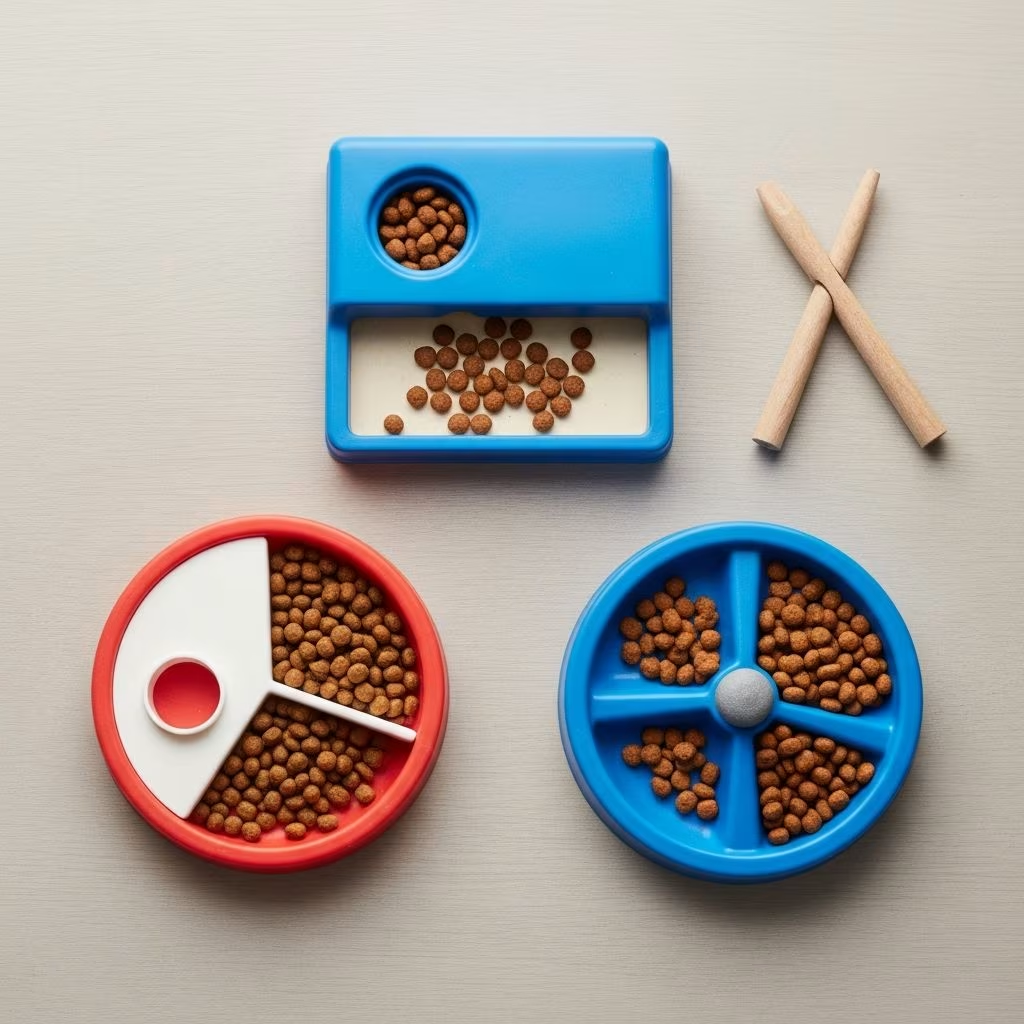
Homemade puzzle feeders engage cats in natural foraging behaviors, turning ordinary meals into interactive challenges that support physical health and mental sharpness. These simple devices encourage slower eating, reduce obesity risks, and minimize stress-related issues by mimicking the hunt wild cats experience daily.
Why Puzzle Feeders Are Essential for Modern Cats
Domestic cats often face boredom from easy access to food bowls, leading to rapid consumption, weight gain, and unwanted behaviors like excessive scratching or aggression. Puzzle feeders address these by requiring effort to access kibble or treats, promoting gradual intake and extended activity. Studies show they benefit all cats, including seniors and those with disabilities, by lowering cortisol levels and enhancing cognitive function.
Key advantages include better digestion from paced eating, increased daily movement for calorie burn, and redirected energy away from household destruction. In multi-pet homes, they prevent food guarding by creating individual challenges.
Health and Behavioral Gains from Interactive Feeding
- Physical Improvements: Cats burn more energy manipulating feeders, aiding weight control and preventing gulping-induced vomiting.
- Mental Boosts: Problem-solving tasks satisfy hunting instincts, reducing anxiety and improving focus[10].
- Behavioral Changes: Less aggression, fewer attention-seeking antics, and eliminated inappropriate elimination through enriched routines.
Research in the Journal of Feline Medicine and Surgery confirms these effects across diverse cat populations, making puzzle feeding a versatile wellness tool.
Beginner-Friendly DIY Designs Using Household Items
Start with easy projects needing no special tools, perfect for cats new to puzzles. These promote quick successes to build confidence before advancing complexity.
Recycled Bottle Roller
Skill Level: Easy | Time: 5 minutes
This rolling dispenser uses a standard plastic bottle to dispense kibble as your cat bats it around, ideal for active play.
- Empty and rinse a 500ml plastic bottle; peel off labels.
- Cut 5-7 oval holes (kibble-sized plus a bit larger) along the sides using scissors.
- Smooth edges with sandpaper or tape for safety.
- Fill halfway with dry food; cap it and roll on the floor.
Tip: Larger holes initially ensure rewards; shrink them over weeks as skills improve.
Cardboard Tube Stack
Skill Level: Easy | Time: 10 minutes
Stack toilet paper tubes for a vertical foraging tower that encourages pawing at multiple levels.
- Collect 4-6 clean toilet paper rolls.
- Slice lengthwise slits or small holes in sides.
- Stack and secure with non-toxic tape or glue on a sturdy base.
- Sprinkle varied kibble amounts inside; stand upright.
Position near climbing spots for combined exploration.
Intermediate Projects for Advanced Foragers
Once basics master, try these for deeper engagement, using common kitchenware.
Muffin Pan Maze
Skill Level: Medium | Time: 8 minutes
Hide food under obstacles in a muffin tin, teaching displacement tactics.
| Materials | Steps |
|---|---|
| 6-cup muffin tin Tennis balls or foil balls Wet/dry food | 1. Spoon food into 2-3 cups. 2. Cover with balls. 3. Randomize daily. 4. Add covers to empty cups progressively. |
Suits wet food lovers; rotate positions to sustain interest.
Egg Carton Hunt
Skill Level: Medium | Time: 7 minutes
An egg carton becomes a multi-compartment puzzle for strategic nosing and pawing.
- Take a 12-egg cardboard carton.
- Cut varying hole sizes in lids and bases.
- Fill select sections; close and shake lightly.
- Place stably for paw access.
Great for treats; refresh scents weekly.
Advanced Creations for Expert Cats
DIY Activity Board
Skill Level: Advanced | Time: 20 minutes
A custom board with tunnels, sliders, and compartments for full-body workouts.
- Base: Large cardboard or wood panel.
- Add glued tubes, cups, and fabric flaps.
- Incorporate movable parts like beads in tracks.
- Hide food in layers.
Monitor for chewing; reinforce as needed.
Placement and Integration Strategies
Strategic setup maximizes use: low for ground hunters, elevated on shelves or trees for climbers. In multi-cat homes, space out stations to avoid rivalry.
Combine with vertical spaces like cat towers for holistic enrichment, simulating territory defense and prey stalking.
Preventing Boredom: Rotation and Maintenance
Rotate 3-5 designs weekly; store others for novelty. Clean weekly with mild soap to avoid bacteria. Track progress in eating habits and activity via a simple log.
| Week | Feeder Type | Observe |
|---|---|---|
| 1-2 | Bottle/Tube | Solving time, interest level |
| 3-4 | Muffin/Egg | Eating speed, energy post-meal |
| 5+ | Board/Rotated | Behavior changes, weight |
Introduce monthly innovations.
Overcoming Common Hurdles
- Cat Ignores It: Demonstrate by eating first; use smelly wet food starters.
- Destroys Feeder: Upgrade to thicker materials or supervise initially.
- Multi-Cat Fights: Feed separately; equal portions.
- Senior/Disabled Cats: Widen access; all benefit per studies.
Frequently Asked Questions
Are puzzle feeders safe for kittens?
Yes, use large-hole versions for easy access; they build skills early.
Can they help overweight cats?
Absolutely, by extending meals and boosting activity for natural weight loss.
How often to use them?
Daily for main meals; mix with bowls to transition smoothly.
What if my cat eats too fast still?
Increase puzzle difficulty gradually.
Do they work for wet food?
Yes, in covered tins or frozen for longer sessions.
Sustained Success: Long-Term Enrichment
Pair with scratching posts and toys for full environmental balance. Regular veterinary check-ins ensure nutrition fits puzzle use. Owners report calmer, fitter cats within weeks.
References
- DIY Puzzle Feeders That Actually Work Cat’s Mind — The Refined Feline. 2023. https://www.therefinedfeline.com/fun-diy-puzzle-feeders-to-stimulate-your-cats-mind/
- The Benefits of Using Puzzle Feeders for Cats — Cat Behavior Associates. 2022. https://catbehaviorassociates.com/the-benefits-of-using-puzzle-feeders-for-cats/
- Puzzle Feeders for Your Cat — International Cat Care. 2024. https://icatcare.org/articles/puzzle-feeders-for-your-cat
- How to Help Your Cat Lose Weight — Vet’s Kitchen. 2023. https://vetskitchen.co.uk/knowhow/how-to-help-your-cat-lose-weight
- Using Puzzle Feeders with Your Cat — Cat Adoption Team. 2023. https://catadoptionteam.org/resources/using-puzzle-feeders-with-your-cat/



