DIY Cat Muzzle Guide: Step-By-Step Safety Tips For Pet Owners
Learn safe, effective ways to create and use homemade cat muzzles for vet visits, grooming, and emergencies while prioritizing your pet's comfort.
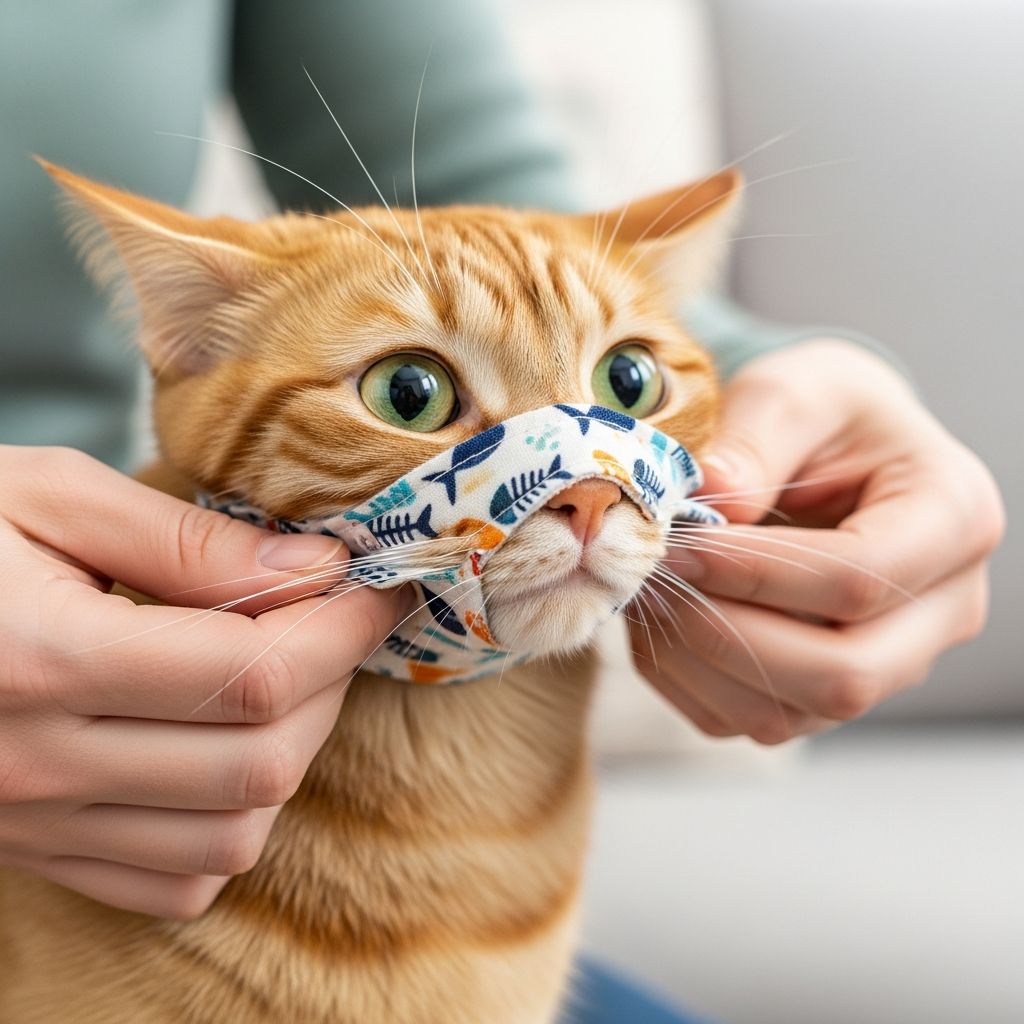
DIY Cat Muzzle Guide: Safe Restraint for Stressful Moments
Creating a homemade cat muzzle can be a practical solution for pet owners facing situations where their feline needs gentle restraint, such as during veterinary examinations, nail trimming, or minor wound care. These devices help prevent bites while allowing essential functions like breathing and panting, but they must be used responsibly and only for short periods. This guide provides original instructions, safety protocols, and best practices drawn from reliable pet care principles to ensure both your safety and your cat’s well-being.
Why Cats Might Need a Muzzle
Cats are independent creatures, but fear, pain, or stress can trigger defensive behaviors like biting or scratching. Common scenarios include unexpected vet trips, grooming sessions that involve sensitive areas, or administering medications. A properly made muzzle covers the mouth without obstructing airways, nostrils, or vision entirely, reducing risks for everyone involved. However, muzzles are not training tools or long-term fixes; they address immediate needs while you work on underlying behavioral issues with professional help.
- Key triggers: Pain from injuries, unfamiliar environments, or handling of sore spots.
- Benefits: Protects handlers from scratches and bites; minimizes stress escalation.
- Alternatives first: Try calming pheromones, towel wraps, or distraction techniques before resorting to a muzzle.
Situations Where a Homemade Muzzle is Helpful
Not every cat requires a muzzle, but recognizing when one is necessary prevents injuries. For instance, during emergency first aid, a startled cat might lash out instinctively. Veterinary professionals often recommend them for feral or highly anxious cats during unavoidable procedures. At home, they’re useful for routine tasks like ear cleaning or pill-giving if your cat has a history of aggression.
| Situation | Why Use a Muzzle | Duration |
|---|---|---|
| Vet exams/injections | Prevents sudden bites during pokes or prods | 5-15 minutes |
| Grooming (nails, baths) | Controls mouth while hands are busy | Under 10 minutes |
| Emergency care | Safe restraint for wound cleaning | As brief as possible |
| Meditation administration | Stops spitting or chomping | 1-2 minutes |
Always prioritize de-escalation: speak softly, move slowly, and have an escape plan if tensions rise.
Materials for Crafting a Basic Homemade Cat Muzzle
You can assemble a simple, effective muzzle using household items, focusing on breathability and quick release. Avoid anything that could constrict breathing or cause overheating, as cats cool via panting and open-mouth breathing under stress. Essential materials include soft, non-toxic fabrics or disposables that won’t irritate skin.
- Primary option – Paper cup model: Small disposable cup (e.g., 3-4 oz), scissors, soft string or shoelace (12-18 inches), tape for reinforcement.
- Alternative – Fabric loop: Gauze bandage, old scarf, or pantyhose leg (soft, stretchy material), scissors.
- Tools: Scissors always nearby for instant removal; treats for positive reinforcement.
These choices ensure adjustability and safety, mimicking commercial designs like mesh or nylon types without the cost.
Step-by-Step: Building a Paper Cup Cat Muzzle
This design uses a cup to shield the mouth while permitting airflow through a modified end. It’s disposable, inexpensive, and cat-specific, ideal for one-time use.
- Prepare the cup: Select a sturdy paper cup slightly larger than your cat’s snout. Carefully cut out the bottom (closed end) to create a tube with one open small end for breathing.
- Add ties: Near the large open end (originally the rim), poke two small holes on opposite sides, about 1 inch apart. Thread string through each hole, knot securely inside for attachment points, leaving 6-8 inches loose on each side.
- Test structure: Gently squeeze the cup; it should hold shape but flex slightly. Reinforce holes with tape if needed to prevent tearing.
- Fit check (dry run): Hold near cat’s face without applying; ensure small end aligns with nostrils.
Word count note: This method draws from improvised restraint techniques but adapts for feline anatomy, ensuring visibility and ventilation.
Step-by-Step: Fabric Bandage Muzzle for Quick Use
For situations without cups, a soft loop provides minimal restraint. Best for calm cats or very short tasks.
- Form a loop: Fold bandage or scarf lengthwise into a 2-inch wide strip, at least 2 feet long.
- Create slipknot: Tie a large, loose loop at one end, big enough to slip over the snout easily.
- Position cat safely: Have a helper hold the body or use a towel wrap; approach from behind or side.
- Secure snout: Slide loop over nose/mouth, pull gently to close mouth (not jaws), knot atop nose.
- Fasten rear: Cross ends under chin, tie behind ears/neck with a bow or slipknot for quick release.
- Verify fit: Two fingers should fit under straps; cat pants freely.
This mirrors dog improv methods but scales down for cats’ smaller heads, emphasizing never using on distressed breathers.
Fitting Your Homemade Muzzle Correctly
Improper fit causes more harm than good. A good muzzle allows panting, nose breathing, and some jaw movement while preventing full bites. Signs of poor fit: excessive pawing, foaming, or blue gums—remove immediately.
- Snug but kind: Straps behind ears/head; no slipping, no cutting circulation.
- Breath test: Cat should breathe normally; open end/nostrils clear.
- Vision: Eyes uncovered for reduced panic.
- Size guide: Measure head circumference; small cats (under 8 lbs) need petite cups/loops.
Practice sessions without full application build tolerance: let cat sniff, reward with treats.
Safety Rules You Must Follow
Muzzles aren’t toys; misuse leads to overheating, aspiration, or trauma. Never leave muzzled cats unattended, and limit to 15 minutes max.
Absolute No-Gos
- Overheating cats (they pant to cool).
- Vomiting or breathing-impaired pets.
- Long-term behavioral correction—see a vet instead.
Monitoring Checklist
| Check | Good Sign | Red Flag – Remove Now |
|---|---|---|
| Breathing | Steady, audible pants | Gasping, mouth wide |
| Color | Pink gums | Blue/pale |
| Behavior | Relaxed body | Thrashing violently |
Keep scissors handy; prioritize your safety but never force if risks outweigh benefits.
Training Your Cat to Accept a Muzzle
Desensitization prevents battles. Start weeks ahead of need.
- Exposure phase: Leave muzzle near food/bed; reward approaches.
- Touch phase: Brief face contact + high-value treats (tuna, chicken).
- Wear trials: 5-second wears, increasing time; pair with play.
- Full simulation: Practice during mock grooming.
Positive reinforcement works best; punishment heightens fear.
Commercial vs. Homemade: Pros and Cons
| Type | Pros | Cons |
|---|---|---|
| Homemade (Cup/Fabric) | Free, quick, disposable | Less durable, custom fit needed |
| Nylon/Mesh | Adjustable, reusable | Cost ($10+), sizing issues |
| Velcro Soft | Easy on/off, comfy | May slip if cheap |
Homemade shines for emergencies; buy purpose-built for repeats.
Frequently Asked Questions (FAQs)
Can all cats wear muzzles?
No—brachycephalic breeds (flat faces) or respiratory cases cannot; consult vets.
How long is too long?
Never over 15 minutes; shorter for stressed cats.
What if my cat fights it?
Stop, try towel wrap or sedation from vet.
Is duct tape safe?
No—too rigid, risks tears or blocks air.
Legal to use on strays?
For humane aid yes, but seek pros for ferals.
Better Long-Term Solutions
Address roots: Feliway diffusers for anxiety, behaviorists for aggression. Routine handling from kittenhood builds trust. Muzzles are bridges, not solutions.
References
- Purr-fect Restraint: Feline Freedom with Cat Muzzles — Felcana. 2023. https://felcana.com/blogs/blog/cat-muzzle
- How to make a safe makeshift muzzle for your dog — First Aid for Pets. 2022. https://firstaidforpets.net/makeshift-guide-muzzle-your-dog/
- Cat muzzles: cruel or useful? — Keele University. 2019-06. https://www.keele.ac.uk/natsci/facultynews/2019/june/cat-muzzles/cruel-or-useful.php
- Muzzles — Healthy Paws Animal Hospital. 2024. https://healthypawsanimalhospital.com/muzzles/
- Tip on Making a Homemade Cat Muzzle — PetPlace. 2023. https://www.petplace.com/article/cats/pet-care/tip-on-making-a-homemade-cat-muzzle
Similar Articles






Read full bio of medha deb