

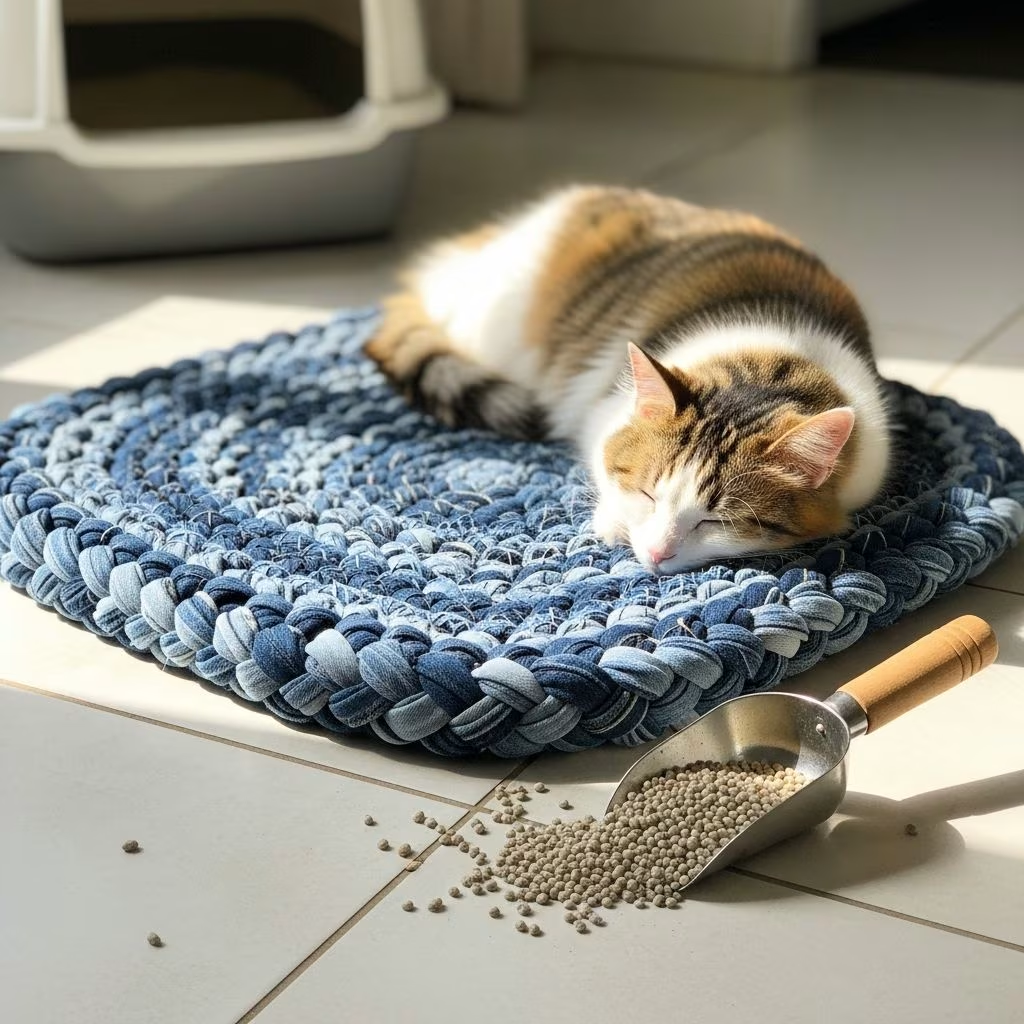
Creating your own cat litter mat at home offers a practical way to manage the common issue of litter scattering beyond the box. These custom traps use simple, inexpensive materials to capture debris, saving time on cleaning and protecting floors from gritty messes.
Why Every Cat Owner Needs a Litter Mat
Litter tracking frustrates many pet parents, as cats naturally kick particles out during digging. A well-placed mat acts as a barrier, trapping up to 90% of stray litter before it spreads. This reduces vacuuming frequency and minimizes dust in the air, which is especially helpful for allergy sufferers.
Beyond cleanliness, mats enhance safety with non-slip surfaces that prevent slips, particularly for senior cats or kittens. They also promote better litter box habits by providing a soft landing zone, encouraging consistent use. In multi-cat homes, mats handle increased traffic, containing messes from multiple users.
Key Advantages of Using Litter Mats
- Cleaner Floors: Traps particles from paws, cutting tracking by 80-90%.
- Improved Hygiene: Reduces bacteria spread from waste particles.
- Pet Comfort: Soft textures soothe sensitive paws and reduce stress.
- Odor Management: Captures odor-trapping litter for easier control.
- Cost Savings: Reusable designs pour trapped litter back into the box.
Understanding How Litter Mats Function
Effective mats rely on textured surfaces like grooves, mesh, or honeycomb patterns to dislodge litter from paws. As cats step off the box, particles fall into designated areas rather than scattering. Dual-layer models excel here, with top layers allowing debris to drop into a bottom compartment for collection.
Waterproof backings protect underlying floors from moisture, while rubber undersides ensure stability on hardwood or tile. Matching mat design to litter type matters: fine clay litters suit mesh, while pellets need deeper grooves.
Essential Features for Maximum Effectiveness
| Feature | Description | Best For |
|---|---|---|
| Honeycomb Structure | Dual layers trap litter in lower compartment | Heavy scatterers, multi-cat homes |
| Mesh Surface | Tight weave catches fine particles | Clumping or silica litters |
| Grooved Design | Ridges scrape off debris | Pellet litters, vigorous diggers |
| Non-Slip Backing | Rubber grips prevent shifting | Slippery floors, active cats |
| Waterproof Layer | Blocks liquids from seeping | Accident-prone setups |
DIY Project 1: Mesh Screen Trapper
This beginner-friendly design uses a plastic canvas or window screen for superior particle capture. It mimics commercial mesh mats but costs under $10.
Materials Needed
- Plastic canvas sheet (24×36 inches)
- Utility knife or heavy scissors
- Double-sided tape or hot glue
- Rubber shelf liner (same size)
- Measuring tape
Step-by-Step Instructions
- Measure Your Space: Size the mat to extend 12-18 inches beyond the litter box on all sides.
- Cut the Mesh: Trim plastic canvas to fit, ensuring edges are smooth to avoid paw irritation.
- Prepare Base: Cut rubber liner slightly larger for overhang grip.
- Assemble Layers: Glue mesh atop the liner, centering it for even trapping.
- Test and Place: Position under the box; shake out litter daily over a trash bin.
Maintenance is simple: rinse weekly with mild soap. This setup excels with fine litters, trapping 85% of debris effectively.
DIY Project 2: Honeycomb-Inspired Dual Layer
Replicate advanced honeycomb mats using egg crate foam and fabric for a budget dual-trap system, ideal for scatter-prone cats.
Materials List
- Light egg crate foam (bedding type, 24×36 inches)
- Non-woven landscape fabric
- Duct tape (clear or pet-safe)
- Scissors
- Rug gripper mat
- Cut Foam Core: Shape egg crate to desired size; its cells mimic honeycomb holes.
- Layer Fabric Top: Cut landscape fabric larger than foam; this porous layer lets litter fall through.
- Secure Bottom: Tape fabric to foam edges, then attach rug gripper underneath.
- Reinforce Edges: Fold and tape seams for durability.
- Install: Place with litter box centered; empty lower layer weekly.
- Old bathroom rug or faux grass mat
- Fabric scissors
- Anti-slip rug pad
- Pet-safe adhesive spray
- Select Base: Choose a plush rug with looped fibers for litter grab.
- Trim to Fit: Cut to cover exit paths fully.
- Add Grip: Spray adhesive on rug pad and press rug atop.
- Edge Seal: Optional binding tape prevents fraying.
- Deploy: Vacuum or shake outdoors regularly.
- 8 Benefits of Using Cat Litter Mats for Busy Pet Owners — Jet Pet Resort. 2023-05-15. https://jetpetresort.com/blog/cat-tips/8-benefits-of-using-cat-litter-mats-for-busy-pet-owners/
- Cat Litter Mats: Do They Really Work? — Elspet. 2024-02-10. https://www.elspet.com/blogs/all/do-cat-litter-mats-really-work
- Best Litter Mats for Cat Owners — LoftyLoo. 2024-08-22. https://loftyloo.com/blogs/cat-talk-blogs/best-litter-mats-for-cat-owners
- Which Litter Mat Prevents Tracking the Best? — SiiPet. 2023-11-05. https://siipet.com/blogs/knowledge/which-litter-mat-prevents-tracking-the-best
- Cat Litter Mat: Ultimate Solution for Mess-Free Litter Box Care — Time.com (via Cousteau). 2024-01-12. https://time.com/cousteau/?pano=data%3Atext%5C%2Fxml%3Bbase64%2CPGtycGFubyBvbnN0YXJ0PSJsb2FkcGFubygnL1wvY2MxLnBpY3Mvay9kb3ZlZWVkem9rdCcpOyI+PC9rcnBhbm8+
- WaterHog® Cat Litter Mat — Waterhog. 2023-07-20. https://waterhog.com/products/waterhog-catwalk-litter-box-mat
Assembly Guide
This design holds four times more litter than single layers, per user tests. Machine-wash the top fabric as needed.
DIY Project 3: Plush Paw-Friendly Rug
For comfort-focused owners, craft a soft, grass-like mat from bath mats or faux turf to soothe paws while trapping litter.
Required Supplies
Building Steps
Cats prefer the gentle texture, increasing box usage.
Advanced Customizations for Better Results
Enhance any DIY mat with additions like weighted corners for stability or antimicrobial sprays for hygiene. For high-traffic areas, layer multiple mats or extend coverage. Test litter compatibility: switch to deeper textures for pellets.
Incorporate odor absorbers by sprinkling baking soda beneath the top layer. Pair with elevated litter boxes to further minimize scatter.
Cleaning and Longevity Tips
Shake mats over trash daily, vacuum twice weekly, and deep-clean monthly. Avoid bleach; use vinegar solutions for sanitizing. Inspect for wear and replace foam or mesh yearly. Proper care extends life to 2+ years.
Frequently Asked Questions
Do DIY litter mats really stop tracking?
Yes, textured homemade versions reduce tracking comparably to store-bought, often by 80%+ with proper design.
What materials are cat-safe for mats?
Opt for non-toxic plastics, rubber, and fabrics without small parts; avoid loose threads that could be ingested.
Can I use these with any litter type?
Match texture to litter: mesh for fines, grooves for coarse.
How often should I replace a DIY mat?
Every 1-2 years, or sooner if damaged; regular cleaning maintains effectiveness.
Are waterproof DIY mats possible?
Yes, line with plastic sheeting under fabric layers.
Conclusion: Elevate Your Cat Care Routine
DIY cat litter mats empower owners to tackle tracking affordably and creatively. With benefits like reduced mess, better hygiene, and pet comfort, these projects transform litter areas into tidy zones. Start with a simple mesh design and customize as needed for lasting results.



