

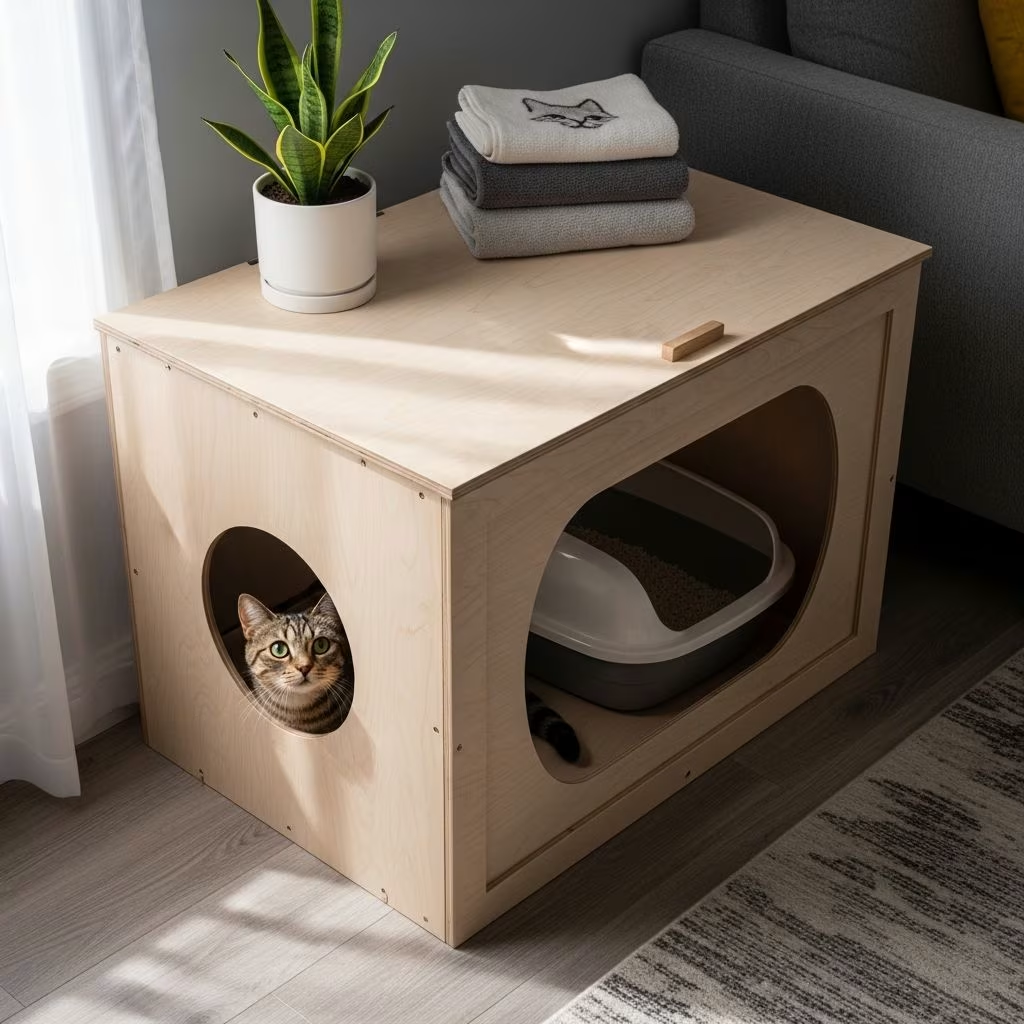
Cat owners often face the challenge of keeping litter boxes out of sight while ensuring easy access for their pets. Custom-built enclosures serve as multifunctional furniture pieces that conceal the litter area, minimize tracking, and help control odors. These projects range from simple cabinets to elaborate desks, using affordable materials like plywood and basic tools.
Why Build a Custom Litter Box Enclosure?
Factory-made litter boxes can clash with home aesthetics and fail to contain litter scatter or smells. A DIY enclosure addresses these issues by integrating into living spaces as end tables, cabinets, or desks. Benefits include improved hygiene through better ventilation, reduced visual clutter, and added storage for supplies. For multi-cat homes, designs with dividers or dual access points prevent conflicts and accommodate larger automatic litter systems.
- Odor Control: Enclosed spaces with ventilation holes trap smells effectively.
- Litter Containment: Internal ramps or barriers catch loose particles before they spread.
- Space Efficiency: Doubles as storage or furniture, maximizing small apartments.
- Customization: Tailor size and style to your cat’s needs and room decor.
Essential Tools and Materials for Success
Most projects require basic woodworking tools, making them accessible for beginners. Gather these items before starting to streamline construction.
| Category | Items | Purpose |
|---|---|---|
| Wood | 3/4″ plywood (4×8 sheet), poplar boards, MDF for tops | Main structure and finishing |
| Hardware | Concealed hinges (3+), pocket screws (1.25″), wood glue | Assembly and doors |
| Tools | Jigsaw, Kreg jig, miter saw, sander, drill | Cutting, joining, smoothing |
| Finishes | Edge banding, polycrylic sealer, paint/stain | Protection and aesthetics |
Plywood provides durability, while edge banding hides raw edges for a professional look. For ventilation, plan 4-6 small holes (3/4″ diameter) on the back panel.
Beginner-Friendly Single Litter Box Cabinet Plan
This straightforward design creates a low-profile cabinet fitting standard litter boxes (about 20×15 inches). Dimensions: 24″ wide x 20″ deep x 24″ tall, ideal for bathrooms or corners.
- Prepare Panels: Cut two sides (24×20″), bottom/top (24×15″), back (20×22″), and front frame pieces. Drill pocket holes on non-visible edges using a 3/4″ Kreg setting.
- Build Base Frame: Attach bottom to sides with glue and 1.25″ screws. Add back panel for stability.
- Add Divider: Install a middle board 11″ from one side to block direct views and trap litter. Secure flush with front.
- Cut Entry: On the side or front, mark an 8.5″ wide x 12″ tall arch (3″ from bottom). Use jigsaw for clean curves.
- Assemble Front and Doors: Frame doors with hinges. Add trim if desired.
- Finish: Sand, apply edge banding, and seal with 3-4 coats of polycrylic, sanding between layers.
Test fit your litter box inside; adjust divider for automatic models like Litter Robot.
Advanced Multi-Cat Double Enclosure Design
For households with two or more cats, a double-wide unit (48″ wide) with central partition offers privacy and space. Include side entries to avoid front-door bottlenecks.
- Expanded Dimensions: 48x20x30″ to house dual boxes or one large system.
- Partition: Full-height divider prevents cross-tracking.
- Doors: Double doors with magnetic latches for easy cleaning.
- Top Shelf: Overhang by 1.5″ for decorative edging, turning it into a console table.
Steps mirror the single version but double side panels and add symmetry. Incorporate beadboard infill for a shabby-chic vibe.
Creative Variations: From Desks to Thrift Transformations
Elevate functionality by repurposing existing furniture. A stock 30″ cabinet becomes a cat desk with minimal mods.
- Desk Conversion: Mount MDF top over cabinet. Cut side entry (8-10″ arch). Add beadboard sides and paint in bold colors like deep red.
- Thrift Flip: Source used cabinets cheaply. Drill ventilation holes, trim entry with 45° mitered molding, fill gaps with putty.
- Open-Side Option: Skip front door for low-clearance areas; cats enter via side hole hidden by furniture arrangement.
These adaptations suit rentals or quick projects under $50.
Safety and Cat Comfort Considerations
Ensure enclosures prioritize pet well-being. Entry holes must accommodate your largest cat comfortably—measure shoulder height plus 2″. Avoid toxic finishes; use pet-safe polycrylic. Line interiors with washable liners near the box. Monitor for stress; some cats prefer open boxes initially.
| Feature | Best Practice | Why It Matters |
|---|---|---|
| Entry Size | 8-10″ wide, 10-14″ tall | Prevents squeezing injuries |
| Ventilation | 4+ 3/4″ back holes | Reduces moisture buildup |
| Height | Bottom raised 2-3″ | Easier box removal |
| Materials | Smooth, non-splinter wood | Safety for claws and paws |
Troubleshooting Common Build Issues
Encounter warping? Use quality plywood and seal promptly. Doors not aligning? Pre-drill and check hinge placement. Litter still tracking? Extend internal ramp with scrap wood.
- Sand all edges to prevent snags.
- Pre-drill to avoid splitting.
- Test cat access before final assembly.
Maintenance and Longevity Tips
Weekly wipe-downs with pet-safe cleaners keep enclosures fresh. Reapply sealer annually. For high-traffic homes, choose stain-resistant paints. These pieces last years with basic care, evolving with your cat’s needs.
Frequently Asked Questions (FAQs)
Can I use this for automatic litter boxes?
Yes, measure your model (e.g., Litter Robot needs 30″ width) and ensure 2″ bottom clearance for gliding.
What if my cat is claustrophobic?
Start with larger openings or side-only access; transition gradually with treats.
How much does a basic build cost?
$50-150, depending on wood prices and scraps used.
Is plywood safe for cats?
Sealed plywood is durable and non-toxic; avoid untreated particleboard.
Can I paint the enclosure?
Absolutely—use low-VOC paints for indoor safety.
These DIY cat litter enclosures blend practicality with style, enhancing homes for pets and owners alike. Start with a simple plan and customize as needed.
References
- DIY Litter Box Enclosure – Hide your Litter Box! — Pine and Poplar. 2023. https://pineandpoplar.com/diy-litter-box-enclosure/
- Cat Litter Box Cabinet Plans — Kreg Tool Company. 2024-01-15. https://learn.kregtool.com/plans/cat-litter-box-cabinet/
- DIY Cat Desk – How to Build a Stylish Hidden Litter Box Cabinet — Honey Built Home. 2023-05-20. https://honeybuilthome.com/diy-cat-desk-how-to-build-a-stylish-hidden-litter-box-cabinet/
- DIY Litter Box Cabinet — Domestically Creative. 2022-11-10. https://domesticallycreative.com/diy-litter-box-cabinet/
- Double Cat Litter Box Cabinet Build Plans — Etsy (Digital Plans). 2023. https://www.etsy.com/listing/1686160338/double-cat-litter-box-cabinet-build



