

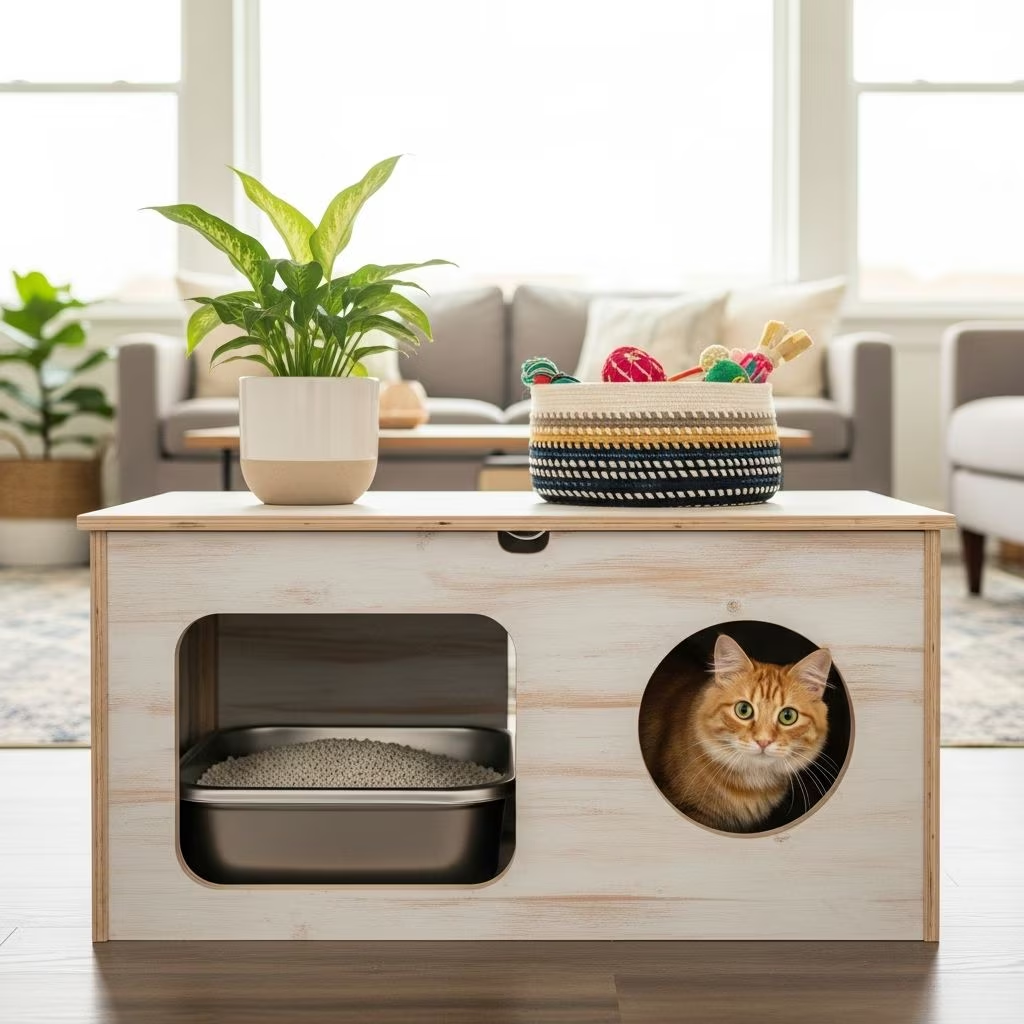
Creating your own cat litter box offers a budget-friendly way to meet your pet’s needs while adding a touch of personalization to your living space. Whether you’re dealing with a kitten, a senior cat, or a multi-cat household, these homemade designs prioritize ease of access, odor control, and seamless integration into your home decor. From simple repurposed containers to elaborate furniture pieces, these projects use readily available materials and basic tools.
Why Choose Homemade Litter Boxes?
Store-bought litter boxes can be pricey and often clash with interior styles. DIY versions allow customization for size, entry height, and concealment, addressing common issues like litter scatter or visibility concerns. They also promote hygiene through durable, easy-to-clean surfaces and can accommodate specific needs, such as low sides for arthritic cats or spacious interiors for larger breeds.
Benefits include cost savings—often under $20 per project—and the satisfaction of tailoring to your cat’s preferences. Many designs double as storage or furniture, maximizing small spaces.
Selecting the Right Materials for Durability
Key to any successful DIY litter box is choosing materials that resist moisture, odors, and scratches. Plastic storage totes provide high walls to contain litter, while wood or PVC offers sturdiness for furniture-style builds. Avoid absorbent materials like untreated cardboard for long-term use, reserving them for temporary setups.
- Plastics: Totes or bins; waterproof and lightweight.
- Woods: PVC boards, plywood, or MDF; paintable for easy cleaning.
- Fasteners: Hinges, screws, adhesive for assembly.
- Finishes: Glossy paint or sealant to repel liquids.
Always sand edges for cat safety and test for stability before introducing to your pet.
Simple Storage Tote Transformations
One of the easiest entry points into DIY is converting a plastic storage tote. Opt for 20-gallon or larger sizes with straight walls for optimal litter depth.
High-Wall Tote Litter Box
Cut a doorway-sized opening (about 6-8 inches high, 10 inches wide) on one short side using a box cutter. Smooth edges with sandpaper to prevent snags. This design minimizes litter fling while keeping the box open for visibility, ideal for cats who dislike enclosed spaces.
- Select a sturdy tote with lid optional.
- Mark and cut entry hole midway up the side.
- Sand and optionally line edges with duct tape.
- Fill with 3-4 inches of litter; place in a quiet corner.
For softer-sided totes, reinforce with tape; harder plastics may need a jigsaw for clean cuts.
Low-Entry Modifications
For seniors or mobility-challenged cats, lower the entry to 2-3 inches. Use the same tote method but position the cut near the base. Alternatively, repurpose shallow trays like silicone feeding mats for ultra-low access.
Building Furniture-Style Hidden Enclosures
Elevate functionality by disguising the litter box as decor. These projects require basic woodworking skills but yield professional results.
Cabinet Desk Litter Station
Repurpose a stock 30-inch kitchen cabinet to house automatic litter systems like the Litter Robot. This creates a dual-purpose desk or side table.
| Step | Materials Needed | Tools |
|---|---|---|
| Prep Cabinet | Stock cabinet, sandpaper | Sander, level |
| Cut Entry | Jigsaw blade | Jigsaw |
| Add Desktop | MDF/plywood top, beadboard panels | Screws, paint |
| Finish Sides | Filler panels | Adhesive |
Remove doors, cut a cat-sized entry (install a pet door if desired), attach a sturdy top, and paint to match your room. Beadboard sides enhance aesthetics, turning it into a chic furniture piece.
Bench-Style Litter Concealer
Construct a wooden bench using tongue-and-groove boards for a seamless look. Dimensions: 12-inch depth accommodates standard boxes.
- Gather 1×6, 1×10, 1×4 boards; piano hinges; door pull.
- Assemble side panels with cleats for squareness.
- Attach hinged lid for easy scooping.
- Optional pet door on front panel.
Use construction adhesive and staples for joints, then apply semi-gloss paint. This bench hides odors while providing seating.
Temporary and Emergency Options
Cardboard boxes shine for kittens, travel, or crises like evacuations. Select sturdy shipping boxes, cut sides to 4-5 inches for adults or 2 inches for kittens.
- Orient box, cut walls evenly.
- Tape cut edges inside/out for waterproofing.
- Line with potty pads, add shallow litter layer.
- Replace frequently to manage odors.
Potty pads absorb urine; minimal litter prevents scatter. Ideal for fostering or short-term needs.
Advanced Custom Builds for Multi-Cat Homes
For multiple cats, scale up with modular designs. Combine totes in a wooden frame or use plumbing-grade PVC for odor-resistant walls. Add multiple entries and ventilation holes.
Incorporate shelves for separation or integrate into cat trees using carpet-wrapped posts for familiarity.
Tips for Success and Cat Acceptance
Introduce new boxes gradually with familiar litter. Ensure 1.5 times cat length for comfort. Clean daily; position away from food but accessible.
- Safety First: No sharp edges, stable bases.
- Odor Control: Sealants, ventilation.
- Customization: Match cat’s age and habits.
Common Mistakes to Avoid
Oversized cuts lead to litter escape; test entries with your cat. Skipping finishes invites bacteria. Rushing assembly compromises durability.
FAQ
Can any storage bin work for a DIY litter box?
Large, flat-bottomed totes (20+ gallons) are best; avoid flimsy ones that warp.
How do I make a litter box for kittens?
Use low-sided cardboard or trays with potty pads for easy access.
Is wood safe for litter boxes?
Yes, if sealed with pet-safe paint; PVC is ideal for moisture resistance.
What if my cat rejects the new box?
Mix old litter in gradually and ensure size/entry suits their needs.
How often should I replace temporary boxes?
Every few days or when odors persist, even with pads.
Enhancing Your DIY with Accessories
Pair with automatic scoopers, litter mats, or wall-mounted entry flaps for pro-level setup. These keep areas tidy and cats engaged.
References
- Make a Cat Litter Box That Doubles As a Bench — Instructables. 2023. https://www.instructables.com/Make-a-cat-litter-box-that-doubles-as-a-bench/
- DIY Cat Desk – How to Build a Stylish Hidden Litter Box Cabinet — Honey Built Home. 2023. https://honeybuilthome.com/diy-cat-desk-how-to-build-a-stylish-hidden-litter-box-cabinet/
- 7 DIY Litter Box Ideas Your Cat Will Love — Class Act Cats. 2023. https://classactcats.com/blog/diy-litter-boxes/
- Making a DIY Temporary Litterbox from Cardboard — The Honest Kitchen. 2023. https://www.thehonestkitchen.com/blogs/diy/diy-cardboard-litterbox
- How to Make DIY Cat Furniture — Arm & Hammer. 2024. https://www.armandhammer.com/en/articles/accessories-to-make-your-cat-care-routine-easier



