

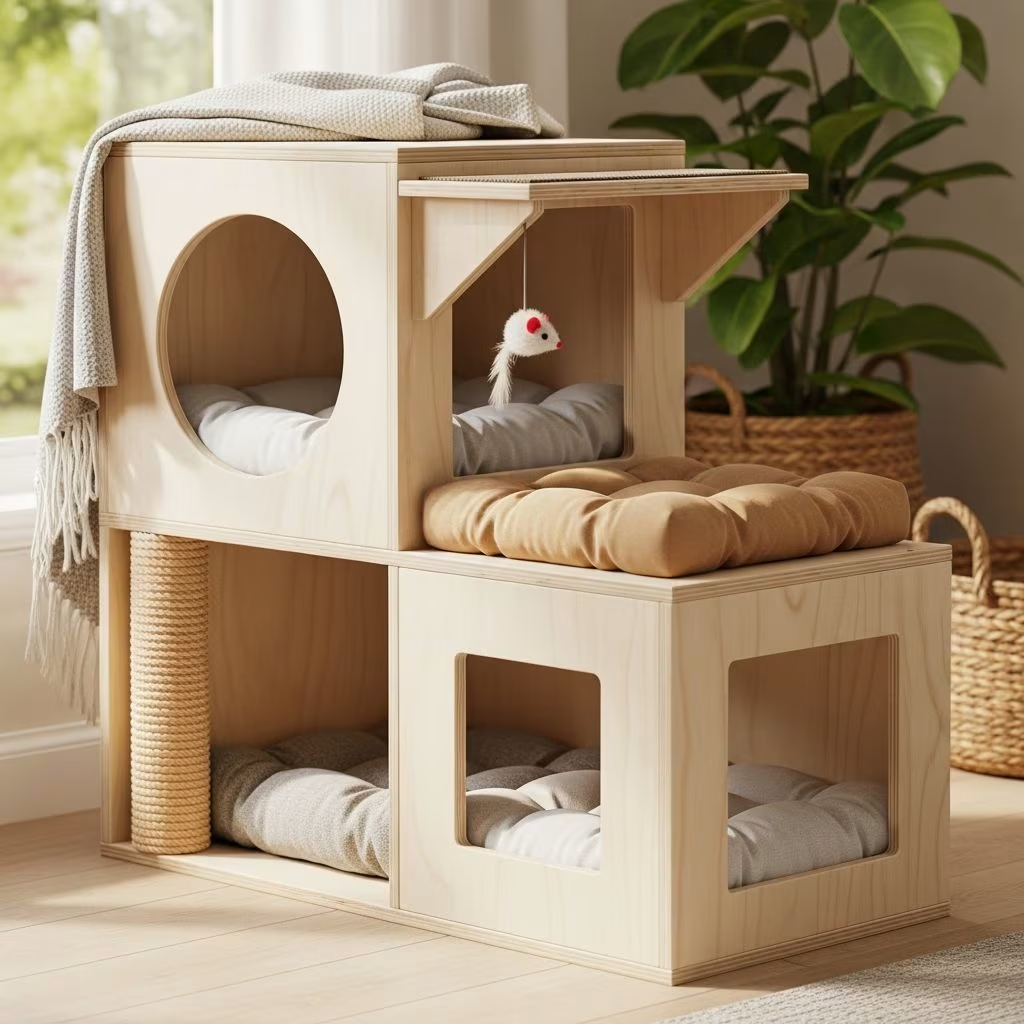
Creating a dedicated birthing area for your pregnant cat, often called a queening or whelping box, provides a secure and comforting space for her to deliver and nurse her kittens. These DIY designs use everyday materials to craft cozy nests that mimic a cat’s natural denning instincts, helping reduce stress during labor. Whether you’re a beginner or handy with tools, these original plans offer options from ultra-simple to more robust builds, all tailored for feline comfort and easy cleanup.
Why Your Cat Needs a Custom Birthing Space
Domestic cats retain wild instincts, preferring dark, enclosed spots for giving birth to protect their vulnerable newborns from perceived threats. A well-designed box prevents kittens from wandering off too soon, keeps them warm, and allows the mother easy access while containing messes. Ideal dimensions start at about 2 feet long, 1.5 feet wide, and 1 foot high, scalable to your cat’s size for her to stretch comfortably without feeling exposed.
Placement matters: choose a quiet, warm, draft-free room away from high-traffic areas and other pets. Introduce the box weeks early by placing food, water, and her litter nearby, encouraging her to claim it as her own. Line with absorbent, disposable layers like newspaper topped with towels for nest-building and hygiene.
Beginner-Friendly Designs Using Recycled Materials
Start with no-cost options from items around the house. These quick builds prioritize disposability and simplicity, ideal for first-time cat parents.
Quick Cardboard Nest Haven
This throwaway design transforms shipping boxes into instant shelters. Select a sturdy box at least 18x24x12 inches.
- Materials: Large cardboard box, packing tape, scissors or box cutter, newspaper, old towels.
- Tools: None beyond basics.
- Time: 10 minutes. Skill: Very easy.
- Cut a 6-8 inch diameter entry hole on one short side, 4 inches from the bottom, leaving a 2-inch lip to prevent kitten escapes.
- Tape over any flaps or seams for stability; fold the top flaps down to create a low roof.
- Layer 5-6 sheets of newspaper at the base, topped with a folded towel for padding.
- Add small ventilation slits near the top if needed.
Pros: Free, customizable size, easy discard post-weaning. Cons: Not reusable if soiled heavily. Decorate exterior with non-toxic wrapping for appeal.
Plastic Bin Sanctuary
Repurpose a clear storage tote for visibility and durability.
- Materials: 20-30 quart plastic tote with lid, utility knife, pee pads, fleece blanket.
- Tools: Sandpaper.
- Time: 15 minutes. Skill: Easy.
| Step | Action |
|---|---|
| 1 | Cut a 7-inch entry in the long side, 3 inches up; sand edges smooth. |
| 2 | Punch 4-6 small air holes in the lid. |
| 3 | Line bottom with pads and blanket; prop lid slightly ajar. |
This setup retains heat and lets you monitor without intrusion. Clean by swapping liners daily.
Cozy Fabric and Wire Innovations
For a soft, portable feel, combine textiles with structural wire.
Fabric Cocoon Tent
A makeshift tent offers breathability and easy access.
- Materials: XL old T-shirt or sheet, 4 wire coat hangers, cardboard square (12×12 inches), duct tape, safety pins.
- Tools: Wire cutters, pliers.
- Time: 20 minutes. Skill: Easy-moderate.
- Form hangers into arches; tape to cardboard base forming a dome frame.
- Stretch fabric over frame, securing with pins; widen front opening to 10 inches.
- Pad base with blankets; place on elevated surface for oversight.
Compact and washable, it’s great for small spaces but supervise closely during birth.
Inflatable Pool Cushioned Den
Use a kiddie pool for a spacious, padded enclosure.
- Materials: 4-foot round inflatable pool, pool noodles, towels, training pads.
- Tools: Knife to cut noodles lengthwise.
- Time: 25 minutes. Skill: Easy.
Slice noodles to line the rim softly. Fill bottom with layered pads and towels. The curved walls contain active kittens naturally. Test for chewing resistance first.
Sturdy Wooden and Advanced Builds
For longevity and multiple uses, opt for carpentry projects.
Modular Plywood Enclosure
A customizable wooden box for serious builders.
- Materials: ½-inch plywood sheets, non-toxic sealant, corner brackets, screws, plastic liner.
- Tools: Table saw, drill, screwdriver.
- Time: 2-3 hours. Skill: Moderate.
| Dimension | Size (inches) |
|---|---|
| Base | 24×18 |
| Walls | 12 high |
| Entry | 8×6 with 2-inch lip |
- Cut panels to spec; assemble frame with brackets.
- Seal interior; add removable floor insert.
- Include ventilation slats and optional roof panel.
Scalable and heirloom-quality, always use pet-safe finishes.
Pet Carrier Conversion
Upgrade an existing carrier for familiarity.
- Materials: Medium plastic pet carrier, soft bedding.
- Tools: None.
- Time: 5 minutes. Skill: Very easy.
Remove door or enlarge for comfort; line deeply. Cats often prefer known scents.
Essential Setup and Maintenance Guide
Beyond construction, success hinges on preparation.
- Introduce 2-3 weeks pre-due date; multiple boxes increase acceptance odds.
- Warm to 80-85°F; use heating pads on low under half the floor.
- Stock with shallow food/water dishes nearby.
- Daily bedding swaps prevent infections; wash reusables in hot water.
Monitor signs of labor: nesting, milk leakage, temperature drop. Have vet contacts ready.
Frequently Asked Questions
How big should a cat birthing box be?
Minimum 24x18x12 inches, allowing stretch room but retaining heat.
Can I use a laundry basket?
Yes, line and cut low entry; ensure stability.
What bedding is best?
Newspaper base for absorbency, topped with towels; avoid cedar shavings.
When to discard or clean the box?
Change daily during use; dispose single-use after weaning (4-6 weeks).
Is a lid necessary?
Partial coverage provides security; ensure ventilation.
Troubleshooting Common Issues
- Cat rejects box: Try darker fabrics or relocate quietly.
- Kittens escape: Add higher lips or barriers.
- Too cold: Insulate sides with foam.
These plans empower cat owners to foster safe births, potentially saving costs on commercial whelpers ($50+). Customize based on your cat’s preferences for optimal results.
References
- 6 Amazing DIY Cat Birthing Box Plans You Can Create at Home — Catster. 2023. https://www.catster.com/lifestyle/diy-cat-birthing-box-plans/
- 6 Homemade Cat Birthing Boxes You Can Make Today (With Pictures) — Hepper. 2023. https://articles.hepper.com/homemade-cat-birthing-boxes/
- Cat Birth Preparation — Must Love Cats. N/A. https://www.mustlovecats.net/Cat-birth-preparation.html
- Preparing a Queening Box for Your Cat — PetPlace. 2023. https://www.petplace.com/article/cats/pet-health/preparing-a-queening-box-for-your-cat



