

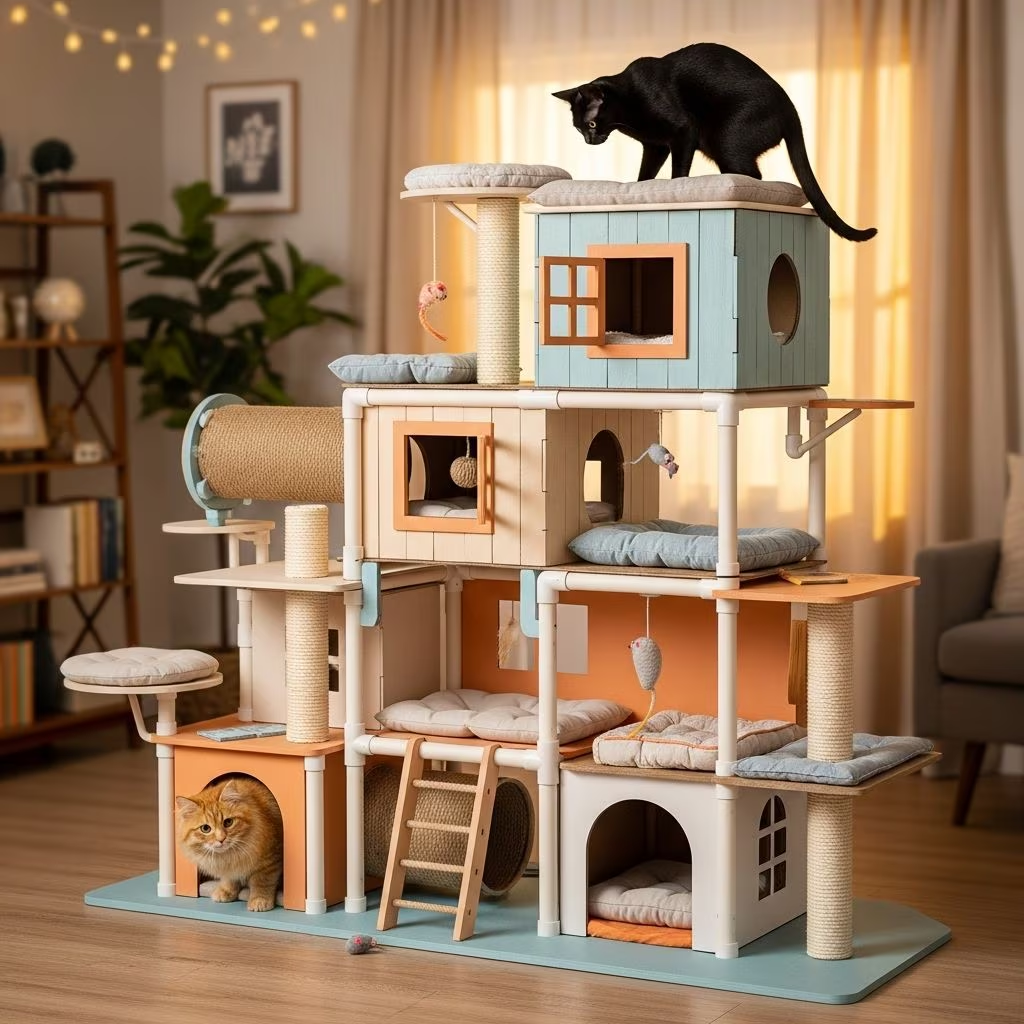
Cats thrive on vertical spaces, hidden nooks, and interactive environments that mimic their natural instincts for climbing, hiding, and pouncing. Building a DIY cat fort offers an affordable way to enrich your cat’s world while adding a whimsical touch to your home. These structures range from simple cardboard hideouts to sturdy wooden towers, all customizable to fit your cat’s size, energy level, and your available space. With minimal tools and recycled materials, you can craft forts that promote physical activity and reduce boredom-related behaviors like scratching furniture.
Why Cats Love Forts and How They Benefit
Feline instincts drive cats to seek elevated perches and enclosed spaces for security and observation. A well-designed fort satisfies these needs, offering rest spots, play zones, and scratching surfaces. According to veterinary insights, such enrichments can lower stress and prevent destructive habits by channeling natural behaviors into appropriate outlets. Tailor forts to your cat’s breed—agile breeds like Abyssinians may prefer multi-level climbers, while larger cats like Maine Coons need reinforced structures.
- Key Benefits: Enhances mental stimulation, supports physical health through climbing, and fosters bonding during construction.
- Safety First: Always reinforce joints for weight-bearing areas, especially for heavier cats, and avoid small parts that could be ingested.
- Customization Tips: Measure your cat’s shoulder height for entryways and add textures like carpet for grip.
Getting Started: Essential Materials and Tools
Most projects rely on recyclable cardboard boxes, but advanced builds incorporate wood for durability. Stock up on free boxes from local stores or recycling bins, opting for corrugated types for strength.
| Category | Basic Projects | Advanced Projects |
|---|---|---|
| Materials | Cardboard boxes, duct tape, hot glue sticks | Plywood sheets, 2×2 lumber, sisal rope, carpet remnants |
| Tools | Utility knife, ruler, marker, scissors | Jigsaw, drill, screwdriver, clamps, sandpaper |
| Skill Level | Beginner (under 1 hour) | Intermediate/Expert (2-4 hours) |
Prepare a clean workspace and involve kids with supervision for safe cutting. Test stability before introducing to your cat.
Beginner-Friendly Cardboard Creations
1. Simple Stack Fortress
This entry-level design stacks boxes into a towering hideout. Start with three large boxes of varying sizes. Cut arched doorways on alternating sides, measuring 8-10 inches wide and 12 inches tall for easy access. Stack and secure with duct tape along all seams, doubling layers on floors for larger cats. Add viewing windows halfway up for peeking fun. Total time: 30 minutes. Ideal for multi-cat households needing quick expansion.
2. Tunnel Maze Hideaway
Connect medium boxes end-to-end for a winding tunnel system. Slice entry holes at each junction, ensuring a straight 9-inch diameter path. Reinforce curves with internal cardboard braces glued in place. Top with a flat box lid as a roof, poked with star-shaped vents. Cats adore the chase-through sensation, promoting exercise.
3. Elevated Box Perch
Prop two boxes on sturdy stands made from stacked smaller ones, taped securely. Fashion ramps from cardboard tubes or folded sheets for access. This promotes jumping practice while offering a bird’s-eye view. Use weights like books during assembly to set glue firmly.
Moderate Challenges: Artistic and Expansive Designs
4. Medieval Tower Citadel
Craft a multi-turret tower using precise cuts. Draw turret bases with a compass for circular floors, stacking five layers with central pass-through holes aligned perfectly. Tape extensively and decorate edges with marker flags. Moderate difficulty due to measurements; allows customization like adding dangling toys from string.
5. Geodesic Dome Shelter
Form a dome from interlocking cardboard triangles. Cut 30 equilateral pieces (12-inch sides) using a ruler and protractor. Staple or brad-connect into pentagon and hexagon panels, assembling into a hemisphere. This geometric marvel provides panoramic views through mesh-like gaps. Patience required for symmetry.
6. Climbing Spire Castle
Build a vertical climber with staggered platforms. Cut ledges into tall box sides, reinforcing with cross-braces. Include spiral ramps from rolled cardboard for ascent. Perfect for adventurous cats craving heights; secure to a wall for safety.
Advanced Builds: Durable Wooden Wonders
7. Plywood Scratching Tower
Use 24×22-inch hardboard panels and 2×4 lumber for a robust frame. Cut side panels with entry arches, assemble with glued and screwed brackets leaving 2.5-inch lips for bedding. Add sisal-wrapped posts for scratching. This withstands heavy use, as demonstrated in woodworking tutorials.
8. Multi-Level Wooden Pavilion
Construct four corner posts from 2x2s, connecting with plywood shelves at varying heights. Drill countersunk holes for flush screws, gluing all joints. Top with foam-padded platforms and a peephole entry. Clamp during drying for strength.
9. Carpeted Scratching Fortress
Frame with plywood, sheathing in carpet scraps for texture. Incorporate metal brackets for shelves and a central scratching pole. Jigsaw precise cuts for doors. This long-lasting fort doubles as a furniture alternative.
Customization and Upgrade Ideas
Personalize forts with themes: paint exteriors non-toxically, embed catnip pouches, or integrate LED string lights for night play. For longevity, refresh cardboard seasonally and monitor for wear. Combine designs—like adding a dome atop a tower—for mega-structures.
- Size Adjustments: Scale for kittens (6-inch holes) or big cats (12+ inches).
- Texture Add-Ons: Glue felt for softness, rope for climbing.
- Placement Tips: Near windows for entertainment, away from drafts.
Safety Guidelines for Every Build
Inspect for sharp edges, sanding if needed. Ensure no tape residue peels off easily. Supervise initial interactions and place away from heat sources. For wood projects, use pet-safe glues and finishes.
FAQ
How much cardboard do I need for a basic fort?
Typically 3-5 large boxes; recycle appliances packaging for best results.
Can these forts be disassembled?
Yes, use tape over glue for reusable designs.
What if my cat ignores the fort?
Lure with treats or toys inside; give time to adjust.
Are wooden forts better than cardboard?
Wood lasts longer but costs more; start with cardboard to test interest.
How do I clean cat forts?
Vacuum regularly; spot-clean with mild soap, air-dry fully.
References
References
- 13 DIY Cat Fort Plans You Can Make Today (With Pictures) — Catster. 2023. https://www.catster.com/lifestyle/diy-cat-forts/
- How To Build A Cat Fort/Bed — YouTube (Woodworking Tutorial). 2020. https://www.youtube.com/watch?v=4UVm2xtiqg4
- Create Your Own Cat Castle — Medicine Hat Public Library. 2022. https://mhpl.shortgrass.ca/blog/cat-castle
- DIY: 10 Steps For Building Your Own Cardboard Cat Castle — The Honest Kitchen. 2021. https://www.thehonestkitchen.com/blogs/diy/diy-10-steps-for-building-your-own-cardboard-cat-castle
- 15 Cardboard Cat Fortresses To Inspire Your Next DIY Project — Meowingtons. 2023. https://www.meowingtons.com/blogs/lolcats/cardboard-cat-fortresses-to-inspire-your-next-diy-project



