

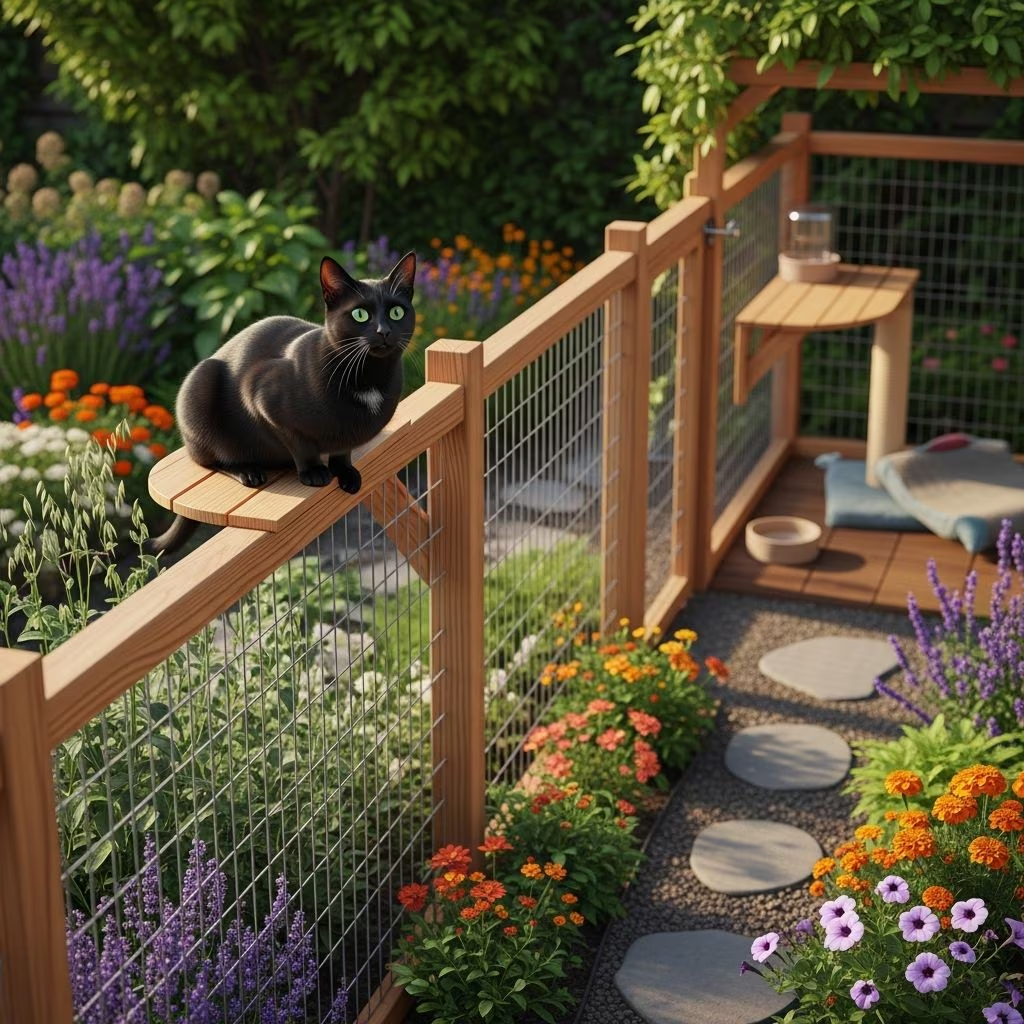
DIY Cat Fence Ideas: Build a Safe Garden Today
Creating a safe outdoor space for your cat doesn’t have to be complicated or expensive. A DIY cat fence allows your feline companion to enjoy the fresh air, sunshine, and grass while remaining secure within your garden. Whether you’re looking for a simple weekend project or a more elaborate solution, there are numerous cat fence ideas that can be customized to fit your yard and budget. This guide will walk you through various options, from basic mesh installations to innovative roller systems, ensuring your cat can safely explore the outdoors without the risk of escape.
Understanding the Importance of Cat-Proof Fencing
Cats are naturally curious and athletic animals with remarkable climbing and jumping abilities. A standard fence that keeps dogs contained often fails to keep cats secure, as most cats can easily jump over a four-foot fence. Additionally, cats can squeeze through surprisingly small gaps and dig under fences if given the opportunity. A properly designed cat fence addresses these challenges by creating a secure barrier that prevents escape while allowing your cat to enjoy supervised outdoor time. The benefits of a cat-proof fence include reduced risk of traffic accidents, protection from predators, prevention of unwanted litter box use in neighbors’ gardens, and the ability to provide your cat with enriching outdoor experiences.
Basic Mesh and Netting Solutions
One of the most accessible DIY cat fence solutions involves adding mesh or netting to your existing fence. This approach is particularly cost-effective and can be completed in just a few hours.
Step-by-Step Mesh Installation Process
To create a basic mesh cat fence, you’ll need to gather specific materials and follow a structured approach:
- Materials Required: Cat-proof netting or mesh (1-inch mesh or smaller), cable ties, mounting brackets (30×30 cm with 90-degree angles), bolts and nuts, and optionally, staples for wooden fences
- Tools Needed: Drill, socket wrench screwdriver, tape measure, cable tie cutter, and PVC cutter if using plastic mesh
- Estimated Time: Approximately six hours for a standard backyard fence
- Experience Level: Medium difficulty, suitable for most DIY enthusiasts
Installation Steps
Begin by counting your fence posts to determine how many brackets you’ll need—typically one bracket per post. If desired, spray paint the brackets to blend with your existing fence for a more aesthetically pleasing appearance. Measure each side of your fence carefully and cut separate mesh pieces for each section, planning to connect them at corners afterward. Drill holes into your fence posts at appropriate heights, then attach the mounting brackets using bolts and nuts, securing them tightly with a socket wrench. Once brackets are installed, use cable ties to attach the netting securely to the brackets, and if you have a wooden fence, you can reinforce the attachment with staples. Leave a 5-10 centimeter hang of extra mesh at the top; this slack makes the netting wobble when a cat attempts to climb, discouraging escape attempts. Finally, join the corner pieces neatly by attaching corner brackets at a 45-degree angle and connecting the mesh pieces together.
Fence Roller Systems: Advanced Protection
Fence rollers represent a more sophisticated approach to cat-proofing and work by rotating when a cat attempts to jump, preventing them from gaining purchase on the fence top. Several excellent DIY roller designs are available for different fence types and skill levels.
PVC Pipe Roller Systems
The most accessible roller option uses PVC piping, which is lightweight, durable, and relatively easy to install. One straightforward approach involves using storm drain PVC pipe mounted horizontally just inside the lip of your fence using brackets. This design is particularly discreet, making it ideal if you’re concerned about neighbors or homeowners’ associations objecting to the appearance. The materials are minimal—just storm drain PVC pipe and mounting brackets—and installation requires only a PVC cutter and basic bracket installation tools.
Another PVC roller design uses 2- or 3-inch PVC pipes with wooden end plugs that rotate freely. Each PVC section is capped with a round wooden piece featuring a drilled hole, then mounted with a screw that’s slightly smaller than the hole, allowing the pipe to spin when touched. This design requires moderate DIY skills and includes materials such as PVC, wood scraps, L-brackets, wood glue, and fasteners.
Double Layer Roller Systems
For those seeking a more professional appearance, a double-layer roller system uses nested PVC pipes—a smaller 1-inch pipe inside a larger 3-inch pipe—allowing the outer pipe to rotate freely while remaining securely mounted. This system uses steel or braided wire, L-brackets, crimps, and wire anchor locks for assembly. While slightly more complex than single-pipe designs, detailed tutorials with step-by-step instructions, measurements, and video guides make this project achievable for most DIYers.
Rollers for Masonry and Metal Fences
If your fence is constructed from brick or wrought iron, specialized roller designs accommodate these materials. These systems use angle irons, masonry anchors (for brick) or carriage bolts (for wrought iron), combined with PVC tubing and steel wire cable. While they require a powerful drill capable of penetrating your fence material, the resulting installation is clean and effective.
Additional Cat-Proofing Strategies
Fence Height and Structural Considerations
A fundamental rule of cat-proof fencing is that your fence must be at least six feet tall. Most cats can clear a four-foot fence with ease, so any fence shorter than six feet requires additional modifications like toppers or rollers to be effective. Beyond height, examine your landscaping carefully; trees, boulders, garden boxes, and outdoor furniture near the fence can serve as launching points, allowing cats to jump over even tall barriers.
Securing the Fence Base
Cats can squeeze through gaps as small as a few inches, so securing the bottom of your fence is essential. Check that your fence reaches the ground without significant gaps. For gates, cover the back with chicken wire or mesh fencing (using 1-inch mesh or smaller), and fill any ground-level gaps by raising soil level or adding wood or wire barriers.
Curved and Overhanging Designs
Curved fencing naturally deters cats, as the curved top provides no secure landing surface and feels unstable to climbing animals. Similarly, any structure that overhangs the top edge of your fence creates an unsafe landing zone that discourages jump attempts. You can create decorative overhangs using fence material, plant pots, or trailing plants, combining function with aesthetic appeal.
Mesh Material Selection
When choosing mesh for your cat fence, size matters significantly. Never use mesh larger than 1-inch openings, as cats can insert their heads through larger gaps, creating serious injury risks. Wire mesh offers durability and longevity but may have an institutional appearance, while soft netting is flexible and easier to install but requires regular inspection for damage. Consider your climate; harsh weather requires more durable materials that won’t degrade quickly.
Alternative Solutions: Catios and Enclosed Spaces
If cat-proofing an entire fence seems overwhelming, consider building a catio—a cat-specific outdoor enclosure. Catios range from small structures measuring just a few cubic feet to expansive enclosures covering your entire yard. These fully enclosed spaces provide complete safety while allowing cats to experience outdoor sensations. Many catios are designed to connect to homes via cat doors, allowing your feline friend to access outdoor space independently while remaining secure. Ideal catios offer a mix of shade, sunlight, and safe hiding places, creating a comfortable outdoor retreat.
Comparing DIY Cat Fence Options
| Solution Type | Difficulty Level | Estimated Cost | Installation Time | Best For |
|---|---|---|---|---|
| Basic Mesh Addition | Medium | Low to Moderate | 4-6 hours | Existing fences, quick projects |
| PVC Roller (Single) | Easy to Moderate | Low to Moderate | 4-8 hours | Wood or plastic fences |
| Double Layer Roller | Moderate | Moderate | 6-10 hours | Professional appearance seekers |
| Curved Fencing | Moderate to High | High | Variable | New fence installations |
| Catio Enclosure | Moderate to High | Moderate to High | Variable | Complete outdoor control |
Frequently Asked Questions About DIY Cat Fences
Q: How tall does a cat fence need to be?
A: Your fence should be at least six feet tall to effectively contain most cats. Anything less than six feet requires additional modifications like rollers or toppers, as cats can jump over shorter barriers with ease.
Q: What mesh size is safe for cats?
A: Use only 1-inch mesh or smaller. Larger mesh openings allow cats to insert their heads, creating serious injury risks. Ensure your chosen material meets this safety requirement.
Q: Can I add a cat fence topper to my existing fence?
A: Yes, fence toppers are an excellent option if you don’t want to replace your entire fence. Wire mesh barriers are soft, flexible, and easy to install along the top of existing fencing, providing additional height and deterrence.
Q: How much does it cost to build a DIY cat fence?
A: Basic mesh solutions cost $200-$500 depending on fence length, while more elaborate roller systems range from $300-$800. Costs vary based on materials chosen and your fence dimensions.
Q: What’s the easiest DIY cat fence solution?
A: The basic mesh and cable tie system is typically the easiest option, requiring only drilling, measuring, and fastening mesh to brackets. It can be completed in approximately six hours with medium DIY experience.
Q: Do fence rollers really work?
A: Yes, fence rollers are highly effective. When cats attempt to jump and land on the roller, it spins beneath them, preventing them from gaining purchase. Most cats quickly learn that the fence is unclimbable and abandon escape attempts.
Q: Can I use a cat fence topper on a fence less than six feet?
A: While toppers add height and deter jumping, they work best on fences approaching six feet. Very short fences (under four feet) may still allow cats to clear the barrier even with a topper installed.
Getting Started With Your DIY Cat Fence Project
Before beginning your project, assess your current fence condition and choose the solution that best fits your needs, budget, and skill level. Start by measuring your entire fence perimeter to calculate material requirements accurately. Gather all necessary tools and materials before starting work—this preparation prevents frustrating mid-project runs to hardware stores. Consider the season; working in pleasant weather makes the project more enjoyable.
For those tackling a mesh installation, begin with one fence section as a practice run. This approach allows you to refine your technique before committing to the entire yard. For roller systems, watch tutorial videos completely before beginning, as understanding the complete process prevents common mistakes. Don’t hesitate to ask for assistance; having a second person makes drilling, measuring, and holding materials significantly easier.
Once your cat fence is complete, conduct a thorough inspection, checking for any gaps, sharp edges, or loose components. Test the stability of rollers and ensure all mesh is securely fastened. Allow your cat to explore the new outdoor space with supervision during initial visits, observing their behavior and confirming the fence is functioning as intended.
Maintaining Your Cat Fence
Regular maintenance extends your cat fence’s lifespan and ensures continued safety. Inspect mesh quarterly for tears or separation from mounting brackets. Check that cable ties remain tight and haven’t degraded from sun exposure. For roller systems, ensure pipes spin freely and aren’t blocked by debris. In winter, remove accumulated snow or ice from fence tops and rollers. Replace any damaged mesh sections promptly, as small tears can expand rapidly, creating escape routes.
References
- DIY Cat Proof Fence (STEP BY STEP GUIDE) — Wire Fence. 2024. https://www.wirefence.co.uk/diy-cat-proof-fence/
- 4 Amazing DIY Cat Fence Roller Plans You Can Create — Catster. 2024. https://www.catster.com/lifestyle/diy-cat-fence-roller-plans/
- 10 Simple Ways To Cat-Proof A Fence — Cats.com. 2024. https://cats.com/ways-to-cat-proof-a-fence



