

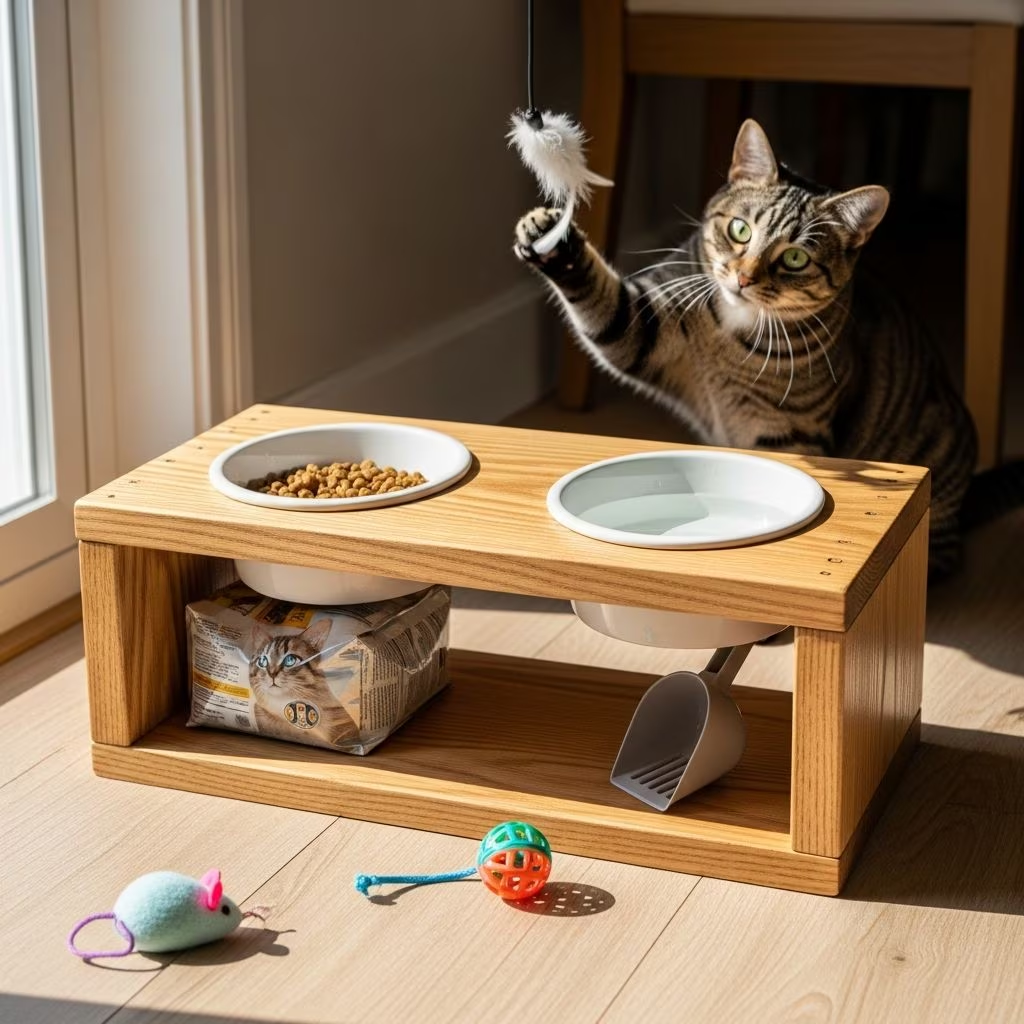
Creating dedicated feeding areas for cats enhances their comfort, reduces mess, and protects food from weather or spills. Whether for indoor pets or community felines, these custom stations promote hygiene and accessibility using everyday materials.
Why Invest in Custom Feeding Stations
Elevated or sheltered feeders prevent ground contamination, deter pests, and suit cats’ natural preferences for raised dining. Outdoor versions shield kibble from rain and snow, while indoor designs minimize floor cleaning. Simple builds cost under $50 and last years with basic maintenance.
Essential Materials for All Projects
- Plastic storage bins or tubs (20-30 gallons for outdoors)
- Wood planks (2x4s, pressure-treated for durability)
- Utility knife, box cutter, or Dremel tool
- Duct tape or weatherproof sealant
- Drill, screws, and permanent marker
- Hair dryer for softening plastic
- Bricks or rocks for stability
These items are available at hardware stores or dollar shops, keeping projects affordable and accessible.
Weatherproof Outdoor Stations for Community Cats
Outdoor setups protect feral or stray cats’ meals from elements, ensuring reliable nutrition. A basic plastic tub design offers shelter without complexity.
Step-by-Step Plastic Tub Shelter
- Mark a cat-sized entry (8×10 inches) on the tub’s side with a ruler and marker, avoiding handles.
- Heat the marked area with a hair dryer for 1-2 minutes to soften plastic.
- Cut out the opening using a box cutter or Dremel; work slowly for clean edges.
- Smooth edges with duct tape to prevent scratches.
- Position tub upside down on two 2×4 planks (18 inches tall); mark and drill pilot holes.
- Secure tub to planks with wood screws.
- Replace lid as roof; tilt slightly forward for drainage by adding wood under the back.
This creates a cozy, rain-resistant haven. Add shallow bowls inside for food and water. Remove leftovers after 30 minutes to avoid ants.
Camouflaged and Stable Variations
For discreet placement, cover with artificial rocks or blend into bushes. Weigh down with bricks to resist wind. In rainy areas, drill drainage holes in the floor.
| Design Type | Pros | Cons | Best For |
|---|---|---|---|
| Plastic Tub Basic | Cheap, quick build | Limited capacity | Small colonies |
| Deck Box Modified | Spacious, sturdy | Heavier to move | Large groups |
| Camouflaged Rock | Hidden from view | More assembly | Urban areas |
Elevated Indoor Feeders for Home Cats
Raised platforms ease cats’ digestion, reduce neck strain, and contain spills. Ideal for multi-cat homes or seniors.
Simple Raised Wooden Platform
Use 2x4s to build a 12-inch high stand. Cut four legs and a top platform from plywood. Screw together, sand edges, and place bowls on top. Stain for aesthetics. This keeps floors dry and food off-limits to dogs.
Custom Mess-Free Station
Incorporate a stainless steel tray below for splash catch. Drill holes in the platform for water drainage. Cats love the stability, and cleanup takes seconds.
- Height: 8-12 inches for most cats
- Width: 24×18 inches for two bowls
- Add non-slip mats inside
Smart Kibble Dispensers and Auto-Feeders
DIY dispensers save time for busy owners or remote colony care. Repurpose litter jugs for gravity-fed kibble.
Litter Jug Dispenser Build
- Clean a large litter container thoroughly.
- Heat bottom with hair dryer; cut a 4-inch slit.
- Insert a takeout dish or tray to catch falling kibble.
- Tape securely; fill with dry food and cap.
- Place in a bin for weatherproofing; anchor with stones.
Refill weekly; ideal for dry food only. For wet food, stick to manual stations.
Advanced Multi-Cat and Seasonal Designs
Serve multiple cats with partitioned stations or heated pads for winter. Stackable tubs create tiers; add straw bedding for warmth. In summer, elevate for airflow.
Winter-Ready Enhancements
- Insulate with foam boards inside walls
- Use solar lights for night visibility
- Provide unfrozen water via heated bowls
Monitor for local rules; place away from high-traffic zones.
Tips for Maintenance and Safety
Weekly checks prevent mold; refresh bedding monthly. Secure against predators with low entries. Track cat health via feeding patterns. Eco-friendly: Use recycled plastics.
References
- Build a Feeding Station — Alley Cat Allies. Accessed 2026. https://www.alleycat.org/resources/build-a-feral-cat-feeding-station/
- How to Build a Feeding Station for Community Cats — Lola The Rescued Cat. 2021-12. https://www.lolatherescuedcat.com/2021/12/how-to-build-a-feeding-station-for-community-cats.html
- DIY Feeding Stations & Food Dispensers — Toronto Street Cats. Accessed 2026. https://torontostreetcats.com/diy-feeding-stations-food-dispensers/
- I built a custom cat feeding station — YouTube (Individual Creator). Accessed 2026. https://www.youtube.com/watch?v=EyYat05AH9U
- DIY Outdoor Feeding Station for Community Cats — Michigan Pet Alliance / YouTube. 2022-05-14. https://www.youtube.com/watch?v=w08eM4-CgYo
- PLAN: Raised Pet Feeder for Cats and Small Dogs — Ana White. 2011-01. https://www.ana-white.com/2011/01/plan-raised-pet-feeder-cats-and-small-dogs
Frequently Asked Questions
What materials are safest for cat feeding stations?
Pressure-treated wood, plastic bins, and stainless steel resist moisture and toxins. Avoid untreated lumber.
How often should I clean outdoor stations?
Daily food removal; full clean weekly with mild soap.
Can these work for indoor and outdoor use?
Yes—indoor versions focus on elevation, outdoors on shelter.
What’s the best height for raised feeders?
Match cat shoulder height: 10-12 inches average.
Are DIY stations legal everywhere?
Check local ordinances; discreet placement helps.
(Word count: 1678)



