

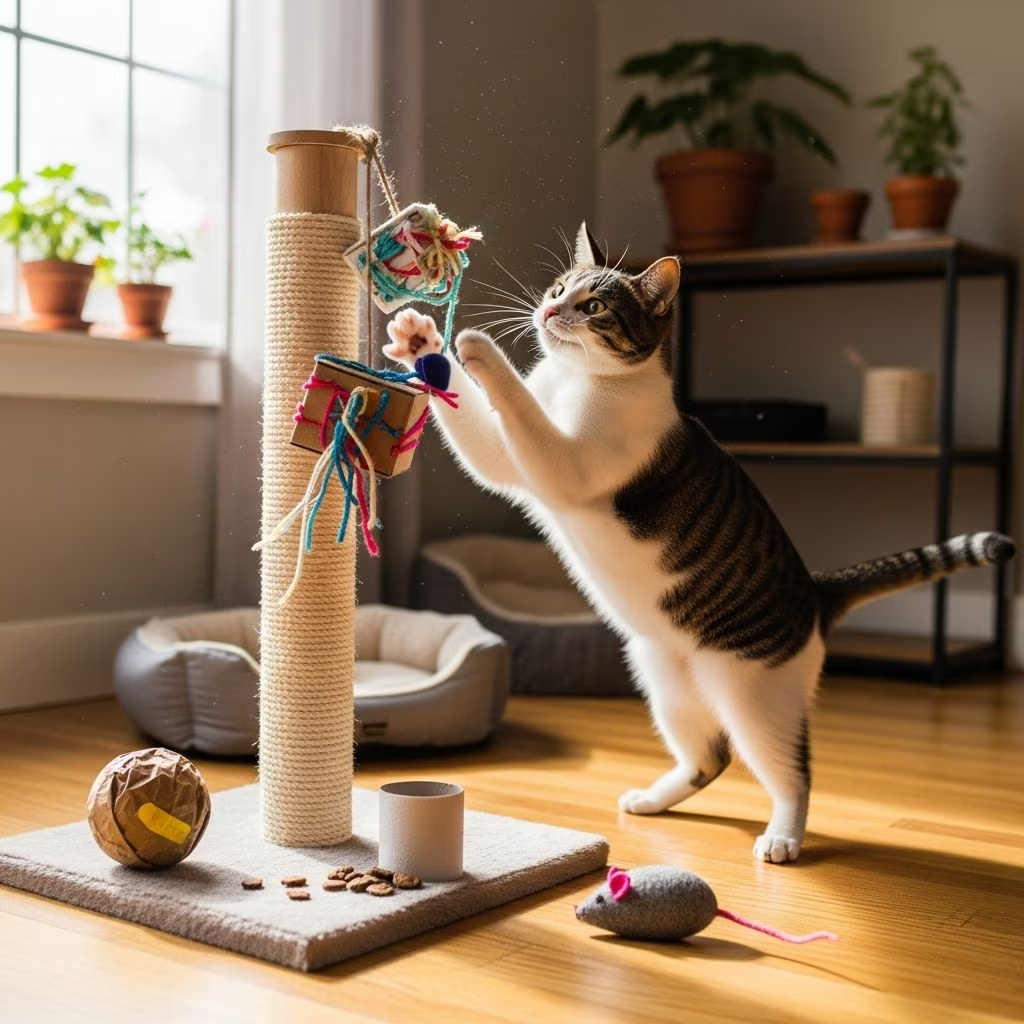
DIY Cat Enrichment: Keep Your Feline Happy at Home
Cats are naturally curious, intelligent creatures with strong instincts for hunting, exploring, and problem-solving. Enrichment activities are essential for maintaining your cat’s physical health, mental stimulation, and emotional well-being. Whether your cat spends time indoors or has outdoor access, DIY enrichment projects provide affordable, creative ways to satisfy their natural behaviors and keep boredom at bay. The best part? Many of these projects use items you likely already have at home, making enrichment both budget-friendly and accessible to all cat owners.
Understanding Feline Enrichment
Enrichment for cats encompasses activities and environments that encourage their natural behaviors while providing mental and physical stimulation. This includes hunting, scratching, climbing, exploring, and social interaction. Without adequate enrichment, cats may develop behavioral problems such as destructive scratching, excessive meowing, or inappropriate elimination. Regular enrichment activities help prevent these issues while promoting a happier, healthier cat.
Why Enrichment Matters for Indoor Cats
Indoor cats have limited opportunities to engage in their natural instincts compared to outdoor cats. They cannot hunt live prey, climb trees, or patrol territory. DIY enrichment projects bridge this gap by creating stimulating indoor environments that mimic natural behaviors. Enrichment keeps cats physically active, reduces stress-related behaviors, and strengthens the bond between cats and their owners through interactive play.
Food Enrichment: Making Mealtime Fun
Food enrichment transforms ordinary mealtimes into engaging activities that challenge your cat mentally while satisfying their hunger. By making cats work for their food, you replicate the hunting experience and slow down eating, which aids digestion. The following DIY food enrichment projects use common household items.
Reach Feeder
A reach feeder is an excellent introduction to food puzzles that encourages cats to use their paws and problem-solving skills.
What You’ll Need:
- Toilet paper rolls (3-4)
- Shoe box with lid or soft drink box
- Pencil or pen
- Sharp knife
- Cat kibble or treats
How To:
- Using a pen or pencil, trace the end of the toilet paper rolls on top of the lid; repeat in different locations on the lid, one outline for each roll.
- Using your knife, cut the holes out on the lid. Make sure to cut along the traced lines – if the hole is too big the roll will not be sturdy.
- Slide rolls into each of the holes, and place kibble or treats into each roll.
- Give to your cat and watch them figure out how to retrieve the treats from inside the tubes!
This project teaches cats that they must reach into the tubes with their paws to access the food, encouraging natural fishing or foraging behaviors.
Slow Feeder
A slow feeder helps cats eat at a more natural pace, promoting better digestion and extended mealtime engagement.
What You’ll Need:
- Toilet paper or paper towel roll
- Sharp knife or scissors
- Cat kibble or treats
- Tape or rubber bands
How To:
- Using a knife, cut holes on the side of the tube, making sure they are large enough for the kibble or treats to pass through.
- Place the kibble or treats inside the tube and tape or fold the ends securely.
- Give to your cat and allow them to nudge and bat the roll around as kibble dispenses gradually.
This simple project encourages cats to interact with their food in a way that mimics natural hunting and eating patterns.
Additional Food Enrichment Ideas
Beyond basic reach and slow feeders, consider these creative food enrichment variations:
- Muffin Tin Puzzle: Place treats or kibble in a muffin tin and cover each cup with a ping pong ball. Cats must remove the balls to access the food.
- Pizza Box Puzzle: Cut holes into empty pizza boxes and insert cat treats to create an inexpensive puzzle toy.
- Treat Scatter Feeding: Instead of serving meals in a bowl, scatter kibble across the floor or on a cat tree, encouraging your cat to hunt for each piece.
- Paper Bag Concealment: Hide treats inside paper bags or wrapped in packing paper for cats to tear open and discover.
Environmental Enrichment: Creating an Engaging Space
Environmental enrichment focuses on creating a stimulating home environment that encourages exploration, climbing, scratching, and play. This involves utilizing both horizontal and vertical spaces throughout your home to provide variety and opportunity for natural behaviors.
Bird TV
For simple, low-effort enrichment, create a comfortable viewing spot by the window where your cat can watch birds, squirrels, and other outdoor activity.
How To Set Up:
- Place a cushion, cat bed, or blanket on a windowsill where your cat can comfortably observe outdoor activity.
- Position the space away from drafts but in good natural light.
- If outdoor views are limited, supplement with online “bird TV for cats” videos displayed on a screen or tablet.
- Ensure the viewing area is safe and free from hazards like falling objects or access to toxic plants.
Bird TV provides hours of entertainment as cats watch natural prey movement, hear bird calls, and engage their hunting instincts through a safe window barrier.
Toilet Paper Roll Toys
Toilet paper rolls are remarkably versatile for creating engaging toys that cats enjoy for hunting and shredding.
What You’ll Need:
- Toilet paper rolls
- Scissors
- Q-tips
- Stapler
- Non-toxic glue
- Optional: bells, crinkle paper, catnip
Creative Variations:
- Crinkle Toy: Stuff a toilet paper roll with crinkle paper or newspaper, fold the ends, and let your cat tear it apart.
- Bell-Filled Toy: Insert small bells inside a toilet paper roll, staple the ends, and watch your cat pounce on the noise.
- Catnip-Filled Roll: Place catnip inside a toilet paper roll and seal the ends for an aromatic toy.
- Feather Toy: Glue feathers to the outside of a roll for a prey-like play experience.
Build a Cat House or Tunnel
Cardboard boxes provide cats with secure spaces for hiding, resting, and playing. Creating a cat house or tunnel system satisfies their need for enclosed spaces and vertical territory.
What You’ll Need:
- Cardboard boxes of various sizes (large enough for your cat to fit comfortably inside)
- Sharp knife
- Non-toxic glue or tape
- Optional: paint, markers, or carpet scraps for comfort
How To:
- Select multiple cardboard boxes of varying sizes.
- Cut entry and exit holes in the boxes at appropriate sizes for your cat.
- Connect boxes together using non-toxic glue or tape to create a tunnel system.
- Stack boxes vertically to add climbing opportunities.
- Place the structure in a quiet corner where your cat can observe their surroundings.
- Add blankets or carpet scraps inside for comfort.
Cat houses provide a sense of security, a place to retreat when stressed, and an elevated vantage point for surveying their territory.
Build a Cat Maze
A DIY cat maze combines exploration, problem-solving, and physical activity in an engaging indoor structure.
What You’ll Need:
- Cardboard or craft paper
- Sharp knife
- Non-toxic tape
- Optional: treats for motivation
How To:
- Create walls and pathways using cardboard strips or rolled paper.
- Arrange these elements to create a maze pattern on the floor.
- Add multiple entry and exit points to encourage exploration.
- Place treats strategically throughout the maze to motivate your cat.
- Allow your cat to navigate and discover treats independently.
- Modify the maze regularly to maintain novelty and challenge.
Mazes encourage natural foraging and problem-solving behaviors while providing physical exercise.
Additional Environmental Enrichment Ideas
- Vertical Territory: Create climbing opportunities using wall-mounted shelves, cat trees, or furniture that allows cats to survey their environment from height.
- Scratching Posts: Provide multiple scratching surfaces made from cardboard, sisal rope, or carpet to satisfy scratching instincts and maintain healthy claws.
- Window Perches: Install window-mounted perches for comfortable bird watching and natural light exposure.
- Rotating Toys: Keep cats interested by rotating available toys weekly rather than leaving all toys accessible simultaneously.
- Sensory Items: Introduce novel items like paper bags (with handles removed), plastic balls, or safe household objects to investigate.
Interactive Play and Bonding
Beyond independent enrichment, interactive play with your cat strengthens your bond while providing essential exercise and mental stimulation. Dedicate 10-15 minutes daily to interactive play using toys like:
- Wand toys with feathers or strings that mimic bird or mouse movements
- Laser pointers (always ending play with a physical toy catch)
- Ball toys that can be tossed for chasing
- Crinkle toys that make enticing sounds
Safety Considerations for DIY Enrichment
When creating DIY enrichment toys and structures, prioritize your cat’s safety:
- Use non-toxic glue and materials only. Avoid adhesives with harmful chemicals.
- Remove plastic bags and handles that pose strangulation hazards.
- Ensure all toys are appropriately sized to prevent choking.
- Check structures regularly for sharp edges, splinters, or deterioration.
- Supervise initial interactions with new enrichment items to identify potential hazards.
- Avoid small objects that cats might ingest, such as bells that aren’t securely attached.
- Keep string, ribbon, and linear materials away from cats prone to eating them.
Rotating Enrichment for Maximum Engagement
Cats naturally become bored with familiar toys and environments. Maintain interest by rotating enrichment items weekly. Store toys not currently in use and reintroduce them periodically. This strategy makes “old” toys feel novel again while reducing clutter and extending the lifespan of enrichment items. Additionally, vary enrichment types throughout the week—alternate between food puzzles, environmental exploration, and interactive play to provide balanced stimulation.
Observing Your Cat’s Preferences
Every cat has individual preferences for enrichment types. Some cats prefer hunting-based activities, while others enjoy climbing or problem-solving. Pay attention to which enrichment activities your cat engages with most enthusiastically. Some cats love interactive play with wand toys, while others prefer independent food puzzles. Tailor your enrichment program to your cat’s unique personality and energy level for maximum effectiveness.
Frequently Asked Questions
Q: How often should I provide enrichment activities for my cat?
A: Cats benefit from enrichment activities daily. Rotate different types of enrichment—food puzzles, interactive play, and environmental exploration—throughout the week to maintain engagement and provide balanced mental and physical stimulation.
Q: Are DIY enrichment toys safe for cats?
A: Yes, when made with non-toxic materials and proper safety considerations. Always use non-toxic glue, avoid small choking hazards, remove plastic handles and bags, and supervise your cat with new toys initially to ensure safety.
Q: What if my cat isn’t interested in DIY enrichment toys?
A: Cats have individual preferences. Try different enrichment types—some prefer food puzzles, others enjoy climbing structures or interactive play. Experiment to discover what engages your specific cat, and don’t be discouraged if initial attempts aren’t successful.
Q: Can I use any cardboard box for a cat house?
A: Most cardboard boxes work well, but ensure they’re food-safe and free from chemical residues. Avoid boxes that previously contained toxic substances. Larger boxes provide more comfortable hiding spaces, while smaller boxes appeal to cats who prefer cozy, confined areas.
Q: How do I keep DIY enrichment items clean?
A: Cardboard items are generally disposable and replaced regularly. Washable toys can be cleaned with pet-safe wipes. Discard any enrichment items that show signs of contamination, excessive wear, or deterioration to maintain hygiene and safety.
Q: Can senior or less active cats benefit from enrichment?
A: Absolutely. Senior cats benefit from low-impact enrichment like bird watching windows, scent exploration, and easily accessible food puzzles. Adjust enrichment intensity to match your cat’s activity level and physical abilities.
References
- Feline DIY Enrichment — ASPCA. 2024. https://www.aspca.org/pet-care/cat-care/feline-diy-enrichment
- ASPCA DIY Upcycled Enrichment — ASPCApro. 2024. https://www.aspcapro.org/sites/default/files/2024-04/aspca-diy-upcycled-enrichment.pdf
- A Feline Enrichment Guide — East Bay SPCA. 2024. https://eastbayspca.org/wp-content/uploads/2024/05/Feline-Enrichment-Guide.pdf
- At-Home Tips for Keeping Your Pets Busy and Engaged — ASPCA. 2024. https://www.aspca.org/news/home-tips-keeping-your-pets-busy-and-engaged
- Cat Enrichment Guide: DIY Ideas — Maryland SPCA. 2025. https://mdspca.org/wp-content/uploads/2025/07/Cat-Enrichment-Guide.pdf



