

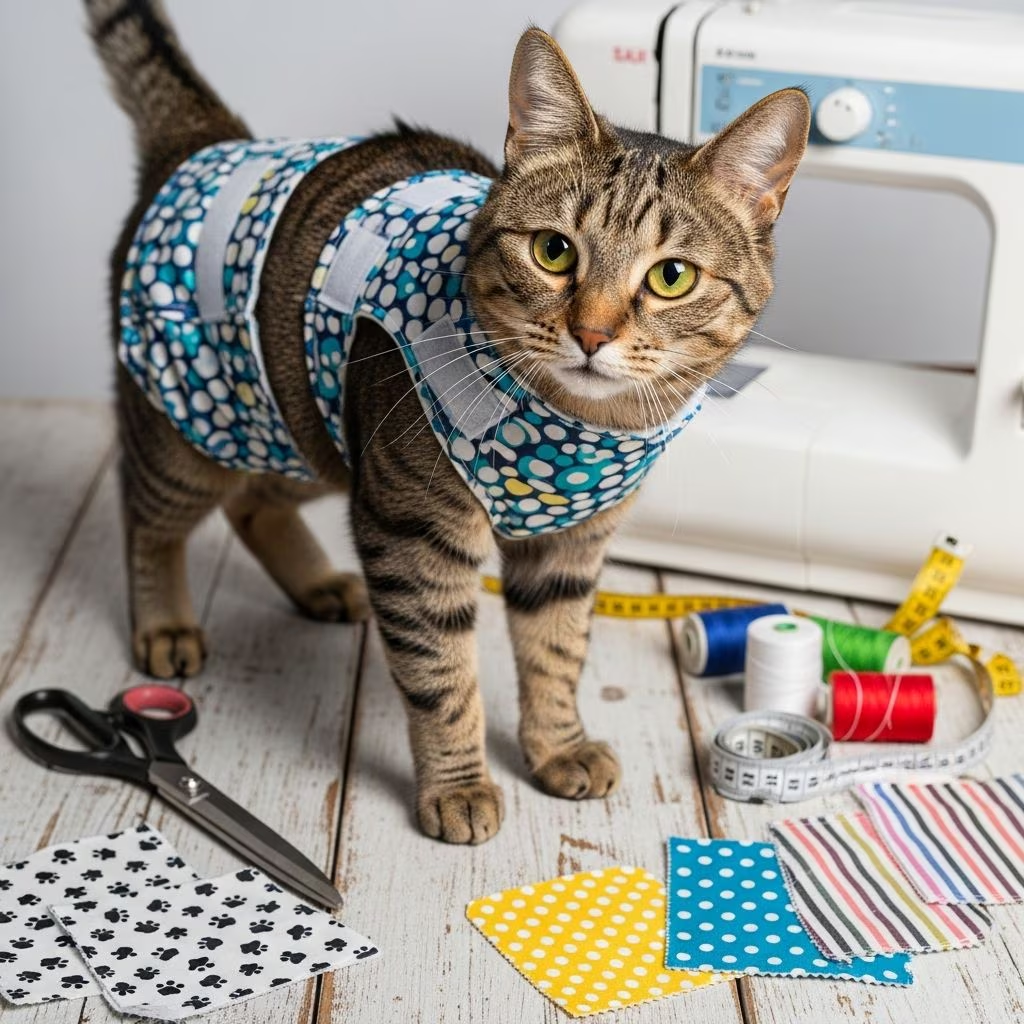
Cat incontinence presents unique challenges for pet owners, often stemming from age-related muscle weakness, urinary tract infections, spinal injuries, or chronic conditions like diabetes. While professional diapers exist, crafting DIY versions provides a cost-effective, customizable alternative tailored to your cat’s needs. This guide explores the underlying causes, essential materials, detailed construction methods, sizing techniques, usage protocols, hygiene practices, and troubleshooting strategies to help you support your feline companion effectively.
Understanding Feline Incontinence: Key Causes and Indicators
Incontinence in cats involves involuntary urine or fecal leakage, distinct from deliberate house soiling. Common triggers include weakening bladder muscles in senior cats, where up to 80% of those aged 16-20 experience cognitive impairment leading to disorientation and accidents.Urinary tract infections (UTIs) rank high, causing frequent urges and potential bladder scarring if untreated. Neurological issues from spinal cord injuries or diseases disrupt nerve signals to the bladder and bowels, while conditions like diabetes prompt excessive urination volumes that mimic leaks.Anal sphincter damage or rectal diseases such as inflammatory bowel disease can lead to fecal incontinence.
Recognize signs early: dribbling urine during sleep or walking, wet fur on hind legs, straining to urinate, bloody or cloudy urine, avoidance of the litter box, excessive genital licking, or fecal soiling around the home. Prompt veterinary diagnosis is crucial, as untreated issues like partial blockages can become life-threatening, especially in male cats with narrower urethras prone to obstructions.
Benefits of Opting for Homemade Cat Diapers
DIY cat diapers offer flexibility in fit for various body types, including overweight or oddly shaped seniors. They reduce household messes, protect furniture, and maintain your cat’s dignity during recovery from surgery or illness. Economically, they cost pennies compared to commercial options, using household fabrics. Customization allows breathable designs to prevent skin irritation, and frequent washing ensures hygiene. For multi-cat homes or stressed environments exacerbating conditions like feline lower urinary tract disease (FLUTD), diapers provide immediate relief while awaiting vet-prescribed treatments.
Essential Materials for Crafting Durable Cat Diapers
Gather these pet-safe, absorbent items before starting:
- Waterproof outer layer: PUL (polyurethane laminate) fabric or repurposed vinyl tablecloths (1 yard).
- Absorbent core: Fleece, microfiber towels, or disposable pads cut to size.
- Soft inner lining: Cotton flannel or old t-shirts for skin contact.
- Fasteners: Velcro strips, sew-on snaps, or elastic bands (non-toxic).
- Elastic cord: 1/4-inch for leg and tail openings to prevent leaks.
- Tools: Scissors, sewing machine or needle/thread, measuring tape, fabric marker.
Avoid irritants like latex or harsh dyes. Source materials from pet supply stores or recycle gently used items after washing.
Step-by-Step Tutorial: Building Your First Cat Diaper
Follow this process to create a prototype in under an hour.
- Measure your cat: Note waist circumference behind front legs, rise from tail base to belly, and leg girth. Add 1-2 inches for comfort.
- Cut patterns: Draw a butterfly shape on paper: wide oval for belly (waist x 1.5), narrowing to tail notch. Cut three layers per diaper.
- Assemble layers: Pin absorbent core between inner cotton and waterproof outer. Sew sides, leaving tail/leg openings.
- Add elastic: Zigzag-stitch elastic around leg holes (stretch 50% while sewing) and tail base for snug fit.
- Install fasteners: Sew Velcro tabs on rear extensions to wrap around waist, ensuring adjustability.
- Test fit: Place on cat upside-down initially for safety; adjust for no gaps or pinching.
Make 5-7 diapers for rotation during washing. Refine based on first use.
Precise Sizing Chart for Different Cat Builds
Use this table to match measurements to sizes, accommodating breeds from Persians to Maine Coons.
| Size | Waist (inches) | Rise (inches) | Ideal Weight (lbs) | Examples |
|---|---|---|---|---|
| XS | 8-12 | 3-4 | Under 5 | Kittens, small adults |
| S | 12-16 | 4-5 | 5-8 | Avg. domestic shorthair |
| M | 16-20 | 5-6 | 8-12 | Larger females |
| L | 20-24 | 6-7 | 12-16 | Males, overweight cats |
| XL | 24+ | 7+ | Over 16 | Big breeds |
Measure a relaxed cat; overweight felines may need M/L hybrids.
Daily Usage and Hygiene Protocols
Introduce gradually with treats to build positive association. Change every 4-6 hours or when 50% saturated to avoid rashes. Clean genitals gently with unscented wipes before re-diapering. Monitor for redness, signaling poor fit or infection. Wash diapers in hot water with pet-safe detergent, air-dry to preserve elasticity. Store extras in a breathable bag. Combine with litter box aids like low-sided trays for mobility-impaired cats.
Advanced Modifications for Special Cases
For fecal incontinence, add rear gussets with extra absorbency. Post-surgical cats benefit from antimicrobial linings. Active cats need reinforced elastics. Tail-less breeds like Manx require wider tail notches to accommodate spinal sensitivities. Experiment with boomerang shapes for better movement freedom.
Frequently Asked Questions (FAQs)
Are DIY cat diapers safe for long-term use?
Yes, if sized correctly and changed frequently to prevent urinary tract issues or skin sores. Consult vets for persistent incontinence.
How do I train my cat to tolerate diapers?
Use short sessions with play rewards; most adapt in 2-3 days. Never force if distressed.
Can diapers treat the cause of incontinence?
No, they manage symptoms. Address root causes like UTIs or diabetes via veterinary care.
What if my cat removes the diaper?
Tighten leg elastics or use onesie overlays. Trim nails to reduce scratching.
Are there eco-friendly material options?
Opt for organic cotton, bamboo fleece, and reusable PUL for sustainability.
Potential Pitfalls and Troubleshooting Tips
Leaks often stem from loose legs—re-sew tighter elastic. Rashes indicate moisture buildup; switch to wicking fabrics. Bulky designs hinder mobility; slim profiles work best. If incontinence worsens (e.g., no urination, blood), seek emergency vet care for blockages. Track patterns to inform diagnosis.
Integrate diapers into holistic care: increase water intake, wet food diets, and stress reduction via pheromones. Regular vet check-ups monitor progress.
References
- Incontinence in Cats: Causes, Signs & Treatment — Purina. 2023. https://www.purina.com/articles/cat/health/symptoms/incontinence-in-cats
- Feline Urinary Tract Disease: Causes, Symptoms & Treatments — Greensboro.CarolinaVet. 2020-08-14. https://www.greensboro.carolinavet.com/site/greensboro-specialty-veterinary-blog/2020/08/14/feline–urinary-tract-disease-causes-symptoms-treatments
- Urinary Incontinence in Cats – Causes, Treatment and Associated — Vetster. N/A. https://vetster.com/en/symptoms/cat/urinary-incontinence
- Caring for an Incontinent Cat — Best Friends Animal Society. N/A. https://bestfriends.org/pet-care-resources/caring-incontinent-cat
- Urinary incontinence in cats — Joii Pet Care. N/A. https://www.joiipetcare.com/blogs/health-conditions/urinary-incontinence-in-cats



