

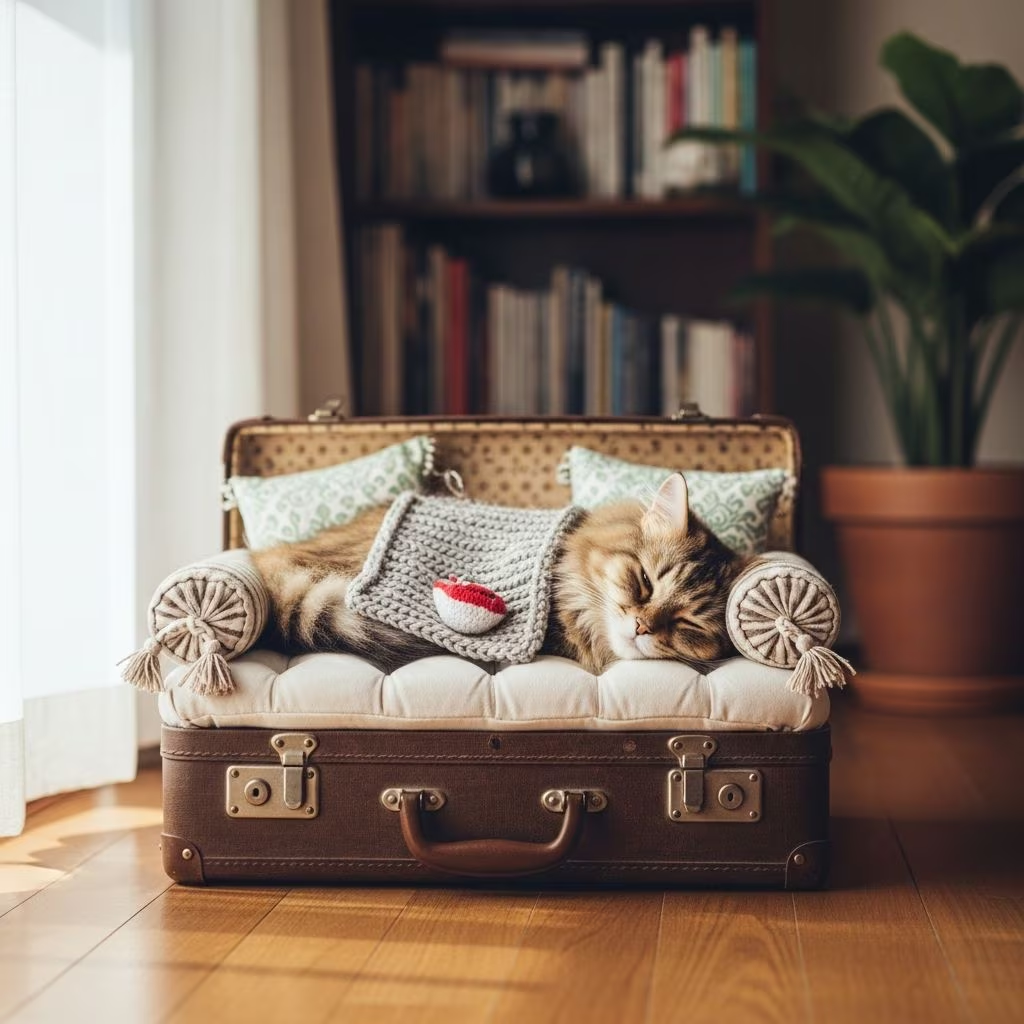
Cat owners often notice their pets claiming furniture as their own territory. Creating a dedicated DIY cat couch offers a stylish solution that matches your home aesthetic while providing a personal lounging spot for your feline friend. These projects range from simple cardboard builds to intricate crocheted designs, allowing customization based on skill level and available materials. With options using plywood, foam, yarn, or recyclables, you can craft durable pieces that withstand scratching and promote relaxation.
Why Build a Custom Cat Couch?
Dedicated cat furniture reduces wear on household sofas and encourages healthy behaviors like lounging away from human spaces. A well-designed cat couch supports natural curling postures, aiding joint comfort especially for older cats. Economically, these projects cost under $50 using scraps or thrift finds, far less than commercial alternatives retailing over $100. They also allow personalization with pet-safe fabrics that resist claws and odors.
Essential Materials and Tools Overview
Most designs share core components: supportive bases, cushioning layers, and protective coverings. Common materials include high-density foam for padding, pet-resistant fabrics like microfiber or canvas, and sturdy plywood for frames. Tools vary by project—basic ones need scissors and glue, while advanced builds require saws and sewing machines.
| Project Type | Key Materials | Basic Tools | Estimated Cost |
|---|---|---|---|
| Wooden Frame | Plywood, foam, fabric | Saw, drill, staple gun | $30-60 |
| Cardboard Base | Boxes, comforter scraps | Scissors, glue | $5-15 |
| Crochet/Yarn | Yarn, foam insert | Crochet hook, needles | $20-40 |
Wooden Cat Couch: Sturdy and Elegant Build
A wooden cat couch mimics miniature human sofas, offering elevated seating with armrests. Start by measuring your cat’s preferred lounging size—typically 20×13 inches for average adults. Cut plywood into base (13×20 inches from ½-inch thick), backrest (11×20.5 inches from ¼-inch), and arms (7×13.5 inches each).
- Assemble frame using corner braces and screws for stability.
- Layer 1-2 inches of high-density foam on seat and back, securing with spray adhesive.
- Wrap in batting for smoothness, then upholster with fabric using a staple gun on the underside.
- Add 4-inch wooden legs via tee nuts for airflow and easy cleaning.
This intermediate project takes 4-6 hours. Adapt dimensions for larger breeds by scaling up plywood cuts proportionally. The result is a plush, claw-resistant throne that blends into living rooms.
Cardboard Mini Couch: Quick and Eco-Friendly Option
For beginners, cardboard excels due to its lightweight nature and feline appeal—cats instinctively seek enclosed boxes. Source sturdy produce boxes (e.g., banana boxes measuring 20x14x4 inches) and layer multiples for height. Disassemble an old comforter for batting and outer fabric.
- Stack and tape boxes into a boxy couch shape with open front.
- Glue comforter batting squares inside for cushioning.
- Sew or hot-glue outer fabric covers, adding Velcro for removable washing.
- Reinforce edges with duct tape to prevent collapse.
Completion time: under 2 hours. This zero-skill design repurposes waste, promoting sustainability while satisfying box-loving instincts. Upgrade with faux fur lining for extra coziness.
Crochet Cat Couch: Textured Yarn Wonderland
Yarn crafts yield machine-washable couches with irresistible textures. Use durable worsted-weight yarn (675 yards) and a 5.5mm hook for a griddle stitch pattern that resists pilling. Insert foam blocks post-crocheting for structure.
- Crochet base as a large oval (20×14 inches), working in rounds with front-post doubles for dimension.
- Build backrest and arms separately, seaming with yarn needle.
- Glue foam core inside, adding pillows via smaller motifs.
- Finish with a dust ruffle for polished look.
Moderate knitters complete this in 10-15 hours. Patterns often include matching throws, enhancing visual appeal. Ideal for multi-cat homes needing washable durability.
Upcycled Scratcher Couch: Revive Old Furniture
Transform a worn cat scratcher into a upholstered gem using plywood reinforcements. Expert builders employ routers for smooth edges and quilter’s padding under fabric.
- Dismantle scratcher, adding ¾-inch plywood base and 1×3 supports.
- Pad with foam and batting, stapling muslin to secure.
- Upholster in pet-safe fabric, attaching 2×2 legs.
- Optional: Embed sisal rope for integrated scratching.
This 6-8 hour project maximizes recyclables, extending item life. Video tutorials aid precision cuts, ensuring professional finish.
Customization Tips for Durability and Style
Tailor couches to your cat’s habits—add sisal panels for scratchers or enclosed caves for hideaways. Choose fabrics with high rub counts (over 15,000 double rubs) for longevity. For multi-pet use, build modular sections that disassemble for cleaning. Incorporate removable zippered covers using ¼-inch elastic hems for snug fit.
Safety Considerations in Cat Couch Construction
Secure all screws and staples to prevent ingestion hazards. Use non-toxic glues and pet-grade foams free of flame retardants. Ensure ventilation under raised designs to deter mold. Test stability by applying 20-pound pressure simulating jumping cats.
Cost Comparison: DIY vs. Store-Bought
| Type | DIY Cost | Retail Cost | Time Savings |
|---|---|---|---|
| Wooden | $40 | $120 | DIY: 5 hrs |
| Cardboard | $10 | $50 | DIY: 1 hr |
| Crochet | $30 | $80 | DIY: 12 hrs |
Beginner Troubleshooting Guide
- Foam slipping? Use temporary adhesive spray sparingly.
- Sewing puckers? Pivot needle at corners and serge hems.
- Frame wobbles? Double-check brace alignments before upholstery.
Advanced Variations for Creative Makers
Combine techniques: crochet covers over wooden frames or add LED lighting in cardboard hides. Scale for kittens with 12×10-inch seats or integrate into wall shelves for space-saving.
FAQs
What is the best fabric for a DIY cat couch?
Microfiber or performance fabrics with high durability ratings resist claws and clean easily with spot treatment.
How long do DIY cat couches last?
With quality materials, 2-5 years depending on use; removable covers extend life.
Can I make a cat couch without sewing?
Yes, staple or glue methods work for fabric application on wooden or cardboard bases.
Are these plans suitable for large cats?
Scale up dimensions by 20-30% using proportional plywood cuts.
What foam thickness is ideal?
1-2 inches of high-density (1.8 lb/ft³) provides support without flattening.
References
- DIY Cat Couch Plans — Catster. 2023. https://www.catster.com/lifestyle/diy-cat-couch-plans/
- 8 DIY Cat Couch Plans — Hepper. 2024. https://articles.hepper.com/diy-cat-couch-plans/
- DIY Cat Couch – The Parisian Peony — Dahix Stephanie Marie. 2020-10-11. https://dahixstephaniemarie.com/2020/10/11/diy-cat-couch/
- Free Red Heart Crochet Cat Couch Pattern — Yarnspirations. 2025-01-03. https://www.yarnspirations.com/en-row/products/red-heart-crochet-cat-couch



