

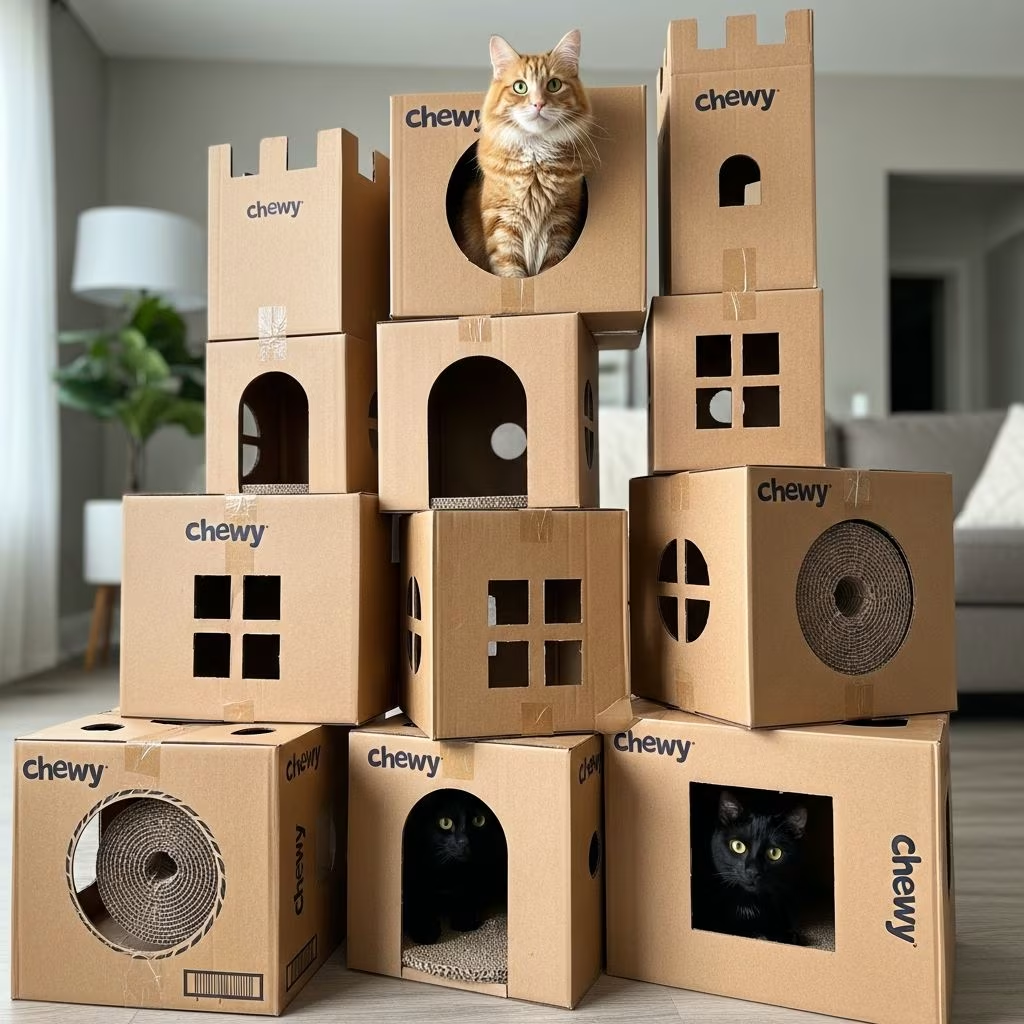
Chewy Box Cat Castle: A Royal DIY Project for Your Feline Friend
Does your cat deserve a palace of their own? Transform ordinary Chewy boxes into an extraordinary cat castle that will make your feline friend feel like royalty. This engaging DIY cat house project is perfect for cat parents who want to provide enrichment, entertainment, and a cozy hideaway for their beloved pets. Not only is this craft project budget-friendly and fun to create, but it also taps into cats’ natural love for cardboard boxes, making it an almost guaranteed success.
Your cat will have the perfect spot to scratch, nap, and observe their indoor kingdom from this handmade fortress. Whether you’re looking for a creative rainy-day project or want to give your cat a unique play space, this DIY cat castle brings joy to both pet parents and their furry companions. Let’s explore how to build this regal feline retreat.
Materials You’ll Need
Before you begin constructing your cat castle, gather all the necessary materials. Having everything on hand ensures a smooth building process and allows you to focus on the creative aspects of the project.
Essential Materials
- Two Chewy boxes (one should be large enough for your cats to stand in)
- Packing tape
- Black marker
- Scissors or box cutter
- Glue gun and glue sticks
Optional Materials for Decoration
- Craft paint or markers for personalization
- Brick-patterned scrapbook paper for authentic castle aesthetics
- Cat teaser wand toy for added enrichment
- Wooden chopstick or dowel for the flag
- Poster board for creating a castle flag
- Comfy kitty bed for interior comfort
Step-by-Step Construction Guide
Step 1: Create the Drawbridge Entrance
Start with your larger Chewy box, which will serve as the base of your castle. Using your black marker, draw a large archway on one side of the box. This archway should extend all the way to the bottom edge of the box to ensure your cat can comfortably fit through it. Carefully cut out all sides of the archway while leaving the bottom edge intact. This remaining bottom edge will function as a drawbridge, allowing your cat to push through and enter their castle while creating an authentic medieval appearance.
Step 2: Add Castle Windows
Bring your castle to life by drawing and cutting out several windows along the other sides of the large box. These windows serve multiple purposes: they provide ventilation, allow your cat to peek out and observe their surroundings, and give the structure an authentic castle look. Vary the window sizes and placement for visual interest and to maintain structural integrity of the cardboard.
Step 3: Secure the Base Box
Once you’ve finished all the openings and details on the base box, tape the top shut using your packing tape. This reinforcement ensures the box maintains its structural integrity, especially as your cat climbs, scratches, and plays inside.
Step 4: Prepare the Tower Section
Take your second Chewy box and remove all of the flaps. This box will become the top tower section of your castle, adding height and visual impact to your creation. The removal of flaps allows for easier stacking and provides space for your castle’s crown.
Step 5: Create the Castle Battlement
Draw the characteristic rectangular gap pattern found at the top of a real castle tower along the top edges of this second box. This crenellation or battlement pattern is the iconic feature that makes a structure look like a medieval fortress. Carefully cut out these rectangular gaps, being mindful not to cut too deeply into the corners where structural support is needed.
Step 6: Stack and Secure the Towers
Place the tower box on top of your larger base box. If the boxes are the same length and width, you can wrap tape around both boxes at the seam to secure them together. Alternatively, you can use your glue gun to permanently attach them. The tape method offers more flexibility if you decide to disassemble the castle later.
Step 7: Add Decorative Details
This is where your creative vision comes alive. Draw a brick pattern on the outside of your castle using your black marker for a classic medieval look. For a more polished appearance, consider using brick-patterned scrapbook paper and adhering it with your glue gun. Inside the top tower section, place a comfy kitty bed where your cat can curl up and enjoy their elevated perch while surveying their kingdom.
Step 8: Crown Your Castle with a Flag
Complete your cat castle with a finishing touch: a custom flag. Cut a triangular flag shape from poster board and decorate it with your cat’s personality in mind. You might draw a paw print, a fish, a lion, or any design that represents your feline’s royal status. Glue this flag to your wooden chopstick or dowel, then securely attach it to the top of your castle tower for an authentic crowning touch.
Why Cats Love Cardboard Boxes
Cardboard boxes are verified cat magnets, and there’s solid reasoning behind this universal feline preference. Cats naturally seek enclosed spaces where they feel safe and secure. The texture of cardboard appeals to their scratching instincts, providing satisfying claw maintenance. Additionally, the slightly enclosed environment helps cats regulate their body temperature and reduces stress by creating a private retreat from the busy household.
By transforming a simple cardboard box into a castle, you’re not just creating an aesthetically pleasing piece of furniture—you’re tapping into your cat’s instinctive desires for security, exploration, and environmental enrichment. This DIY project combines form and function in a way that most commercial cat furniture struggles to achieve.
Design Variations and Customization Ideas
Themed Castles
Take your cat castle project to the next level by exploring different themes. Create a medieval castle, a fairy-tale tower, a haunted mansion, or even a modern palace. Use paint, markers, and decorative materials to bring your chosen theme to life. Your cat won’t care about the aesthetic, but you’ll enjoy the creative expression and the unique conversation piece in your home.
Multi-Level Expansions
Once you’ve mastered the basic two-box design, consider expanding your project. Add additional levels by stacking more boxes, creating tunnels between sections, or even connecting multiple castles for a sprawling cat compound. The possibilities are limited only by your imagination and the number of boxes you can collect.
Integrated Toys and Features
Enhance your cat castle by incorporating your cat teaser wand toy or attaching feather toys to various points throughout the structure. Create small platforms within the castle where treats can be placed, turning it into an enrichment puzzle. These additions transform the castle from a passive hideaway into an interactive play environment.
Assembly and Safety Considerations
Structural Integrity
Ensure all boxes are securely taped or glued together before allowing your cat to use the castle. Check that all openings are smooth and free from sharp cardboard edges that could potentially cut your cat’s delicate paws or nose. Reinforce weak points with additional tape as needed.
Supervision and Maintenance
While this DIY cat house is designed with feline safety in mind, supervise your cat during initial interactions with the castle. Watch for any signs of excessive chewing or destruction that could create hazards. Inspect the structure regularly for wear and tear, particularly around high-traffic areas where your cat frequently enters and exits.
Replacement and Durability
Cardboard furniture is designed to eventually be recycled, and your cat castle will have a finite lifespan depending on your cat’s activity level and scratching habits. Rather than viewing this as a drawback, embrace it as an opportunity to refresh the project periodically. Many cat parents find creating updated castles to be just as enjoyable as the original project.
Pro Tips for Success
- Use quality boxes: Sturdy Chewy boxes provide better structural support than thinner cardboard alternatives. The boxes used for shipping heavier items tend to be more durable.
- Measure your cat: Before cutting openings, measure your cat’s dimensions to ensure the archway and windows are appropriately sized for comfortable entry and exit.
- Work in stages: You don’t need to complete the entire project in one sitting. Break it into phases, allowing yourself creative time between construction steps.
- Keep it dry: Place your finished castle in a dry location away from water and moisture. Wet cardboard deteriorates quickly and loses its structural integrity.
- Document the process: Take photos and videos of your creation process. These memories make wonderful additions to your pet’s digital photo album.
- Involve family members: This project is family-friendly and offers opportunities for bonding while creating something your entire household will enjoy.
Frequently Asked Questions
Q: How long will the cardboard castle last?
A: The lifespan of your cat castle depends on your cat’s activity level and scratching habits. Most cardboard castles remain functional and enjoyable for several months to over a year with proper care and placement in a dry environment.
Q: Can I use boxes other than Chewy boxes?
A: Yes, you can use any sturdy cardboard boxes of appropriate size. Chewy boxes are recommended because they’re typically high-quality and free or inexpensive to obtain if you’re an existing customer.
Q: Is this project suitable for kittens?
A: Absolutely! Kittens often enjoy cardboard castles even more than adult cats due to their higher energy levels and playful nature. Ensure all edges are smooth and supervise young kittens to prevent them from ingesting cardboard pieces.
Q: What if my cat doesn’t use the castle?
A: Some cats may need time to warm up to new structures. Try placing treats or toys inside the castle to encourage exploration. You can also sprinkle catnip to entice your cat. If your cat still shows no interest, they may prefer different types of enrichment.
Q: Can multiple cats share one castle?
A: Yes, if your boxes are large enough, multiple cats can enjoy the castle. However, some cats prefer solitary spaces, so monitor interactions to ensure all cats feel comfortable.
Q: How should I dispose of the castle when it’s no longer usable?
A: Simply break down the cardboard and place it in your recycling bin. Cardboard is fully recyclable and biodegradable, making this an environmentally friendly pet furniture option.
Q: Can I paint the castle with pet-safe paint?
A: Yes, if using paint, ensure it’s labeled as non-toxic and pet-safe. However, markers and scrapbook paper are easier alternatives that eliminate concerns about paint ingestion or skin contact.
Why This DIY Project Stands Out
The Chewy box cat castle represents more than just a fun craft project—it’s a demonstration of creative pet parenting. Unlike mass-produced cat furniture, this handmade creation carries personal touches and customization that reflect your cat’s unique personality. It’s budget-friendly, eco-conscious, and provides genuine enrichment for your feline companion.
This DIY cat house is almost guaranteed to be the most successful cat craft you’ve ever made, one that the royal cat family in your home is sure to approve of. Whether you’re an experienced crafter or tackling your first DIY pet project, the satisfaction of watching your cat enjoy something you’ve created from scratch is unmatched.
References
- Feline Behavior and Environmental Enrichment — The International Society of Feline Medicine. 2024. https://www.isfm.net
- Cardboard and Paper Products Safety for Pets — American Veterinary Medical Association (AVMA). 2024. https://www.avma.org
- Pet Enrichment and Behavioral Health — Cornell Feline Health Center, College of Veterinary Medicine. 2024. https://www.vet.cornell.edu/departments-centers-and-institutes/cornell-feline-health-center
- DIY Pet Furniture Safety Guidelines — Pet Industry Joint Advisory Council (PIJAC). 2024. https://www.pijac.org



