

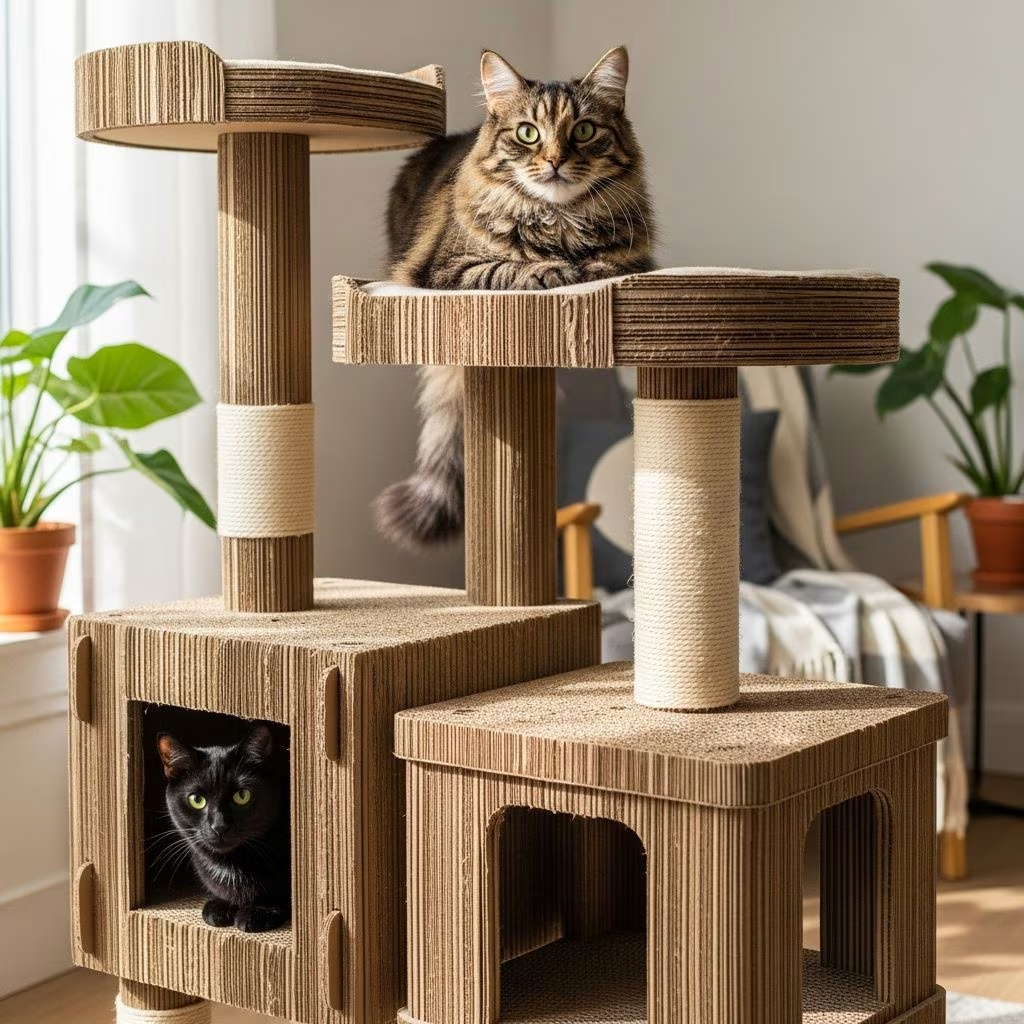
Creating a DIY cardboard cat tree offers cat owners an affordable way to provide essential scratching, climbing, and resting spaces. These structures mimic natural feline habitats using recycled materials, reducing waste while satisfying instincts like shredding and perching high.
Why Choose Cardboard for Cat Trees?
Cardboard appeals to cats due to its texture, which perfectly suits claw-sharpening needs. Unlike pricey commercial towers, homemade versions cost pennies if using shipping boxes and allow personalization to fit your space and pet’s preferences. They promote environmental sustainability by repurposing materials that might otherwise end up in landfills.
Cats instinctively seek vertical territory for safety and observation. A well-designed cardboard tree provides multiple levels, tunnels, and hides, enriching daily life and curbing destructive behaviors like furniture scratching.
Gathering Materials for Your Build
Start with sturdy, large cardboard boxes from appliances or online deliveries—these form platforms and enclosures. Thick mailing tubes or paper towel rolls serve as posts. You’ll also need duct tape, packing tape, hot glue, utility knife, ruler, and optional sisal rope or fabric for reinforcement.
- Cardboard boxes (various sizes, double-walled preferred)
- Cardboard tubes (3-7 inches diameter)
- Non-toxic glue or tape
- Cutting tools (x-acto knife or box cutter)
- Scissors and markers for planning
- Fabric scraps, rope, or felt for coziness
Avoid flimsy single-layer cardboard to ensure stability, especially for larger cats.
Planning Your Cat Tree Design
Sketch a blueprint considering your cat’s size, agility, and home layout. Simple designs feature stacked boxes with cutouts; advanced ones incorporate tubes for poles and hammocks. Aim for a wide base to prevent tipping—platforms should be at least 18×18 inches, spaced 12-18 inches apart vertically.
Test cat appeal by observing play patterns: do they prefer tunnels, shelves, or dangling toys? Modular builds allow adjustments over time.
Step-by-Step: Building a Basic Cardboard Cat Tower
Follow these instructions for a beginner-friendly three-level tower suitable for one or two cats.
- Prepare Boxes: Select three boxes of increasing size (bottom largest). Seal flaps with packing tape inside and out for strength.
- Mark Entry Points: Trace 6-8 inch diameter circles on sides for doors, ensuring opposite sides align for through-ways. Add smaller peepholes for fun.
- Cut Openings: Use a sharp utility knife to score and cut precisely. Smooth edges with folded paper to prevent snags.
- Stack and Secure: Glue and tape boxes together, offsetting for stability. Reinforce roofs with extra cardboard layers where cats perch.
- Add Scratching Surfaces: Wrap exposed corners in sisal rope, gluing tightly. Staple if using thicker material, bending ends inward.
Weigh down the base with sand-filled bottles inside the bottom box for anti-tip security. Allow 24 hours for glue to set.
Advanced Features: Tubes and Platforms
Elevate your design with cardboard tubes as vertical supports. Cut tubes to desired heights (24-48 inches), then slit lengthwise and wrap around central dowels or stack securely.
Create platforms by flattening box lids into circles or squares, covering with felt for lounging. Suspend hammocks from tube frames using fabric scraps knotted through slits. For multi-cat households, add parallel towers connected by bridges made from taped box flaps.
| Feature | Materials Needed | Benefit |
|---|---|---|
| Tunnel Maze | Stacked boxes with aligned holes | Encourages exploration |
| Scratching Posts | Cardboard tubes + sisal | Protects furniture |
| Perch Platforms | Cardboard discs + fabric | Offers high vantage points |
| Hammock | Fabric + box slits | Relaxation spot |
Safety First: Essential Checks
Inspect for sharp edges, loose tape, or wobbly joints before introducing to your cat. Use pet-safe, non-toxic adhesives and paints—water-based only. Position away from windowsills or heat sources to avoid falls or overheating.
Monitor initial use; reinforce as needed. For kittens or seniors, limit heights to 3 feet max.
Customization Ideas for Every Cat
Tailor to personalities: agile cats love towering mazes, while lap cats prefer cozy caves. Paint exteriors with pet-safe colors or add dangling feathers for interactivity.
- Luxury Condo: Layer boxes into multi-room suite with windows.
- Minimalist Scratcher: Single tall tube wrapped in corrugated cardboard.
- Wall-Mounted: Secure shelves to walls with brackets for space-saving.
Refresh every 3-6 months as shredding occurs, recycling worn parts.
Cost Comparison: DIY vs. Store-Bought
DIY trees cost under $20 using recyclables, versus $100+ for similar commercial models. Savings compound with reusability.
Troubleshooting Common Issues
Tower Tips Over: Widen base or add weights.
Cat Ignores It: Add catnip or place near favorite spots.
Falls Apart: Use more tape/glue; opt for thicker cardboard.
Maintenance and Longevity Tips
Vacuum weekly to remove litter. Spot-repair with patches. Rotate toys to maintain interest. Sturdy builds last 6-12 months with multiple cats.
Environmental and Health Benefits
Repurposing cardboard diverts waste from oceans and landfills, aligning with sustainable pet care. Scratching posts reduce stress, preventing vet visits for behavioral issues.
FAQs
Q: How long does a cardboard cat tree last?
A: 3-12 months depending on cat size and use; easy to rebuild.
Q: Is cardboard safe for cats?
A: Yes, if edges are smoothed and non-toxic materials used.
Q: Can I make one for large cats?
A: Use double-walled boxes and reinforce joints.
Q: What if my cat destroys it quickly?
A: That’s normal! Replace sections incrementally.
Q: Are there video tutorials?
A: Yes, search for visual step-by-steps.
References
- DIY Cat Tree House: 21 Steps (with Pictures) — Instructables. Accessed 2026. https://www.instructables.com/DIY-Cat-Tree-House/
- DIY Cat House – How to Make a Cat Tree from Cardboard — YouTube (DIY Perks). 2026. https://www.youtube.com/watch?v=0dViY0zXuVw
- DIY Cat Tree — The Home Depot. Accessed 2026. https://www.homedepot.com/c/ah/diy-cat-tree/9ba683603be9fa5395fab901267ba503
- Crafting Joy: The DIY Cardboard Cat Tree Guide — SONGMICS HOME. Accessed 2026. https://www.songmics.com/blogs/pet-caring-tips-guides/crafting-joy-the-diy-cardboard-cat-tree-guide



