

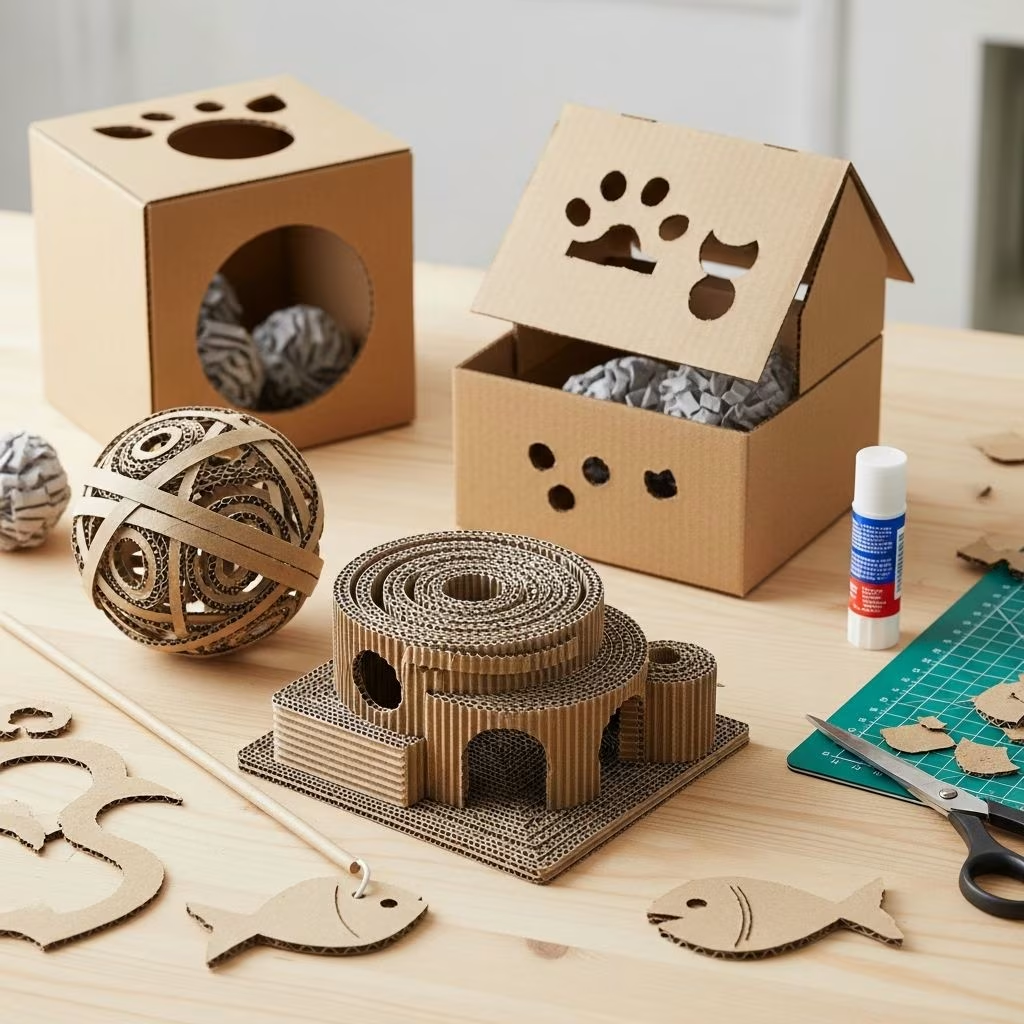
Cardboard is a cat’s dream material—versatile, textured, and endlessly recyclable. From toilet paper rolls to shipping boxes, these everyday items can become interactive toys that satisfy your cat’s natural hunting, scratching, and exploring instincts. Crafting DIY cardboard cat toys not only saves money but also promotes environmental sustainability by repurposing waste. This guide offers original project ideas, complete with materials lists, step-by-step instructions, and tips to maximize playtime.
The Appeal of Cardboard for Cats
Cats are drawn to cardboard due to its unique texture and scent-absorbing qualities. The corrugated variety, with its wavy inner layer, provides the perfect grip for claws, mimicking prey in the wild. Plain cardboard offers a smooth surface for batting and rolling. Both types produce satisfying crinkles and shreds, triggering predatory behaviors like pouncing and scratching.
Beyond play, cardboard helps cats mark territory. Scent glands in their paws release pheromones when scratching, which cardboard readily absorbs. This makes homemade toys feel like personal possessions, increasing engagement. Studies in animal behavior suggest the material’s aroma may even have calming effects, explaining why cats obsess over boxes.
Essential Materials and Safety Tips
Most projects require items you already have: cardboard tubes from paper towels or toilet paper, shipping boxes, scissors, tape, markers, ribbons, feathers, catnip, and treats. Opt for dye-free, plain cardboard to avoid toxins. Supervise play initially to ensure your cat doesn’t ingest small pieces.
- Corrugated cardboard: Ideal for scratchers and textured toys.
- Smooth tubes: Great for rollers and wands.
- Add-ins: Catnip, bells, or treats for extra allure.
- Tools: Non-toxic glue, string, or pipe cleaners.
Always cut pieces large enough to prevent choking and refresh toys regularly as they wear down.
Project 1: Rattle-Filled Tube Chaser
This simple roller toy creates noise and motion, perfect for energetic cats. It’s quick to make and uses minimal supplies.
Materials
- Empty toilet paper or paper towel roll
- Cardstock or thin cardboard for ends
- Small noisemakers (buttons, dried beans, or bells)
- Tape or glue
- Markers or stickers for decoration
Step-by-Step Instructions
- Decorate the tube with pet-safe markers to personalize it.
- Trace the tube’s end on cardstock twice and cut out circles.
- Tape one circle securely to one end of the tube.
- Add 4-6 small items inside for rattling.
- Seal the other end with the second circle, reinforcing with tape.
Your cat will bat it across the floor, enjoying the unpredictable sounds and rolls. Customize by varying fill levels for different noise intensities.
Project 2: Ribbon Feather Teaser Wand
Transform a tube into an interactive wand for bonding sessions. The dangling elements mimic fluttering prey.
Materials
- Paper towel roll
- Colored ribbons (various lengths)
- Craft feathers or fabric scraps
- Hole punch or scissors
- Tape and string
Step-by-Step Instructions
- Decorate the roll creatively.
- Punch 3-5 holes near one end, about 0.5 inches from the edge.
- Thread ribbons through holes, knotting inside to secure.
- Tie feathers to ribbon ends, ensuring secure knots.
- Hold the plain end and wave for play.
Cats love chasing the swaying ribbons. Store by hanging to prevent tangles.
Project 3: Corrugated Scratching Ramp
Build a durable scratcher that protects furniture and satisfies clawing urges.
Materials
- Corrugated cardboard sheets (flattened boxes)
- Ruler and utility knife
- Non-toxic glue or tape
- Catnip spray
Step-by-Step Instructions
- Cut cardboard into 2-inch wide strips, all same length.
- Roll strips tightly into spirals or stack flat.
- Glue layers together, forming a ramp or pad shape.
- Spray lightly with catnip once dry.
- Place near favorite scratching spots.
The ruffled texture traps shreds inside, minimizing mess. Replace pads as needed.
Project 4: Multi-Level Box Fortress
Create a maze of hiding spots and tunnels from a single box.
Materials
- Large cardboard box
- Scissors or box cutter
- Markers
- Treats or toys
Step-by-Step Instructions
- Cut multiple entry holes on sides and top.
- Slice internal dividers or tunnels.
- Add windows for peeking.
- Hide treats inside compartments.
- Decorate exterior for appeal.
This setup encourages exploration and ambush play. Vary designs weekly.
Project 5: Treat-Dispensing Puzzle Box
A busy box that challenges your cat’s problem-solving skills.
Materials
- Medium box
- Smaller boxes or tubes
- Treats and toys
- Tape
Step-by-Step Instructions
- Partially fill small containers with treats.
- Nest them inside the main box.
- Tape flaps loosely for paw access.
- Cut slits for foraging.
- Seal lightly so effort is required.
Engages senses and prevents boredom. Rotate contents for novelty.
Advanced Builds: Cardboard Ball and Trap
For creative cats, craft a segmented ball from cardboard discs strung on string. Cut varying sizes, poke holes, thread, and knot. It rolls unpredictably.
A ‘cat trap’ is simply a desk-sized box—perfect for work-from-home distractions.
These promote physical activity and mental stimulation.
Benefits of DIY Cardboard Toys
| Benefit | Description |
|---|---|
| Mental Stimulation | Puzzles encourage foraging and hunting instincts. |
| Physical Exercise | Batting, chasing, and scratching build agility. |
| Cost Savings | Free from recyclables vs. store-bought prices. |
| Eco-Friendly | Reduces landfill waste. |
| Customizable | Tailor to your cat’s preferences. |
Regular play reduces stress and destructive behaviors.
Customization Ideas and Troubleshooting
Sprinkle catnip for allure. Add bells for sound. If a toy loses appeal, refresh with new scents or textures. Watch for over-scratching; provide alternatives.
- Kitten-friendly: Softer materials, larger pieces.
- Senior cats: Low-effort rollers.
- Multi-cat homes: Durable forts.
FAQs
Are cardboard toys safe for cats?
Yes, if glue-free and supervised. Avoid ingestion.
How often should I replace them?
When shredded; recycle remnants.
Can kids help make these?
Absolutely—simple crafts build responsibility.
What if my cat ignores the toys?
Introduce gradually with play sessions.
Alternatives to cardboard?
Felt or wood, but cardboard is most accessible.
References
- Homemade Cat Toys Kids Can Make from Cardboard Rolls — Sunny Day Family. 2015-10. https://www.sunnydayfamily.com/2015/10/cardboard-roll-cat-toys.html
- DIY Cat Toys — Chicagoland Animal Rescue NFP. N/A. https://www.chicagolandanimalrescue.org/blog/diy-cat-toys
- Why Cats Love Corrugated Toys — Coastal Pet Products. N/A. https://www.coastalpet.com/blog/why-cats-love-corrugated-toys/
- 7 Things You Can Make With a Box (That Your Cat Will Go Bonkers …) — Why Cat Why. N/A. https://www.whycatwhy.com/cat-cardboard-box-diy-projects/
- DIY Busy Box for Cats: Easy and Free Cat Enrichment Activity — Kitty Cat Go. N/A. https://kittycatgo.com/diy-busy-box-for-cats-enrichment-activity/



