

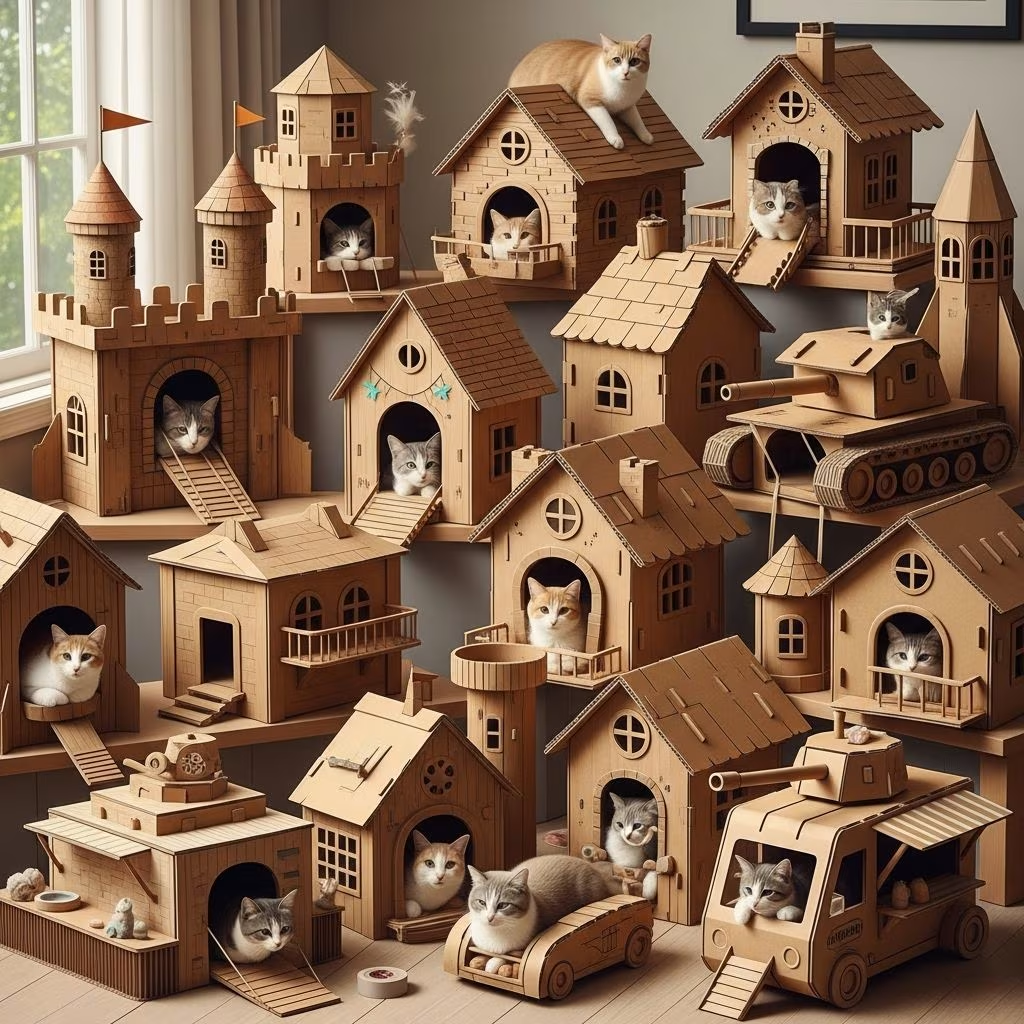
Cardboard boxes are a cat’s natural playground, offering endless scratching, hiding, and lounging opportunities. With the right tools, some inspiration and a few cardboard boxes, you can create a **DIY cardboard cat house** fit for any feline! These 15 free plans range from simple caves to multi-level complexes, all using recycled materials for an eco-friendly project that entertains your cat while saving money.
Basic supplies needed across most plans include large cardboard boxes, utility knife, ruler, pencil, strong glue (hot glue gun recommended), duct tape, and optional paint or fabric for decoration. Always prioritize safety: use non-toxic materials, ensure edges are smooth, and supervise initial play. These houses tap into cats’ love for enclosed spaces, heights, and textures, promoting mental stimulation and reducing destructive behavior.
The 15 DIY Cardboard Cat Houses
Each design is customizable for your cat’s size and preferences. Larger cats may need bigger boxes stacked together, while kittens thrive in multi-level mazes. Follow video tutorials or sketches for precision, and reinforce joints with glue and tape for durability.
1. Kinder Mix Cat House
The **Kinder Mix Cat House** combines colorful candy-inspired panels into a vibrant, multi-room condo. Slightly more challenging due to precise cuts, but completable in a few hours. Stack and glue medium boxes, cut arched doors and windows, then wrap in printed paper mimicking Kinder packaging. Add internal shelves for lounging. Highly customizable—enlarge for multi-cat households. Watch free YouTube tutorials for step-by-step assembly.
2. DIY Kitty Castle
Craft a regal **DIY Kitty Castle** with turrets, banners, and flags. Start with two large boxes glued base-to-base for height. Cut windows, drawbridges, and parapets using a metal ruler for straight edges. Decorate with paint or markers for a medieval look. Creative touches like fabric banners make it irresistible. Cats love the elevated perches and open upper spaces.
3. Cardboard Cat Playhouse
This apartment-style **Cardboard Cat Playhouse** features multiple levels connected by tunnels. Use three stacked boxes: cut entry holes aligning across levels, reinforce with glued flaps. Tricky delicate cuts require patience; add a printable paper door for whimsy. Leave interiors open for easy access or add ramps. Ideal for playful cats needing vertical space.
4. Simple Box Fort
A basic **Simple Box Fort** is perfect for beginners. Take one large box, cut two windows and a door (three-sided flap for functionality). Fold top flaps into a peaked roof, secure with glue or tape. Decorate with markers or paint. Quick to build, it satisfies hiding instincts.
5. Multi-Level Maze Tower
Build a **Multi-Level Maze Tower** by gluing boxes in a staggered formation. Mark and cut interconnecting holes before assembly for perfect fits. Strengthen roofs for climbing cats. Add eyes or painted details for personality. Cats adore navigating the maze-like paths.
6. Cardboard Cat Cave
Tap into your cat’s love for dark hideouts with a **Cardboard Cat Cave**. Source uniform panels or resize a preset plan. Layer and glue for thickness, cut a single low entry. Smooth corrugated edges double as scratchers. Compact and private, it’s ideal for shy cats.
7. Teepee Cat Tipi
A conical **Teepee Cat Tipi** uses rolled cardboard sheets glued into a pyramid. Cut a front flap door. Rough edges provide scratching appeal; paint in earthy tones and add a cushion inside. Simple yet stylish, with natural rope-like texture.
8. Conical Cardboard Cat House
Similar to the teepee, this **Conical Cardboard Cat House** emphasizes corrugated scratching surfaces. Glue layers for stability, paint for customization. Install a hanging mobile overhead for extra fun. Multi-purpose as bed and scratcher.
9. Apartment Block Cat Condo
Stack boxes into an **Apartment Block Cat Condo** with balconies. Cut windows on multiple sides, add protruding ledges from flaps. Connect levels with tube tunnels from rolled cardboard. Urban vibe appeals to indoor cats.
10. Cardboard Cat Complex
An open-ended **Cardboard Cat Complex** includes a main house, porch, and guest annex. Follow video pacing: embellish with large decorative elements. Sparse instructions but visually intuitive. Perfect for social cats hosting playdates.
11. Igloo Dome House
The **Igloo Dome House** requires layering tons of cardboard for a sturdy dome. Cut semi-circle entry; glue meticulously as every layer bonds. Ragged edges attract scratchers. Time-intensive but ultra-durable.
12. Mid-Century Modern Manor
Create a stylish **Mid-Century Modern Manor** with windows, fireplace, steps, and planters from box scraps. Sketch first, use chip clips for gluing, prime with white spray paint. Roof overhangs from extended sheets. Cats approve cozy interiors.
13. Scratching Post Castle
Integrate scratchers into a **Scratching Post Castle** by leaving exposed corrugations. Add sisal rope wraps on corners. Multi-box base with towers provides endless clawing and climbing.
14. Cardboard Cat Igloo House
Detailed **Cardboard Cat Igloo House** maximizes corrugated texture. Build with abundant layers, ensuring full glue adhesion. Low profile suits ground-dwellers; reinforce dome for lounging.
15. Crazy Cat Tower
A **Crazy Cat Tower** combines heights and boxes into a climber’s dream. Glue sealed flaps, cut maze holes, strengthen summits. Paint whimsical cats or eyes. Ultimate for adventurous felines.
General Tips for All DIY Cardboard Cat Houses
- Plan Ahead: Sketch dimensions, windows, doors, and add-ons to avoid mistakes.
- Cutting Safety: Use metal rulers and sharp knives; cut only three door sides for flaps.
- Assembly: Glue flaps for seals, clamp with clips or weights while drying. Tape temporarily, avoid packing tape.
- Reinforce: Keep bottom flaps for floors in heavy-use areas; double-box bases for large cats.
- Decorate: Prime with spray paint, use non-toxic acrylics or markers. Add cushions, catnip, scratchers inside.
- Durability: Expect wear; refresh with new boxes or tape. Lasts months with destructive cats.
- Sizing: Measure cat for entry (4-6 inches high); scale up for multiples.
Tools and Materials Table
| Item | Purpose | Tips |
|---|---|---|
| Cardboard Boxes | Structure | Recycle large ones; match size to cat |
| Utility Knife | Cutting | Sharp blade, metal ruler |
| Hot Glue Gun | Assembly | Strong hold; alternative: strong glue |
| Duct Tape | Reinforce | Painter’s tape for temp hold |
| Paint/Markers | Decorate | Non-toxic, primer first |
Frequently Asked Questions (FAQs)
What supplies do I need for a basic cardboard cat house?
A box, knife, glue/tape, ruler, and pencil. Add paint for flair.
How long do cardboard cat houses last?
Months to a year with moderate use; refresh as cats scratch.
Are they safe for kittens?
Yes, but supervise; smooth edges and use non-toxic glue/paint.
Can I make them bigger for multiple cats?
Absolutely—stack more boxes and align holes.
What if my cat ignores it?
Sprinkle catnip, add toys inside; place near favorite spots.
These DIY projects not only entertain but also utilize waste, reducing landfill contributions. Felines Association studies affirm cats prefer cardboard textures for claw maintenance[web:1].
References
- How to Make a Cardboard Cat House — The Green Mad House. 2023-05-15. https://thegreenmadhouse.com/diy/how-to-make-a-cardboard-cat-house
- How to Build a Cardboard House for Cats – DIY Home Tutorial — YouTube (Claire and Rags). 2022-08-10. https://www.youtube.com/watch?v=k1s-tME89H8
- DIY Cat House – How to Make a Cat Tree from Cardboard — YouTube. 2021-11-20. https://www.youtube.com/watch?v=0dViY0zXuVw
- 15 Free DIY Cardboard Cat Houses You Can Build Today — Catster. 2024-03-12. https://www.catster.com/lifestyle/diy-cardboard-cat-house/



