

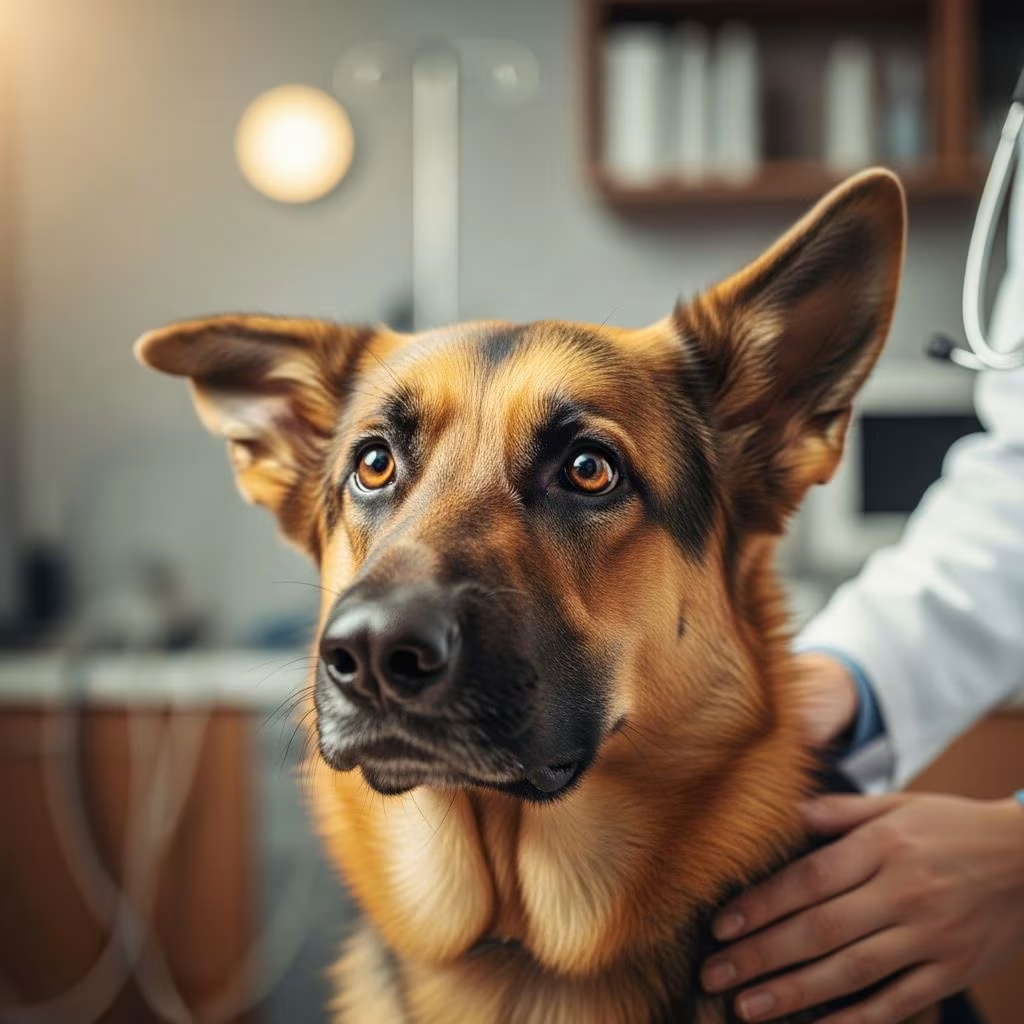
Diverticulitis in dogs involves inflammation of small pouches called diverticula that form in the intestinal wall, often due to chronic constipation and low-fiber diets. This condition can lead to pain, infections, and serious complications if not addressed promptly.
Understanding the Basics of Canine Diverticulitis
Diverticula are outpouchings in the colon wall that develop when pressure from hardened stool weakens the intestinal lining. In dogs, these pouches typically form in the large intestine, especially on the left side, and become inflamed when bacteria or fecal matter accumulates inside them. Unlike in humans where it’s more common, canine cases are less frequent but share similar triggers like inadequate dietary roughage. This chronic issue can flare up periodically, causing discomfort that ranges from mild cramping to severe abdominal distress.
The condition progresses when retained feces harden, increasing intraluminal pressure and forcing the bowel wall to bulge outward. Inflammation, or diverticulitis, occurs as these pockets trap debris, fostering bacterial growth. Without intervention, rupture risks escalate, potentially leading to peritonitis or sepsis—life-threatening emergencies.
Primary Causes Behind Diverticula Formation in Dogs
A low-fiber diet stands as the leading culprit, as it promotes constipation and fecal impaction. Traditional dry kibble often lacks sufficient roughage, slowing gut motility and allowing stool to stagnate. Other contributors include chronic straining during defecation, trapped gas, or indigestible particles like seeds lodging in the colon.
- Low dietary fiber: Reduces stool bulk and softens passage, mimicking human risk factors.
- Constipation cycles: Repeated episodes strain the bowel, weakening muscular layers.
- Excessive gas buildup: Adds pressure, exacerbating pouch development.
- Food irritants: Husks or rough particles irritate the lining, promoting weaknesses.
No breed predisposition exists, and it’s not hereditary, affecting dogs across ages and sizes equally. Middle-aged and senior dogs may show higher incidence due to cumulative dietary habits.
Key Symptoms to Watch For in Your Dog
Owners often notice subtle changes escalating to obvious distress. Abdominal tenderness, particularly on the left flank, prompts guarding behavior or whining when touched. Bloating accompanies spasms, making the belly appear distended.
| Symptom | Description | Severity Indicator |
|---|---|---|
| Abdominal Pain | Cramping, left-sided sensitivity | Mild to severe; dog may yelp |
| Bloating/Spasms | Visible distension, rhythmic contractions | Often with restlessness |
| Diarrhea | Loose, urgent stools possibly bloody | Frequent small volumes |
| Fever/Shivering | Temperature spikes, chills | Infection sign |
| Nausea/Vomiting | Drooling, retching | Advanced inflammation |
These signs overlap with colitis or inflammatory bowel disease, urging veterinary differentiation. Increased defecation attempts yield scant, mucousy output, signaling incomplete evacuation.
Diagnostic Process for Accurate Identification
Veterinarians start with a history review, focusing on diet, stool consistency, and symptom duration. Physical exams palpate for pain or masses. Bloodwork checks for infection markers like elevated white cells or inflammatory proteins.
- Radiographs reveal gas patterns or fecal loading.
- Ultrasound detects thickened walls or fluid pockets.
- Colonoscopy visualizes diverticula directly, allowing biopsies.
Differential diagnoses rule out tumors, foreign bodies, or parasites. In ambiguous cases, contrast studies highlight pouch outlines.
Non-Surgical Treatment Strategies
Conservative management prioritizes infection control and motility restoration. Broad-spectrum antibiotics target bacterial overgrowth, paired with anti-inflammatories for pain relief.
Dietary overhaul proves pivotal: transition to high-fiber formulas with sources like pumpkin, flaxseed, or miscanthus grass. These bulking agents soften stool, reducing pressure on diverticula. Feed small, frequent meals of bland, soft foods initially, followed by water to aid passage.
Avoid irritants like seed husks. Probiotics support gut flora balance, while stool softeners prevent straining. Most mild cases remit with 2-4 weeks of therapy, entering remission phases.
Surgical Interventions for Advanced Cases
When fistulas form, multiple pouches infect, or perforation looms, surgery becomes essential. Procedures include resection of affected segments with anastomosis, or diverticulectomy for isolated sites. Success rates improve with minimally invasive laparoscopy where feasible.
Post-op care involves IV fluids, antibiotics, and strict rest. Recurrence drops with lifelong fiber maintenance.
Variations: Esophageal and Rectal Diverticulitis
Esophageal Diverticulitis
This rarer form affects the esophagus, trapping food in pouches and risking aspiration pneumonia. Brachycephalic breeds like English Bulldogs face higher susceptibility due to anatomical quirks. Symptoms include regurgitation, coughing, weight loss, and swallowing hesitancy.
Small diverticula respond to upright feeding of soft diets; larger ones require excision. Frequent liquid chasers ensure clearance.
Rectal Diverticulitis
Protrusions through rectal muscle layers plague middle-aged males, often with perineal hernias. Tenesmus and straining persist, complicating defecation. Surgery—plication, resection, or anal approaches—addresses root weaknesses, preventing hernia relapse.
Dietary Management for Long-Term Prevention
Fiber-rich, cold-pressed foods outperform standard kibble by preserving nutrients and promoting regularity. Aim for 3-5% fiber content, blending soluble (for softening) and insoluble (for bulk) types. Sample daily plan:
- 70% high-fiber kibble or wet food.
- 20% steamed veggies (carrots, green beans).
- 10% supplements like psyllium if vet-approved.
Monitor weight and stool; adjust gradually to avoid gas. Annual check-ups catch flares early.
Potential Complications and Prognosis
Untreated progression risks perforation, abscesses, or fistulas fusing bowel loops. Bleeding appears as tarry stools; sepsis demands hospitalization. With prompt care, 80-90% achieve good control, though chronicity necessitates ongoing vigilance.
Frequently Asked Questions (FAQs)
What does diverticulitis look like in dogs?
It manifests as left-sided belly pain, diarrhea, bloating, and fever from inflamed intestinal pouches.
Can diet alone cure my dog’s diverticulitis?
Diet manages and prevents flares effectively but antibiotics treat active infections; surgery handles severe damage.
Is diverticulitis fatal in dogs?
Rarely, if treated timely; complications like rupture can be life-threatening without intervention.
Which dogs are prone to esophageal diverticulitis?
Short-nosed breeds like Bulldogs, due to swallowing mechanics favoring pouch formation.
How much fiber should a diverticulitis-prone dog eat?
Consult a vet for tailored amounts, typically higher than average via specialized foods.
References
- Esophageal Diverticula in Small Animals — Merck Veterinary Manual. 2023. https://www.merckvetmanual.com/digestive-system/diseases-of-the-esophagus-in-small-animals/esophageal-diverticula-in-small-animals
- A rare case of colonic diverticulum in a Bitch — PMC – NIH. 2023-10-01. https://pmc.ncbi.nlm.nih.gov/articles/PMC10542875/
- Pouch-like Sacs on the Esophageal Wall in Dogs — PetMD. 2024. https://www.petmd.com/dog/conditions/digestive/c_multi_esophageal_diverticula
- Case Report: Intestinal Diverticulum in a Golden Retriever — Wiley Online Library. 2023. https://onlinelibrary.wiley.com/doi/full/10.1002/vms3.70426
- Diverticulitis in Dogs: Symptoms, Diagnosis, Treatment — Bonza.dog. 2024-01. https://www.bonza.dog/2024/01/diverticulitis-in-dogs-symptoms-diagnosis-treatment/



