

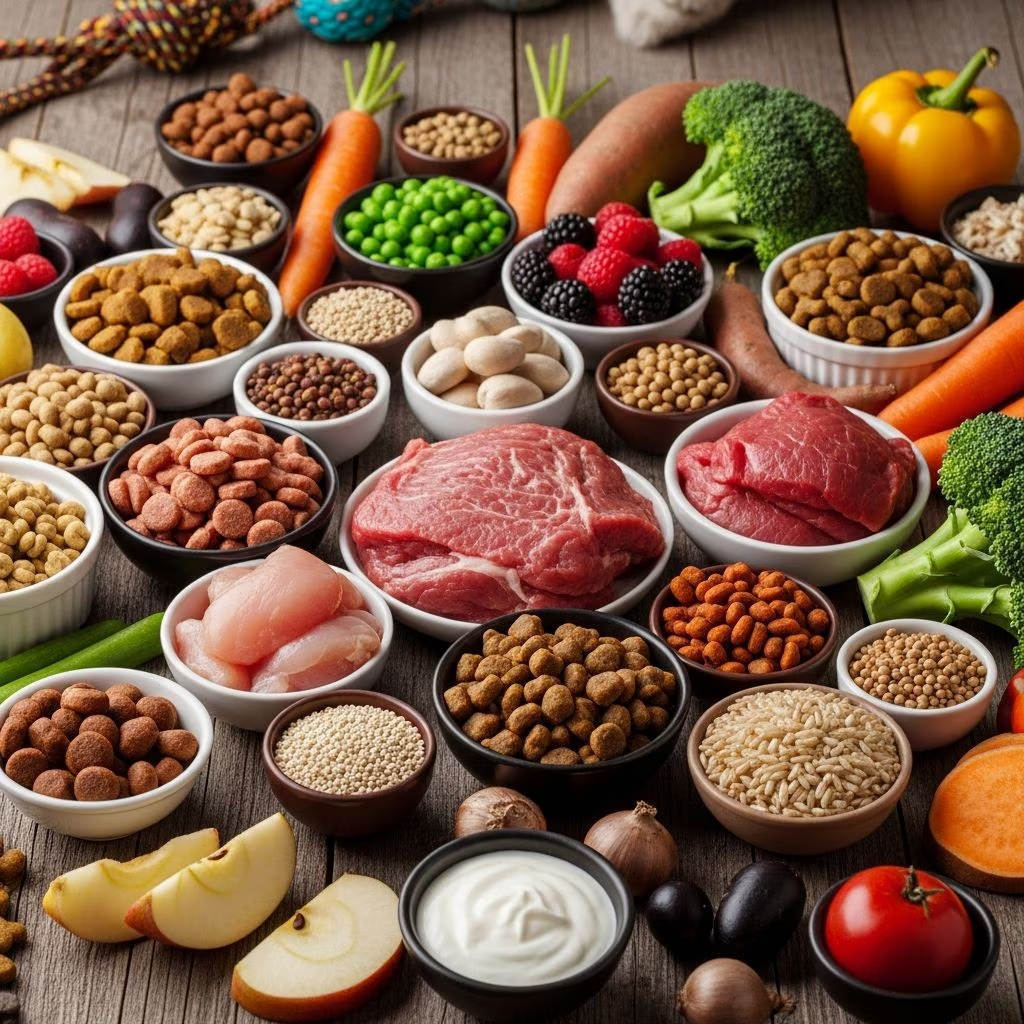
Rotational feeding involves regularly changing the types of proteins, ingredients, and food formats in a dog’s diet to promote overall health and vitality. This approach mimics the natural variety wild canines experience, offering a balanced spectrum of nutrients while minimizing potential risks from monotonous feeding.
Why Variety Matters in Canine Nutrition
Dogs thrive on diverse diets that provide a broad range of essential compounds. Single-food routines limit exposure to varied amino acids, vitamins, minerals, and fatty acids found in different proteins like poultry, beef, or fish. Over time, this can lead to nutritional gaps despite labels claiming completeness.
Variety strengthens the digestive system by encouraging adaptability. Dogs fed one food long-term may struggle with sudden changes, such as during travel or veterinary-prescribed diets. Gradual rotations build resilience, ensuring smoother transitions when needed.
Key Health Advantages of Rotating Foods
Implementing rotation yields multiple benefits, supported by pet nutrition insights:
- Gut Microbiome Enhancement: Diverse foods foster a richer gut bacteria population, aiding digestion, immunity, and inflammation control.
- Allergy Prevention: Frequent protein switches reduce sensitivity development by limiting prolonged exposure to any single ingredient.
- Metabolic Flexibility: Alternating nutrient profiles keeps metabolic pathways versatile, improving efficiency across food types.
- Nutrient Completeness: Combining formulas delivers superior amino acid variety, iron, zinc, and omega ratios over static diets.
These gains contribute to long-term wellness, from shinier coats to sustained energy levels.
Combating Boredom and Picky Habits
Monotony breeds disinterest at mealtime. Dogs may sniff and walk away from familiar kibble, leading to inconsistent intake and weight issues. Rotating flavors and textures reignites enthusiasm, turning meals into engaging events.
Varied formats—dry, wet, raw, or freeze-dried—add sensory appeal. A dog bored with chicken kibble might eagerly devour lamb patties or fish toppers, ensuring complete nutrition without force-feeding.
Protecting Against Contaminants and Toxins
Commercial pet foods occasionally harbor trace contaminants like heavy metals or aflatoxins from mold. Continuous consumption amplifies risks, as noted by FDA warnings on aflatoxin accumulation in pets on uniform diets. Rotation dilutes exposure, safeguarding liver and kidney function.
Switching brands or batches further mitigates batch-specific issues, such as pesticide residues in single-ingredient sources.
Practical Strategies for Successful Rotation
Start slow to avoid upset. Transition over 7-10 days by mixing new food incrementally with the current one. Monitor stool quality and energy as indicators of tolerance.
| Rotation Schedule | Description | Best For |
|---|---|---|
| Daily Mix | Blend proteins within meals | Highly adaptable adults |
| Weekly Switch | One protein per week | Moderate tolerance dogs |
| Bag Completion | Finish bag, then change | Conservative starters |
Choose comparable calorie and quality foods to maintain balance. Equal meat content ensures steady nutrition.
Choosing Compatible Foods for Rotation
Opt for high-quality options meeting AAFCO standards. Prioritize novel proteins like venison or duck alongside staples. Include moisture-rich foods to boost hydration, preventing urinary and constipation problems.
- Proteins: Chicken, beef, salmon, turkey, lamb
- Formats: Kibble, patties, stews, raw
- Add-ins: Probiotic toppers for microbiome support
Potential Drawbacks and When to Avoid
Not all dogs suit rotation. Puppies under 12 months have immature digestion, risking diarrhea from frequent changes. Seniors or those with chronic conditions may need stability.
Dogs with diagnosed allergies or sensitivities require vet-guided single-protein trials first. Abrupt switches cause temporary upset; always phase gradually.
Real-World Implementation Tips
Track progress in a journal: note food type, amount eaten, stool consistency, and behavior. Adjust pace based on response—some dogs handle daily variety, others prefer monthly shifts.
Consult veterinarians for tailored plans, especially with health histories. Bloodwork can reveal nutrient needs influencing rotation choices.
FAQs on Dog Food Rotation
Is rotational feeding safe for all dogs?
Generally yes for healthy adults, but skip for puppies, allergic dogs, or those with GI issues. Vet approval recommended.
How often should I rotate my dog’s food?
Depends on tolerance: weekly to monthly common. Start slow and observe.
Does rotation prevent allergies completely?
It reduces risks by limiting exposure, but genetics play a role. Early variety helps most.
Can I mix dry and wet foods in rotation?
Absolutely—variety in texture enhances appeal and hydration.
What if my dog refuses the new food?
Mix with familiar food, add warm water for aroma, or try toppers. Persistence pays off.
Long-Term Outcomes of Dietary Variety
Owners report vibrant coats, firm stools, and eager eaters after adopting rotation. Metabolic adaptability aids aging gracefully, easing prescription diet shifts for conditions like kidney disease.
Ultimately, rotation aligns domestic feeding with ancestral patterns, promoting holistic health without complexity.
References
- Rotation Feeding for Pets — PetMD. 2023-05-15. https://www.petmd.com/dog/nutrition/evr_dg_rotation_feeding_for_dogs
- What is Rotational Feeding for Dogs? Breaking Down the Pros and Cons — Bernie’s. 2024-02-10. https://www.bernies.com/blogs/bernies-blog/what-is-rotational-feeding-for-dogs-breaking-down-the-pros-and-cons/
- Rotating Proteins in Your Dog’s Diet — Stella & Chewy’s. 2023-11-20. https://www.stellaandchewys.com/blogs/articles/rotational-feeding
- Benefits of Rotating Proteins for Pets — Mud Bay. 2024-01-08. https://blog.mudbay.com/blog/benefits-of-rotating-proteins-for-pets/
- Should I Rotate My Pet’s Food? What Your Vet Won’t Tell You — Happy Trails Pets. 2023-09-12. https://www.happytrailspets.net/post/pet-food-meal-rotation-variety-immune-gut-health



