

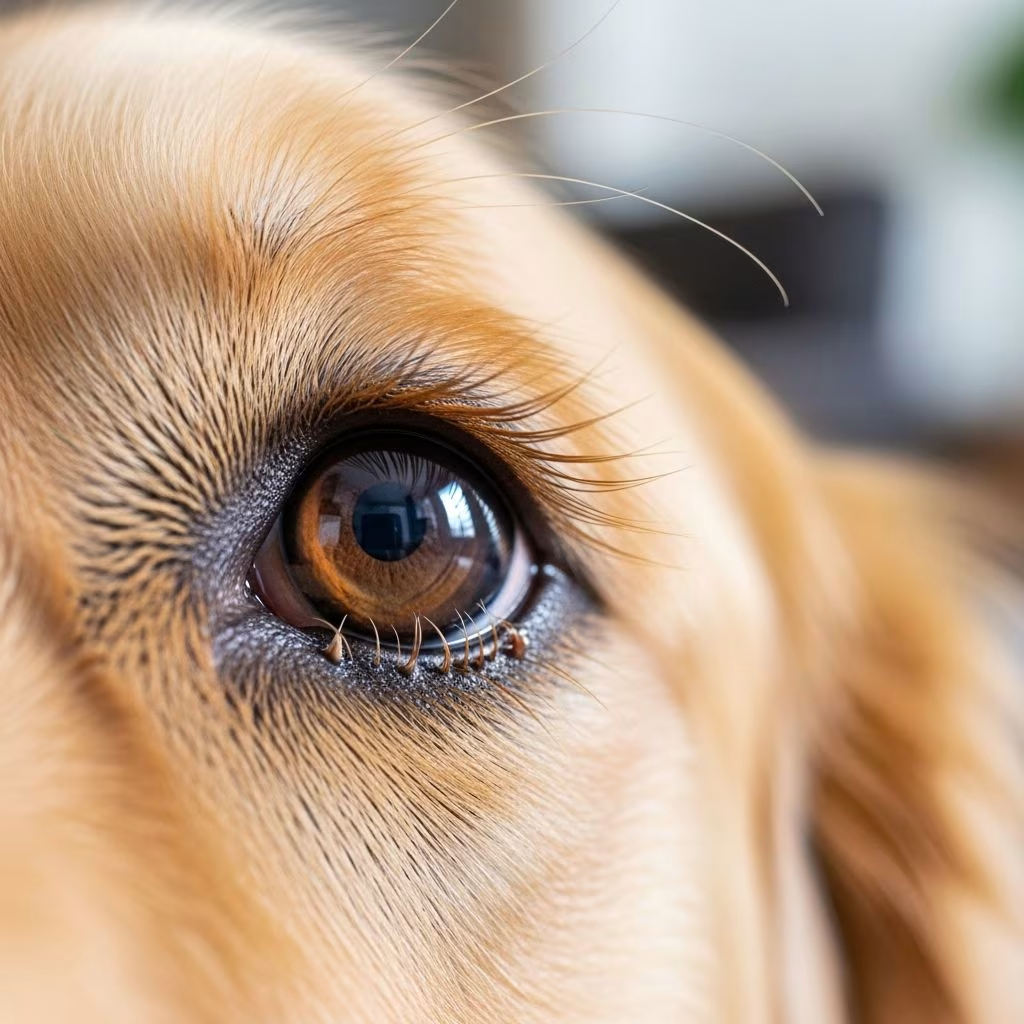
Understanding Distichiasis in Dogs
Distichiasis is a common eye condition in dogs that occurs when abnormal eyelashes grow from the margin of the eyelid through the duct or opening of the meibomian gland. A single abnormal eyelash is called a distichia, while multiple abnormal eyelashes are referred to as distichiae. Unlike humans who typically have one row of eyelashes, dogs with distichiasis develop an additional, abnormally positioned row of eyelashes that can cause significant discomfort and potential vision problems if left untreated.
In most cases, dogs develop multiple distichiae rather than just a single abnormal eyelash, and more than one may grow from each meibomian gland duct. While normal dogs do not have eyelashes on their lower eyelids, distichiae can develop on either the upper or lower eyelid in affected animals. In the majority of cases, the condition is bilateral, meaning it affects both eyes, though the severity may vary between eyes.
It is important to distinguish distichiasis from a related but different condition called ectopic cilia. While both conditions involve abnormal eyelashes, they are distinct eye problems that may require different treatment approaches. Understanding this distinction helps veterinarians develop appropriate treatment plans tailored to each dog’s specific condition.
Breeds Predisposed to Distichiasis
Distichiasis is not randomly distributed across all dog breeds. Certain breeds show significantly higher predisposition to developing this condition, suggesting a strong genetic component. Research indicates that the prevalence of distichiasis is notably higher in brachycephalic breeds—those with shortened muzzles and flattened faces—compared to dogs with longer facial structures.
The breeds most commonly affected by distichiasis include:
- American Cocker Spaniel
- Cavalier King Charles Spaniel
- Shih Tzu
- Lhasa Apso
- Dachshund
- Shetland Sheepdog
- Golden Retriever
- Chesapeake Retriever
- Bulldog
- Boston Terrier
- Pug
- Boxer Dog
- Pekingese
Among these breeds, English Bulldogs demonstrate the highest prevalence, affecting approximately 35.2% of the population evaluated in specialty ophthalmology practices, followed closely by American Cocker Spaniels at 19.4%. Additionally, short-haired dogs show a higher prevalence of distichiasis compared to dogs with other coat types, indicating that coat characteristics may play a role in disease development or severity.
Symptoms and Clinical Signs of Distichiasis
Dogs with distichiasis may display a variety of symptoms ranging from mild to severe, depending on the length, stiffness, and irritative nature of the abnormal eyelashes. Some dogs may experience no symptoms at all, while others develop significant ocular discomfort that affects their quality of life.
Common clinical signs of distichiasis include:
- Excessive blinking or squinting
- Difficulty keeping the eye open
- Pawing at the affected eye or eyes
- Redness and irritation of the conjunctiva (the membrane under the eyelids)
- Excessive tearing or watery eyes
- Greenish or yellowish discharge from the eye
- Blepharospasm (involuntary spasms of the eyelids)
- Light sensitivity or photophobia
- Visible eyelashes lying against the cornea
In some dogs, the abnormal eyelashes are relatively soft and thin, causing minimal or no irritation. These dogs may go undiagnosed and asymptomatic throughout their lives. However, in other dogs, particularly those with thicker or stiffer distichiae, the constant rubbing against the cornea can cause significant problems. Research indicates that approximately 85% of dogs with distichiasis show no clinical signs of irritation, suggesting that many affected dogs live comfortable lives without requiring treatment.
Complications from Untreated Distichiasis
While many dogs with distichiasis remain asymptomatic, those experiencing clinical signs face potential serious complications if the condition is left untreated. The continuous irritation from abnormal eyelashes can lead to progressive corneal damage and secondary complications.
With chronic or long-standing distichiasis, dogs often develop:
- Corneal scarring (white areas on the cornea surface)
- Hyperpigmentation (dark discoloration of the cornea)
- Corneal neovascularization (abnormal formation of blood vessels across the corneal surface)
- Corneal ulcers, including both superficial and deep stromal ulcers
- Secondary bacterial infections
- Severe pain and ocular inflammation
Among dogs presenting with clinical signs of distichiasis, approximately 39% develop corneal ulceration, with 28.8% experiencing superficial ulcers and 10.2% developing more severe deep stromal ulcers. These progressive changes can ultimately lead to blindness or loss of the affected eye if appropriate treatment is not initiated. Additionally, the chronic discomfort drives many dogs to scratch and rub their eyes excessively, which can further damage the cornea and accelerate the development of complications.
Diagnosis of Distichiasis
Veterinarians typically diagnose distichiasis through careful physical examination of the eye. While some abnormal eyelashes are thick enough to be visible to the naked eye, many distichiae are extremely fine and barely visible without close inspection. The diagnostic process involves several important components.
Physical Examination: During the initial examination, your veterinarian will look for eyelashes emerging from the meibomian gland openings or observe lashes that touch the cornea or the conjunctival lining. Some dogs may have distichiae that are only visible when the eyelid is carefully manipulated or examined under magnification.
Fluorescein Staining: A thorough eye examination typically includes fluorescein staining of the cornea, a special dye that highlights any corneal injuries or ulcerations. Under blue light, damaged areas of the cornea absorb the dye and appear bright green, making even small ulcers visible. This helps veterinarians assess the extent of corneal damage and determine appropriate treatment strategies.
Tear Production Assessment: Veterinarians may also evaluate tear production in the eyes to rule out dry eye syndrome, which can coexist with distichiasis and complicate treatment decisions.
Sedation or Anesthesia: Some dogs require topical anesthetics or sedatives to relieve intense discomfort and allow thorough examination of the tissues surrounding the eye. This is particularly important when the dog’s excessive blinking and eye spasm make examination difficult.
Treatment Options for Distichiasis
The approach to treating distichiasis depends on the severity of clinical signs and the dog’s response to conservative management. Treatment decisions should be made in consultation with your veterinarian or a veterinary ophthalmologist.
No Treatment: Dogs that are not experiencing clinical signs, or those with short, fine distichiae that cause no irritation, may require no treatment at all. These dogs can be monitored periodically to ensure no complications develop over time.
Conservative Management: For patients with mild clinical signs, conservative treatment is often attempted first. This approach typically involves the use of ophthalmic lubricants and ointments that protect the cornea and coat the distichiae with a lubricant film, reducing friction and irritation. Regular application of prescribed eye medications can significantly improve comfort and prevent corneal damage in mild cases.
Temporary Plucking: In the past, simple removal or plucking of distichiae was a common treatment approach. However, this is no longer recommended as a permanent solution because the abnormal eyelashes frequently grow back thicker or stiffer than before, often worsening the condition. Plucking may still be used temporarily for dogs unable to undergo anesthesia or while waiting for more permanent surgical procedures, as it can provide diagnostic information about whether the distichiae are truly causing the dog’s symptoms.
Surgical Treatment: When distichiae are definitively causing clinical signs and conservative treatment has failed or is inappropriate, surgical intervention becomes necessary. Permanent surgical solutions involve electrocautery or cryosurgery to destroy the hair follicles and prevent regrowth. These procedures require general anesthesia and are typically performed by veterinary ophthalmologists.
Surgical Complications and Risks
While surgical treatment can provide permanent relief from symptomatic distichiasis, complications can occur. Potential risks associated with electrocautery and cryosurgery include excessive scarring of the eyelids, which can affect eyelid function and appearance. In some cases, the hair follicles regrow despite surgical treatment, requiring repeat procedures.
The success rate and complication profile vary depending on the surgical technique used, the skill of the surgeon, and individual patient factors. This is why surgical decisions should be made carefully and only when conservative management has proven insufficient.
Prognosis and Long-Term Outcomes
The prognosis for dogs with distichiasis varies considerably depending on the clinical presentation and severity of symptoms.
For Asymptomatic Dogs: The prognosis is excellent for dogs that do not show any clinical signs associated with their distichiae. These dogs typically live normal, comfortable lives without requiring treatment or experiencing vision problems.
For Dogs with Mild Clinical Signs: The likelihood that symptomatic dogs can be managed successfully with conservative treatment is good, particularly when distichiae are fine and soft. In these cases, consistent administration of prescribed medications and regular follow-up examinations are essential to ensure the condition remains stable and complications do not develop.
For Dogs Requiring Surgery: Dogs undergoing appropriate surgical treatment for symptomatic distichiasis generally experience significant relief of symptoms and good functional outcomes, though the possibility of complications and regrowth should be considered.
Prevention and Breeding Considerations
Unfortunately, there is no preventative care for distichiasis in individual dogs, as the condition has a strong hereditary component. However, veterinarians strongly discourage the breeding of two affected dogs to each other because of the genetic nature of this condition. Responsible breeders should screen breeding candidates for distichiasis and avoid breeding affected dogs when possible, to help reduce the prevalence of this condition in susceptible breeds.
While genetic factors play a primary role, chronic inflammation within the meibomian glands appears to contribute to the development of distichiae, suggesting that maintaining good eye health through regular cleaning and tear production may help minimize severity in predisposed dogs.
Frequently Asked Questions About Distichiasis
Q: At what age do dogs develop distichiasis?
A: Most dogs with distichiasis develop the condition at a young age, often before turning one year old, though it can be diagnosed later in life.
Q: Can distichiasis occur in just one eye?
A: While distichiasis usually affects both eyes bilaterally, it can occasionally affect only one eye, though this is less common.
Q: How often should a dog with distichiasis be examined?
A: Dogs receiving conservative treatment should return for follow-up examinations as directed by their veterinarian, typically every few months to ensure the condition is not worsening.
Q: Is distichiasis painful?
A: Yes, distichiasis can cause significant pain and discomfort when the abnormal lashes irritate the cornea, though some dogs with soft, fine distichiae experience no discomfort.
Q: Can distichiasis lead to blindness?
A: If left untreated, severe distichiasis can lead to blindness through progressive corneal damage, ulceration, and scarring, though many dogs with the condition never develop vision problems.
References
- Distichia or Distichiasis in Dogs — VCA Animal Hospitals. Accessed 2025-11-28. https://vcahospitals.com/know-your-pet/distichia-or-distichiasis-in-dogs
- Epidemiology and clinical significance of canine distichiasis — Jondeau, C., et al. PubMed Central, National Center for Biotechnology Information. 2023-03-01. https://pubmed.ncbi.nlm.nih.gov/37028946/



