

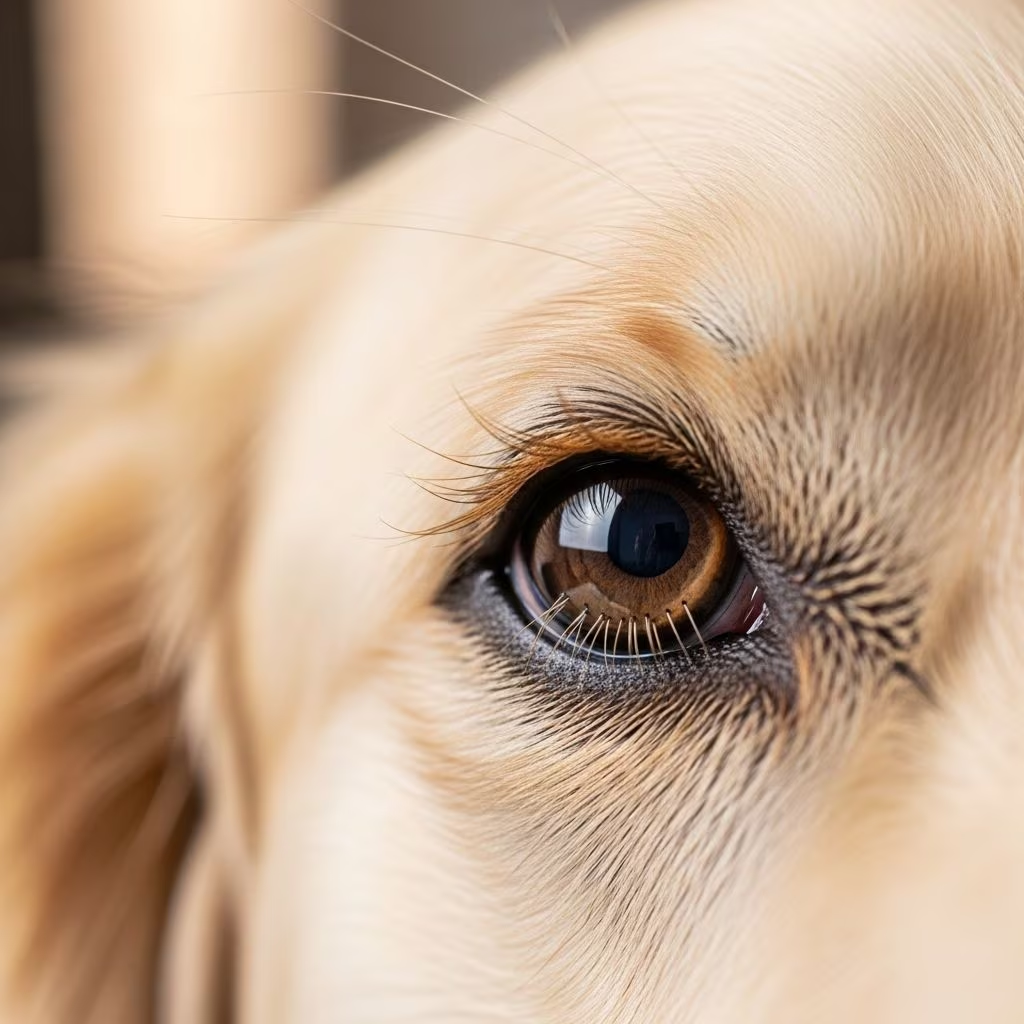
Understanding Distichia and Distichiasis in Dogs
Distichiasis is a common ophthalmological condition affecting dogs worldwide, characterized by the presence of abnormal extra eyelashes growing from the margin of the eyelid. A single extra eyelash is called a distichia (plural: distichiae), and these abnormal hairs emerge from the duct or opening of the meibomian gland or adjacent structures on the eyelid margin. Understanding this condition is crucial for dog owners, as early detection and appropriate management can significantly improve your pet’s quality of life and prevent serious complications.
What Are Distichiae?
Distichiae represent an extra row of eyelashes that grow in abnormal locations on the eyelid. Unlike normal eyelashes that grow from the outer edge of the eyelid, distichiae emerge from the meibomian gland openings, which are tiny oil-secreting structures along the eyelid margin. In most cases, dogs develop multiple distichiae rather than a single extra lash, and both eyes are typically affected bilaterally. Interestingly, while normal dogs do not have eyelashes on their lower eyelids, distichiae may develop on either the upper or lower eyelid, or even on both simultaneously.
It is important to note that distichiasis differs from another similar condition called ectopic cilia, though both can cause comparable eye irritation in dogs. The distinction lies in the exact location and origin of the abnormal lashes, but both conditions require professional veterinary evaluation and management.
Breeds Most Susceptible to Distichiasis
While distichiasis can affect dogs of any breed, certain breeds demonstrate a significantly higher predisposition to developing this condition. Understanding your dog’s breed risk can help you remain vigilant for early signs and symptoms.
Breeds commonly affected include:
- American Cocker Spaniel
- Cavalier King Charles Spaniel
- Shih Tzu
- Lhasa Apso
- Dachshund
- Shetland Sheepdog
- Golden Retriever
- Chesapeake Bay Retriever
- Bulldog
- Boston Terrier
- Pug
- Boxer
- Pekingese
Recent epidemiological research reveals that the prevalence of distichiasis is notably higher in certain populations. English Bulldogs exhibit the highest prevalence at approximately 35.2%, followed by American Cocker Spaniels at 19.4%. Brachycephalic breeds (dogs with flat, shortened faces) show significantly higher prevalence rates at 11.9% compared to non-brachycephalic dogs at 4.6%. Additionally, short-haired dogs demonstrate higher prevalence at 8.2% compared to other coat types at 5.3%.
Clinical Signs and Symptoms
The symptoms of distichiasis vary considerably depending on the thickness, stiffness, and irritability of the abnormal lashes, as well as the individual dog’s eye sensitivity. Some dogs remain completely asymptomatic, while others experience significant discomfort. Recognizing these signs early can prevent progression to more serious complications.
Common symptoms include:
- Excessive blinking or squinting
- Difficulty keeping the eye open
- Pawing or rubbing at the eyes
- Red or irritated eyes and conjunctiva
- Watery eyes or excessive tearing
- Greenish or yellowish discharge from the eyes
- Involuntary eyelid spasms (blepharospasm)
- Light sensitivity
- Visible abnormal eyelashes lying against the cornea
In mild cases, if the distichiae are short and fine, they may cause no noticeable symptoms at all. However, thicker or stiffer lashes are more likely to irritate the delicate corneal surface and cause discomfort.
Potential Complications of Untreated Distichiasis
When distichiae cause clinical signs and remain untreated, the condition can lead to increasingly severe complications that threaten your dog’s vision and ocular health. Understanding these risks emphasizes the importance of prompt veterinary care.
Chronic irritation from untreated distichiae can result in:
- Corneal scarring (white areas appearing on the cornea)
- Hyperpigmentation (dark discoloration of the cornea)
- Corneal neovascularization (abnormal blood vessel formation across the cornea)
- Severe corneal ulcers
- Secondary bacterial infections
- Vision loss or blindness
- Complete loss of the affected eye
The dog’s natural response to ocular discomfort—scratching or rubbing at the eyes—can further exacerbate these complications, creating a cycle of increasing damage. Long-standing distichiasis will eventually affect the dog’s vision through corneal changes, making early intervention critical.
Diagnosis of Distichiasis
Professional veterinary diagnosis is essential for confirming distichiasis and ruling out other conditions that may cause similar symptoms. Your veterinarian employs several diagnostic techniques to thoroughly evaluate your dog’s eye condition.
The diagnostic process typically includes:
- Visual identification of lashes emerging from meibomian gland openings
- Observation of lashes touching the cornea or conjunctival tissue
- Comprehensive eye examination using specialized equipment
- Fluorescein staining of the cornea to detect ulceration
- Assessment of tear production
- Evaluation of the extent of corneal injury
In some cases, dogs require topical anesthetics or sedatives to relieve intense discomfort and allow thorough examination of the tissues surrounding the eye. The distichiae themselves are usually easily visible during examination, appearing as extra lashes protruding from the eyelid margin at the level of the meibomian gland openings. Some lashes may be barely visible or even hidden underneath the eyelid, requiring careful evaluation to detect.
Treatment Options for Distichiasis
Treatment decisions depend on whether the distichiae are causing clinical signs and the severity of those signs. Not all dogs with distichiasis require intervention, as many remain comfortable despite the presence of abnormal lashes.
Conservative Management
Dogs displaying no clinical signs or only minimal symptoms may not require treatment at all. For those with mild clinical signs, conservative management using ophthalmic lubricants provides effective relief. These lubricants protect the cornea and create a protective film over the lashes, reducing irritation. Your veterinarian may recommend specific lubricating gels or ointments for regular application.
Surgical Treatment
When conservative treatment proves insufficient or symptoms are more severe, surgical intervention becomes necessary. However, traditional plucking of distichiae is no longer recommended, as the lashes typically grow back thicker and stiffer, potentially worsening the condition. Modern surgical approaches include:
- Electrocautery procedures that destroy the lash follicles
- Cryosurgery (freezing) techniques to eliminate follicle tissue
- Surgical removal of affected tissue
These permanent procedures aim to prevent lash regrowth entirely. While generally effective, potential complications can include excessive scarring of the eyelids and, in some cases, regrowth of lashes requiring repeat surgery. Temporary hair removal through plucking may be considered for dogs unable to undergo anesthesia or while awaiting a more permanent procedure.
Long-Term Prognosis
The outlook for dogs with distichiasis is generally favorable, particularly when managed appropriately. Prognosis depends primarily on the severity of clinical signs at diagnosis and the effectiveness of chosen treatment approaches.
Prognosis by presentation:
- Asymptomatic dogs: Excellent prognosis with no intervention needed
- Mild clinical signs: Good likelihood of successful conservative management
- Severe clinical signs: Excellent prognosis with appropriate surgical intervention
For dogs managed conservatively, strict adherence to prescribed medications and regular follow-up examinations as directed by your veterinarian are essential for optimal outcomes. Most dogs with appropriate management maintain good quality of life and vision.
Prevention and Breeding Considerations
Unfortunately, there is no preventative care available for dogs at risk of developing distichiasis. The condition’s hereditary nature means that affected dogs carry genetic predisposition. Veterinarians strongly discourage breeding two affected dogs together, as this significantly increases the likelihood of distichiasis in offspring. Responsible breeding practices should involve screening breeding candidates for this condition and avoiding matings between two affected individuals.
Epidemiological Insights
Recent comprehensive studies examining over 290 dogs diagnosed with distichiasis reveal important epidemiological patterns. The overall prevalence of distichiasis in dogs presented to ophthalmology specialty practices is approximately 5.5%. Remarkably, approximately 85% of dogs with distichiasis do not experience clinical signs or irritation, making it a non-irritating condition in the majority of affected dogs. However, most affected dogs develop the condition bilaterally (approximately 63.6%), meaning both eyes are typically involved.
Among dogs that do exhibit clinical signs, 39% show corneal ulceration, including both superficial ulcers (28.8%) and deeper stromal ulcers (10.2%), highlighting the potential for serious complications when symptoms are present.
Frequently Asked Questions About Distichiasis
Q: At what age do dogs typically develop distichiasis?
A: Most dogs develop distichiasis at a young age, often before reaching one year old, though the condition can develop at any life stage.
Q: Can distichiasis affect only one eye?
A: While distichiasis most commonly affects both eyes (bilaterally), it can occasionally develop in only one eye. However, thorough examination should assess both eyes.
Q: Will my dog’s distichiae always cause symptoms?
A: No. Research shows that approximately 85% of dogs with distichiasis remain asymptomatic. The presence of distichiae does not necessarily mean your dog will experience discomfort or vision problems.
Q: Is distichiasis hereditary?
A: Yes, distichiasis has a hereditary component. Dogs from predisposed breeds are more likely to inherit genetic factors contributing to the condition’s development.
Q: Can distichiae be permanently cured?
A: Yes, permanent removal is possible through electrocautery or cryosurgery procedures that destroy the hair follicles, preventing regrowth. However, simple plucking typically results in regrowth.
Q: What should I do if I suspect my dog has distichiasis?
A: Schedule an appointment with your veterinarian for comprehensive eye examination. Early detection and diagnosis allow for timely intervention and prevention of complications.
Q: Are there any topical medications that cure distichiasis?
A: Topical medications cannot cure distichiasis but can manage symptoms. Lubricating ointments and gels reduce irritation and protect the cornea in dogs with mild symptoms.
References
- Distichia or Distichiasis in Dogs — VCA Animal Hospitals. https://vcahospitals.com/know-your-pet/distichia-or-distichiasis-in-dogs
- Epidemiology and clinical significance of canine distichiasis — Jondeau C, et al. Published in peer-reviewed journal. 2023. https://pubmed.ncbi.nlm.nih.gov/37028946/
- Distichiasis in Dogs — PetMD. https://www.petmd.com/dog/conditions/eyes/distichiasis-dogs



