

Distemper Vaccine Side Effects in Dogs: What You Need to Know
The distemper vaccine is one of the most important immunizations for dogs, protecting them against a serious and often fatal viral disease. However, like all vaccines, the distemper shot can sometimes cause side effects. While the vast majority of these reactions are mild and temporary, understanding what to expect after your dog receives the vaccine can help you recognize any concerning symptoms and know when to contact your veterinarian.
Although vaccines are generally safe, reactions to the distemper vaccine in dogs are possible. Most side effects are mild, appear soon after vaccination, and resolve on their own within a day or two. However, some reactions can be delayed, severe, and require immediate medical attention. Understanding the spectrum of possible side effects helps pet owners provide appropriate care and monitor their dogs effectively after vaccination.
Common Side Effects of the Distemper Vaccine
The most frequently observed side effects of the distemper vaccine are mild and expected responses to immune system stimulation. These reactions typically appear within hours of vaccination and resolve without treatment.
Fatigue and Lethargy
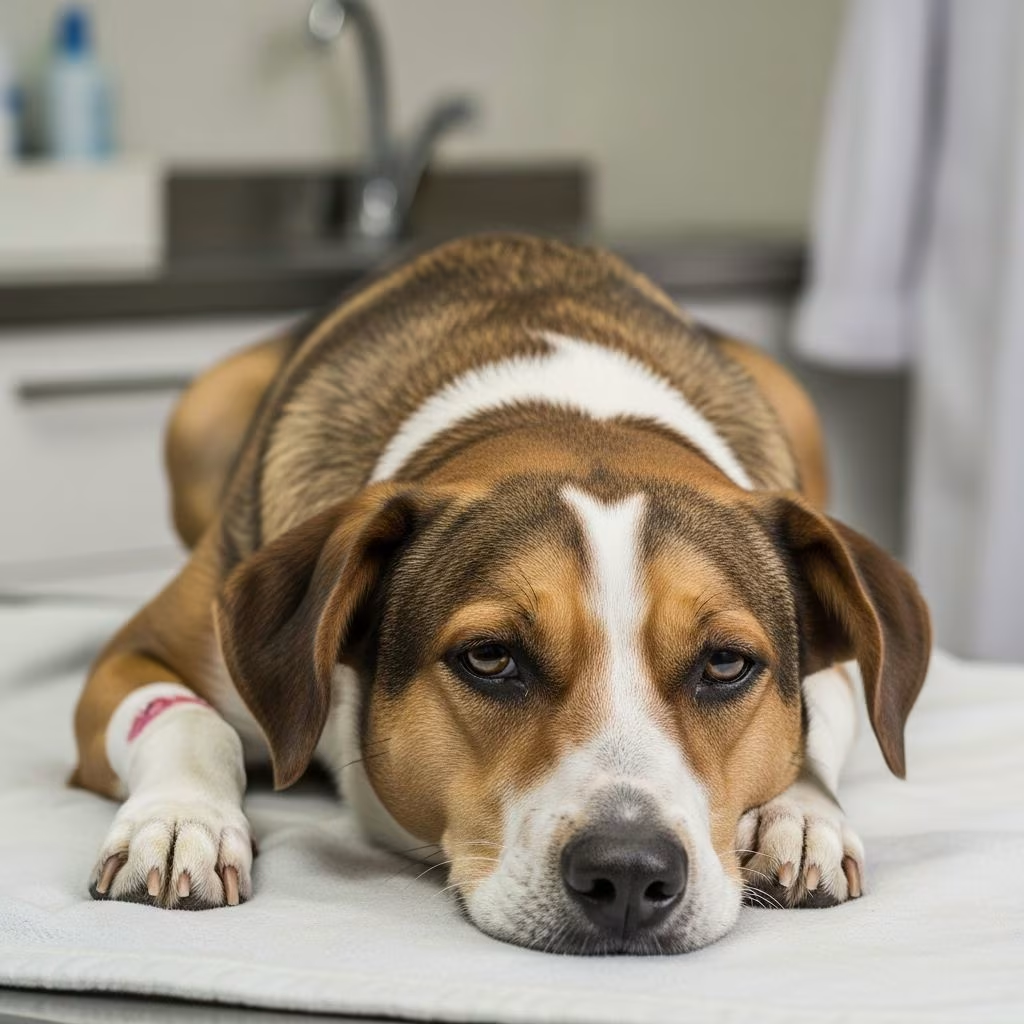
One of the most common side effects following distemper vaccination is a temporary decrease in energy levels. Vaccination stimulates the immune system as it learns to recognize and fight the virus, which can affect your dog’s overall demeanor and activity level. Many dogs experience fatigue after receiving the vaccine and may spend more time resting or sleeping than usual. Some dogs may appear less interested in their normal activities or play. These symptoms should pass after a day of rest, and most dogs return to their normal energy levels within 24 to 48 hours. There is no specific treatment needed for this reaction—allowing your dog quiet time to recover is the best approach.
Reduced Appetite
Decreased appetite is another common side effect that often accompanies fatigue. Your dog may show little interest in their regular meals or treats following vaccination. This temporary loss of appetite is a normal immune response and usually resolves quickly as your dog’s body adjusts to the vaccine. However, ensure your dog stays hydrated during this period. If your dog refuses food for more than 24 hours or shows signs of distress, contact your veterinarian.
Low-Grade Fever
A mild fever is a normal and expected response to vaccination, as the immune system activates to process the vaccine. Your dog may feel slightly warm to the touch, and you might notice they prefer to rest in cooler areas of your home. Low-grade fevers typically resolve within 24 to 48 hours without intervention. However, if your dog’s temperature exceeds 40 degrees Celsius (104 degrees Fahrenheit), contact your veterinarian immediately, as this may indicate a more serious reaction requiring professional evaluation.
Mild Injection Site Reactions
Some dogs experience mild swelling, tenderness, or slight redness at the injection site. These local reactions are harmless and typically resolve on their own within a few days. You may notice your dog is sensitive to touch in the vaccinated area. Applying a cold compress for short periods can provide comfort if the area appears painful, but most cases require no treatment.
Uncommon but Possible Side Effects
While less frequently observed than mild reactions, these side effects still occur in some dogs and warrant attention and monitoring.
Hypersensitivity and Allergic Reactions
Allergic reactions to distemper vaccines can occur and range from mild to severe. These reactions may develop within minutes of vaccine administration, which is why veterinary staff often ask you to remain in the clinic for several minutes after injection. However, allergic reactions can also develop up to 12 hours after vaccination, making it important to monitor your dog at home for the remainder of the day.
Mild to moderate allergic reactions typically involve facial swelling, itching, and hives on the skin. Your dog may scratch excessively or rub their face on surfaces. These symptoms can usually be managed with antihistamine medication prescribed by your veterinarian.
Severe allergic reactions and anaphylaxis are medical emergencies requiring immediate veterinary intervention. Signs of a severe reaction include acute vomiting, diarrhea, weakness, changes in breathing patterns, and in the most severe cases, collapse. If your dog shows any of these symptoms following vaccination, contact an emergency veterinary clinic immediately. Aggressive treatment is needed to address the life-threatening effects of anaphylaxis.
Gastrointestinal Upset
Some dogs experience vomiting or diarrhea following distemper vaccination. This occurs because the dog’s immune system is responding to the weakened virus in the vaccine, which can temporarily affect the gastrointestinal tract. Mild vomiting or diarrhea that resolves within 24 hours is not unusual and often requires no treatment beyond ensuring your dog stays hydrated. However, if your dog experiences excessive vomiting, persistent diarrhea lasting more than 24 hours, or shows signs of severe illness, seek veterinary care immediately.
Rare but Serious Side Effects
While uncommon, these serious reactions require immediate veterinary attention and professional management.
Autoimmune Hemolytic Anemia (IMHA)
Immune-mediated hemolytic anemia is a rare condition in which the body’s immune system attacks and destroys its own red blood cells. Most cases of IMHA in dogs are idiopathic, meaning the cause is unknown, but the condition can be triggered by infections, cancer, or other medical issues. While it has not been definitively proven, vaccines, including the distemper vaccine, have been suspected of potentially triggering IMHA in genetically predisposed dogs. If your dog develops symptoms such as lethargy, pale gums, yellowing of the eyes or skin, or dark-colored urine in the weeks following vaccination, contact your veterinarian immediately for blood work evaluation.
Post-Vaccinal Encephalitis
Post-vaccinal encephalitis, or inflammation of the brain following vaccination, is an extremely rare side effect. There have been documented reports of neurological changes similar to those seen with actual distemper infection occurring after vaccine administration. One case study described two dogs from the same litter developing this condition one year apart, suggesting a possible genetic component to this particular vaccine reaction. Symptoms may include seizures, behavioral changes, loss of coordination, or other neurological signs. If your dog develops any unusual neurological symptoms following vaccination, seek immediate veterinary attention.
Seizures
Seizures are among the most concerning potential side effects of distemper vaccination, though they remain extremely rare. Seizures may begin as mild tremors or muscle spasms and progress to full seizure episodes with violent shaking. While witnessing a seizure can be alarming, remain calm and remove objects that could injure your dog during the episode. Once the seizure concludes, transport your dog to an emergency veterinary hospital immediately for evaluation and treatment.
Monitoring Your Dog After Vaccination
Proper monitoring during the first 24 to 48 hours after vaccination helps you identify any concerning reactions early. Consider the following guidelines:
- Remain in your veterinary clinic for 10 to 15 minutes after vaccination to observe for immediate reactions
- Monitor your dog’s behavior, appetite, and energy level for the remainder of the day and night
- Watch for signs of allergic reactions, including facial swelling, difficulty breathing, or excessive itching
- Note your dog’s temperature if they seem feverish or lethargic
- Keep your dog calm and provide a comfortable resting area
- Ensure fresh water is available, even if appetite is reduced
- Contact your veterinarian if symptoms are severe or persist beyond 24 to 48 hours
When to Contact Your Veterinarian
Certain symptoms require immediate veterinary attention. Contact your veterinarian or emergency clinic if your dog experiences:
- Severe facial or tongue swelling that could obstruct breathing
- Difficulty breathing or respiratory distress
- Severe or persistent vomiting and diarrhea
- Seizures or neurological symptoms
- Signs of collapse or extreme weakness
- Fever exceeding 40 degrees Celsius (104 degrees Fahrenheit)
- Signs of pain or distress that do not improve with rest
- Symptoms that worsen or persist beyond 48 hours
Dogs at Higher Risk for Vaccine Reactions
Certain dogs may be more prone to experiencing vaccine reactions. These include:
- Small breed dogs: Toy and small breed dogs sometimes experience more noticeable vaccine reactions
- Dogs with previous vaccine reactions: A history of reactions increases the likelihood of future reactions
- Dogs with known allergies: Pets with environmental or food allergies may be more susceptible to vaccine allergies
- Immunocompromised dogs: Dogs with compromised immune systems may react differently to vaccines
- Elderly or very young dogs: Puppies and senior dogs sometimes have more pronounced reactions
If your dog falls into any of these categories, discuss vaccination strategies with your veterinarian. They may recommend pre-medication with antihistamines or steroids, spacing out vaccines rather than administering multiple vaccines simultaneously, or adjusting the vaccination schedule to minimize reaction risk.
The Importance of Vaccination Despite Potential Side Effects
While vaccine side effects are a valid concern, it is crucial to understand that the benefits of vaccination far outweigh the risks. Canine distemper is a serious, highly contagious viral disease with no cure. The mortality rate is high, particularly for young puppies, unvaccinated dogs, and those who develop neurological complications. Vaccination provides essential protection against this devastating disease. Mild side effects are temporary inconveniences, while distemper infection can be fatal or cause permanent neurological damage.
The American Veterinary Medical Association emphasizes that vaccines are among the most important tools in preventive veterinary medicine, with serious adverse reactions being extremely rare compared to the frequency and severity of the diseases they prevent.
Frequently Asked Questions About Distemper Vaccine Side Effects
Q: How long do distemper vaccine side effects typically last?
A: Most mild side effects, including fatigue, reduced appetite, and low-grade fever, resolve within 24 to 48 hours. Some mild injection site reactions may take a few days longer to completely resolve.
Q: Can I give my dog pain medication if they seem uncomfortable after vaccination?
A: Consult your veterinarian before giving any medications. They can recommend appropriate pain relief or anti-inflammatory medications if needed. Never administer over-the-counter human medications without veterinary guidance.
Q: Should I skip the distemper vaccine if my dog had a reaction to a previous vaccine?
A: No. Instead, discuss the previous reaction with your veterinarian. They may recommend pre-medication with antihistamines or steroids, administering the vaccine in a monitored setting, or spacing out vaccines to reduce reaction risk while maintaining essential protection.
Q: Is it normal for my dog to sleep more after vaccination?
A: Yes, increased sleep and lethargy are common and expected responses as the immune system processes the vaccine. Most dogs return to normal activity levels within a day or two.
Q: What should I do if my dog develops symptoms days after vaccination?
A: While most vaccine side effects appear within hours to 24 hours, some reactions can be delayed. If your dog develops concerning symptoms within a week of vaccination, contact your veterinarian and mention the recent vaccine, as they may be related.
Q: Are combination vaccines more likely to cause side effects than single vaccines?
A: The distemper vaccine is often combined with other vaccines in combination shots. While multiple vaccines might slightly increase the likelihood of mild reactions, the benefits of protection typically outweigh this risk. Discuss vaccine options with your veterinarian.
Conclusion
While distemper vaccine side effects are a possibility, serious reactions are rare, and mild side effects are temporary and manageable. The critical protection that the distemper vaccine provides against a deadly, incurable disease makes vaccination essential for all dogs. By understanding potential side effects and knowing how to monitor your dog after vaccination, you can ensure your pet receives this vital protection while being prepared to address any reactions that may occur. Always consult with your veterinarian about your individual dog’s vaccination needs and any concerns about potential reactions.
References
- Possible Vaccine Reactions in Dogs — PetMD. 2024. https://www.petmd.com/dog/general-health/possible-vaccine-reactions-in-dogs
- Vaccinations — American Veterinary Medical Association (AVMA). https://www.avma.org/resources-tools/pet-owners/petcare/vaccinations
- Learn about the Distemper Vaccine Shot for Dogs & Side Effects — Embrace Pet Insurance. 2024. https://www.embracepetinsurance.com/waterbowl/article/distemper-vaccine-for-dogs
- Canine Distemper Vaccine Side Effects And Reactions — Doobert. 2024. https://doobert.com/canine-distemper-vaccine-side-effects-and-reactions-2/
- Vaccine Reactions in Dogs: Everything You Should Know — Queens Animal Hospital. 2024. https://www.queensanimalhospital.com/site/blog/2024/03/29/vaccine-reactions-dogs



