

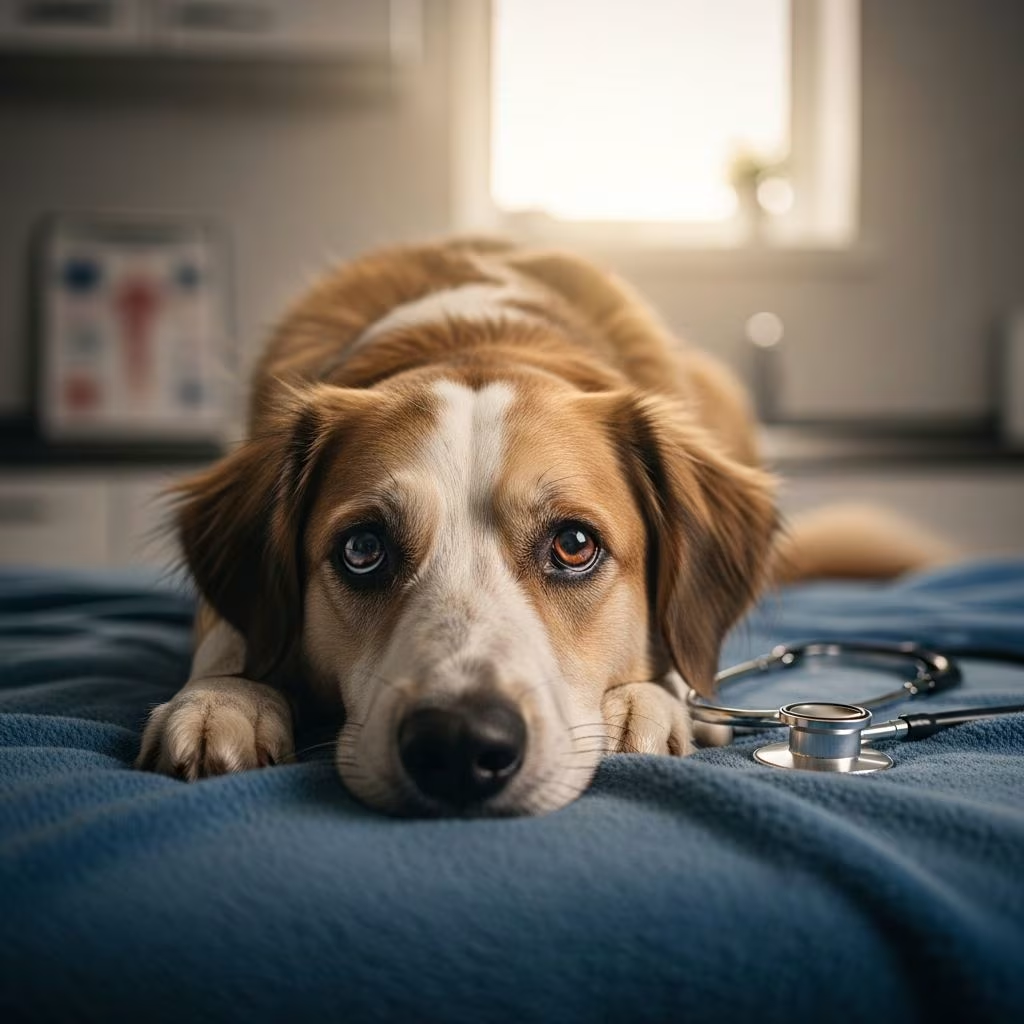
Canine distemper and parvovirus represent two of the most serious viral threats to dogs, particularly vulnerable puppies. These illnesses cause devastating gastrointestinal and systemic symptoms, often requiring immediate veterinary intervention for survival. Understanding their signs, transmission, and management strategies empowers owners to act swiftly and prevent outbreaks.
Understanding Canine Distemper: A Multi-System Viral Assault
Canine distemper virus (CDV) attacks multiple organ systems, leading to a range of severe symptoms. It spreads through airborne droplets, direct contact with infected bodily fluids, or contaminated environments, with incubation periods of 3 to 6 days before initial signs appear. Puppies and unvaccinated adults face the highest risk due to immature or absent immunity.
Early Warning Signs of Distemper
- Fever often emerges first, spiking 3-6 days post-infection.
- Clear nasal discharge progresses to pus-like consistency.
- Eye inflammation with watery to purulent discharge.
- Lethargy and appetite loss signal systemic involvement.
As the disease advances, respiratory issues like coughing develop, alongside vomiting and diarrhea. Neurological complications, including seizures and muscle twitches, may appear in later stages, earning it the nickname “hard pad disease” from thickened paw pads and noses.
Advanced Stages and Complications
In severe cases, distemper invades the central nervous system, causing inflammation of the brain and spinal cord. Survivors might endure lifelong issues like myoclonus (involuntary jerks) or partial paralysis. Hypothermia, weakened immunity, and secondary bacterial infections exacerbate the condition.
Parvovirus: The Gastrointestinal Devastator
Canine parvovirus (CPV-2) targets rapidly dividing cells in the intestines and bone marrow, causing rapid deterioration. Highly contagious via fecal-oral route, it thrives in environments like parks or kennels, with symptoms manifesting 3-7 days after exposure. Puppies under 6 months and certain breeds like Rottweilers are especially susceptible.
Recognizing Parvo Symptoms
| Symptom | Description | Common in Puppies? |
|---|---|---|
| Lethargy | Extreme tiredness and weakness | Yes |
| Vomiting | Frequent, severe episodes | Yes |
| Diarrhea | Bloody, foul-smelling | Yes |
| Fever | High temperature initially | Yes |
| Dehydration | Dry gums, sunken eyes | Yes |
| Abdominal pain | Bloating and tenderness | Yes |
Additional puppy-specific signs include rapid heart rate, low white blood cell counts, hypothermia, and hypoglycemia. Without prompt care, fatality approaches 90%, but intensive treatment boosts survival to 80-90%.
Transmission Risks and Prevention Strategies
Both viruses persist in the environment—parvo for months on surfaces, distemper in secretions. Shared spaces amplify spread. Prevention hinges on core vaccinations: distemper in the DA2PP protocol, parvo similarly. Puppies require a series starting at 6-8 weeks, with boosters every 3-4 weeks until 16 weeks, followed by annual or triennial shots.
- Avoid high-risk areas for unvaccinated pups.
- Practice strict hygiene: disinfect with bleach (1:30 dilution for parvo).
- Isolate sick dogs immediately.
Diagnosis: Confirming the Threat
Veterinarians use fecal SNAP tests for parvo, yielding results in minutes, confirmed by PCR if needed. Distemper diagnosis involves clinical signs, history, and tests like immunofluorescence on fluids or biopsies, as no single test is definitive. Bloodwork reveals leukopenia in parvo and lymphopenia in distemper.
Treatment Approaches: Supportive Care is Key
No antiviral cures exist for either disease; therapy focuses on stabilization and immune support. Hospitalization provides 24/7 monitoring.
Core Parvo Treatments
- IV Fluids: Correct dehydration, balance electrolytes with potassium and dextrose.
- Antibiotics: Metronidazole or amoxicillin prevent bacterial translocation.
- Antiemetics: Maropitant (Cerenia), ondansetron control vomiting.
- Monoclonal Antibodies: CPMA blocks viral entry, reducing severity.
- FMT: Fecal microbiota transplants restore gut flora; a 2018 study showed 61% diarrhea resolution under 48 hours vs. 5% standard care.
Blood transfusions address anemia from bone marrow suppression. Nutritional support via feeding tubes follows initial stabilization.
Distemper Management Protocols
Fluids combat dehydration; broad-spectrum antibiotics fend off secondary pneumonia. Anticonvulsants manage seizures, analgesics ease pain. Experimental antivirals and xenogeneic antibodies show promise in trials. Nursing care—warmth, hygiene—optimizes recovery. Survival varies by strain and immunity, with acute phases lasting 10 days or neurological symptoms persisting months.
Prognosis and Recovery Insights
Parvo survival exceeds 80% with early, aggressive care; most recover immunity to the strain. Distemper prognosis is grimmer, especially with neuro signs, but supportive measures improve odds. Post-recovery, monitor for encephalitis or chronic issues. Recovered dogs gain lifelong immunity but remain carriers briefly.
Home Care and When to Seek Help
Never attempt home treatment—these viruses demand professional intervention. Rush to a vet if your dog shows lethargy, bloody stool, or persistent vomiting. Post-discharge, provide bland diets, probiotics, and rest. Quarantine prevents spread.
FAQs: Common Questions Answered
Can vaccinated dogs get parvo or distemper?
Rarely, vaccine breakthroughs occur, especially with high exposure, but vaccination slashes risk dramatically.
How long is parvo contagious?
Up to 2-3 weeks post-recovery; virus sheds in feces.
Is there a home test for these viruses?
No reliable ones; professional diagnostics essential.
Can cats get these dog viruses?
No, but feline panleukopenia (parvo relative) exists separately.
What’s the cost of treatment?
Parvo: $1,500-$5,000+; distemper similar, varying by hospitalization length.
Vaccination Schedules for Optimal Protection
| Age | Vaccine | Notes |
|---|---|---|
| 6-8 weeks | DA2PP (Distemper, Parvo, etc.) | First dose |
| 10-12 weeks | DA2PP Booster | Maternal antibodies wane |
| 14-16 weeks | DA2PP Final Puppy Dose | Full immunity builds |
| 1 Year | Booster | Then every 1-3 years |
Consult your vet for tailored protocols, especially for high-risk pups.
By staying vigilant, vaccinating diligently, and seeking prompt care, you can shield your dog from these perilous viruses. Prioritize prevention to ensure a healthy, joyful companionship.
References
- Parvo Treatment for Dogs: Symptoms & Solutions — AnimalBiome. 2023. https://www.animalbiome.com/blogs/pet-health/parvo-treatment-for-dogs
- Canine Parvovirus — Cornell University College of Veterinary Medicine. 2024. https://www.vet.cornell.edu/departments-centers-and-institutes/baker-institute-animal-health/research-baker-institute/canine-parvovirus
- Parvovirus — A to Z Veterinary Clinic. 2023. https://www.atozvet.com/parvovirus/
- Parvovirus in Dogs: Symptoms, Causes, and Treatments — GoodRx. 2025. https://www.goodrx.com/pet-health/dog/parvovirus-in-dogs
- Canine Distemper — VRCCE. 2024. https://www.vrcce.com/canine-distemper.pml
- Distemper in Dogs: Signs, Symptoms, Treatments — AKC.org. 2025. https://www.akc.org/expert-advice/health/distemper-in-dogs/
- Canine parvovirus — American Veterinary Medical Association. 2025. https://www.avma.org/resources-tools/pet-owners/petcare/canine-parvovirus
- Canine Distemper — MSD Veterinary Manual. 2025. https://www.msdvetmanual.com/infectious-diseases/canine-distemper/canine-distemper



